Best technique for fan casting a new lake
There’s nothing quite like the excitement, and sometimes the slight intimidation, of arriving at a brand-new lake for a day of fishing. You’ve got a vast expanse of water in front of you, and it can feel overwhelming trying to figure out where the fish are hiding. This guide is all about helping you conquer that feeling by mastering the art of fan casting, a truly effective technique for quickly and efficiently exploring unfamiliar Connecticut waters and getting your lure where it needs to be.
Understanding Fan Casting Fundamentals for New Waters
When you're faced with a big, unknown body of water, it's easy to just start casting randomly. But that's a recipe for frustration and wasted time. Fan casting, when done right, is about making every cast count by covering the water systematically. It's like having a method to the madness, allowing you to quickly identify productive areas and increase your chances of finding fish.
What Exactly is Fan Casting and Why Does it Work?
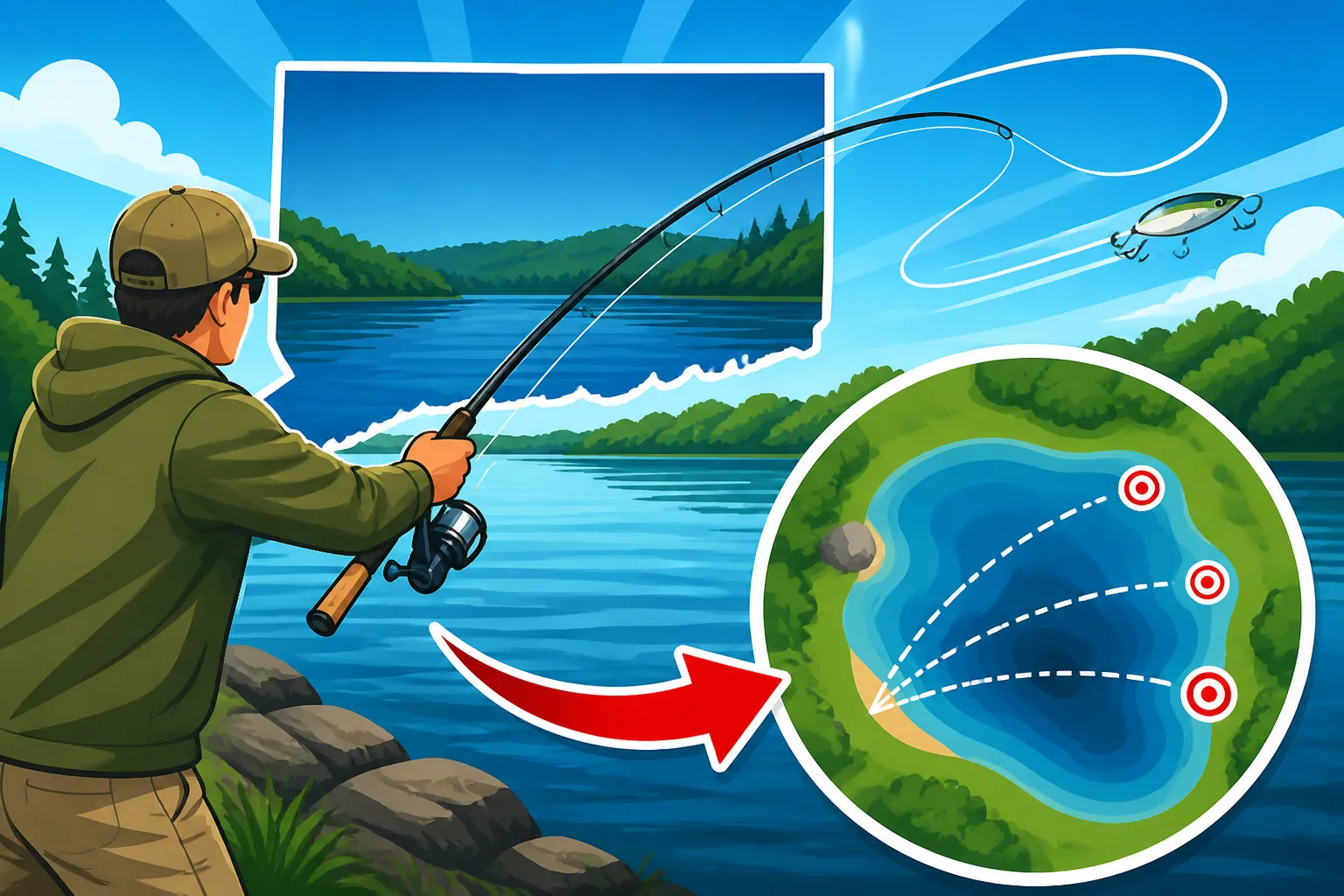
At its core, fan casting is a technique where you cast your lure in a series of different directions, fanning out from your position to cover a wide arc of water. Imagine standing on shore or in a boat and making your first cast straight out in front of you. Your next cast might be slightly to your left, then another further to the left, until you've covered a full "fan" or arc of water. Then, you'd repeat the process, perhaps moving a few feet down the bank or repositioning your boat.
The real beauty of fan casting on a new lake is its efficiency. Instead of blindly searching, you're systematically prospecting a specific area. This allows you to quickly eliminate unproductive water and focus your efforts where fish might be holding. It helps you understand the contours of the bottom, locate submerged cover you can't see, and identify where baitfish might be congregating. It's a fundamental skill that every angler should master, especially when exploring new territory like Best Fishing Lakes in Connecticut or even smaller, unmapped ponds.
The Importance of a Systematic Approach
Random casting will get you random results, and usually, those results are disappointing. A systematic approach to fan casting means you're not just throwing your lure wherever, but following a deliberate pattern. Think of it like a clock face. If you're standing on shore, your "12 o'clock" cast is straight out in front. Then, you might cast to "11 o'clock," retrieve, then "1 o'clock," retrieve, then "10 o'clock," retrieve, and so on, working your way around until you've covered a full 180-degree arc.
From a boat, you might do a full 360-degree fan, or work specific quadrants. The key is to slightly overlap your casting zones so you don't leave any gaps. This methodical coverage ensures that if a fish is in the area you're working, your lure will pass through its strike zone. It also helps you map out the bottom composition in your mind: did you feel weeds on that retrieve? Rocks on this one? A sudden drop-off there? These observations are gold when you're piecing together the puzzle of a new lake.
Choosing the Right Gear for Fan Casting Success
Having the right equipment doesn't guarantee fish, but it certainly makes the fan casting process much more enjoyable and effective. When you're constantly casting and retrieving, a balanced setup is crucial. A medium-heavy or medium-action rod, typically between 6'6" and 7'6", offers a good balance of casting distance and sensitivity. Paired with a spinning reel or a baitcasting reel (depending on your preference and the lures you're throwing), spooled with a versatile line like 10-15 lb fluorocarbon or braided line with a fluorocarbon leader, you'll be ready for most situations.
The lures themselves need to be versatile. You're trying to figure out what's working, so having a few go-to options that can be fished at different depths and speeds is key. Think about lures that cast well and allow you to feel the bottom. We'll dive deeper into specific lure choices in a later section, but for now, just know that your setup should prioritize comfort for repeated casting, good line management, and the ability to feel what your lure is doing under the water.
Strategic Fan Casting for Diverse Lake Features
Connecticut's lakes offer a fantastic variety of underwater structures and depths. From the rocky ledges of Candlewood Lake to the weed-choked coves of a smaller pond, each feature demands a slightly different fan casting strategy. The goal is always the same: to efficiently cover the water and entice a bite, but how you do it needs to adapt.
Targeting Shorelines and Drop-offs
Shorelines are often the first place anglers focus on a new lake, and for good reason – they frequently hold fish. When fan casting a shoreline, look for visible features like docks, fallen trees, weed lines, or rocky stretches. Your casts should start parallel to the shore, working your way out perpendicularly. This allows you to explore the shallow water closest to the bank, where many fish might ambush bait, and then gradually transition to deeper water.
For drop-offs, which are transition zones where the bottom quickly plunges, your fan casting needs to identify these changes. Make casts that cross the suspected drop-off at different angles. For example, if you're on a flat that transitions to deep water, cast your lure beyond the drop-off and retrieve it up and over the ledge. Pay close attention to how your lure feels as it crosses this depth change; that "tick" or "thud" can tell you a lot about the bottom. These areas are prime ambush points for species like Largemouth Bass Fishing in Connecticut and smallmouth bass.
Working Open Water and Suspending Fish
Sometimes, especially in larger bodies of water like Long Island Sound Fishing Guide (if we're considering tidal lakes or estuaries) or expansive inland lakes, fish aren't holding tight to structure. They might be suspended in open water, chasing baitfish schools. Fan casting here is less about feeling bottom and more about covering different depths in the water column. Start by casting your lure out and letting it sink to a specific depth, then retrieve. On your next cast in the "fan," let it sink a bit deeper, or retrieve it faster to keep it shallower.
Using lures that can be worked effectively at various depths, such as lipless crankbaits or spoons, is key here. Keep an eye out for surface activity – jumping baitfish, feeding birds, or even subtle ripples – as these are dead giveaways for actively feeding fish in open water. Remember, open water doesn't mean empty water; it just means the structure is less obvious, so your fan casting needs to be broad and depth-varied.
Adapting to Wind and Current
Wind and current are two natural forces that can either help or hinder your fan casting efforts. In a new lake, understanding how they affect your lure is crucial.
- Wind: A strong headwind can make casting accurately a nightmare, while a tailwind can give you extra distance. When casting into the wind, you might need to use heavier lures or adjust your casting style. A crosswind can create a bow in your line, making it harder to feel bites or control your lure's depth. In these situations, try casting more directly into or with the wind as much as possible, or using heavier lures that cut through the air better.
- Current: Even in what appears to be a calm lake, subtle currents can exist, especially near inlets, outlets, or deeper channels. Current can drift your lure, making it move faster or slower than intended. When fan casting with a current, you might need to slow your retrieve to keep the lure in the strike zone longer. Against the current, a faster retrieve might be necessary to prevent your lure from sinking too deep or getting swept away. Pay attention to how your line behaves in the water – it's a direct indicator of current strength and direction. How to Fish a River for Smallmouth Bass offers excellent insights into managing current, which can often be applied to lake environments as well.
Lure Selection and Retrieve for Unfamiliar Lakes
When you're stepping onto a new lake, you don't know what the fish are keying in on. Are they chasing fast-moving baitfish? Are they tucked into deep cover, looking for a slow, easy meal? This is where strategic lure selection and varied retrieve techniques come into play. Your initial goal isn't necessarily to catch the biggest fish, but to find the fish and understand their preferences.
Versatile Lures for Initial Exploration
For your first few hours on an unfamiliar lake, pack a few tried-and-true versatile lures. These are your workhorses, designed to cover water efficiently and elicit strikes from a variety of species.
- Crankbaits: Medium-diving crankbaits are fantastic for fan casting. They allow you to cover depths from a few feet down to 10-15 feet, and their erratic swimming action can trigger反応 strikes. Look for models with different lip designs for varied diving depths. You can find a huge selection of brands like Rapala, Strike King, and Norman Lures on Amazon.
- Spinnerbaits: These are excellent for covering shallow to medium depths, especially around weeds and submerged timber. Their flash and vibration are highly attractive, and they're relatively snag-resistant.
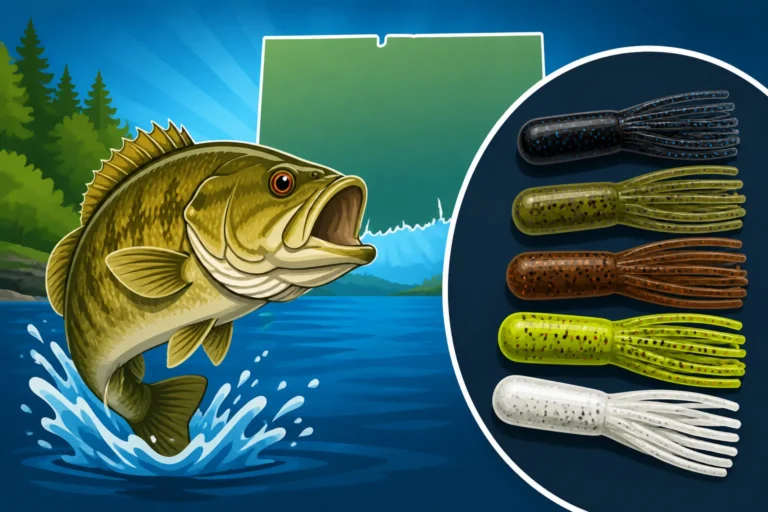
- Soft Plastics (Rigged Weedless): Texas-rigged worms or Senko-style baits are incredibly versatile. They can be fished slowly along the bottom, twitched through cover, or even hopped through open water. They're usually a safe bet when you're not sure what mood the fish are in. Brands like Zoom, Gary Yamamoto, and Berkley offer reliable options, many of which are readily available through Amazon.
- Jigs: A jig, whether a football jig or a swim jig, can be worked effectively at various depths. You can crawl it along the bottom, bounce it off structure, or swim it through open water. Tipping it with a soft plastic trailer adds bulk and action.
It's about having a selection that allows you to quickly adjust to what the fish might prefer. You might start with a fast-moving crankbait to cover water, and if you get a few hits, switch to a soft plastic to really dissect that productive area.
Experimenting with Retrieve Speeds and Depths
Once you've chosen a versatile lure, the next step is to experiment with how you present it. This is where the retrieve comes in. Don't fall into the trap of reeling everything back at the same speed.
- Slow Roll: A steady, slow retrieve is often effective in cooler water or when fish are lethargic. It allows the lure to stay in the strike zone longer.
- Burn and Pause: A faster, more aggressive retrieve, interspersed with sudden pauses, can mimic a fleeing baitfish and often triggers reaction strikes. This is great for active fish.
- Bottom Bouncing: For jigs and soft plastics, letting your lure sink to the bottom and then slowly dragging or hopping it along the lakebed can be deadly, especially if fish are feeding on crayfish or other bottom dwellers.
- Yo-Yoing: With certain lures like lipless crankbaits or spoons, casting out, letting them sink, then ripping them up and letting them fall again (like a yo-yo) can be incredibly effective for suspended fish.
The key is to try different retrieve patterns with each lure within your fan casting arc. If you get a bite on a specific retrieve, try to replicate it on subsequent casts. Remember, you're gathering data with every cast and retrieve.
Reading the Water for Clues and Adjustments
One of the most valuable skills for fishing a new lake is "reading the water." This means actively looking for signs that indicate fish presence or activity, and then adjusting your fan casting strategy accordingly.
- Baitfish Activity: Look for schools of baitfish dimpling the surface, or even larger splashes indicating predators are chasing them. If you see this, shift your fan casting to that area immediately.
- Bird Activity: Diving birds, especially gulls or terns, often signal baitfish being driven to the surface by predatory fish from below. This is a huge clue!
- Structure: Pay attention to any visible structure like rocks, logs, weed lines, or changes in water color. These are prime fish habitats. Even subtle ripples can indicate current or underwater obstacles.
- Water Temperature: If you have a thermometer, slight changes in water temperature can concentrate fish, especially in spring and fall. A small temperature break can be a magnet.
By constantly observing and making small adjustments to your casting direction, lure choice, and retrieve, you'll dramatically increase your chances of finding and catching fish on a new lake. It’s not just about blindly covering water; it’s about informed exploration.
Maximizing Your Chances: Beyond the Cast
Fan casting is a powerful tool, but it’s part of a larger strategy for successfully fishing a new lake. Preparation, observation, and even a little record-keeping can elevate your experience and turn a challenging outing into a rewarding one.
The Value of Pre-Trip Research
Before you even launch your boat or set foot on the bank, a little homework can go a long way. This is especially true for the diverse waters of Connecticut.
- Maps and Aerial Photos: Start with online maps. Google Maps or Navionics can show you contours, depths (if available), visible structure, and access points. Look for obvious creek channels, points, coves, and areas of significant depth change. These are all potential fish magnets.
- Local Reports and Forums: Check online fishing forums or local bait shops (if you can call ahead or stop by) for recent reports. What species are biting? What lures are working? What sections of the lake are producing? This insider knowledge is invaluable.
- Understanding Target Species: Familiarize yourself with the primary fish species in the lake you plan to visit. If it's a Best Bass Fishing Lakes in Connecticut, you'll approach it differently than a designated trout stream. Knowing their typical habits, preferred habitat, and forage can help you narrow down your initial fan casting zones.
Taking an hour to do this research can save you hours of unproductive casting on the water.
Using Electronics and Observation
For those with the benefit of a boat, electronics like fish finders and GPS are incredibly powerful allies when exploring new water.
- Fish Finders/Sonar: These tools allow you to "see" underwater. As you fan cast, your fish finder can reveal hidden drop-offs, submerged timber, rock piles, and even schools of baitfish or game fish. Pay attention to changes in bottom composition, depth, and any arches that indicate fish. Mark interesting waypoints on your GPS for future reference.
- Binoculars: Don't underestimate the power of a good pair of binoculars. From a distance, you can spot subtle surface activity, birds diving, or even other anglers catching fish, giving you clues about where to focus your efforts.
- Visual Cues: Even without electronics, your eyes are your most important tool. Look for water color changes, weed beds, lily pads, fallen trees, brush piles, or even shadows that might indicate cover. Any deviation from a uniform surface or bottom could hold fish. For example, a break in a lily pad field, or a point where two different bottom types meet, are prime areas to fan cast.
Combining your methodical fan casting with active observation and electronic assistance creates a powerful search and discovery system.
Documenting Your Discoveries
This might sound like extra work, but keeping a simple fishing log can dramatically improve your success on return trips to any lake, especially new ones.
- Date, Time, Weather: Note the basic conditions.
- Location: Be specific. "North end, rocky point near the big oak tree."
- Lure & Retrieve: What were you throwing? How were you working it?
- Results: Did you get bites? Did you catch anything? If so, what species and size?
- Observations: What did you notice about the water, baitfish, or bottom?
This kind of documentation helps you build a mental (or physical) map of the lake over time. You'll start to see patterns: "That rocky point is always good for smallmouth in the morning," or "Spinnerbaits crushed it near the lily pads on a cloudy day." You can even use your phone to take pictures of productive spots, or simply make notes in an app. Learning from each outing is the fastest way to turn a "new lake" into a "known hot spot."
Table: Versatile Lure Types for New Lake Exploration
| Lure Type | Best for Depths | Ideal Conditions | Target Species (Common) | Retrieve Characteristics | Purchase Options |
|---|---|---|---|---|---|
| Medium Crankbait | 5-15 feet | All-around, good for covering water quickly | Bass, Walleye, Pike | Steady, Stop & Go, Deflection off cover | Local tackle shops, Amazon |
| Spinnerbait | Shallow-Medium (2-10 feet) | Weeds, Wood, Stained Water, Overcast | Bass, Pike, Pickerel | Steady, Slow Roll, Jerk & Pause | Local tackle shops, Amazon |
| Texas-Rigged Worm | Bottom/Structure (all depths) | Weeds, Brush Piles, Rocks, Calm Water | Bass, Walleye | Slow Drag, Hop, Twitch | Local tackle shops, Amazon |
| Swim Jig | Shallow-Medium (2-12 feet) | Weeds, Lily Pads, Open Water | Bass, Pike | Steady Swim, Snap, Drop | Local tackle shops, Amazon |
| Lipless Crankbait | Mid-Water to Bottom (all depths) | Open Water, Grass Flats, Aggressive Bites | Bass, Walleye, Pike | Rip & Pause, Steady retrieve, Yo-Yoing | Local tackle shops, Amazon |
Ultimately, approaching a new lake with a systematic fan casting strategy, coupled with good lure selection and keen observation, is your best bet for a successful and enjoyable fishing trip. You'll not only catch more fish but also learn a tremendous amount about the water you're fishing. It's a journey of discovery every time you go out, and that's a huge part of the fun in fishing! Whether you're targeting Trout Fishing in Connecticut in a cold mountain stream or searching for Smallmouth Bass Fishing in Connecticut in a sprawling reservoir, these principles apply.
Disclaimer
This article is for general informational purposes only and does not constitute professional advice. Laws, prices and regulations vary by location and change over time. Consult a qualified professional for guidance on your specific situation.