Connecticut youth fishing license age cutoff
There's often a bit of confusion, and sometimes even outright frustration, when it comes to understanding fishing regulations, especially for the younger generation. Trying to figure out at what exact age a child needs their own fishing license in Connecticut can feel like navigating a maze. This guide is here to clear up that mystery completely, detailing the specific age cutoff for youth fishing licenses and what that means for your young anglers.
Understanding Connecticut's Youth Fishing License Age Cutoff
Let's get straight to the point: Connecticut has a clear age at which a fishing license becomes a mandatory piece of equipment for every angler. It’s a moment of transition, marking when a young person officially steps into the world of licensed fishing. Understanding this "magic number" is the first step to ensuring your family's fishing outings are always compliant and enjoyable.
The Magic Number: When a License Becomes Necessary
In Connecticut, the rules are pretty straightforward: anyone 16 years of age or older needs a valid fishing license. That means if your child is 15, they can cast their line without a license. But the moment they celebrate their 16th birthday, the clock starts ticking. They are officially considered an adult angler in the eyes of the law and need to purchase a license to continue fishing legally in Connecticut's waters. This applies to both freshwater and saltwater fishing, unless otherwise specified for certain types of activities or locations.
This age cutoff isn't arbitrary; it's a common standard across many states and serves a few purposes. For one, it helps fund conservation efforts through license sales. It also ensures that anglers, once they reach an age where they're typically more independent in their outdoor pursuits, are aware of and accountable for the regulations governing our precious natural resources. So, while it might feel like just another piece of paperwork, it's really about contributing to the health and future of Connecticut's fisheries.
What "Youth" Really Means in Connecticut Fishing Regulations
When we talk about "youth" in the context of Connecticut fishing, we are generally referring to anyone under the age of 16. These young anglers are incredibly lucky because they can enjoy fishing in most waters without needing to buy a license. This generous policy is designed to encourage participation, get kids outdoors, and foster a love for fishing from an early age without the barrier of cost or paperwork. It’s a wonderful opportunity for parents and guardians to introduce children to the sport.
However, even though they don't need a license, young anglers are still expected to abide by all other state fishing regulations. This includes things like daily creel limits, minimum and maximum length limits for certain species, season dates, and any gear restrictions. For example, if a 10-year-old catches a striped bass that's under the legal size limit, they still need to release it safely, just like an adult would. It’s a fantastic way to teach responsibility and respect for the environment from day one. You can find comprehensive details on all these rules in the Connecticut Fishing Regulations Explained guide.
Exemptions and Special Considerations for Young Anglers
While the age of 16 is the general rule for needing a license, Connecticut does offer some programs and considerations that further support youth engagement in fishing. These aren't exactly "exemptions" to the 16-year-old cutoff, but rather ways to encourage fishing among younger individuals, or provide specific benefits.
Fishing Without a License: The Younger Crowd
As mentioned, children under 16 years old are generally exempt from needing a fishing license in Connecticut. This means if you have a 5-year-old, a 10-year-old, or even a 14-year-old, they can fish alongside you without needing to purchase anything. This is a huge benefit for families, making it easier and more affordable to get kids hooked on fishing. It also means less hassle for parents, who don't have to worry about managing multiple licenses for their younger brood.
The key thing to remember is that while they're not carrying a license, they are carrying the responsibility of following the rules. Parents or supervising adults play a crucial role here. You're not just teaching them how to cast; you're teaching them about conservation, ethical angling, and respecting the law. Make sure you're familiar with the rules for the specific waters you're fishing, whether it's a local pond or a major river like the Connecticut River, so you can guide them appropriately. Safety is paramount, too—always ensure proper supervision, especially near water.
The Connecticut Youth Fishing Passport Program
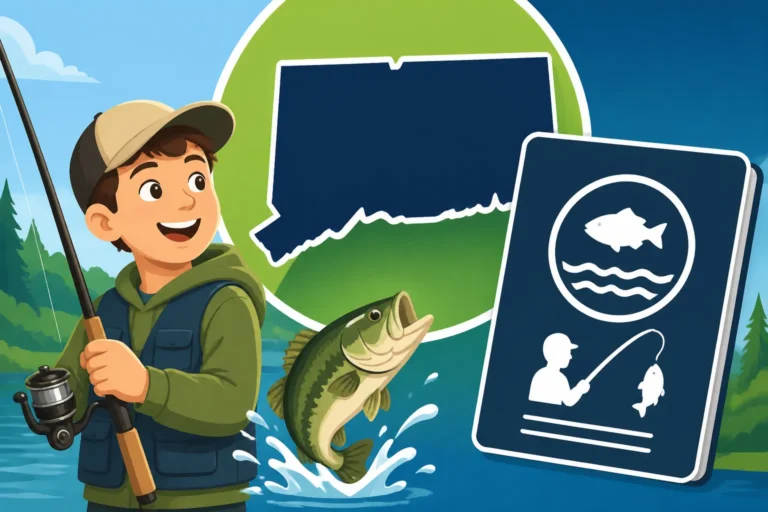
Connecticut's Department of Energy and Environmental Protection (DEEP) often promotes programs aimed at getting kids outdoors. One such initiative that pops up from time to time is the Connecticut Youth Fishing Passport program. While specific details can change, these programs are typically designed for younger anglers, often those who are well below the license age requirement, and provide a fun way to learn about fishing.
The "Passport" might involve challenges, educational materials, or even small incentives to encourage kids to visit different fishing spots or try new techniques. It’s not a substitute for a license when they turn 16, but rather a tool to cultivate interest and knowledge in a structured, engaging way. Keep an eye on the official CT DEEP website for current offerings like the Connecticut Youth Fishing Passport, Explained for your youngsters. These initiatives are fantastic for sparking a lifelong passion for the outdoors and fishing.
Transitioning to an Adult License and Continued Angling
The day a young angler turns 16 is a significant milestone. It’s not just a birthday; it’s their official entry into the world of adult-licensed fishing. This transition needs to be smooth to ensure uninterrupted enjoyment of the sport they’ve grown to love.
Your First "Official" License: Turning 16
When your child is approaching their 16th birthday, it's time to start thinking about their first official Connecticut fishing license. This isn't something you want to delay, as fishing without one once they're 16 can lead to unnecessary fines and penalties. Getting a license is a simple process, thankfully. You can purchase one easily online through the Connecticut DEEP's website, or visit a licensed vendor, such as many local sporting goods stores or town clerks' offices. The process for how to buy a license is clearly laid out in resources like Where and How to Buy a Connecticut Fishing License and specifically, How to Buy a Fishing License Online in Connecticut.
At this stage, they'll need to decide which type of license best suits their fishing ambitions. Connecticut offers various options, including inland fishing licenses for freshwater bodies, marine fishing licenses for saltwater, and even all-waters licenses that cover both. There are also combination hunting and fishing licenses for those who enjoy both pursuits. The costs vary for residents versus non-residents, and by the type of license chosen. For example, a Connecticut resident inland fishing license cost 2026 will differ from a marine license. This is a great time to sit down with your now-16-year-old and discuss their fishing preferences to ensure they get the right coverage for their adventures.
Beyond the Basics: Gear and Resources for New Adult Anglers
Once they have their first adult fishing license, the world of fishing truly opens up. This is also a good time to review their gear. While many young anglers start with a basic spinning combo, as they get older and more serious, they might want to invest in more specialized equipment. This could mean a sturdier rod and reel for targeting bigger striped bass in Long Island Sound, or a fly fishing setup for the trout streams of the Farmington River. A good quality tackle box, perhaps one they picked out themselves from a wide selection on Amazon or at a local tackle shop, can help them organize their growing collection of lures and terminal tackle.
Encourage them to continue exploring and learning. The CT DEEP website is a treasure trove of information, including interactive maps showing trout stocking locations and detailed regulations for specific waters. They can dive deeper into topics like Connecticut Fishing Season Dates and Closures or learn about target species like Striped Bass Fishing in Long Island Sound. Reading the official Reading the Connecticut Fishing Guide thoroughly will empower them to understand the nuances of regulations and make responsible decisions on the water. A good quality waterproof map is also a smart addition to any angler's kit, whether they prefer paper or digital, and can be found easily through retailers like Amazon.
Common Misconceptions and Legal Realities
Navigating fishing regulations can be tricky, and even seasoned anglers sometimes make mistakes. For young people transitioning into needing a license, it's easy to fall into traps of misinformation or oversight. Being proactive and understanding the legal realities will save a lot of headaches later on.
The Importance of Knowing the Rules
One of the biggest misconceptions is that if you're "just fishing for fun" or "not keeping anything," you don't need a license. This is absolutely not true once you hit 16. The act of fishing itself, whether you're releasing every fish or hoping to fill a cooler, requires a license if you're of age. The frustration of complex regulations is real, but ignorance of the law is not an excuse. Imagine the disappointment of getting a ticket during a peaceful day on the water, simply because you forgot your child turned 16 last month and now needs a license!
The penalties for fishing without a license in Connecticut can include fines that quickly outweigh the cost of an annual license. Moreover, repeated offenses can lead to more severe consequences. It's not just about avoiding trouble; it's about being a responsible member of the angling community. A valid license isn't just a piece of paper; it's an investment in the future of fishing. Always ensure your license is current and that you have it on your person, whether a physical copy or a digital one on your phone, as detailed in Printing or Carrying a Digital Fishing License in Connecticut.
Where to Find Official Information and Support
The best source for up-to-date and accurate information regarding Connecticut's fishing license requirements and regulations is always the official Connecticut Department of Energy and Environmental Protection (DEEP) website. They publish the annual Angler's Guide, which is an invaluable resource for every angler. Don't rely solely on word-of-mouth or outdated online forums.
If you have specific questions that aren't clearly answered, don't hesitate to reach out directly to the CT DEEP Fisheries Division. They are there to help anglers understand and comply with the rules. Familiarizing yourself with resources like the Connecticut Fishing License Guide for 2026 will ensure you're always on the right side of the law. Remember, being informed is your best defense against accidental violations and helps support the long-term health of Connecticut's diverse fisheries.
Here's a quick summary table of the age requirements:
| Age Group | Fishing License Required? | Key Details |
|---|---|---|
| Under 16 Years Old | No | Can fish without a license. Must follow all other fishing regulations (limits, seasons, gear). |
| 16 Years Old and Older | Yes | Must purchase and carry a valid CT fishing license (Inland, Marine, or All-Waters). |
| Youth Fishing Passports | No (License) | Supplemental programs, not a substitute for a license. Designed to encourage learning and participation. |
Disclaimer
Please note that fishing regulations, license requirements, and fees are subject to change. Always consult the official Connecticut Department of Energy and Environmental Protection (DEEP) website or the current Connecticut Angler's Guide for the most up-to-date information before heading out to fish. This guide is for informational purposes only and should not be considered a substitute for official legal advice or regulations.