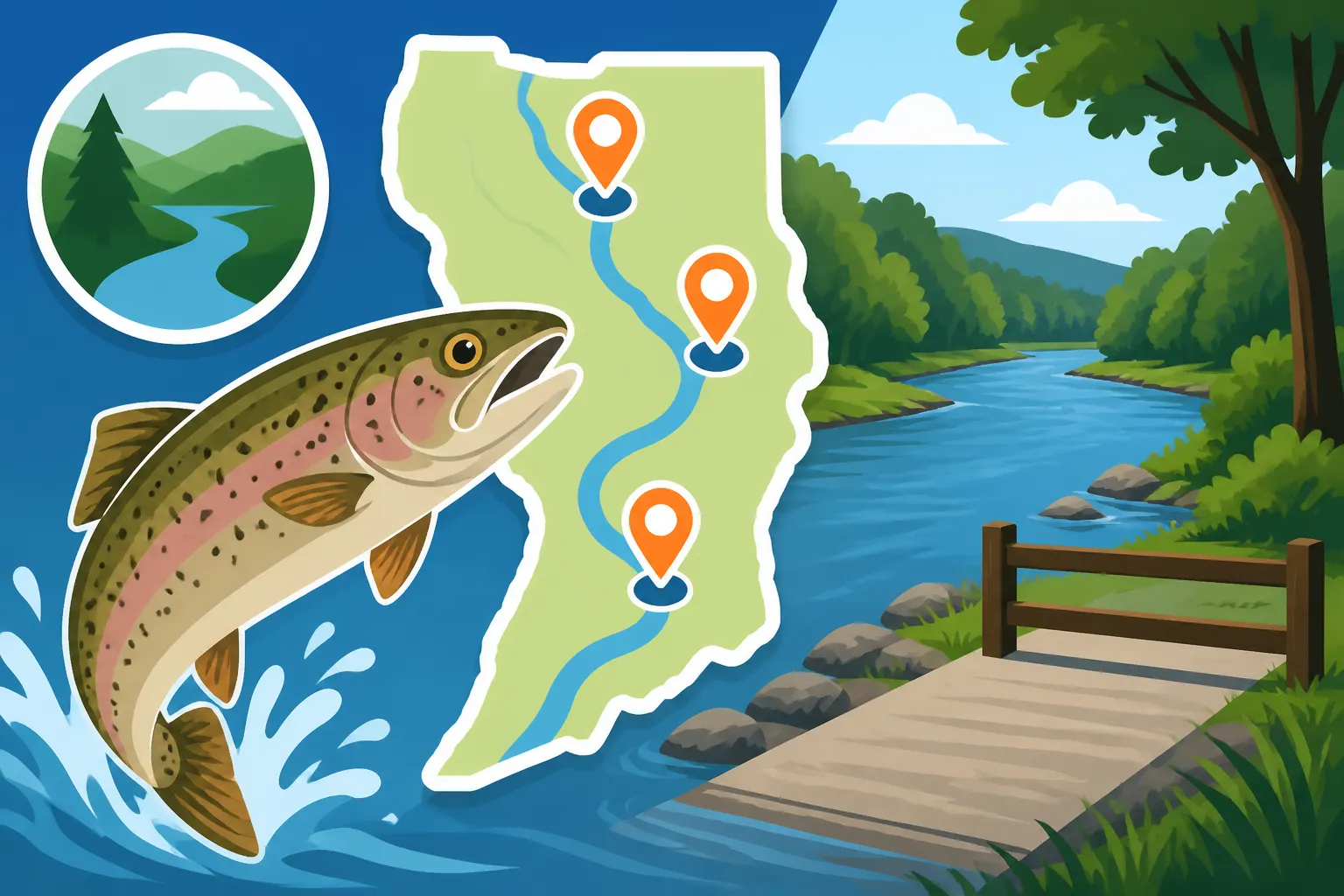
Housatonic River trout management area access points
Trying to figure out exactly where to get onto the Housatonic River for trout fishing, especially within its vast Trout Management Area, can be surprisingly frustrating. Many anglers, even seasoned ones, waste precious fishing time scouting out elusive parking spots or safe, legal entry points. This guide is here to cut through that confusion, walking you through the most reliable and popular access points along the Housatonic River TMA, offering practical advice to help you spend more time casting and less time searching.
Understanding the Housatonic River TMA: What It Is and Why It Matters
The Housatonic River in Connecticut is a true gem for anglers, and a significant portion of its prime trout waters falls within what's known as a Trout Management Area, or TMA. If you're serious about fishing for trout in Connecticut, understanding this designation is absolutely key.
Defining the Trout Management Area TMA and Its Significance
A Trout Management Area (TMA) isn't just any stretch of river; it's a specially designated section of water that the Connecticut Department of Energy and Environmental Protection (DEEP) actively manages for high-quality trout fishing. These areas often come with specific regulations designed to foster a healthy, thriving trout population and enhance the angling experience. The Housatonic TMA is particularly renowned, stretching roughly from the Cornwall Bridge downstream to the confluence with the Still River in New Milford. This substantial section of river, winding through scenic Litchfield County, is celebrated for its robust populations of large brown trout and feisty rainbow trout. While less common, you might even encounter some native brook trout in its cooler tributaries or isolated pockets.
The significance of the Housatonic TMA can't be overstated. It's not just a place where fish are released; it's an ecosystem carefully nurtured to support both stocked and wild trout. The Connecticut DEEP actively stocks this area, particularly with eager-to-bite brown and rainbow trout, making it a fantastic destination for consistent action. Knowing the boundaries and understanding the specific regulations within this TMA is crucial, as they often differ from the general statewide fishing rules you might be accustomed to. For a more comprehensive look at the annual stocking calendar and expected fish populations, you can delve into the details provided in our guide on Connecticut Trout Season and Stocking Rules.
Special Regulations within the Housatonic TMA
Fishing in a TMA means you need to pay extra close attention to the rulebook. The Housatonic TMA, like many others, often has specific regulations that deviate from standard state limits. These are put in place to protect the fishery and ensure its sustainability. For instance, large sections of the Housatonic TMA are designated "Trout Management Areas" with specific harvest restrictions, usually catch-and-release only or strict size and creel limits during certain periods. Beyond that, you might encounter tackle restrictions, such as "fly fishing only" or "artificial lures only" zones. These rules are designed to minimize harm to the fish and encourage more challenging, rewarding angling experiences.
It’s critical to always check the latest regulations before heading out, as they can be updated annually. Our detailed resource, Connecticut Fishing Regulations Explained, offers a thorough breakdown of these rules, helping you avoid any unintentional infractions. Don't forget that regardless of where you're fishing in Connecticut, a valid fishing license is a non-negotiable requirement. Before your trip, make sure to review our Connecticut Fishing License Guide for 2026 to ensure you're fully compliant and ready to hit the water legally.
Key Access Points for Trout Anglers on the Housatonic TMA
Knowing where to fish is only half the battle; knowing how to get there is often the trickiest part. The Housatonic River TMA, while accessible, requires some local knowledge to navigate its various entry points effectively. Here’s a breakdown of some of the most popular and reliable access points along its length.
Northern Sections: Cornwall to West Cornwall
The upper reaches of the Housatonic TMA, particularly around Cornwall, are incredibly popular, offering a mix of powerful currents and classic trout habitat.
Cornwall Bridge (Route 7)
This is often considered a gateway to the Housatonic TMA and a fantastic starting point for many anglers. You'll find parking available near the bridge itself, with additional pull-offs and shoulder parking upstream and downstream along Route 7 (the main road that parallels much of the Housatonic). The water here is generally wider and swifter than in other sections, making it ideal for both wade fishing in appropriate conditions and for launching drift boats or rafts. It's a popular spot, so don't expect solitude, especially on weekends or during peak stocking times. This area provides excellent access for those looking to explore the beautiful upper river, and for more general information on fishing this iconic waterway, consult the Housatonic River Fishing Guide.
West Cornwall Covered Bridge
Just a short distance downstream from Cornwall Bridge, the picturesque West Cornwall Covered Bridge is an iconic landmark and another prime access point. Parking can be a bit tighter here, usually involving designated spots near the bridge or small pull-offs along the access road. Despite the potential for crowds, it's a magnet for both anglers and photographers, and for good reason—the fishing can be excellent. The river below the bridge offers a mix of runs, pockets, and riffles that hold trout. While beautiful, be mindful of the foot traffic and other anglers, especially when wading. For those looking specifically for fly fishing opportunities, this area is a great place to start, and our guide on Where to fly fish the Housatonic River can offer more insights.
River Road Access (Cornwall side)
Parallel to Route 7, River Road on the Cornwall side of the Housatonic offers several less formal, but equally valuable, access points. These typically consist of small pull-offs and informal paths leading down to the river. While they might require a bit more scouting, they can often provide a quieter fishing experience away from the more crowded bridge areas. However, always exercise caution to ensure you are not trespassing on private property. Look for signs or areas that are clearly public or designated for angler access. These spots are fantastic for finding more secluded water where you can really focus on your technique, and if you’re keen on finding the absolute best entry points for fly angling, our resource on Best fly fishing access on the Housatonic River can provide further details.
Mid-Sections: Kent to Bulls Bridge
Moving downstream, the river continues to offer diverse fishing opportunities with varying access points as it winds towards Kent and Gaylordsville.
Kent (Route 7 Pull-offs)
As you drive south from Kent center along Route 7, you'll notice various pull-offs, some officially marked by the CT DEEP, others simply small gravel shoulders. These spots provide sporadic access to the river, often leading to productive stretches of water. It's worth driving slowly and observing the river's character from these points to decide where you want to drop in. The river here can transition between wider flats and more defined runs, offering different challenges and rewards for anglers.
Bulls Bridge (Route 7)
Another popular and easily identifiable access point is Bulls Bridge. Similar to the Cornwall bridges, this area attracts a good number of anglers due to its reputation for holding quality trout. Parking is usually available on both sides of the river, with the New York side offering some additional space. This section of the Housatonic is known for its excellent pocket water and fast-flowing rips, which are prime habitat for trout. It's a fantastic spot for both nymphing and streamer fishing, offering plenty of structure for fish to hide.
Route 7 North of Gaylordsville
Between Kent and Gaylordsville, Route 7 continues to hug the river, offering a scattering of small pull-offs. These aren't always explicitly marked, so watch for areas where it's safe to pull off the road and where public access to the river appears clear. Being observant here can lead to finding less pressured water, but again, always be mindful of private property signs and avoid blocking driveways or impeding traffic. These less formal spots often require a bit more bushwhacking, but the reward can be a more solitary angling experience.
Southern Sections: Gaylordsville to New Milford
The lower stretches of the TMA, nearing New Milford, see the river's character change somewhat, often becoming slower and deeper in places.
Squantz Pond State Park Area
While Squantz Pond itself is a lake renowned for its bass and trout fishing, the Housatonic River flows nearby. Access points in this general vicinity can be a bit less formal or require a little more local knowledge. You might find some paths or easements that lead to the river, but they're not always as clearly delineated as the access points further upstream. This area represents a transition zone for the river as it broadens and deepens, offering different types of holding water for trout. If you're looking for extremely precise, off-the-beaten-path access, especially to less-fished sections, consider using platforms like FishingBooker to find a local guide who can show you the ropes and navigate these nuanced entry points. This is particularly helpful when the public access points are less obvious.
Still River Confluence (New Milford)
The confluence of the Still River with the Housatonic marks the official lower boundary of the Trout Management Area. Access here can be more urban, given its proximity to New Milford. The river in this section tends to be slower and deeper, transitioning from prime trout habitat to more mixed warmwater and coldwater species. While still productive, it might not offer the same classic trout fishing experience as the upper TMA sections. Anglers exploring this area should be aware of the shift in river characteristics and potential for different species.
Here's a quick summary of some key access points:
| Access Point | Location | Parking | Water Type (General) | Notes |
|---|---|---|---|---|
| Cornwall Bridge | Route 7, Cornwall | Moderate | Wider, Swift, Runs | Excellent wading & drift boat access; popular. |
| West Cornwall Covered Bridge | Covered Bridge Rd, West Cornwall | Limited | Runs, Pockets, Riffles | Iconic, crowded, often great fishing. |
| River Road Pull-offs | River Rd, Cornwall (various spots) | Informal (limited) | Varied | Quieter, requires scouting, respect private land. |
| Bulls Bridge | Bulls Bridge Rd, Kent/Gaylordsville | Moderate | Pocket Water, Rips, Fast | Productive, good structure for trout. |
| Route 7 Pull-offs (Kent) | Route 7 between Kent and Gaylordsville | Limited | Varied, Runs, Flats | Unofficial spots; safe parking & public access vital. |
| New Milford (Lower TMA) | Near Still River confluence | Limited, Urban | Slower, Deeper, Mixed | End of TMA; less concentrated trout, more mixed species. |
Navigating Challenges and Maximizing Your Fishing Experience
While the Housatonic River TMA offers incredible fishing, it also presents a few challenges that anglers need to be aware of. Preparing for these can make or break your day on the water.
Parking and Private Property Concerns
One of the biggest headaches for anglers along the Housatonic, especially on busy spring weekends, is finding legal and safe parking. Many of the most desirable fishing spots don't have large, dedicated parking lots, and roadside shoulders can fill up quickly. It's crucial to always park legally and avoid blocking private driveways or access points. You definitely don't want to come back to a parking ticket or, worse, a towed vehicle after a relaxing day of fishing.
Beyond parking, respecting private property boundaries is paramount. While the river itself is generally considered public property below the mean high water mark, access to it from the land side is often private. Always look for clear public access signs or designated angler parking areas. If you're unsure, it's always best to err on the side of caution. Treading lightly and respecting the landowners helps ensure continued access for everyone. Sometimes, gaining access to prime, less-pressured spots requires a bit more navigation. This is where local knowledge truly shines, and booking a guide through a service like FishingBooker can provide invaluable assistance. A good guide knows the ins and outs of public and private access, ensuring you fish legally and respectfully.
Wading Safety and River Conditions
The Housatonic River is a powerful waterway, and its currents can be deceptively strong, especially during high water periods or after significant rainfall. Wading safety should always be your top priority. Invest in a good pair of wading boots with felt soles or, even better, studded soles for maximum grip on slippery river rocks. A wading staff is not just for beginners; it's an essential piece of equipment for experienced anglers too, providing stability and helping you probe the riverbed for hazards.
Before you even leave home, check current flow rates and water levels using resources like the USGS stream gauges. High water can make otherwise safe crossings treacherous and significantly reduce visibility in the water. Conversely, extremely low water can expose sensitive trout habitat, making fish more wary. Remember, the Connecticut Cold Water Life Jacket Rule (October to May) isn't just for boaters; waders should consider wearing a PFD in cold, swift water conditions as well, as a fall can quickly become life-threatening. Be aware of the river's character and your own wading abilities, and never take unnecessary risks.
Seasonal Considerations for Access
The Housatonic River changes dramatically with the seasons, impacting both fishing conditions and access.
- Spring: This is peak season, especially immediately following trout stocking. Water levels are often higher due to spring runoff, and currents can be strong. Access points will be crowded, and parking can be a real challenge.
- Summer: Flows tend to drop, and water temperatures rise. While still fishable, anglers must be mindful of the stress heat puts on trout. During prolonged hot spells, it's often best to fish early mornings or late evenings, or even consider letting the fish rest. Our guide on When Connecticut trout streams get too warm to fish offers crucial insights into protecting the fishery during these warmer months.
- Fall: Many anglers consider fall the best time to fish the Housatonic. Water levels stabilize, temperatures cool, and the scenery is breathtaking. The crowds thin out, and trout become more active as they prepare for winter.
- Winter: Access can be severely limited by snow and ice, making many riverbank paths treacherous or impassable. However, for the hardy angler, winter can offer a unique and solitary experience, often rewarding with larger, less pressured fish in specific deep holes.
Essential Tips for a Successful Housatonic TMA Fishing Trip
You’ve got your access sorted, you understand the regulations, and you're ready for some action. Now, let’s talk about maximizing your chances for a successful and enjoyable trip on the Housatonic TMA.
Gear and Techniques for the Housatonic
To effectively target trout in the Housatonic, having the right gear is crucial. For fly anglers, a 5- or 6-weight fly rod is generally ideal, offering enough backbone to handle larger trout and cast heavier nymph or streamer rigs, yet sensitive enough for delicate presentations. Pair this with a floating line and a tapered leader. Tippet size will vary based on water clarity and fly size, but generally, 3X to 5X is a good starting point.
When it comes to flies, diversity is key.
- Nymphs are often the most productive, mimicking the river's abundant aquatic insect life. Think Stonefly imitations (Pat's Rubber Legs, Kaufmann's Stone), Caddis larva and pupa (Prince Nymph, Green Rock Worm), and Mayfly nymphs (Pheasant Tail, Hare's Ear).
- Streamers are excellent for targeting larger, predatory brown trout. Woolly Buggers (black, olive, brown), Sculpins, and various baitfish patterns can be highly effective when stripped through deeper runs and pockets.
- Dry Flies become essential during hatches, which can occur throughout the year. Be prepared with imitations of Caddis, Mayflies, and Midges. For a deeper dive into what bugs are hatching and what patterns to use, our guide on Fly Patterns for Connecticut Trout Streams is an invaluable resource.
For spin fishermen, ensure you're using artificial lures where required by TMA regulations. Small inline spinners (Mepps, Panther Martin), soft plastics (grubs, small swimbaits on jig heads), and small spoons can be highly effective. Ultra-light or light spinning gear with 4-6 lb test fluorocarbon or monofilament line is generally appropriate.
Respecting the Resource and Fellow Anglers
The Housatonic TMA is a cherished natural resource, and it’s up to all of us to treat it with respect. If you’re practicing catch and release, handle fish gently with wet hands, minimize their time out of water, and ensure they are fully revived before release. Even if you plan to keep fish (where permitted by regulations), using proper release techniques for any fish you choose to let go helps ensure the health of the population. While focused on a different species, the general principles in Striped bass catch and release survival tips are widely applicable to safely releasing any fish.
Beyond fish handling, always adhere to "leave no trace" principles. Pack out everything you pack in, including any discarded fishing line or packaging. Respect other anglers by giving them ample space. Nothing ruins a peaceful fishing experience faster than someone crowding your spot. Many sections of the Housatonic are designated as Connecticut Catch and Release Fly Fishing Only Waters or similar, emphasizing the conservation aspect of this special fishery. Understanding and adhering to these rules helps preserve this incredible angling opportunity for generations to come.
Planning Your Trip and Finding More Information
Thorough planning can significantly enhance your Housatonic TMA experience. Start by checking the official CT DEEP website for the most up-to-date regulations, stocking reports, and any advisories. Local fly shops in towns like Cornwall or Kent are also goldmines of information; their staff can provide real-time conditions, recommend specific flies, and offer advice on where the fish are biting.
If you're new to the river, or just want to explore less-fished sections without the hassle of scouting, consider hiring a local guide. Guides not only know the best fishing spots and techniques but also have intimate knowledge of access points, parking nuances, and current river conditions. They can be found through online platforms like FishingBooker, which connects you with experienced captains and guides who can lead you to the most productive stretches of the Housatonic and ensure a safe, memorable trip. Don't forget, having your Printing or Carrying a Digital Fishing License in Connecticut easily accessible is a must for any fishing trip in the state.
Disclaimer
The information provided in this guide is for general informational purposes only and is subject to change. Always consult the most current regulations from the Connecticut Department of Energy and Environmental Protection (CT DEEP) before fishing. Fishing conditions, access points, and rules can vary, and it is the angler's responsibility to ensure compliance.