Scup (Porgy) in Connecticut Waters
Have you ever been out fishing for striped bass or bluefish in Long Island Sound, only to have your bait consistently picked clean by what feels like a million tiny nibbles? Or maybe you've reeled in fish after fish that, while not massive, put up a surprisingly feisty fight? Chances are, you've encountered scup, affectionately known as porgy, and if you haven't given them the respect they deserve, you're missing out. This guide will dive deep into everything you need to know about targeting and appreciating scup in Connecticut waters, from identifying these abundant bottom dwellers to understanding the best techniques to catch them and, yes, even how delicious they are on the dinner plate.
What Exactly Are Scup (Porgy)? Getting to Know These Bottom Dwellers
Scup, Stenotomus chrysops, are often underestimated, but they're a vital part of Connecticut's marine ecosystem and a fantastic sport fish in their own right. They're found in abundance throughout Long Island Sound and can provide non-stop action for anglers of all skill levels. Far from being just "bait stealers," scup offer a unique challenge and a rewarding catch.
Identification & Key Characteristics of Scup
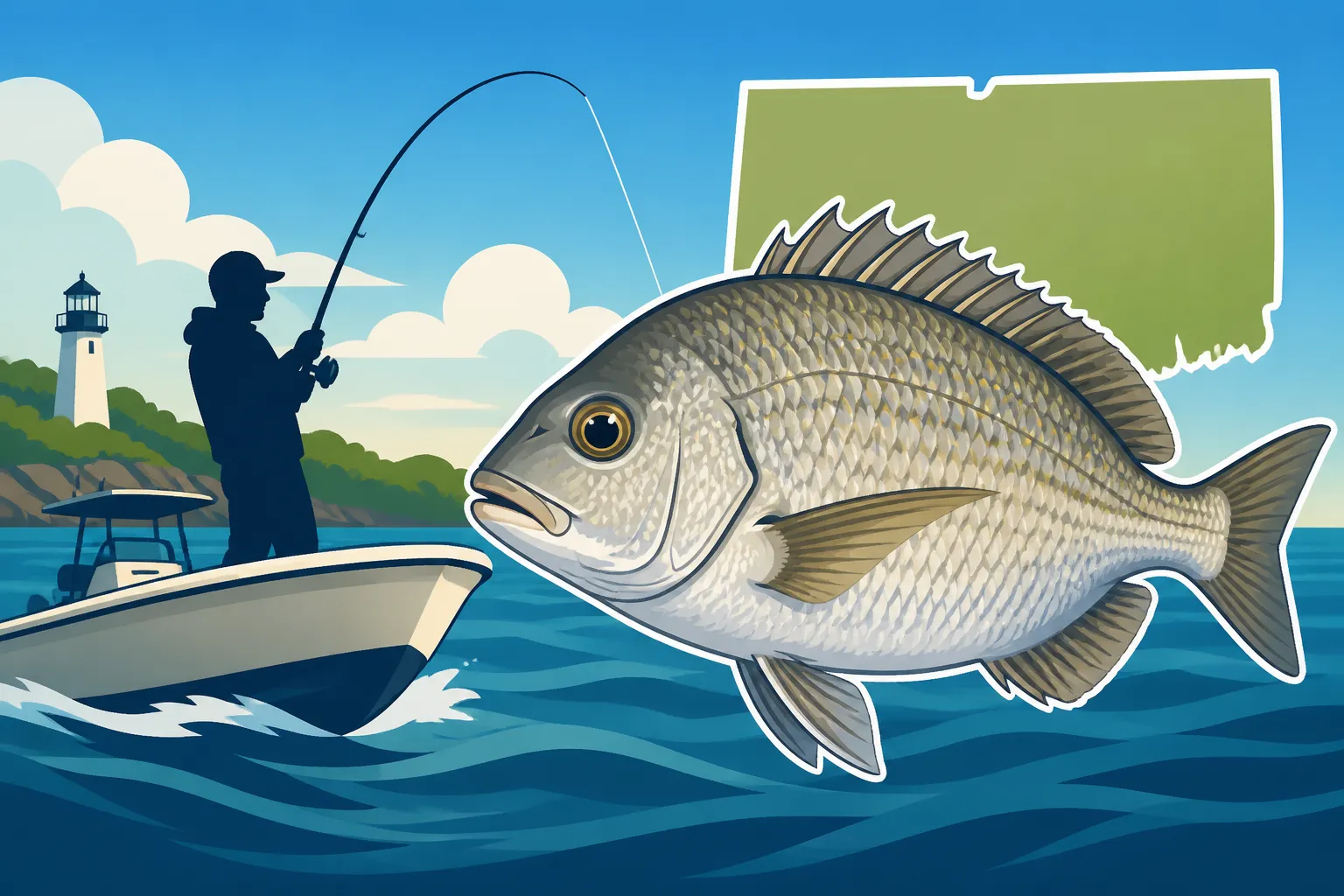
When you pull a scup out of the water, you'll immediately notice its distinctive features. They typically have a silvery, somewhat flattened body, often with a subtle iridescence that can shimmer with hints of gold or pink in the sunlight. Their eyes are quite large, positioned high on their head, which is pretty common for a species that spends a lot of time rooting around the bottom for food. Perhaps their most notable feature is their mouth – it's relatively small with incisor-like teeth, perfectly adapted for nibbling on shellfish and crustaceans.
One thing that might surprise you is the strength of their dorsal fin. It’s spiny and can deliver a sharp prick if you’re not careful when handling them. Many anglers refer to them as "porgies," a name derived from the Native American term "paugy," meaning "fertilizer," as they were historically used to enrich fields. While not as flashy as a striped bass or as acrobatic as a bluefish, the scup’s stout body and powerful tail make it a surprisingly strong fighter on light tackle, especially when they school up and you're pulling them in one after another. They average around 10-14 inches in Connecticut, but larger "hubcap" scup can reach impressive sizes over 18 inches, pushing close to state record weights.
Life Cycle and Behavior of Connecticut Scup
Scup are truly social creatures, preferring to live in large, dense schools. This schooling behavior is a big part of why they can provide such consistent action – once you find one, you're likely to find many! They are primarily bottom feeders, spending their days foraging over hard, structured bottoms. Think rocky reefs, mussel beds, shell piles, and even shipwrecks. Their diet is diverse but generally consists of small invertebrates: crustaceans like crabs and shrimp, worms, and juvenile mollusks. Their small, sharp teeth are perfectly designed for crushing shells and picking apart their prey.
They're quite active feeders, especially during tidal changes when the currents stir up food from the bottom. This means that if you're fishing a rising or falling tide, you're often hitting the peak feeding windows for these hungry fish. Understanding this behavior is key to successfully targeting them, as they aren't going to chase down fast-moving lures in open water like some of the pelagic species. They are more ambush predators, waiting for food to drift by or actively rooting it out of the substrate.
Where to Find Scup in Connecticut Waters: Habitats and Seasons
Finding scup in Connecticut isn't usually the biggest challenge once you know where to look and when they're around. Long Island Sound is their primary stomping ground, offering a perfect mix of habitat and food sources. They are truly abundant and accessible, whether you’re fishing from a boat, kayak, or even shore.
Preferred Habitats and Structure
Scup are creatures of structure. They love rocky bottoms, mussel beds, and any kind of underwater topography that offers both cover and a rich food source. Think about those areas in Long Island Sound with noticeable depth changes, old oyster beds, or artificial reefs. Jetties, breakwalls, and bridge pilings are also prime locations, especially where there's a good current flow. These structures not only provide hiding spots from predators but also act as natural collection points for the small invertebrates that make up the bulk of their diet.
If you’re out on a boat, keep an eye on your fish finder for humps, bumps, and rocky outcrops. Anchoring up-current from these features and letting your bait drift into them is often a successful strategy. From shore, look for jetties, piers, and rocky points that extend into deeper water. The key is to get your bait down to the bottom, right where they're feeding. Places like the rocky shores and deeper channels along the eastern and central parts of Long Island Sound Fishing Guide are well-known hot spots. Even some of the deeper saltwater estuaries can hold good numbers of scup during certain times of the year.
Seasonal Movements and Timing for Scup
Scup are migratory, moving into Long Island Sound as the water temperatures rise in late spring and early summer. You'll typically start to see them show up in good numbers around May or early June, with fishing often peaking in July, August, and September. As the water cools in late fall, they begin their migration offshore to deeper, warmer waters for the winter. This means you have a solid window of several months to enjoy their action.
The best time to target them within this season is often during a strong tide, whether incoming or outgoing. The moving water brings fresh food and makes them more active. Early mornings and late afternoons can be particularly productive, though scup will bite throughout the day if they’re present and feeding. If you're wondering about the overall best time to plan your fishing adventures in Connecticut, our guide on Best Time of Year to Fish in Connecticut offers a broader perspective, but for scup specifically, those warm summer and early fall months are prime. You don't need to be out at the crack of dawn, but being on the water when the tides are moving definitely increases your chances.
Mastering Techniques and Tackle for Connecticut Scup
Catching scup isn't complicated, but having the right approach and gear can make a huge difference in your success and enjoyment. They're not particularly shy, but their small mouths and preference for specific baits mean a little preparation goes a long way.
Essential Bottom Fishing Rigs and Baits
For scup, bottom fishing is almost always the name of the game. A simple hi-lo rig (also known as a two-hook bottom rig) is incredibly effective. This rig typically has a sinker at the bottom, with two short leaders (snells) extending out, each with a hook. This allows you to fish two baits at different heights off the bottom, increasing your chances of finding where the fish are feeding. For hooks, go with small but strong J-hooks or circle hooks, typically sizes #1 to #4, depending on the size of the scup you expect to encounter. Scup have small mouths, so a big hook will result in a lot of missed bites.
When it comes to bait, scup aren't too picky, but some options are definitely better than others.
- Clams: Fresh clam (surf clam or cherrystone) is perhaps the king of scup baits. Cut into small, bite-sized pieces, it's incredibly attractive to them.
- Squid: Strips of fresh or frozen squid are also excellent. They are tough, stay on the hook well, and scup love them. You can find pre-cut squid or buy whole squid and cut it into small strips yourself.
- Sandworms/Bloodworms: These are irresistible to many bottom fish, including scup. Thread them onto your hook in small pieces.
- Cut Fish: Small pieces of mackerel or bunker can also work, especially if you want something that lasts longer on the hook.
You'll need enough weight to hold your bait on the bottom against the current. Depending on the depth and current strength, a 1-4 ounce sinker is usually sufficient. You can find a wide variety of sinkers, hooks, and pre-tied hi-lo rigs easily on Amazon, making it convenient to stock up before your trip.
Selecting the Right Rod, Reel, and Line
You don't need heavy, specialized gear to catch scup; in fact, lighter tackle makes the fight much more enjoyable. A light to medium-light spinning rod, around 6 to 7 feet in length, with a sensitive tip is ideal. The sensitive tip helps you detect those subtle "porgy pecks" before they fully commit to the bait. Pair this with a small to medium-sized spinning reel (something in the 2000-3000 series range) spooled with 8-15 pound test monofilament or braided line. Braided line offers superior sensitivity, allowing you to feel even the lightest bites, which can be a huge advantage when fishing for scup.
If you opt for braided line, remember to use a monofilament or fluorocarbon leader of about 12-24 inches to the hook. This leader material is more abrasion-resistant, which is crucial when fishing around rocky structure, and it's less visible to the fish. Many anglers find great deals on combo rod and reel setups on Amazon that are perfect for this type of light bottom fishing. The key is balance – you want a setup that's robust enough to handle the fight, but light enough so you can feel every head shake and run.
Shore and Kayak Strategies for Scup
Scup are one of the most accessible saltwater species in Connecticut, and you don't necessarily need a big boat to get in on the action. Shore fishing can be incredibly productive, especially from piers, jetties, and rocky outcrops that extend into deeper water with good current flow. Look for spots where you can cast out and reach structural elements like rock piles or mussel beds. Public access points listed in guides like Best Shore Fishing Spots in Connecticut often provide excellent opportunities for scup. Just be mindful of other anglers and local regulations.
Kayak fishing for scup is also a fantastic option. Kayaks allow you to reach areas that might be inaccessible from shore but don't require a large boat. You can easily paddle out to nearshore reefs, rock piles, or channel edges where scup congregate. A small anchor will help you stay put over productive areas. Kayak anglers can often drop baits directly over structure with great precision. Our guide to Best Kayak Fishing Spots in Connecticut might give you some ideas for launch points and general areas that are well-suited for targeting these abundant fish. Remember to always prioritize safety when kayaking in saltwater, especially in areas with boat traffic or strong currents.
Understanding Connecticut Scup Regulations: Staying Legal
As with any fishery in Connecticut, understanding and adhering to the regulations for scup is absolutely essential. These rules are put in place by the Connecticut Department of Energy and Environmental Protection (DEEP) to ensure the health and sustainability of the scup population for years to come. Regulations can change, so it’s always important to check the most current guidelines, but I can give you a general overview of what to expect.
Navigating Minimum Size and Daily Limits
For scup, there are typically two main components to the regulations you need to be aware of: the minimum length limit and the daily creel (possession) limit. The minimum length limit means that any scup you catch below a certain size must be immediately released unharmed. This allows younger fish to grow and mature, contributing to the spawning population. The daily creel limit dictates how many scup you are legally allowed to keep in a single day. These numbers are carefully determined by fisheries biologists to maintain a healthy stock.
For example, you might see regulations that specify a minimum size of, say, 10 or 10.5 inches, with a daily bag limit of 30 fish. However, these numbers are subject to change based on stock assessments and management plans. It’s not uncommon for recreational and commercial limits to differ, and sometimes there are different limits for certain areas or seasons. Always, always consult the official Connecticut DEEP fishing guide before you head out. Our Connecticut Fishing Regulations Explained article covers the broader regulatory landscape, but for species-specific details, the DEEP's direct resources are your best friend.
Scup Open Seasons and Exceptions
Scup fishing in Connecticut generally has a long open season, typically running from spring through late fall, aligning with their migratory presence in Long Island Sound. This long season is one of the reasons they are such a popular target – you can pretty much count on consistent action for much of the warmer months. There usually aren't specific closures within this period, but it's always worth confirming.
However, sometimes there can be slight variations or specific regulations for certain areas or for different types of fishing (e.g., recreational vs. party/charter boat limits). For instance, a party boat might have a different daily limit per person than an individual angler. These kinds of nuances are why a quick check of the current year's fishing guide is never a bad idea. Remember that you will also need a valid Connecticut fishing license to fish for scup, as they are a marine species. Information on obtaining your license can be found in resources like How Much Does a Connecticut Fishing License Cost or Connecticut Fishing License Guide for 2026. Don’t let a simple oversight turn a fun day of fishing into a legal headache!
Here’s a simplified example of how scup regulations might look (remember to always check current DEEP guidelines):
| Regulation Type | Example Guideline (Check Current DEEP Info!) | Why It Matters |
|---|---|---|
| Minimum Size | 10.5 inches (Total Length) | Allows fish to reach maturity and spawn, supporting future populations. |
| Daily Creel Limit | 30 fish per person | Prevents overharvesting and ensures a sustainable fishery for all anglers. |
| Open Season | May 15 – December 31 (Generally coincides with their presence in LI Sound) | Ensures fishing occurs when scup are abundant and avoids impacting critical life stages. |
Disclaimer: The information in this table is illustrative. Always refer to the most current Connecticut DEEP fishing regulations for accurate and up-to-date details.
Scup on the Plate: A Delicious Table Fare
For all their fighting spirit, perhaps the most underrated aspect of scup is how incredibly delicious they are. Many anglers new to targeting scup might write them off as a "trash fish" or only good for bait, but seasoned saltwater fishermen know better. Scup are excellent eating, offering a light, flaky, and mild-flavored white meat that is versatile in the kitchen.
Preparing Your Catch: Cleaning and Filleting Tips
Cleaning scup is straightforward, though their scales can be a bit tenacious! A good fish scaler or the back of a knife will make quick work of them. Some anglers prefer to simply skin them, which can be faster. When filleting, you'll find they have a relatively small amount of bones, and the meat comes off the backbone easily. Due to their thinner body profile, the fillets won't be massive, but they'll be perfectly sized for individual portions.
One tip: the fresher the fish, the better the taste. Get them on ice quickly after catching and clean them as soon as possible once you're off the water. If you’re not planning to eat them immediately, vacuum sealing and freezing the fillets will preserve their quality for longer. A sharp fillet knife (you can find excellent ones on Amazon) makes the job much easier and safer. Don't be intimidated by their appearance; a little practice and you'll be cleaning scup like a pro.
Culinary Uses and Flavor Profile of Scup
The beauty of scup lies in its versatility and delicate flavor. The meat is white, firm, and flaky, with a mild, sweet taste that is never "fishy." This makes it appealing even to those who aren't usually big fans of seafood.
Here are a few popular ways to enjoy scup:
- Pan-Fried: This is a classic for a reason. Lightly dredge the fillets in seasoned flour or cornmeal and pan-fry them in butter or oil until golden brown and flaky. Serve with a squeeze of lemon.
- Baked/Broiled: Whole scup, gutted and scaled, can be baked or broiled with herbs, lemon slices, and a little olive oil. The bones add flavor and moisture during cooking, and the meat easily flakes off once cooked.
- Grilled: Similar to baking, grilling whole scup (or larger fillets) over medium heat gives them a wonderful smoky flavor. Just make sure the grates are clean and oiled to prevent sticking.
- Fish Tacos: Flaked, cooked scup makes fantastic fish taco filling. It absorbs flavors well without being overpowered.
Given its mild flavor, scup pairs wonderfully with fresh herbs like parsley, dill, or cilantro, and bright citrus like lemon or lime. It’s a healthy, lean protein source that’s a joy to cook and eat, proving that the best fish don’t always have to be the biggest or flashiest catch.
The Future of Scup: Conservation and Management Efforts
As an abundant and popular species, the ongoing health of the scup fishery is incredibly important for both recreational anglers and the marine ecosystem of Long Island Sound. Sustainable practices and careful management ensure that future generations can continue to enjoy fishing for these feisty bottom dwellers.
Importance of Sustainable Fishing Practices
Every angler plays a role in sustaining the scup population. Adhering strictly to the minimum size and daily creel limits is the most fundamental step. These rules are in place for a reason – to allow enough fish to grow to maturity and reproduce, ensuring a healthy stock. Beyond just following the rules, practicing responsible catch and release for fish you don't intend to keep is also crucial. This means minimizing handling time, using appropriate dehooking tools, and releasing fish gently back into the water.
Avoiding overfishing in specific, easily accessible areas is also important. While scup are abundant, concentrating too much pressure on one spot can impact local populations. Spreading out your efforts and exploring new fishing grounds can help distribute the impact. Remember, the ocean isn't an endless resource, and our actions as anglers directly affect its health. Understanding the life cycle of fish species, like what we discussed about scup earlier, helps us make more informed decisions when we're out on the water.
Connecticut DEEP's Role in Scup Management
The Connecticut Department of Energy and Environmental Protection (DEEP) plays a critical role in managing the scup fishery within state waters, working in coordination with regional bodies like the Atlantic States Marine Fisheries Commission (ASMFC). They conduct stock assessments, monitor fishing pressure, and implement regulations based on scientific data to ensure the long-term health of the species. These regulations, which we touched upon earlier, are not arbitrary; they are the result of extensive research and collaboration.
DEEP's efforts involve collecting data from recreational and commercial landings, conducting surveys, and monitoring environmental conditions that affect fish populations. They also educate the public on responsible fishing practices and the importance of conservation. By staying informed through resources like the official Reading the Connecticut Fishing Guide and complying with all rules, anglers directly support these vital conservation efforts. It's a collective responsibility, and by understanding the "why" behind the rules, we can all become better stewards of Connecticut's incredible marine resources.
Disclaimer
This article is for general informational purposes only and does not constitute professional advice. Laws, prices and regulations vary by location and change over time. Consult a qualified professional for guidance on your specific situation.