Average size of stocked trout in Connecticut
There's nothing quite like the excitement of hitting your favorite stream or pond in Connecticut, especially after a fresh trout stocking. You arrive, full of anticipation, picturing a beautiful, feisty fish bending your rod. But let's be honest, sometimes you pull in a little "stockie" that's barely bigger than your hand, and other times, you land a true beauty that puts a real bend in the rod. It leaves you wondering, what's the average size of stocked trout in Connecticut, really? This guide will dive deep into what you can genuinely expect when it comes to the size of those eagerly awaited stocked trout across our diverse waters.
The Typical Size Range of Stocked Trout in Connecticut
When the Connecticut Department of Energy and Environmental Protection (DEEP) talks about stocking trout, they're generally aiming to provide a "catchable" fishery for anglers. This means they want to release fish that are large enough to be a rewarding catch, but also small enough to be efficiently raised in their hatcheries. It's a balance, and it impacts the average size you'll encounter.
"Catchable" Sized Trout: The Everyday Angler's Reality
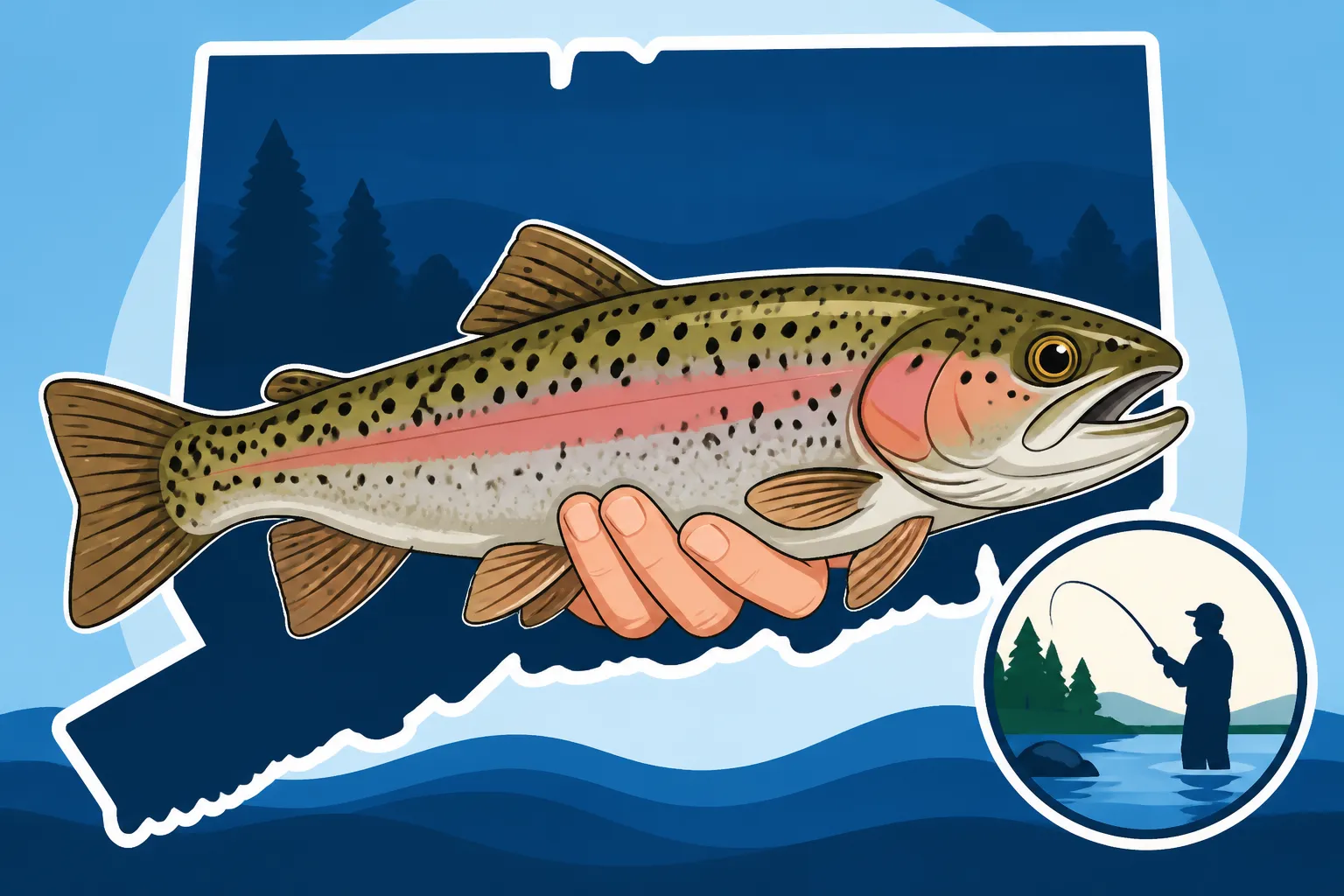
For the vast majority of stockings in Connecticut, particularly in the spring and fall, the trout you'll encounter will fall into a predictable size range. These are the workhorses of the stocking program, designed to provide immediate angling opportunities. We're generally talking about fish that are anywhere from 9 to 12 inches in length.
Think of them like this: when you grab a standard rule or tape measure, these fish will comfortably stretch across that 9 to 12-inch mark. In terms of weight, a 10-inch trout might weigh around a half-pound, sometimes a little more, depending on its girth and condition. These are solid, healthy fish, perfect for a frying pan if you choose to keep them, and they offer a respectable fight on light tackle. They're robust enough to survive the initial shock of stocking and provide a good experience for anglers of all skill levels. They're often raised efficiently at the state's hatcheries, like the Burlington State Fish Hatchery, which does a phenomenal job supplying our waters.
Broodstock and Trophy Trout: The Exciting Exceptions
Now, while the 9-12 inch range is the average, the DEEP also does a fantastic job of adding a bit of spice to the mix. They stock larger fish, often referred to as "broodstock" or "trophy trout," to provide that extra thrill. These are often older, larger fish that have been used for breeding purposes at the hatcheries. Instead of being culled, they're released into specific waters to give anglers a shot at a truly memorable catch.
These larger fish can range anywhere from 15 inches all the way up to 20 inches or even more. Imagine hooking into a 17-inch rainbow trout that's pushing 2 pounds – now that's a fight! Broodstock brown trout can be even larger, sometimes approaching 4-5 pounds. While they don't make up the bulk of any stocking, they are strategically placed in popular trout streams and lakes to create a diverse fishery. Knowing which waters receive these larger fish can significantly increase your chances of tangling with a real lunker. Sometimes, these larger fish are stocked in specific "Trophy Trout Streams" or "Trout Management Areas," which you can find details about in resources like the Connecticut Trout Management Area Regulations or Connecticut Farmington River Trophy Trout Stream Rules. It's always worth checking the stocking reports for these exciting additions!
Fingerlings and Smaller Stockers: Investing in Future Growth
It's also important to remember that not all stocked trout are "dinner plate" ready. The DEEP also releases smaller fish, often called fingerlings, into certain waters. These are typically much smaller, perhaps only 3 to 6 inches long, and are stocked with the intention that they will grow significantly in their new environment before they're large enough to be harvested.
These stockings are less about immediate gratification and more about enhancing the long-term health and sustainability of a fishery. For example, some remote streams or wild trout waters might receive fingerlings of native brook trout, allowing them to acclimate and grow naturally. While you might occasionally hook one of these smaller fish, they aren't the primary focus of the "catchable" trout program. Their size means they are less likely to be kept and have a better chance to grow into substantial fish over time. They are crucial for maintaining healthy ecosystems and encouraging natural reproduction where conditions allow.
Factors Influencing Stocked Trout Size
Understanding the average size is one thing, but knowing why trout come in those sizes and how various factors influence it can make you a more informed angler. It's not just a random draw; there's a science behind it all.
Hatchery Operations and Growth: The Home Grown Difference
The biggest influence on the initial size of a stocked trout is the hatchery where it was raised. Connecticut's state hatcheries, primarily the Burlington and Kensington hatcheries, are highly efficient operations. They control everything from water temperature and quality to feed schedules and population density.
- Diet and Nutrition: Trout in hatcheries receive a high-protein, nutrient-rich diet designed for rapid growth. This isn't just any old fish food; it's a carefully formulated pellet that ensures they reach that "catchable" size efficiently. The goal is to get them to a robust size for stocking while minimizing the cost and time involved.
- Space and Flow: While hatcheries are designed for efficiency, the amount of space and water flow can also influence growth rates. Fish in less crowded raceways or ponds generally grow faster and healthier.
- Genetics: Hatchery programs also involve selective breeding, sometimes aiming for strains of trout that exhibit faster growth rates or better disease resistance. This also contributes to the consistent size of the stocked fish.
It's a testament to the hard work of the DEEP staff that they consistently produce such healthy, robust trout year after year.
Species-Specific Growth Rates: Not All Trout Are Created Equal
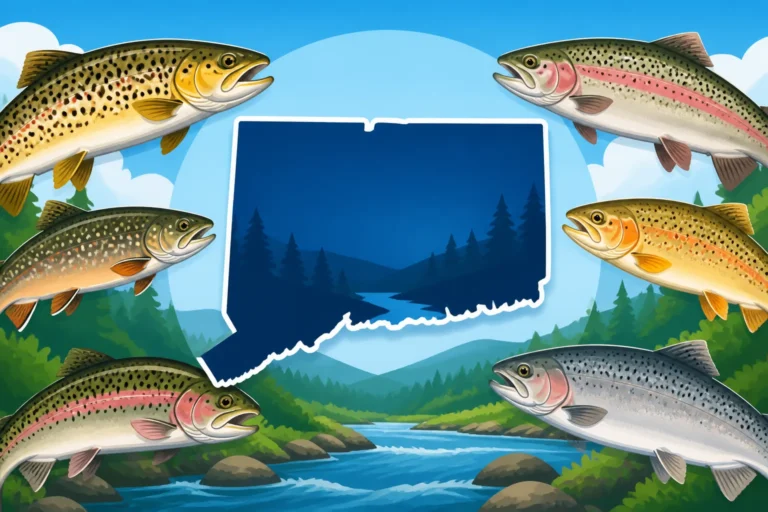
While they're all "trout," rainbow, brown, and brook trout have different natural growth rates and sizes, even under hatchery conditions.
- Rainbow Trout: These are perhaps the most common stocked trout and often grow quite rapidly in a hatchery setting. They tend to be lively fighters and readily take a variety of baits and lures. You'll find a good mix of average-sized and some larger broodstock rainbows. Rainbow Trout Stocking in Connecticut often focuses on these hearty fish.
- Brown Trout: Brown trout are known for their hardiness and can often grow to impressive sizes, especially in good conditions. While hatchery browns will also be stocked at "catchable" sizes, the larger broodstock tend to be brown trout, as they live longer and get bigger. They are also known for being a bit more elusive, especially the older, wilder ones. For more about their natural tendencies, check out Brown Trout Habits in Connecticut Streams.
- Brook Trout: Connecticut's only native trout species, brook trout, generally do not grow as large as rainbows or browns. Even in hatchery settings, a "catchable" brook trout might be on the smaller end of the 9-12 inch range. They are beautiful fish with distinctive markings, and their smaller size doesn't diminish the joy of catching one, especially if you're exploring some of Connecticut's wilder, colder streams where they thrive naturally.
Time of Year and Stocking Cycles: Seasonal Variations
The time of year and the specific stocking cycle can also play a role in the size of the trout you'll encounter.
- Spring Stockings: These are typically the largest and most frequent stockings, designed to kick off the main trout fishing season. The fish released in spring have often been growing in hatcheries over the winter and are at peak "catchable" size. You'll see a lot of those 9-12 inchers, with those exciting broodstock mixed in. Connecticut's Connecticut Spring Fishing Day and Opening Day Rules are a prime example of when these fish become available.
- Fall Stockings: While less extensive than spring, fall stockings are also significant, especially for waters that can sustain trout through the colder months. These fish may have had a bit more time to grow since their initial spring stocking cycle, or they might be from a later batch, but they generally fall within that same reliable 9-12 inch range, sometimes with slightly more heft as they've had more time to mature.
- Winter and Early Spring: Some waters, particularly those designated as "Trout Management Areas" or "Trout Parks," receive additional stockings outside the main seasons. These fish are usually of similar "catchable" size, ensuring year-round opportunities for anglers. It's always a good idea to consult the Connecticut Fishing Season Dates and Closures to understand when different waters are stocked and open.
What to Expect When You Hook a Stocked Trout
So, you've geared up, you've found a promising spot, and you've cast your line. What's it going to feel like when that bobber dips or that line goes tight? The reality of hooking a stocked trout is often a wonderful surprise, even if you know the average size.
The "Average" Experience: A Reliable and Fun Fight
Most of the time, when you hook one of those 9-12 inch stocked trout, you're in for a fun, energetic fight on light to medium-light tackle. They're strong, vibrant fish, often with plenty of fight left in them after their journey from the hatchery to the stream.
You'll feel that satisfying tug, often followed by some head shakes and short runs. They might jump, especially rainbow trout, adding to the excitement. For kids, beginners, or even seasoned anglers just looking for a relaxing day, these "average" trout provide consistent action and a great way to enjoy the outdoors. Whether you're using worms, powerbait, or small spinners, these fish are usually eager to bite. It's a reliable and rewarding experience that keeps anglers coming back year after year. Just make sure you're aware of the Connecticut Trout Limit and Possession Rules if you plan to keep any for dinner.
The Thrill of the Unexpected: Landing a Lunker
Then there are those moments. The line goes screaming, the rod bends double, and you know, just know, this isn't your average stocker. This is where those broodstock and trophy trout come into play. Landing one of these larger fish is an experience you won't soon forget.
These bigger trout don't just put up a fight; they put up a battle. They'll make long, powerful runs, try to burrow into snags, and use every ounce of their weight and strength to break free. It's an adrenaline rush that reminds you why you love fishing. These are the fish that make for fantastic photos and stories, and they're always a welcome surprise. While you might not catch one every trip, the possibility of it happening is a huge part of the allure of stocked trout fishing in Connecticut. You'll find these bigger fish often hold in deeper pools or near substantial cover, so targeting those areas can pay off.
Post-Stocking Growth: How Trout Adapt and Thrive
It's a common misconception that stocked trout never grow once they're released. While many are caught fairly quickly after stocking, a significant number survive, adapt to their new environment, and continue to grow. This is especially true in waters with ample food sources, good water quality, and cooler temperatures.
Once they're free from the competitive environment of the hatchery and have access to natural forage like insects, minnows, and crustaceans, these trout can pack on pounds and inches. A 10-inch stocked trout released in the spring might easily be 12-14 inches by the fall, or even larger the following season. These "holdover" trout, as they're often called, tend to develop a wilder, more vibrant coloration and a stronger fighting spirit. They are a true bonus for anglers who target waters known for holding trout year-round. Some trout can even grow to impressive sizes, contributing to Connecticut State Fish Records by Species in some cases.
Maximizing Your Chances for Bigger Stocked Trout
While much of trout fishing is about being in the right place at the right time, there are definitely strategies you can employ to increase your odds of catching those larger, more desirable stocked trout.
Researching Stocking Reports: Your Angler's Almanac
The absolute best way to know where and when to find stocked trout, and sometimes even get clues about the size, is to consult the official stocking reports from the Connecticut DEEP. These reports are invaluable tools for any serious trout angler in the state.
The DEEP provides detailed information on which waters have been stocked, when, and with what species. While they typically don't specify the exact number of "broodstock" or "trophy" fish, they often highlight certain waters that do receive these larger specimens. By regularly checking the Connecticut Interactive Trout Stocking Map, Explained and other DEEP resources, you can strategically plan your outings to coincide with stockings that might include those bigger fish. It's like having a treasure map to better fishing. Knowing the species stocked can also give you an advantage; if you know browns are stocked, you might try different baits than for rainbows.
Targeting Specific Water Types: Where the Lunkers Lie
Not all waters are created equal when it comes to holding larger trout. Certain types of water bodies are more likely to receive and sustain bigger stocked trout.
- Trout Management Areas (TMAs) and Trophy Trout Streams: These designated areas are often managed specifically for larger trout and may have special regulations, such as catch-and-release or specific lure restrictions, to protect those bigger fish. Examples include stretches of the Farmington River and the Housatonic River. These spots are prime targets for anglers seeking a truly large trout experience. The DEEP often prioritizes these areas for the release of broodstock.
- Larger Lakes and Ponds: Big bodies of water offer more space, deeper thermal refuges, and a more diverse food supply, allowing stocked trout to grow larger and survive longer. Lakes like Candlewood Lake, Squantz Pond, or even some of the larger state park ponds can hold impressive holdover trout. These waters also often receive multiple stockings throughout the season, increasing your chances.
- Rivers with Cooler, Stable Temperatures: Rivers with good, consistent cold water flow and plenty of cover (like fallen trees, boulders, or deep pools) are excellent for trout survival and growth. Fish these areas carefully, as the larger trout are often more wary.
Gear and Techniques for Larger Fish: Step Up Your Game
While a worm and bobber can catch any size trout, if you're specifically targeting bigger fish, it pays to refine your gear and techniques.
- Heavier Tackle (Slightly): Instead of ultra-light, consider a light to medium-light action rod with a slightly stronger line (6-8 lb test) when targeting bigger trout. This gives you more control and backbone to handle powerful runs. Many anglers find success with these setups, even for smaller "average" trout, reducing the risk of break-offs. You don't need a heavy saltwater setup, but something a step up from crappie gear can be beneficial.
- Larger Baits and Lures: Bigger trout often key in on bigger meals. Consider using larger soft plastics, spoons, or even small crankbaits that imitate baitfish. Live shiners or larger worms can also be very effective. For fly anglers, streamers that mimic minnows or large nymphs can entice a trophy strike. You might find some useful tackle ideas by looking at what's available on sites like Amazon, or by checking out articles on different species like Best Baits for Smallmouth Bass on the Housatonic for some general lure inspiration, adapting them for trout.
- Strategic Fishing: Larger trout are often more cautious. Fish during low light conditions (dawn or dusk), approach your fishing spot quietly, and focus on deeper pools, eddies, and areas with substantial cover. Present your bait or lure naturally and be patient. Sometimes, the biggest fish are the ones that require the most finesse and perseverance.
By combining an understanding of the average size with these strategic approaches, you can significantly enhance your chances of not just catching stocked trout, but of landing one of those truly memorable lunkers that make Connecticut fishing so rewarding.
| Trout Species | Typical Stocked Length (Inches) | Estimated Weight (Pounds) | Notes |
|---|---|---|---|
| Rainbow Trout | 9 – 12 | 0.5 – 1.0 | Most common, spirited fighters. |
| Brown Trout | 9 – 12 | 0.5 – 1.0 | Hardy, can grow much larger as holdovers. |
| Brook Trout | 8 – 11 | 0.4 – 0.8 | Native species, smaller in general. |
| Broodstock/Trophy | 15 – 20+ | 2.0 – 5.0+ | Select stockings, often older fish. |
| Fingerlings | 3 – 6 | < 0.2 | Stocked for future growth, not immediate catch. |
Disclaimer
This article is for general informational purposes only and does not constitute professional advice. Laws, prices and regulations vary by location and change over time. Consult a qualified professional for guidance on your specific situation.