Where to find northern pike in Connecticut
Ah, the northern pike! What a magnificent, toothy predator they are. For so many anglers in Connecticut, chasing these elusive giants can feel like a lifelong quest, often met with more questions than answers about where these creatures actually lurk. You hear whispers of big pike caught, but pinpointing those hot spots can be maddeningly difficult. Well, you've come to the right place. This guide is dedicated to pulling back the curtain and sharing the prime locations in Connecticut where you stand your best chance of hooking into one of these freshwater beasts.
Understanding Northern Pike Habits in Connecticut
Before we dive into specific locations, it helps to understand what makes a northern pike tick, especially here in our Connecticut waters. These fish aren't just randomly distributed; they have very distinct preferences for habitat and structure that, once understood, can make your search much more efficient. Think like a pike, and you'll find a pike.
Preferred Habitats and Structure
Northern pike are ambush predators through and through. They thrive in environments that offer plenty of cover from which they can launch their lightning-fast attacks on unsuspecting prey. When you're scouting a body of water for pike, you should be looking for a few key features. Dense weed beds, especially those with pockets or lanes within them, are pike magnets. These weeds provide not only camouflage but also act as a pantry for smaller baitfish like perch and sunfish, which pike absolutely love to munch on.
Beyond the vegetation, look for submerged timber, fallen trees along the shoreline, old dock pilings, or even large rock piles. These kinds of hard structure offer excellent ambush points and protection from strong currents or harsh sunlight. Deep water access nearby is also a huge plus, allowing them to retreat to cooler, more stable temperatures when conditions on the flats become less favorable. In Connecticut, many of our larger lakes and even some river sections offer this perfect blend of cover and depth, making them ideal pike residences.
Seasonal Movements and Behaviors
Northern pike aren't static residents; their movements are heavily influenced by water temperature and the availability of food throughout the year. Understanding these seasonal shifts can significantly boost your success rate. In the early spring, right after ice-out, pike often move into shallower, warmer bays and coves to spawn. This is a fantastic time to target them in relatively accessible areas, as they're hungry and aggressive. They'll be looking for easy meals after their demanding spawning rituals.
As summer progresses and water temperatures rise, pike will typically move deeper to find cooler, more oxygenated water. They might still relate to the edges of weed beds or deep structure, but they won't be as actively cruising the shallow flats. During this time, targeting transition areas where shallow cover meets deeper drop-offs can be highly productive. Come fall, as the water cools down again, pike go on a feeding frenzy, bulking up for winter. They'll move back into shallower, weedy areas, actively chasing baitfish. This period, often around October and November, is one of the best times to catch truly large pike in Connecticut. Don't forget, when the lakes freeze over, pike offer fantastic Best Techniques for Ice Fishing Pike opportunities, often holding in shallower, oxygen-rich zones under the ice, near those familiar weed lines. Knowing the Connecticut Fishing Seasons by Month can really help you plan your pike pursuits.
Prime Northern Pike Waters in Connecticut
Now for the juicy bits! While northern pike aren't as widespread as, say, largemouth bass in Connecticut, there are certainly several key waters where they thrive and offer consistent opportunities for anglers. These locations have the right mix of habitat, forage, and management to support healthy pike populations. If you've been wondering, Do Connecticut Lakes Have Northern Pike?, the answer is a resounding yes, in these specific spots!
Bantam Lake
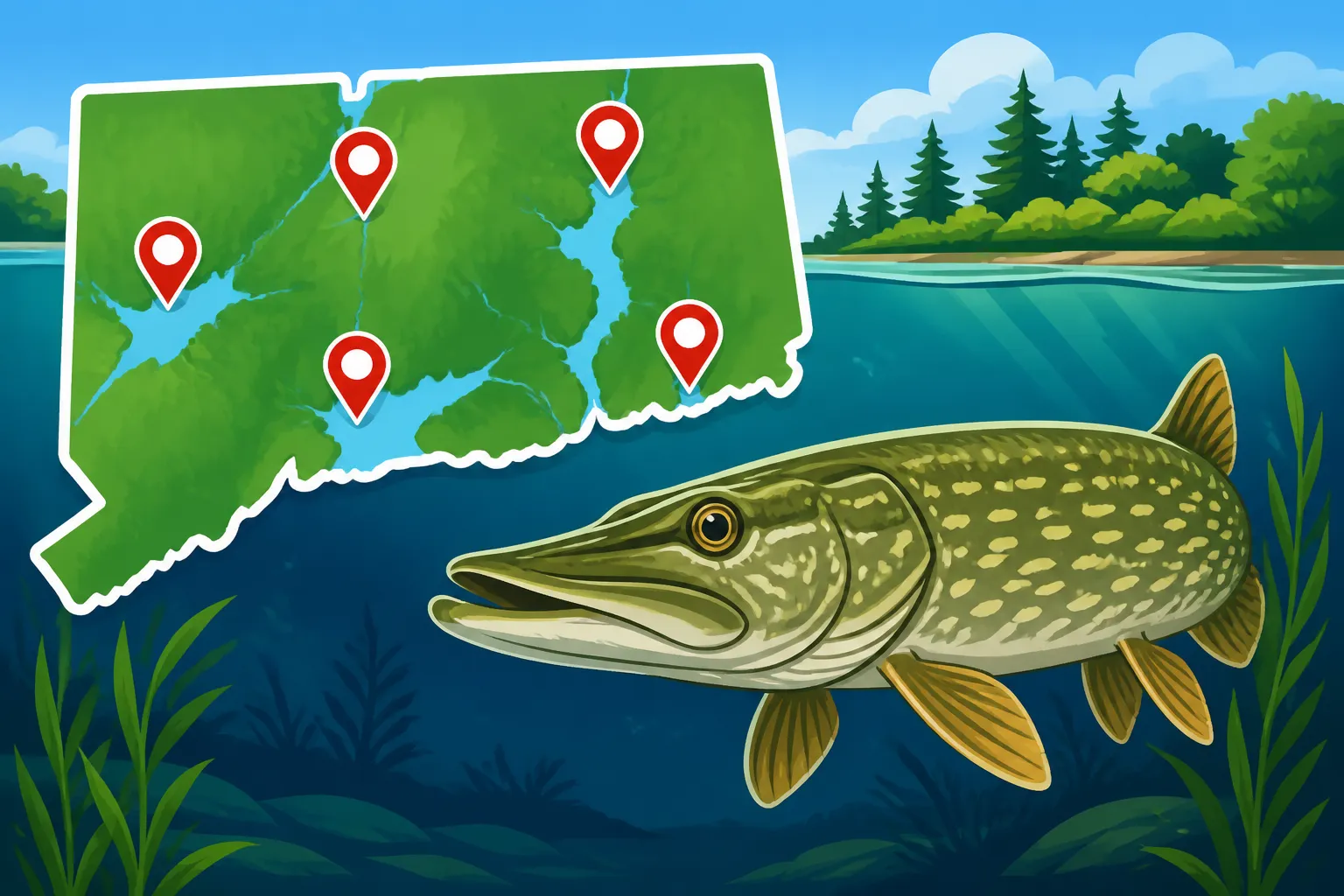
Without a doubt, Bantam Lake, located in Litchfield, is the crown jewel for northern pike fishing in Connecticut. It's not just a good spot; it's the spot. This large, shallow lake boasts expansive weed beds, particularly in its northern and southern coves, providing ideal ambush cover. Anglers consistently pull out impressive pike from Bantam, with fish reaching trophy sizes not uncommon. Many local anglers consider it a rite of passage to land a Bantam pike.
When fishing Bantam Lake for pike, focus on the edges of the vast lily pad fields and submerged weed lines that crisscross the lake. The deeper channels and holes within these weed beds are also key areas. Early spring and late fall are particularly productive, as pike are more active in the shallows. You'll often find them lurking near the drop-offs surrounding these weedy flats. Understanding the Bantam Lake Fishing Guide will give you an even more comprehensive overview of this fantastic fishery, including specific tips for Bantam Lake Pike Fishing. This lake truly offers a fantastic opportunity for serious pike enthusiasts.
Lake Lillinonah
Further south, Lake Lillinonah, formed by the impoundment of the Housatonic River, is another premier destination for northern pike. This long, narrow lake offers a different kind of challenge and habitat than Bantam. Lillinonah is deeper and rockier in many sections, but it still has plenty of coves and backwaters with substantial weed growth and submerged timber. The flow from the Housatonic also adds a dynamic element, concentrating baitfish in certain areas which, in turn, attracts pike.
Targeting pike on Lake Lillinonah often means focusing on the many coves and tributaries that feed into the main lake, particularly those with good weed cover and slower current. Look for points and submerged structures where the current creates eddies; these are prime ambush spots. The areas near the river inlets and outlets can also be very productive, especially during seasonal migrations of baitfish. Like Bantam, fishing the spring and fall transitions can yield excellent results. For more details on this waterbody, check out the Lake Lillinonah Fishing Guide.
Lake Zoar
Continuing down the Housatonic River system, Lake Zoar is another strong contender for northern pike. Situated between the Stevenson Dam and the Shepaug Dam, Lake Zoar shares some characteristics with Lillinonah but also has its own unique features. It's a slightly smaller and generally shallower impoundment, but it still holds a healthy population of pike, often overlooked by anglers focusing on bass or even walleye.
On Lake Zoar, seek out the large, shallow flats that feature dense weed growth. The numerous coves and bays are critical search areas, as are the areas around fallen trees and submerged stumps, especially after periods of high water. The edges of the main river channel, particularly where it meanders close to shore or interacts with structure, can also be productive. Pike in Zoar, much like their Lillinonah counterparts, will be very structure-oriented. If you're exploring Best Fishing Lakes in Connecticut, Lake Zoar is definitely worth including for its pike potential. The Lake Zoar Fishing Guide will give you specific insights for this particular impoundment.
Other Notable Pike Waters
While Bantam, Lillinonah, and Zoar are the undisputed champions for pike in Connecticut, there are other, smaller waters or river sections that occasionally yield these impressive fish. The Connecticut River itself, particularly its slower-moving oxbows and backwaters in the central and northern parts of the state, has been known to hold pike. These areas often have extensive marshy sections and submerged woody debris that pike love.
Occasionally, pike are also reported in some of the larger ponds and lakes that have significant weed growth, especially if they are connected to a river system. However, these are generally less consistent than the main three. It’s always a good idea to consult the latest Connecticut Fishing Regulations Explained for any specific waterbody you plan to fish, as rules can vary and knowing them is part of responsible angling.
Here's a quick overview of these prime pike waters:
| Lake/River Section | Primary Pike Habitat | Key Features | Best Season for Pike | Notes |
|---|---|---|---|---|
| Bantam Lake | Extensive weed beds, lily pads, shallow flats | Large, fertile, consistent trophy pike | Spring, Fall, Winter | Excellent ice fishing, check for Bantam Lake Pike Fishing tips. |
| Lake Lillinonah | Weed-lined coves, submerged timber, river channels | Deeper, dynamic, strong current, good forage | Spring, Fall | Focus on backwaters and current breaks; see Lake Lillinonah Fishing Guide. |
| Lake Zoar | Weedy flats, coves, submerged stumps | Smaller, generally shallower than Lillinonah, overlooked potential | Spring, Fall | Good for boat and kayak anglers; explore Lake Zoar Fishing Guide. |
| Connecticut River | Oxbows, backwaters, marshy sections | Riverine environment, less predictable but good potential in specific areas | Spring, Fall | Best in slower moving, heavily vegetated sections. |
Essential Gear and Tactics for Connecticut Pike
Catching northern pike isn't just about finding them; it's also about being prepared with the right tools and techniques. These fish are powerful, aggressive, and possess a mouth full of razor-sharp teeth that demand appropriate tackle. Being underprepared can lead to lost fish, damaged gear, and even injury.
Tackle for Tooth-Tempered Fish
When you're targeting northern pike, you need to step up your gear game. A medium-heavy to heavy action rod, typically 7 to 8 feet long, is ideal. This provides the backbone necessary to cast larger lures and to muscle a big pike out of heavy cover. Pair that with a robust baitcasting or spinning reel spooled with strong braided line, often in the 30-50 pound test range. The braid offers excellent sensitivity and hook-setting power.
However, the most critical piece of tackle for pike is a strong leader. Their teeth will slice through monofilament or fluorocarbon main lines in an instant. You'll want to use a steel, titanium, or heavy fluorocarbon (80-100 lb test) leader that's at least 12-18 inches long. These leaders prevent bite-offs and are absolutely non-negotiable for pike fishing. You can find pre-made wire leaders or materials to tie your own easily on Amazon. Don't skimp here; it's the difference between landing a fish of a lifetime and telling a sad tale of the one that got away.
Lures and Baits That Entice Pike
Pike are opportunistic eaters, and they love a big, flashy meal. Spinnerbaits with large blades (sizes 5-8) are incredibly effective, especially when worked through weed edges. The flash and vibration mimic injured baitfish perfectly. Large inline spinners are also great choices. For hard baits, consider crankbaits, jerkbaits, and swimbaits that imitate common pike forage like perch, shiners, or even small panfish. Look for lures in natural colors, or bright, contrasting patterns (like firetiger) for stained water.
Soft plastics, especially large paddletails or swimbaits rigged on heavy jig heads, can also be highly effective when retrieved slowly along the bottom or through weed pockets. And let's not forget live bait! Large shiners or suckers, fished under a bobber or slowly drifted, are often irresistible to big pike, especially in colder water. Remember, What Chain Pickerel Eat in Connecticut Ponds can give you an idea of common forage, though pike tend to prefer larger meals.
Ice Fishing for Pike
When Connecticut's lakes freeze over, pike fishing doesn't stop; it simply shifts strategy. Ice fishing for pike is incredibly popular on waters like Bantam Lake. The key methods involve tip-ups or jigging. For tip-ups, you'll want to use strong braided line, a heavy fluorocarbon or wire leader, and a large shiner or suckers hooked through the back. Set your bait just above the weed line or suspended in deeper water nearby. Spread your tip-ups across different depths and areas to cover more ground.
Jigging for pike typically involves stout ice rods paired with heavy jigs or spoons, often tipped with a piece of bait. Vertical jigging can be effective, especially when you mark fish on your flasher or sonar. Pike under the ice are still aggressive, but their metabolism slows, so sometimes a slower, more deliberate presentation is required. Always be sure to check ice thickness and follow all safety guidelines for How thick ice needs to be to fish safely in Connecticut.
Navigating Regulations and Best Practices
Successful pike fishing isn't just about catching fish; it's also about being a responsible angler and respecting the resource. This means understanding and adhering to all local regulations and practicing good conservation habits.
Pike-Specific Regulations
Connecticut has specific regulations for northern pike, including size limits and daily creel limits. These regulations are designed to protect the population and ensure sustainable fishing for future generations. It is absolutely essential to check the current Connecticut Angler's Guide or the DEEP website before you head out, as regulations can change. Never rely on old information you heard from a buddy or found online.
These regulations apply to all pike waters across the state, including the major lakes we discussed. Be sure you know the exact minimum length and how many pike you are allowed to keep in a day. Failure to comply can result in fines and other penalties, which no one wants. Always carry a measuring device and, if you plan to keep a fish, understand how to properly process your catch. A Connecticut Fishing License Guide for 2026 is also a crucial read to ensure you're legal on the water.
Conservation and Handling
Northern pike are magnificent sportfish, and many anglers choose to release them, especially the larger, older females that are vital for reproduction. If you plan to practice catch and release, especially with a fish that has such formidable teeth, proper handling is paramount.
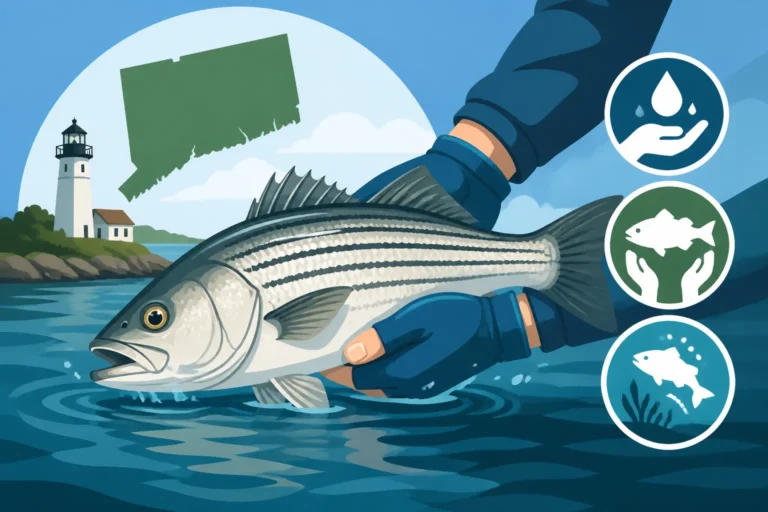
When handling a pike, avoid lifting it vertically by the gills or jaw, as this can cause internal damage. Instead, use a large, rubberized net to land the fish, keeping it in the water as much as possible. If you must remove it from the water for a quick photo, support its body horizontally with both hands—one under the head and one under the tail. Use long-nosed pliers or a jaw spreader to safely remove hooks. Pike have sharp gill plates as well, so be cautious. If the fish is deeply hooked, it may be best to cut the line as close to the hook as possible. Releasing a pike healthy ensures it can fight another day and contribute to a robust fishery, potentially even growing to be a Connecticut State Fish Records by Species contender!
Disclaimer
This article is for general informational purposes only and does not constitute professional advice. Laws, prices and regulations vary by location and change over time. Consult a qualified professional for guidance on your specific situation.