Where striped bass get the biggest in Long Island Sound
For many anglers in Connecticut, the dream isn't just to catch a striped bass, but to land one of those true behemoths – the kind that makes your reel scream and your arms ache. While Long Island Sound is teeming with stripers, consistently finding the largest, trophy-sized fish requires more than just luck; it demands a deep understanding of their habits and preferred haunts. This guide will cut through the noise and pinpoint where these leviathans are most likely to be found, helping you focus your efforts on the truly big ones.
Understanding Striped Bass Behavior for Trophy Fish in Long Island Sound
Before we dive into specific locations, it's crucial to grasp what makes a striped bass grow to gargantuan sizes and why they choose certain areas. Big stripers aren't just larger versions of their smaller counterparts; their behavior patterns, dietary needs, and preferred environments often differ significantly. These older, wiser fish are often more solitary or found in smaller, tighter schools, and they prioritize easy access to abundant forage and specific types of structure.
The Migratory Patterns of Large Stripers
Trophy striped bass are typically migratory, following food sources and temperature gradients up and down the Atlantic coast. Long Island Sound serves as a crucial feeding ground and transit route for these fish, especially during their spring arrival and fall departure. They enter the Sound looking for baitfish, and the biggest ones tend to linger in areas where these schools are most concentrated and accessible. Understanding Striped Bass Migration Along the Connecticut Coast is key to intercepting these giants. They're not just swimming randomly; they're following highways of bait.
During the spring, as water temperatures rise, larger stripers will often be among the first to arrive, eager to feed after their long journey. They'll gorge on herring, bunker (menhaden), and squid. As summer progresses, some will move further east or out of the Sound entirely into cooler, deeper offshore waters, but a significant population of larger fish will remain, particularly in areas with strong currents and deep-water structure that offer thermal refuge and ambush points. In the fall, as baitfish begin to migrate out of the Sound, the big stripers follow, often staging in prominent channels and rips, feeding aggressively for their journey south.
Forage and Feeding Habits of Trophy Stripers
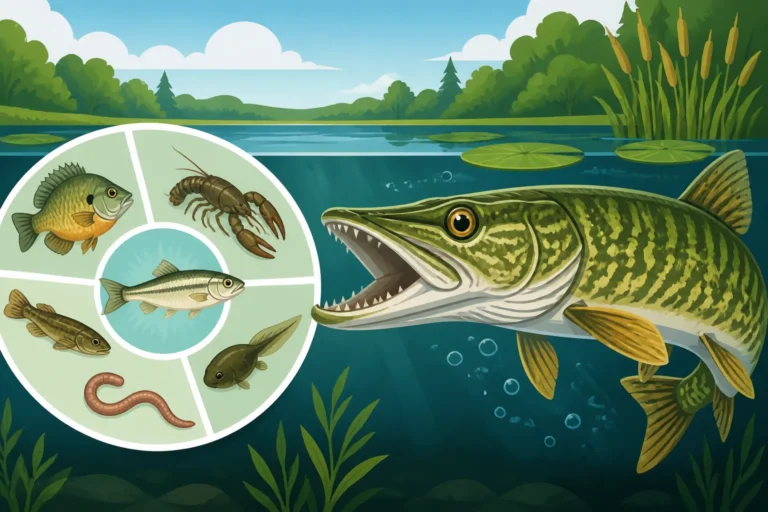
What do these monsters eat? Simply put, they eat a lot, and they prefer large, oily baitfish that provide maximum caloric value for minimal effort. Atlantic menhaden, often called "bunker," are arguably the most important food source for trophy striped bass in Long Island Sound. When bunker schools are thick, particularly large, adult bunker, you can bet the big stripers aren't far behind. They'll actively herd these schools, often exploding on them at the surface in spectacular displays.
Other critical forage includes herring (river herring like alewives and bluebacks, as well as sea herring), squid, and eels. Less frequently, they might target mackerel or even smaller bottom fish. The presence and abundance of these baitfish will dictate where the largest stripers choose to feed and hold. Look for areas where these baitfish are known to congregate, such as deep channels, tidal rips, and near prominent points or river mouths. Fishing when these baitfish are present is paramount, and matching your presentation to the size and type of available forage, whether with large plugs, swimbaits, or live bait, is often the difference between a good day and a truly epic one.
Key Locations for Giant Striped Bass in Western Long Island Sound
The Western end of Long Island Sound, closer to New York, often sees some of the earliest arrivals of big stripers in the spring and can hold immense fish throughout the season due to strong currents and deep-water access. These areas are characterized by significant tidal flow, deep channels, and abundant structure, making them ideal ambush points for large predators.
The Thimble Islands and Outer Harbor Areas
While often overlooked for trophy stripers in favor of more eastern locales, the areas around the Thimble Islands and the outer harbors of towns like Branford and Guilford can hold some truly enormous fish, especially during the spring and fall runs. These spots feature a complex maze of rocky islands, ledges, and deep-water channels that create excellent current breaks and ambush points. The rocky structure provides cover, and the strong currents bring a steady supply of bait.
Anglers targeting these areas should focus on the deeper channels and the edges of prominent reefs and ledges, particularly where current rips form. Trolling large tube-and-worm rigs or live-lining bunker can be highly effective here. Night fishing can also be incredibly productive, as larger stripers are often more active under the cover of darkness. The challenge here is navigating the intricate rocky bottom, but the reward can be a truly massive fish. Local knowledge or a skilled charter captain can make a huge difference in these complex waters.
Estuaries and River Mouths of Fairfield County
The river mouths and estuaries along the Fairfield County coastline, such as the Housatonic River, Norwalk River, and Bridgeport Harbor, are absolute magnets for striped bass, especially in the spring and fall. These areas act as superhighways for baitfish moving in and out of the rivers and the Sound. The confluence of freshwater and saltwater often creates nutrient-rich zones that attract vast schools of bunker and herring, and where there's bait, there are big stripers.
Early spring sees huge numbers of herring pushing up these rivers to spawn, and monster stripers lie in wait at the river mouths and in the lower stretches of the rivers themselves. Focus on outgoing tides, when bait is flushed out of the estuaries into the Sound, or incoming tides, which bring fresh schools of bait into the rivers. Using large artificials that mimic bunker or herring, or live-lining these baits, is a proven tactic. Look for current seams, bridge pilings, and channel edges. These areas offer consistent opportunities for trophy-sized fish for those willing to put in the time. Housatonic River Fishing Guide can provide more detail on one of these crucial locations.
Prime Spots for Big Striped Bass in Central and Eastern Long Island Sound
As you move eastward in Long Island Sound, the water generally gets deeper and often clearer, with even more pronounced tidal rips and offshore structure. This part of the Sound is widely considered prime territory for landing truly giant striped bass, drawing anglers from across the region. The open expanses and deeper waters here allow for larger bait concentrations and provide more extensive habitat for big, transient fish.
The Mouth of the Connecticut River and Surrounding Rips
The Connecticut River is the largest river flowing into Long Island Sound, and its mouth is, without a doubt, one of the most consistent trophy striped bass locations in the entire region. The massive outflow of nutrient-rich freshwater, combined with the significant tidal currents of the Sound, creates an epic feeding environment. Huge schools of bunker, herring, and other baitfish congregate here, particularly around the many reefs, ledges, and channels.
Focus your efforts around the various rips and reefs just outside the river mouth, such as Black Point, Hatchetts Reef, and the "Race" (though the Race is technically further east, its influence extends here). These areas feature strong, swirling currents that disorient baitfish and create ideal ambush opportunities. Trolling with large parachute jigs, Mojo rigs, or tube-and-worm setups is highly effective, as is live-lining fresh bunker. Night fishing in these rips, especially on a full or new moon with strong tides, can produce the largest fish. Many Best Striped Bass Charters on Long Island Sound operate out of this area for good reason. Understanding Connecticut River Striped Bass Fishing dynamics is crucial for success here.
The Race and Plum Gut Area
East of the Connecticut River, where Long Island Sound meets Block Island Sound, lies a notorious stretch of water known as "The Race" (and nearby "Plum Gut"). This area is famous, or perhaps infamous, for its incredibly strong currents, churning rips, and deep, turbulent waters. It's a challenging place to fish, demanding experienced boat handling and heavy tackle, but it is also the premier location for some of the largest striped bass in the Northeast. These rips are legendary for holding massive fish throughout the season.
The currents here are so powerful that they create a veritable conveyor belt of baitfish, disorienting them and concentrating them into easily digestible meals for large stripers. The big fish often hold in the deep trenches and ledges just out of the main current, waiting to dart out and ambush passing forage. Trolling heavy umbrella rigs, large swimbaits, or jigging with diamond jigs in the slack periods between tides are common tactics. Live-lining large bunker or eels, often with heavy sinkers to keep them down, is also highly effective. Fishing here requires robust gear – think heavy action rods, stout reels, and strong braid. You can find excellent heavy-duty terminal tackle and lines on Amazon to withstand the brutal conditions and powerful fish found in these legendary waters.
Factors Influencing Striped Bass Size and Presence
Beyond specific geographical locations, several environmental and seasonal factors play a huge role in where you'll find the biggest striped bass. Understanding these nuances will help you predict the best times and conditions to target your trophy.
Tidal Currents and Water Movement
Striped bass are undeniably creatures of current. Strong tidal flow is crucial for two main reasons: it concentrates baitfish and it provides oxygenated water. Big stripers, being apex predators, prefer to expend minimal energy while maximizing their feeding opportunities. They'll position themselves strategically in current seams, behind structure, or along channel edges, letting the current bring food to them. The strongest tides often mean the best fishing for large stripers.
When the tide rips, baitfish are disoriented, making them easier targets. Look for areas with prominent rips, eddies, and swirling currents, especially at the mouths of rivers, around islands, and over submerged reefs. The incoming and outgoing tides can both be productive, but often one phase of the tide will be significantly better than the other in a given location due to how it aligns with baitfish movement and bottom structure. Understanding these micro-currents is key. For example, some anglers swear by the last two hours of the incoming tide and the first hour of the outgoing tide in certain rips.
Water Temperature and Depth
While striped bass are highly adaptable, water temperature significantly influences their comfort and activity levels, especially for larger fish. Big stripers generally prefer cooler water, typically in the 50s to low 70s Fahrenheit. During the peak of summer, when surface waters in shallower areas of the Sound can warm considerably, larger fish will often retreat to deeper, cooler waters.
This means targeting deep channels, offshore reefs, and areas with strong upwellings that bring cooler water to the surface during summer months. Locations like The Race or the deeper parts of the Connecticut River mouth offer access to these cooler refuges. Conversely, in spring and fall, when the entire water column is cooler, big stripers can be found in a wider range of depths, including shallower flats and rock piles, as they follow migrating bait. Best Time of Year to Fish in Connecticut will give you a broader overview of seasonal patterns, but for the biggest stripers, constantly monitoring water temperature is paramount.
Structure, Bottom Topography, and Baitfish Presence
Big stripers are intimately connected to structure, whether it's natural rock piles, artificial reefs, shipwrecks, or abrupt changes in bottom topography like ledges and channels. This structure provides cover from currents, ambush points for feeding, and often holds concentrations of baitfish and crustaceans. Learning to read your sonar for these features is invaluable.
However, the ultimate determinant of where the biggest stripers will be is the presence of abundant, large baitfish. As mentioned, bunker (menhaden) are king. Look for large schools of bunker on your fishfinder or visually on the surface. Diving birds, boiling water, and bunker flipping at the surface are all tell-tale signs that big stripers are likely below. If you find the bait, especially large, healthy bunker schools, you're halfway to finding the trophy stripers. Many anglers use heavy-duty baitcasting setups for snagging bunker, easily found on Amazon, which allows them to quickly present live bait to nearby predators.
When targeting these areas, it's not enough to just know where the structure is. You need to understand how the current interacts with it and where the stripers will likely be positioned to ambush. A deep hole immediately downstream of a prominent reef, or a channel edge where a strong current meets a slack water eddy, are classic trophy striper scenarios. Focusing on What striped bass eat in Long Island Sound will help you choose the right presentation.
Table: Prime Trophy Striped Bass Hotspots in Long Island Sound
| Location | Key Characteristics | Primary Baitfish | Best Time to Fish | Key Tactics | Tackle Considerations |
|---|---|---|---|---|---|
| Thimble Islands Area | Rocky islands, ledges, deep channels | Herring, bunker, squid | Spring, Fall, Night | Live-lining, trolling tube-and-worm, plugs | Medium-heavy conventional/spinning, stout leader |
| Fairfield River Mouths | Estuaries, current seams, bridge pilings | Herring, bunker, eels | Spring, Fall (Tide dependent) | Live-lining, large swimbaits, topwater (dawn/dusk) | Medium-heavy spinning/conventional, strong braid |
| CT River Mouth/Rips | Major tidal flow, reefs, ledges | Bunker, herring, squid | Spring, Fall, Summer (Night) | Trolling (umbrellas, Mojos), live-lining, jigs | Heavy conventional, wire line often useful |
| The Race/Plum Gut | Extreme currents, deep rips, turbulent | Bunker, squid, mackerel | All season (Tide dependent) | Heavy trolling, jigging, live-lining (eels/bunker) | Extra heavy conventional, strong braid, large sinkers |
Remember, consistently catching the largest striped bass in Long Island Sound is a pursuit that often takes years of experience. But by focusing your efforts on these prime locations and understanding the key factors that draw in the giants, you'll significantly increase your chances of landing that fish of a lifetime. Don't be afraid to experiment with different Best Lures for Striped Bass in Long Island Sound or Trolling Techniques for Long Island Sound Striped Bass, and always prioritize safety in these often challenging waters. For those looking to really delve deep into the experience, considering a guided trip with one of the Best Fishing Charters in Connecticut can offer invaluable insights and put you directly on the fish.
Disclaimer
This article is for general informational purposes only and does not constitute professional advice. Laws, prices and regulations vary by location and change over time. Consult a qualified professional for guidance on your specific situation.