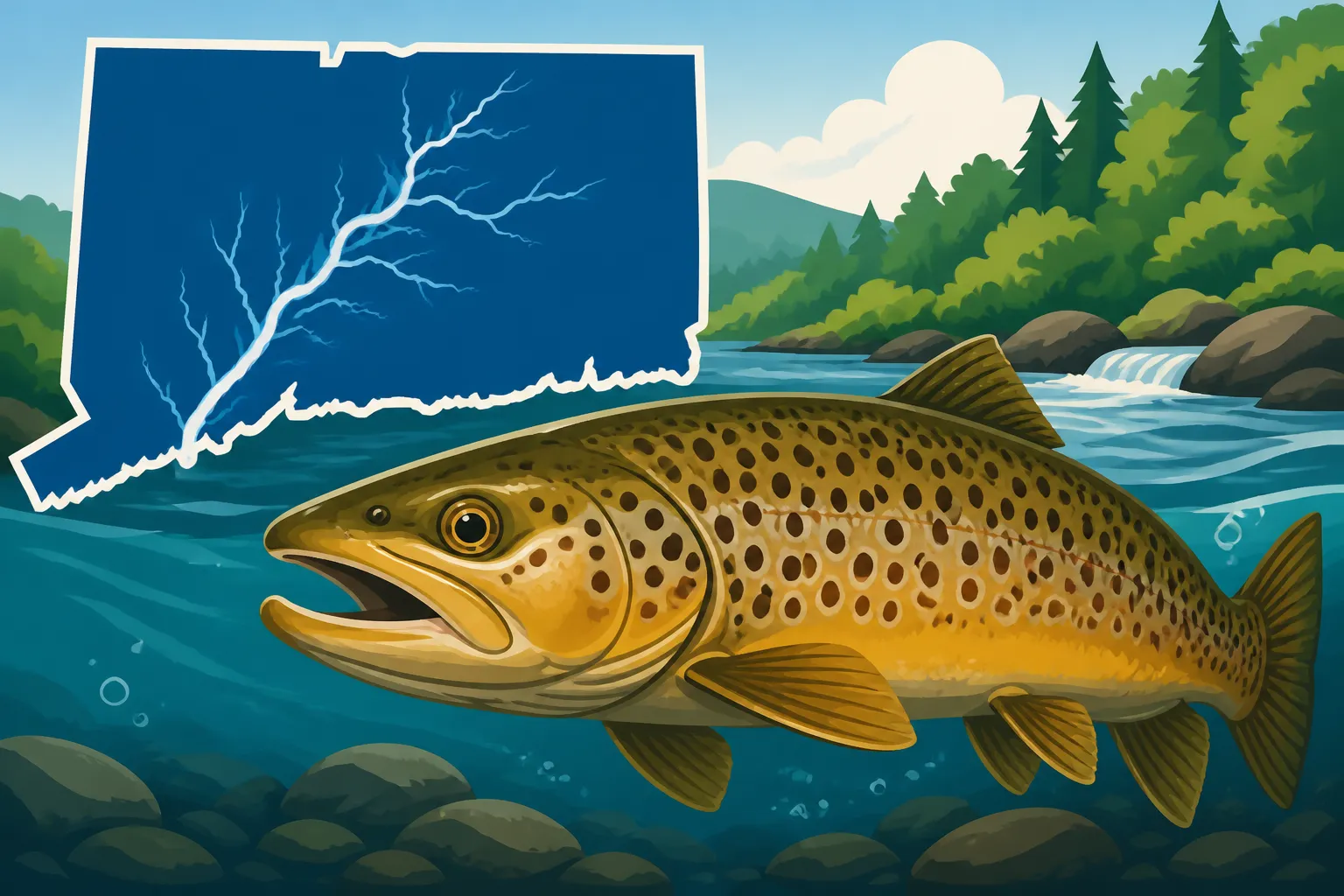
Where the biggest brown trout live in Connecticut
The dream of hooking into a truly massive brown trout in Connecticut isn't just a fantasy; it's a challenging, rewarding pursuit that many anglers chase with passion. If you've spent countless hours on the water, only to wonder where the real giants are hiding, you're not alone. This guide will dive deep into the specific types of waters and habitats where Connecticut's biggest brown trout live, and how you can increase your chances of finding one.
Understanding Connecticut's Trophy Brown Trout Habitats
Connecticut might be a smaller state, but it boasts some surprisingly robust brown trout populations, especially when it comes to those elusive trophy-sized fish. These aren't just any trout; we're talking about the wise, wary old browns that have seen it all and grown to impressive dimensions. Finding them isn't about luck as much as it is about understanding their preferred environments.
The Lure of Cold, Clean Water
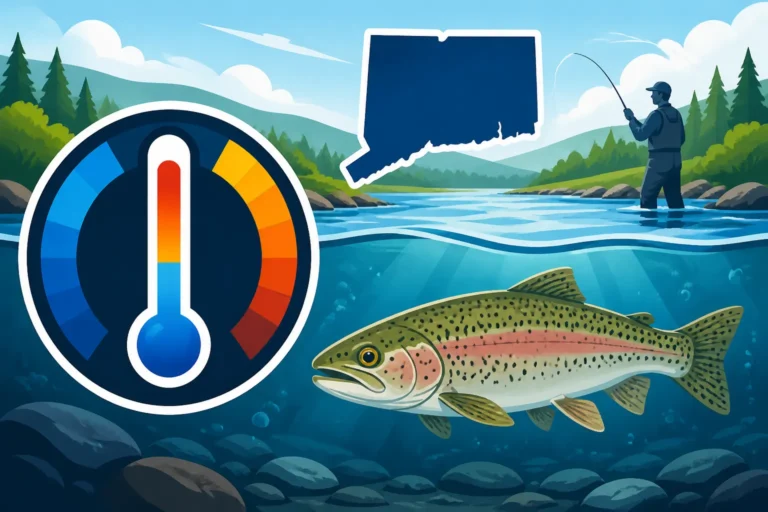
Brown trout, especially the larger ones, are absolute sticklers for cold, clean, and well-oxygenated water. They simply can't thrive in warm, stagnant conditions. This is why you'll often find the biggest browns in rivers and streams fed by cold, deep reservoirs, or those with significant groundwater input. These cool temperatures ensure they stay active, healthy, and can grow to their full potential. Think about a hot summer day; while other fish might get sluggish, a big brown in a cold pocket of water is still actively feeding.
Beyond just temperature, the cleanliness of the water is paramount. Trophy brown trout need a healthy aquatic ecosystem that provides abundant invertebrate life – their primary food source when they're young – and good water clarity to ambush prey. Rivers with significant pollution or heavy siltation simply won't sustain the kind of robust forage base or clear water conditions these fish require. It's a delicate balance, and What water temperature trout need to survive is a critical factor here.
The Importance of Forage and Structure
To grow big, brown trout need to eat a lot. While smaller trout might subsist on insects, those 20-inch-plus browns become opportunistic predators, feasting on smaller fish like sculpins, dace, shiners, and even other trout. This means the best places for trophy browns aren't just cold and clean, but also teeming with a diverse forage base. Areas where cold water meets warmer, nutrient-rich sections, or where baitfish congregate, are prime hunting grounds.
Structure is another non-negotiable for large brown trout. They are ambush predators and need places to hide from overhead threats and strong currents, as well as spots to dart out from to grab a meal. This could mean deep pools with undercut banks, fallen trees and logjams, large boulders, riffles with significant depth changes, or even old bridge abutments. These features provide cover, current breaks, and often hold concentrations of baitfish. Without these hiding spots, a brown trout is too vulnerable to survive long enough to reach trophy size. You can often find specialty gear for fishing around this kind of structure, from extra-strong leaders to specific lure presentations, by browsing reputable online fishing retailers like Amazon.
Wild vs. Stocked Brown Trout for Size
When we talk about "biggest brown trout," it's crucial to distinguish between wild-spawned fish and those stocked by the state. While Connecticut's stocking program does introduce some impressively sized brown trout, often referred to as "broodstock" or "trophy trout," these fish are generally not the ones that achieve true record-breaking sizes in the wild. Stocked trout are typically raised in hatcheries and released at a certain size; they might provide immediate gratification for anglers but often don't have the same genetic predisposition or natural survival instincts to grow much larger in a wild environment.
True trophy browns are often wild fish that have survived multiple seasons, learned the intricacies of their home waters, and developed a keen sense of self-preservation. These fish are typically found in areas with natural reproduction and excellent habitat. They are harder to catch, but the reward of landing one of these naturally grown giants is immense. However, some stocked fish can become "holdovers" and adapt to the wild, growing significantly over time, especially in waters with rich forage and protective regulations. For more on this, check out Brown Trout Habits in Connecticut Streams.
Top Rivers and Streams for Trophy Brown Trout in Connecticut
Connecticut is fortunate to have several waterbodies renowned for their brown trout fishing, and a couple stand head and and shoulders above the rest when it comes to the potential for truly large specimens. These rivers are legendary for a reason, offering the right combination of habitat, forage, and management that allows brown trout to thrive and grow immense.
The Farmington River System
Ah, the Farmington! If there's one river that comes to mind when serious Connecticut anglers think about trophy brown trout, it's often the Farmington River, particularly its West Branch. This river has earned its reputation through consistent cold water flows, rich insect life, and a robust stocking program augmented by healthy populations of wild and holdover browns. The release of cold, clean water from the Goodwin Dam at Riverton is a game-changer, maintaining ideal water temperatures even during the hottest summer months, which is absolutely vital for larger trout.
Within the Farmington, specific sections are managed with special regulations that promote the growth of larger fish. The "Trophy Trout" sections, for example, often have stricter catch limits, longer minimum length requirements, or even catch-and-release only rules for certain periods, allowing fish more time to grow. This reduced pressure helps browns live longer, and consequently, get bigger. Anglers frequently explore stretches like those near the historic town of New Hartford or the famous permanent fly-fishing-only area. Many dedicated fly anglers will tell you that the best patterns for this river, particularly streamers for big browns, are essential, and you might find an extensive range on Amazon for this specific river. Understanding Connecticut Farmington River Trophy Trout Stream Rules is absolutely crucial before you cast a line here.
The Housatonic River's Allure
The Housatonic River, especially its upper sections, is another powerhouse for brown trout, including those of trophy size. Flowing through the picturesque Litchfield Hills, the "Housy" offers a different character than the Farmington but is equally productive for big browns. Its consistent flow and diverse habitat, including deep runs, rocky riffles, and substantial pools, provide perfect ambush points for large predatory trout. While it experiences warmer temperatures in its lower reaches, the upper sections remain cool and oxygenated enough to support impressive fish.
The Housatonic is known for its incredible insect hatches, providing a steady diet for trout of all sizes. But for the biggest browns, the presence of sculpins, shiners, and other baitfish is a major draw. These larger food sources fuel their growth. Similar to the Farmington, parts of the Housatonic are designated as "Trout Management Areas" with specific regulations designed to foster larger, healthier fish. The sheer size of the river in some areas also means there's ample room for big fish to spread out and avoid intense fishing pressure. However, be mindful of Connecticut Housatonic River Seasonal Closure Explained which affects certain sections.
Other Notable Brown Trout Waters
While the Farmington and Housatonic are kings, other Connecticut waters certainly hold the potential for a trophy brown. Many smaller, lesser-known streams and rivers, particularly those in the state's colder, more rural regions, harbor pockets of wild brown trout that can surprise an unsuspecting angler. These often require more exploration and bushwhacking but can yield incredible rewards. These wild trout, while perhaps not reaching the absolute dimensions of a Farmington or Housatonic monster, are revered for their beauty and cunning.
Lakes and reservoirs also shouldn't be overlooked. While often associated with bass or other species, some deep, cold lakes with a good forage base (like smelt or alewives) can produce truly enormous brown trout. These fish often cruise the deeper, colder sections, only coming shallower to feed, especially during low light conditions or in cooler seasons. Identifying these specific lakes usually involves local knowledge and a bit of detective work on bathymetric maps to find those crucial deep-water haunts and cold water inlets. For more general information on prime spots, consider checking out Best Trout Streams in Connecticut and Best Fishing Lakes in Connecticut.
Here's a quick comparison of some prime brown trout waters:
| Waterbody | Primary Type | Key Features for Big Browns | Typical Size Range (Holdover/Trophy) | Best Season |
|---|---|---|---|---|
| Farmington River | Tailwater River | Consistent cold flows, abundant forage, special regulations. | 16-25+ inches | Year-round |
| Housatonic River | Freestone River | Diverse structure, strong currents, good baitfish populations. | 15-22+ inches | Spring, Fall |
| Naugatuck River | Freestone River | Good stocking, some wild fish, improving water quality. | 14-20 inches | Spring, Fall |
| Salmon River | Freestone River | Scenic, good habitat, mix of stocked and holdovers. | 12-18 inches | Spring, Fall |
| Deep Cold Lakes | Lake/Reservoir | Deep thermal refuge, large baitfish populations (smelt, alewives). | 18-30+ inches (rare) | Late Fall, Winter, Early Spring |
Strategies for Targeting Big Brown Trout
Catching a truly big brown trout in Connecticut isn't like catching a freshly stocked brook trout. These fish are smart, wary, and often require specific tactics and a good deal of patience. They are survivors, and that means they've learned to avoid easy meals.
Best Baits and Lures
When targeting substantial brown trout, you need to think like a predator. While small nymphs and dry flies work for smaller fish, big browns often key in on larger meals. For fly anglers, streamers are king. Patterns imitating baitfish like sculpins, shiners, and even baby trout are incredibly effective. Think about patterns like the Woolly Bugger, Clouser Minnow, or elaborate articulated streamers. These flies imitate the larger prey that big browns are accustomed to hunting. You can find a huge variety of these patterns, sometimes in custom colors for Connecticut waters, on Amazon.
Spin anglers have a fantastic array of options as well. Larger, flashy spoons that mimic injured baitfish, deep-diving crankbaits in natural colors, and heavy jigs tipped with soft plastic swimbaits are all excellent choices. For a more natural presentation, live bait can be incredibly effective. Large shiners, dace, or even small creek chubs drifted through deep pools or fished near structure are irresistible to hungry brown trout. Remember, presentation is key – a natural drift or retrieve makes all the difference. Best smallmouth bass lures for the Housatonic in summer might also work for brown trout, as they share some predatory instincts.
Fishing Techniques for Trophy Browns
To successfully hook a trophy brown, you need to adapt your techniques. It's not about blind casting; it's about precision and understanding where these fish hold.
- Deep Nymphing: Even large browns will feed on subsurface insects. Heavy nymph rigs with larger patterns, fished deep and with a dead drift, can be highly effective, especially in faster, colder water. Euro Nymphing Connecticut Trout Streams is a specialized technique that can be very productive.
- Streamer Fishing: This is often the most exciting way to target big browns. Casting large streamers close to structure – undercut banks, logjams, large boulders – and retrieving them with erratic strips and pauses can trigger aggressive strikes. Fish them on a sinking line or with added weight to get them down quickly. Check out How to fish a wooly bugger for trout for a classic streamer technique.
- Drifting Live Bait: If legal in your chosen water, drifting a large shiner or dace under a float, or slow-bouncing it along the bottom, can be deadly. Browns are very opportunistic, and a struggling baitfish is an easy target.
- Covering Water with Lures: For spin anglers, fan-casting spoons or crankbaits in promising areas, focusing on depth changes and current seams, is a great search pattern. Experiment with retrieve speeds and pauses to find what triggers a strike.
Remember, big browns are often solitary and territorial. If you catch a good one, there might not be another in that exact spot, but a similar piece of structure nearby could hold another.
Seasonal Considerations
The time of year dramatically influences where and how to find large brown trout.
- Spring: Post-spawn and early spring see brown trout actively feeding to recover energy. They can be found in a wider range of habitats, often moving into shallower runs and pools to feed on emerging insects and baitfish. This is a prime time for both fly and spin anglers.
- Summer: As water temperatures rise, big browns retreat to their cold-water refuges: deep pools, spring-fed sections, and tailwaters like the Farmington. Fishing becomes more challenging, often requiring early morning or late evening efforts, or focusing exclusively on the coldest stretches.
- Fall: This is arguably the best time to target truly massive brown trout. As they prepare for spawning, browns become incredibly aggressive and will actively chase larger prey. Their colors intensify, and they'll move into shallower areas, especially around spawning redds. Streamer fishing and large plugs are highly effective during the fall run.
- Winter: Ice fishing on deep lakes can yield monster browns, as they cruise the cold depths for baitfish. In open rivers, brown trout will hold in deep, slow pools and runs, conserving energy. Finesse techniques with nymphs or small jigs are often best.
Understanding Connecticut Fishing Seasons by Month will give you a broader picture of how all species interact with the changing calendar, but browns often follow their own predatory schedule.
Conservation and Responsible Angling for Big Browns
Landing a trophy brown trout is an incredible experience, but it also comes with a responsibility to protect these magnificent fish and their habitat. Many of the largest browns are older, wilder fish that are vital to the ecosystem.
Catch and Release Practices
For any truly large brown trout, especially in trophy-managed waters, catch and release should be the standard. These fish are not just impressive; they are often the most successful breeders, contributing essential genetics to the next generation. Practicing proper catch and release techniques is critical to ensure their survival.
- Minimize Fight Time: Use appropriate tackle to bring the fish in quickly, reducing stress.
- Keep the Fish in Water: Avoid removing the fish from the water entirely. If you must for a photo, do it quickly and gently, supporting its body.
- Wet Hands: Always wet your hands before touching a fish to protect its protective slime coat.
- Barbless Hooks: Consider using barbless hooks, or crimping down barbs, to make hook removal easier and less damaging.
- Proper De-hooking: Use forceps or pliers to quickly remove the hook. If the fish is deeply hooked, cut the line as close to the hook as possible.
- Revive Gently: Hold the fish upright in the current, allowing water to flow over its gills, until it swims away under its own power. Don't pump it back and forth.
The goal is to ensure that fish swims away strongly, ready to fight another day and contribute to the population. For more details, you can look up Trout Fishing in Connecticut.
Understanding Regulations and Special Areas
Connecticut has a diverse set of fishing regulations, and these are particularly important when targeting brown trout, especially in those prime trophy waters. The state's Department of Energy and Environmental Protection (DEEP) implements specific rules for various rivers and sections, often establishing "Trout Management Areas" (TMAs), "Trophy Trout Streams," or "Wild Trout Management Areas" (WTMAs). These regulations might dictate different season dates, creel limits, minimum length limits, and even tackle restrictions (e.g., fly fishing only, single hook artificial lures only).
Before you head out, always consult the most current Connecticut Fishing Regulations Explained or the official Connecticut Angler's Guide. Ignorance of the law is never an excuse, and violating regulations, especially in sensitive trophy waters, can lead to fines and negatively impact the very fish populations you're trying to enjoy. Special regulations are put in place for a reason: to protect and enhance the fishing experience, particularly for these magnificent big brown trout. Being a responsible angler means being a well-informed angler.
The pursuit of Connecticut's biggest brown trout is a journey of patience, skill, and deep respect for the fish and their environment. It’s about understanding the nuances of cold water, abundant forage, and protective cover, and knowing that the true prize isn't just the size of the fish, but the challenge of the chase and the beauty of the wild places they call home.
Disclaimer
This article is for general informational purposes only and does not constitute professional advice. Laws, prices and regulations vary by location and change over time. Consult a qualified professional for guidance on your specific situation.