Are There Protected or Endangered Fish Species in Connecticut?
One of the most nerve-wracking things for any angler, myself included, is the thought of doing something wrong out on the water. You're out there, enjoying the peace and quiet, and suddenly you hook into something that looks… different. Is it legal to keep? Is it a rare catch? Or worse, is it a protected species that you could get into trouble for even touching? It's a real fear, and rightly so, because Connecticut's waters are home to a diverse array of fish, some of which are indeed protected or even endangered. This guide is here to shed light on those vulnerable species, help you understand their importance, and equip you with the knowledge to fish responsibly and legally, ensuring you're part of the solution, not the problem.
Understanding the "Protected" and "Endangered" Designations in Connecticut
Before we dive into specific fish, it’s really helpful to understand what "protected" or "endangered" actually means here in Connecticut. It’s not just a blanket term; there are nuanced layers of classification that determine how a species is managed and what anglers need to know. These designations come from both federal and state laws, aiming to safeguard species that are struggling to survive for various reasons. It's a complex web, but at its heart, it's about preserving the biodiversity of our beloved fishing grounds.
Federal vs. State Classifications: Layers of Protection
Think of it like this: some fish are so critically imperiled that they get protection from the federal government, under acts like the Endangered Species Act. These are typically species whose populations are severely low across their entire range, often spanning multiple states or even countries. When a fish is federally listed as "endangered," it means it's in immediate danger of extinction. "Threatened" means it's likely to become endangered in the foreseeable future. These are the big-ticket items, and encountering one of these is a serious matter.
Then, we have state-level classifications, managed by the Connecticut Department of Energy and Environmental Protection (DEEP). Connecticut also has its own endangered and threatened species lists, which sometimes include species not on the federal list, or may classify a federally threatened species as state endangered due to its particular vulnerability within Connecticut's borders. Additionally, the state uses categories like "Special Concern," which identifies species that aren't yet endangered or threatened but are facing issues that could lead to such a status if not addressed. This might be due to habitat loss, declining numbers, or limited distribution. These layers ensure that species unique to our local ecosystems, or those with specific local threats, receive the attention they need. It really underscores the importance of staying informed and being aware of the nuances of Connecticut Fishing Regulations Explained.
Why Certain Fish Need Protection: A Look at the Challenges
Why do some fish species end up needing this extra protection in the first place? It's often a combination of factors, a perfect storm that makes their survival difficult. Historically, overfishing played a significant role for many species, especially migratory ones that were once abundant. Industrialization brought pollution, tainting waters and destroying vital spawning grounds. Mercury, PCBs, and other contaminants can linger in sediments for decades, impacting fish health and reproduction.
Habitat destruction is another massive culprit. Think about the dams that blocked crucial spawning runs for species like Atlantic salmon or American shad, preventing them from reaching their ancestral breeding grounds upstream. Development along shorelines can destroy sensitive wetlands and nurseries where juvenile fish grow. Changes in water quality due to runoff from agriculture or urbanization can also degrade conditions beyond what certain sensitive species can tolerate. Climate change is adding another layer of complexity, altering water temperatures, oxygen levels, and migratory patterns. It's a tough world out there for these fish, and their vulnerability highlights our responsibility as anglers to be good stewards of the environment.
Key Protected Fish Species You Might Encounter in Connecticut Waters
While the list of "species of special concern" is broader and often includes smaller, less commonly targeted fish, there are a few key protected species that anglers should be particularly aware of. Encountering one of these is rare for most recreational anglers, but knowing what to do if you do is absolutely critical.
Shortnose Sturgeon: An Ancient and Endangered Resident
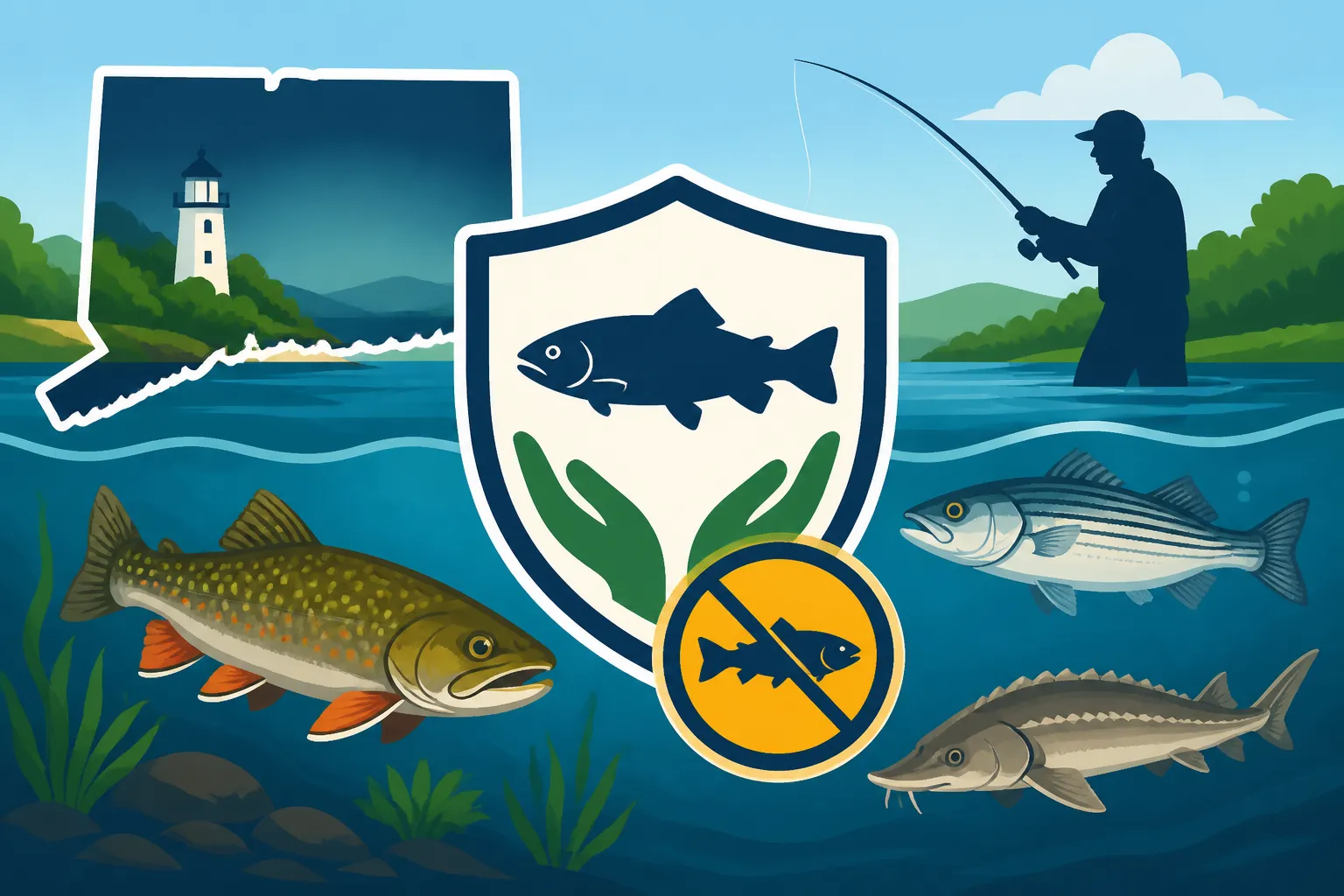
The shortnose sturgeon ( Acipenser brevirostrum) is arguably the most prominent federally endangered fish species that still calls Connecticut waters home. These are truly ancient fish, with a lineage stretching back millions of years, resembling something from the dinosaur age with their bony plates (scutes) and bottom-feeding mouths. They can grow quite large, several feet long, and live for many decades. They are primarily found in the larger river systems, particularly the lower Connecticut River, where they spend their lives migrating between freshwater and estuarine environments.
The shortnose sturgeon was decimated by overfishing in the 19th and early 20th centuries, as well as habitat destruction and pollution, especially in the Connecticut River where they were once abundant. Today, their populations are slowly recovering thanks to stringent protections, but they remain critically endangered. If you happen to hook into a shortnose sturgeon – which is often mistaken for something like a catfish or a very large eel at first – it is absolutely vital that you do not bring it into your boat or onto shore. Cut the line as close to the mouth as safely possible while the fish is still in the water, and release it immediately with minimal handling. Do not attempt to de-hook it if it means bringing the fish out of the water or prolonging the interaction. This is one of those times where a quick release is paramount. For more specific details on this unique creature, you can always check out Connecticut shortnose sturgeon protected status.
Atlantic Salmon: A Legacy of Restoration
While truly wild, naturally reproducing Atlantic salmon ( Salmo salar) are essentially extirpated from Connecticut's rivers, their historical presence and ongoing restoration efforts mean they are still very much a "protected" species in spirit and by management. Once, magnificent runs of Atlantic salmon migrated up rivers like the Connecticut and Farmington, but dams and pollution led to their disappearance. For decades, there were intensive, multi-state efforts to restore them, including stocking hatchery-reared smolts and removing dams. While these broad efforts have largely been scaled back, any Atlantic salmon you might encounter in Connecticut would be a remnant of these past stocking programs or a stray from a more northern river.
These fish are undeniably majestic, and if you were lucky enough to encounter one, it would likely be in one of the larger river systems or their tributaries. Unlike the stocked rainbow and brown trout, a true Atlantic salmon has distinct markings and a different body shape. They are not legal to keep and must be released immediately and unharmed. Their protection status reflects the significant conservation investment made over the years and the hope for their eventual, if distant, return as a self-sustaining wild population. This also highlights the careful balance between species management and recreational angling, especially in our major rivers.
Other Species of Special Concern: The Unseen Watch
Beyond the federally listed endangered species, Connecticut also keeps a close eye on various other fish species that are considered "of special concern." These are not necessarily endangered or threatened on a federal level, but within Connecticut, their populations might be declining, or they might have very specific, vulnerable habitats. This category often includes smaller, less glamourous fish that play crucial roles in the ecosystem, such as certain darter species, killifish, or lamprey species.
For the average angler, encountering and identifying these can be incredibly challenging, and honestly, you might never even know you caught one unless you're specifically targeting them or have a keen eye for fish identification. However, the takeaway here is that responsible angling practices, such as Connecticut Catch and Release Fly Fishing Only Waters rules and minimizing disturbance to stream beds and aquatic vegetation, benefit all fish, including these less-known, sensitive species. Being mindful of where you step, not discarding trash, and generally respecting the aquatic environment goes a long way in protecting these vulnerable populations.
Regulations and Best Practices for Anglers
Knowing that protected species exist is one thing; knowing what to do about it is another. As anglers, we have a huge role to play in the conservation of these fish. It's not just about avoiding penalties, but about being responsible stewards of our natural resources, ensuring that future generations can also enjoy the rich aquatic life Connecticut offers.
Knowing the Rules: Your Angler's Compass
The absolute first step for any angler in Connecticut is to be intimately familiar with the current Connecticut Fishing License Guide for 2026 and, more importantly, the specific regulations. Every year, the Connecticut DEEP publishes a comprehensive fishing guide that details open seasons, size limits, daily creel limits, and special regulations for specific water bodies and species. This guide is your angler's bible, and it will explicitly list any restrictions or requirements related to protected species.
Ignorance is not an excuse when it comes to wildlife laws. Always check the latest guide, whether you grab a physical copy from a license vendor or download it online. Pay close attention to sections on special regulation waters, as these often contain unique rules designed to protect sensitive populations or habitats. For instance, some areas might be catch-and-release only, or have specific gear restrictions to minimize harm. Knowing these rules is not just for compliance; it genuinely makes you a more effective and ethical angler. Remember, the goal is always to have minimal impact on the environment while enjoying your passion.
Catch and Release Techniques: A Gentle Touch
When dealing with any fish, but especially if you suspect you've hooked a protected species, gentle handling and proper catch-and-release techniques are paramount. A fish's best chance of survival after being caught lies in how quickly and carefully it is returned to the water. This means:
- Minimize Handling Time: The less time a fish is out of water, the better. Have your camera ready if you want a quick photo, but prioritize the fish's health.
- Wet Hands: Always wet your hands before touching a fish. Dry hands can remove the fish's protective slime coat, leaving it vulnerable to disease.
- Support the Fish: If you must lift it, support the fish horizontally, especially larger ones. Avoid holding fish vertically by the jaw or tail, which can damage their internal organs and spine.
- Use Appropriate Gear:
- Barbless Hooks: These make de-hooking much easier and faster, reducing stress and injury to the fish. Many anglers voluntarily crimp down the barbs on their hooks for this reason, even if not required by regulation.
- Pliers/De-hookers: Have these readily accessible. Long-nosed pliers or specialized de-hooking tools can remove hooks quickly and efficiently, often without even touching the fish. You can find excellent options on Amazon that are designed for quick and safe release.
- Knotless Landing Nets: Rubberized, knotless nets are far gentler on a fish's fins, scales, and slime coat than traditional knotted nylon nets. They help protect the fish during landing and keep it calm in the water while you prepare for release. Again, a quick search on Amazon will show you many highly-rated options.
- Revive if Necessary: If a fish seems sluggish before release, hold it gently in the water, facing into a mild current, and allow water to flow over its gills until it regains strength and swims away on its own.
These practices aren't just for protected species; they're good habits for all Trout Fishing in Connecticut or Striped Bass Fishing in Long Island Sound. Learning and applying these techniques ensures that even the fish you intend to release, like undersized striped bass that fall under the Connecticut Striped Bass Slot Limit and Season, have the best chance of survival.
Habitat Protection: More Than Just Fishing
Our role in protecting fish extends beyond the moment of catch and release. It's about preserving the entire aquatic ecosystem. This means:
- No Littering: Pack out everything you pack in. Even biodegradable waste can impact water quality and wildlife.
- Prevent Invasive Species: Clean your boat, waders, and gear thoroughly between fishing trips, especially when moving between different bodies of water. Invasive plants and organisms can hitchhike on your equipment and wreak havoc on native ecosystems.
- Respect Riparian Zones: These are the areas along stream banks and lake shores. Avoid trampling vegetation, as these plants stabilize soil, prevent erosion, and provide crucial cover and food for aquatic life.
- Chemical Responsibility: Be mindful of any chemicals you use around water, from sunscreen to bug spray. Opt for eco-friendly alternatives when possible.
- Report Pollution: If you see signs of pollution, such as oil slicks, chemical odors, or unusual fish kills, report it to the Connecticut DEEP immediately.
By adopting these practices, you contribute to a healthier environment for all fish, including those that are struggling. Remember that Connecticut Boating Laws for Anglers also play a role in protecting sensitive habitats, especially in coastal zones or shallow inland waters.
What to Do If You Accidentally Catch a Protected Species
Even with the best intentions and knowledge, an accidental catch of a protected species can happen. It's a rare event for most, but being prepared for it is crucial. Your actions in those first few moments can make all the difference for the fish's survival and for your own peace of mind.
Immediate Action: Identify, Release, Document (If Safe)
If you find yourself with what you suspect is a protected fish on your line, here's the best course of action:
- Immediate Identification (Without Removal): Try to identify the fish while it's still in the water, or with minimal time out of water. This is where a good field guide, perhaps one you purchased from Amazon for quick reference, can be invaluable. Look for key characteristics. For a shortnose sturgeon, its bony plates and unique snout are usually dead giveaways.
- Do NOT Bring it Aboard/Ashore: This is perhaps the most critical rule. For federally endangered species like the shortnose sturgeon, it's often illegal to even possess them, even temporarily. Keep the fish in the water.
- Cut the Line: If the hook is deeply set or if you cannot safely remove it without prolonged handling or bringing the fish out of water, cut the line as close to the hook as possible. A quick release is paramount. This might feel counterintuitive as you want to remove the hook, but for these highly sensitive species, minimizing stress and air exposure is the priority.
- Minimal Handling for Release: If the hook is easily accessible and you can remove it with pliers while the fish is still fully submerged or partially submerged in a net, do so gently and quickly. Always use wet hands.
- Document (Optional and Only if Safe): If you can safely get a quick photo while the fish is in the water, without causing further stress, this can be helpful for reporting. However, the fish's welfare always comes first. Do not delay release for a photo.
The key takeaway here is: when in doubt, release it immediately and with the utmost care. This approach minimizes harm to the fish and protects you from potential legal issues. Is It Legal to Release a Striped Bass You Catch in Connecticut? is generally yes, but for protected species, it's not just legal, it's mandatory.
Reporting: Contributing to Conservation
After a safe release, if you're certain or strongly suspect you caught a protected species, consider reporting it to the Connecticut DEEP. Why report? Because every piece of data helps conservation efforts. Your sighting could provide valuable information on population distribution, migration patterns, or habitat use that scientists might not otherwise obtain.
How to report:
- Note the Location: Be as precise as possible (e.g., GPS coordinates, specific landmarks).
- Approximate Size: Give an estimate of the fish's length.
- Time and Date: When did the encounter occur?
- Brief Description: What did it look like? Any distinguishing features?
- Photos/Videos: If you managed to get any safe, in-water images, these are incredibly helpful.
You can usually find contact information for the DEEP Fisheries Division on their website or in the annual fishing guide. They appreciate responsible anglers who take the time to share their observations. This kind of citizen science is vital for monitoring Endangered and Protected Fish Species in Connecticut and ensures that conservation efforts are informed and effective.
Avoidance: Fishing Smart in Sensitive Areas
While accidental catches can happen anywhere, there are things you can do to minimize the chances of encountering a protected species, particularly if you know you're in a sensitive area.
- Research Your Spot: Before heading to a new fishing spot, especially in larger river systems like the Connecticut River, do a little research. Are there known populations of protected fish there?
- Targeted Fishing: If you're specifically targeting common species like bass or trout, ensure your gear and techniques are appropriate for those species. Using extremely large baits or gear that might accidentally ensnare a large bottom-dwelling fish could increase your chances of hooking something unintended.
- Understand Seasonal Patterns: Some protected species, like the shortnose sturgeon, may have seasonal movements. Being aware of these could help you adjust your fishing locations or techniques during certain times of the year.
- Respect Closures: If an area is closed to fishing, or has specific "no entry" zones, respect those boundaries. These closures are often in place to protect spawning areas or critical habitats for vulnerable species.
Ultimately, being a responsible angler is about more than just catching fish; it's about appreciating the entire aquatic ecosystem and doing your part to protect it. By understanding the protected and endangered species in Connecticut, knowing the regulations, and practicing careful catch-and-release, you contribute to the health and vitality of our state's diverse fisheries. And hey, having a reliable headlamp from Amazon can help you see what you're doing for a careful nighttime release, while a good pair of polarized sunglasses (also easily found on Amazon) helps you identify fish in the water before you even cast!
Disclaimer
This article is for general informational purposes only and does not constitute professional advice. Laws, prices and regulations vary by location and change over time. Consult a qualified professional for guidance on your specific situation.