Best Charters Out of Greenwich Connecticut
Navigating the myriad of fishing charter options can feel like casting into a vast ocean without a map, especially when you're trying to pin down the perfect trip from a specific location like Greenwich, Connecticut. Many anglers find themselves overwhelmed by choice or unsure what to look for, leading to frustration and sometimes, a less-than-ideal day on the water. This guide will help you understand the unique advantages of chartering out of Greenwich, what types of fishing experiences await, and how to select the ideal charter to ensure a memorable and successful outing on Long Island Sound.
Why Choose a Fishing Charter Out of Greenwich, Connecticut?
Greenwich, often celebrated for its picturesque shoreline and vibrant community, also serves as an exceptional launching point for incredible fishing adventures. It’s not just about the convenience; it's about the unique blend of accessibility, diverse aquatic habitats, and the quality of the charters operating from this corner of Long Island Sound.
Strategic Location on Long Island Sound
Greenwich boasts a prime location on the western end of Long Island Sound, a vast and productive estuary that teems with various fish species throughout the year. This geographical advantage means less travel time to productive fishing grounds compared to some more central or eastern ports. Anglers departing from Greenwich are quickly into areas known for holding baitfish and, consequently, hungry game fish. The intricate coastline, with its numerous coves, rocky outcrops, and sheltered bays, provides a variety of environments, from shallow flats perfect for light tackle to deeper channels that hold larger predators. You're not just getting on the water; you're getting onto a particularly fruitful part of it. If you're looking for an in-depth exploration of the Sound's potential, our Long Island Sound Fishing Guide offers a broader perspective.
Furthermore, the western Sound, while sometimes perceived as less "wild" than its eastern counterparts, actually benefits from a unique confluence of factors. It receives freshwater input from numerous rivers, creating rich nutrient flows that support a robust food chain. The diverse bottom structure, a mix of mud, sand, and rocky reefs, provides ideal habitat for everything from baitfish to bottom-dwelling species like fluke and blackfish. This means that even on shorter trips, captains have a multitude of spots to try, increasing your chances of finding fish.
Diverse Fishing Opportunities
One of the most compelling reasons to choose a charter out of Greenwich is the sheer variety of fishing experiences available. Whether you're a seasoned angler chasing trophy striped bass or a family looking for a fun day catching panfish, Greenwich has an option for you. The waters surrounding Greenwich support a healthy population of both popular game fish and species that offer excellent table fare. This diversity isn't just about the number of species; it's about the different types of fishing techniques that can be employed, from casting artificials to jigging, live-lining, or even some light trolling.
The season plays a significant role in what's biting, but generally, you can expect to target a fantastic array of fish. During the warmer months, the focus often shifts to striped bass, bluefish, fluke, and black sea bass, while colder periods can still offer opportunities for holdover striped bass or targeting species that are more active in cooler water. This means that regardless of when you plan your trip, a skilled Greenwich captain can usually put you on some action. It truly makes for a versatile destination that caters to all preferences and skill levels.
Proximity to NYC and Major Routes
For many, convenience is key, and Greenwich hits the mark perfectly. Its location in southwestern Connecticut makes it incredibly accessible for those traveling from New York City and the surrounding metropolitan areas. Instead of long drives to distant ports, anglers can enjoy a relatively short commute, often less than an hour from parts of NYC, making a fishing charter a viable day trip option even for those with limited time. This accessibility opens up fishing opportunities to a broader audience, including business travelers, weekend visitors, or simply those who prefer not to spend half their day in transit.
The town is well-connected by major highways like I-95 and has its own Metro-North train station, further enhancing its ease of access. This means less time worrying about logistics and more time anticipating your time on the water. For busy individuals or families, minimizing travel stress is a huge bonus, allowing for a more relaxed and enjoyable overall experience. You can roll out of bed, grab a coffee, and be on the water in no time, rather than enduring a grueling drive before you even cast a line.
Types of Fishing Charters Available from Greenwich
When you consider booking a fishing trip out of Greenwich, you'll find that charters typically fall into a few categories, each offering a distinct experience tailored to different preferences and target species. Understanding these options is crucial for picking the right trip for your group.
Inshore Adventures: Targeting Local Favorites
Inshore charters focus on the waters relatively close to the Greenwich shoreline, often within a few miles of the harbor. These trips are fantastic for families, beginners, or anyone who prefers calmer waters and shorter travel times to the fishing grounds. The boats used for inshore charters are typically smaller and more agile, allowing them to navigate shallow coves and rocky areas where baitfish congregate. The beauty of inshore fishing out of Greenwich is the abundance of structure – ledges, reefs, and points – that hold a variety of desirable species.
On an inshore adventure, you're likely to target species like striped bass, especially the "schoolie" sized ones, along with bluefish, scup (porgy), and various panfish. These trips are often about consistent action and provide a great opportunity to hone your casting skills or simply enjoy a relaxing day bent on a rod. Captains running these trips are experts at navigating the local nuances of the Long Island Sound and can put you on fish even when conditions are challenging. It’s an ideal way to experience the local fishery without venturing too far offshore.
Nearshore Excursions: Exploring Sound Structure
Venturing a bit further out into Long Island Sound, nearshore excursions offer a blend of inshore comfort with the potential for larger game. These trips might take you several miles from shore, exploring deeper channels, prominent rock piles, and artificial reefs that dot the Sound. The boats are often slightly larger and more robust, equipped for a wider range of conditions and capable of carrying more specialized gear. This is where you start to feel the vastness of the Sound, while still being in sight of land.
Here, the focus expands to include larger striped bass, especially during their migratory periods, as well as the ever-popular fluke (summer flounder) and hard-fighting black sea bass. These deeper structures provide excellent habitat for these species, and captains employ techniques like drift fishing, jigging, and sometimes light trolling to entice bites. A nearshore excursion often involves a bit more travel and can be more physically demanding than an inshore trip, but the rewards—potentially bigger fish and a wider variety—are often well worth it. If you're curious about targeting these bottom dwellers, check out our guide on How to Catch Fluke in Long Island Sound.
Specialized Species Charters
For the dedicated angler with a specific target in mind, Greenwich also offers specialized species charters. These trips are all about pursuing one particular type of fish, leveraging the captain's in-depth knowledge and specialized equipment to maximize your chances of success. Whether you dream of battling a trophy striped bass, filling the cooler with delicious fluke, or mastering the art of blackfishing, there's a charter designed for you. These trips usually require a certain level of experience and patience, as they often involve precise techniques and targeting specific habitats.
For example, a dedicated How to Catch Striped Bass in Long Island Sound charter might focus on live-lining bunker (menhaden) around prominent reefs or casting large plugs in low-light conditions. A blackfish (tautog) trip, detailed in our How to Catch Blackfish in Connecticut guide, will likely involve anchoring over rocky structures and fishing with green crabs or fiddler crabs. These captains live and breathe their target species, understanding their feeding habits, migratory patterns, and preferred habitats like the back of their hand. They'll know exactly when and where to go for the best shot at your desired catch, making these trips highly efficient for serious anglers.
What to Look For When Selecting a Greenwich Fishing Charter
Choosing the right fishing charter isn't just about finding an available boat; it's about ensuring a safe, productive, and enjoyable experience. When you're looking for a charter out of Greenwich, there are several key factors that should weigh heavily in your decision-making process.
Captain's Experience and Local Knowledge
The captain is arguably the most critical component of a successful fishing charter. An experienced captain not only knows how to operate their vessel safely but, more importantly for fishing, possesses an intimate knowledge of the local waters. This includes understanding the tides, currents, weather patterns, and, most crucially, where the fish are holding at any given time. A seasoned Greenwich captain will have spent countless hours on Long Island Sound, learning its subtle nuances, productive hot spots, and how different conditions affect fish behavior.
Look for a captain with a strong track record, positive reviews, and a genuine passion for fishing and sharing that experience. They should be able to communicate effectively, explain techniques, and adapt to the skill level of their clients, whether they're seasoned anglers or complete novices. Their local expertise means they know the difference between a good tide for striped bass in one area versus another, or where to find a sheltered spot if the wind kicks up. Don't hesitate to ask about their years of experience fishing out of Greenwich specifically. A deep understanding of local conditions is what truly sets a great captain apart.
Vessel and Equipment Quality
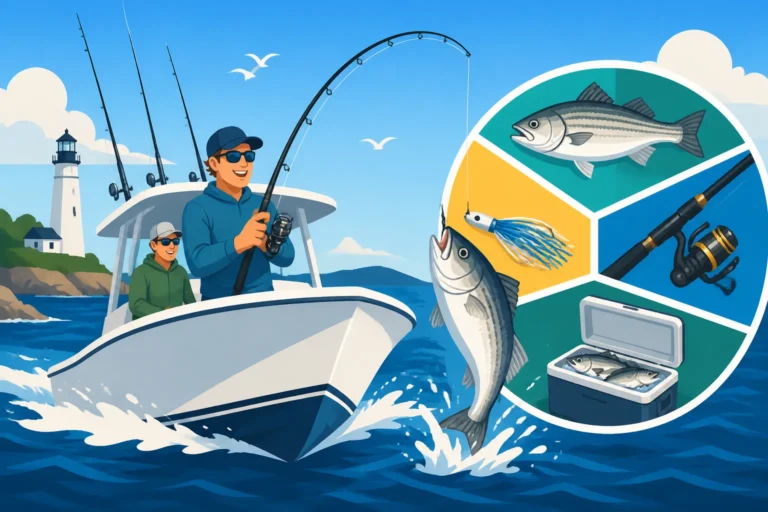
The boat itself, along with the gear provided, plays a significant role in your comfort, safety, and fishing success. Charters vary widely in their vessels, from sleek center consoles perfect for light tackle and speed to more robust cabin cruisers offering shelter from the elements. Safety should always be paramount; ensure the boat is well-maintained, equipped with all necessary safety gear, and regularly inspected. A clean, comfortable vessel makes for a much more pleasant trip, especially on longer excursions.
Beyond the boat, consider the quality of the fishing equipment. Reputable charters will provide high-quality rods, reels, and tackle that are appropriate for the target species and conditions. There's nothing worse than battling a strong fish with substandard gear. Don't be shy about inquiring about the type and condition of their tackle. Do they offer a variety of setups? Is their bait fresh? These details matter. For a more general overview of what to expect on any charter, our What to Expect on a Connecticut Fishing Charter guide can provide useful insights.
Inclusions and Exclusions: What's Covered?
Before you book, make sure you have a clear understanding of what is included in the charter price and what you might need to bring or pay for separately. Common inclusions typically cover bait, tackle, and fuel. However, some charters might offer extras like snacks, drinks, or even fish cleaning services at an additional cost. The most important inclusion to verify is the fishing license. Many Connecticut charters operate under a blanket license that covers all passengers, meaning you won't need to purchase your own. However, this isn't always the case, so it's vital to confirm this detail to avoid any last-minute surprises or legal issues. Our guide to the Connecticut Fishing License Guide for 2026 can help clarify requirements if you do need your own.
A transparent breakdown of costs prevents misunderstandings and helps you budget accurately for your trip. Always ask about things like tip policy (which is customary and important for the crew) and any fees for fish cleaning or packaging. Knowing exactly what you're paying for and what to expect financially upfront will contribute to a stress-free experience.
The Greenwich Fishing Charter Experience: What to Expect
Embarking on a fishing charter from Greenwich isn't just about catching fish; it's about the entire experience, from the moment you confirm your booking until you're back on solid ground with your tales (and hopefully your catch) of the day.
Preparing for Your Trip: Before You Board
Preparation is key to a smooth and enjoyable charter. Once you've booked your trip, the captain will likely provide you with details on meeting times, location, and what to bring. Always confirm the exact departure point, as marinas in Greenwich can be extensive. Check the weather forecast for the day of your trip, but also trust your captain's judgment, as they are the ultimate authority on safe operating conditions. Dress in layers, as conditions on the water can change quickly, even on a sunny day. A good hat, polarized sunglasses, and non-marking shoes are highly recommended. Sunscreen is an absolute must, even on cloudy days, as the sun's reflection off the water can be intense.
Bring any personal items you might need, such as snacks, drinks, medication, and a camera to capture the memories. A small cooler to transport your catch home is also a good idea. If you're prone to seasickness, take preventative measures well before boarding; once you're on the water, it's often too late. Most importantly, arrive on time or a few minutes early. Charters operate on a tight schedule, and delaying the departure can cut into valuable fishing time for everyone.
Onboard Comfort and Safety
Once you step aboard a Greenwich charter, your captain and crew will prioritize your safety and comfort. They will typically provide a safety briefing, pointing out important equipment like life jackets (which are legally required for children under a certain age and always available for adults), fire extinguishers, and first-aid kits. If you're wondering about general boating safety rules, our Connecticut Safe Boating Certificate Requirement provides additional context. Listen attentively to their instructions, especially regarding movement on deck and handling of fishing gear. These are professionals, and their guidance is for your benefit.
The boat will likely have a restroom facility, and there will be designated areas for gear and personal belongings. Your captain will guide the boat to the fishing grounds, which might involve a scenic ride through the calm inner harbor before heading out into the more open waters of Long Island Sound. During this transit, feel free to ask questions, enjoy the views, and get to know your crew. This is where the relaxation begins, setting the tone for a memorable day. You might even spot some local marine wildlife along the way, such as ospreys, seals, or even dolphins during certain times of the year.
Catching, Cleaning, and Conservation
The main event, of course, is the fishing! Once at the chosen spot, your crew will assist you in baiting hooks, demonstrating proper casting or jigging techniques, and helping you land your catch. They're there to offer guidance and encouragement, especially for newer anglers. Be prepared for varying levels of action; fishing is, after all, unpredictable. Some days are non-stop, others require more patience. That's part of the charm!
It's also important to be aware of Connecticut Saltwater Fishing Regulations by Species, as there are specific size and creel limits for many popular fish. Your captain will be well-versed in these rules and will ensure all regulations are followed. For any fish you decide to keep, most charters offer fish cleaning and filleting services at the end of the trip, often for a small additional fee. This is a huge convenience, as it means you take home ready-to-cook fillets. For fish that are released, the crew will often demonstrate best practices for catch and release to ensure the fish's survival, emphasizing conservation and sustainable fishing practices.
Popular Fish Species Targeted by Greenwich Charters
The waters around Greenwich offer a bounty of diverse marine life, making it a fantastic destination for targeting several popular sportfish and delicious table fare. Knowing what's available can help you decide what kind of trip you want to book.
Striped Bass: The Coveted Gamefish
The striped bass, or "striper," is perhaps the most sought-after game fish in Long Island Sound, and Greenwich charters have excellent access to prime striper grounds. These powerful fish are migratory, moving into and through the Sound during the warmer months, offering incredible angling opportunities. Stripers can range from "schoolies" (smaller fish often caught in good numbers) to true trophy-sized specimens that can weigh many pounds. They are known for their strong runs and aggressive strikes, making them a thrilling adversary on a rod and reel.
Greenwich captains employ a variety of techniques to target striped bass, including live-lining bunker or eels, casting artificial lures like topwater plugs or soft plastics, and sometimes trolling. The best times to target stripers are typically during the spring and fall migrations, but resident fish can be found throughout the summer. Fishing during dawn, dusk, or even at night can be particularly productive for larger fish, as they move into shallower water to feed. If you're serious about landing a big one, a specialized striper trip is highly recommended. You can learn more about their movements in our Striped Bass Migration Along the Connecticut Coast article.
Fluke (Summer Flounder): Delicious Bottom Dwellers
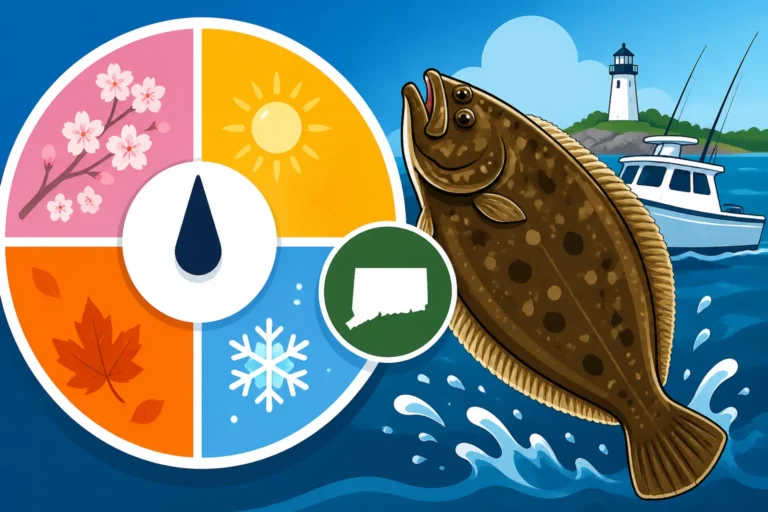
Fluke, also known as summer flounder, are another highly popular target from Greenwich charters, cherished both for their challenging fight and their delectable white meat. These flatfish are masters of camouflage, lying in wait on sandy or muddy bottoms, often near structure or changes in depth. They are aggressive ambush predators, and catching them often involves drifting over promising grounds with bait or jigs. Fluke season in Connecticut typically runs from late spring through early fall, providing a long window of opportunity.
Charters targeting fluke from Greenwich will often focus on the many channels, humps, and drop-offs within Long Island Sound. Anglers typically use a "fluke rig" consisting of a lead sinker, a baited hook (often with squid strips or spearing), and sometimes a teaser. The key is to keep your bait moving along the bottom, simulating a wounded baitfish. When a fluke hits, it's often a distinct thud or a series of sharp tugs. Landing a legal-sized "doormat" fluke is a badge of honor among local anglers, and they make for an excellent dinner! For more on these fish, consider reading our guide on Fluke Habits in Long Island Sound.
Blackfish (Tautog) and Black Sea Bass: Structure Specialists
For those who enjoy a more technical and challenging fight, blackfish (tautog) and black sea bass are excellent targets from Greenwich. Both species are "structure specialists," meaning they are almost exclusively found around rocky bottoms, wrecks, reefs, and other underwater formations. Blackfish are notoriously powerful for their size, capable of pulling an angler into the rocks if not handled quickly, while black sea bass are known for their firm, white meat and tendency to school in impressive numbers.
Blackfish fishing, often referred to as "togging," is a popular pursuit in the cooler months of spring and fall. Charters will anchor directly over known rock piles or artificial reefs, and anglers will drop down baits like green crabs or hermit crabs. It requires a delicate touch to feel the subtle bite, followed by a strong hookset and a quick retrieve to prevent the fish from diving back into the rocks. Black sea bass, on the other hand, are often caught by jigging or bait fishing over similar structure, but typically in slightly deeper water during the warmer months. Both species offer a rewarding challenge and are highly prized for their eating quality.
Booking Your Greenwich Fishing Charter: Tips and Considerations
Booking a fishing charter should be an exciting part of your trip planning, not a stressful one. With a few key considerations, you can ensure a smooth process and secure the best possible experience out of Greenwich.
Best Times to Book for Peak Seasons
Like any popular fishing destination, certain times of the year are considered "peak season" for specific species. For example, if you're chasing trophy striped bass, the spring (late May/June) and fall (September/October) migrations are prime. For fluke, the summer months (July/August) are usually most productive. Knowing the Best Time of Year to Fish in Connecticut and aligning your trip with your target species' peak activity will greatly increase your chances of success. However, this also means these dates book up quickly.
To secure your preferred date and captain, it's always best to book well in advance, especially if you're planning a weekend trip or a trip during a major holiday. For peak season, consider booking 2-3 months out, or even earlier for highly sought-after captains. If you're more flexible, last-minute openings can sometimes be found, but it limits your options. Don't be afraid to call captains and discuss their availability and what they recommend for the time you're considering. Many captains run trips seven days a week during the season, so mid-week dates might offer more flexibility. For a detailed breakdown of what's biting when, explore our Connecticut Fishing Seasons by Month guide.
Understanding Pricing and Tipping Etiquette
Fishing charter prices in Greenwich, like anywhere, can vary based on the duration of the trip (half-day, full-day), the size of the boat, the number of passengers, and the type of fishing. Generally, prices are quoted per trip, not per person, up to a certain maximum number of passengers. Always confirm the total cost upfront, including any potential fuel surcharges or fees for cleaning fish. It’s also wise to clarify the cancellation policy, especially regarding weather. Reputable captains will always prioritize safety and reschedule if conditions are unsafe.
Tipping the crew is customary and highly recommended. These professionals work incredibly hard, both on and off the water, to ensure you have a great experience. A typical gratuity is around 15-20% of the total charter cost. This should be given directly to the mate, or to the captain to distribute to the crew. Consider it a thank you for their hard work, assistance, and expertise throughout the day. For more detailed insights, refer to our guide on Tipping Etiquette for Connecticut Fishing Charters.
Leveraging Online Booking Platforms
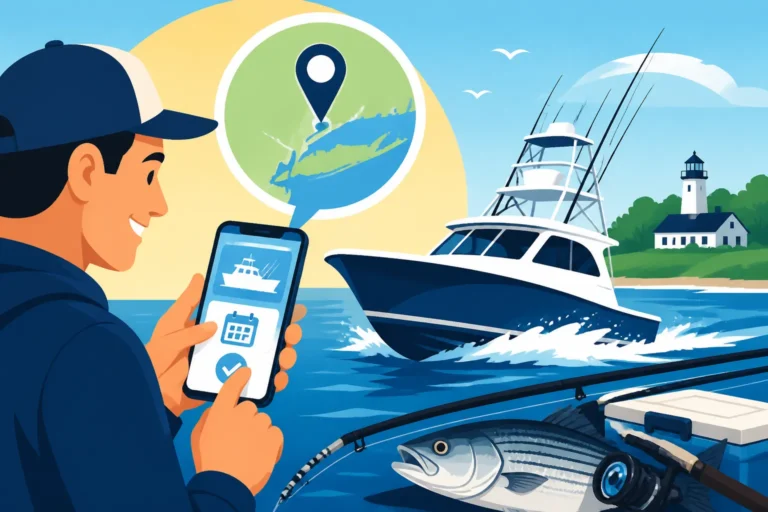
In today's digital age, online booking platforms have become invaluable tools for finding and reserving fishing charters. Websites like FishingBooker offer a convenient way to browse numerous charters operating out of Greenwich, compare prices, read reviews from other anglers, and check availability all in one place. These platforms often provide detailed profiles for each captain, including information about their vessel, target species, and what's included in their trips. This transparency makes it easier to find a charter that perfectly matches your expectations and budget.
When using such platforms, pay close attention to recent reviews. They can offer valuable insights into the captain's demeanor, the boat's condition, the crew's helpfulness, and the overall fishing success rate. Don't just look at the star rating; read the actual comments. While it's great to directly contact a captain you find, using a platform like FishingBooker can streamline the initial research and booking process, giving you confidence in your choice. It's an efficient way to cut through the noise and connect with reliable operators.
Disclaimer
This article is for general informational purposes only and does not constitute professional advice. Laws, prices and regulations vary by location and change over time. Consult a qualified professional for guidance on your specific situation.