What to Bring on a Connecticut Fishing Charter
Heading out on a Connecticut fishing charter is one of the best ways to experience the abundant waters of Long Island Sound or even some of our larger inland lakes, but it can be a little overwhelming trying to figure out what you actually need to bring. You want to be prepared for a great day on the water without overpacking or forgetting something crucial that could make your trip uncomfortable or less enjoyable. This guide is here to walk you through exactly what you should consider packing, from the absolute necessities to those "nice-to-have" items that can really elevate your experience.
Essentials You Can't Forget
Before you even think about your favorite lucky fishing hat or that special lure, there are a few non-negotiable items that absolutely must make it into your bag. Forgetting these can either halt your trip before it even begins or make for a truly miserable day. We've all been there, scrambling at the last minute, so let's make sure that doesn't happen to you.
Your Fishing License and Identification
This is probably the single most important item. No matter how much you've paid for a charter, if you don't have a valid Connecticut fishing license (and often a marine registration if you're saltwater fishing, depending on your residency and the charter's setup), you won't be able to drop a line. Many people assume that because they're on a charter, the captain's license covers everyone, but that's simply not true for individual anglers. Each person over the legal age requirement (which can vary, so always check the latest Connecticut Fishing License Age Requirements) needs their own license.
Make sure your license is current and appropriate for the waters you'll be fishing. If you're heading out into Long Island Sound, you'll likely need a marine or an all-waters license. For inland trips on lakes or rivers, an inland license is necessary. You can often purchase these online and either print them out or display them digitally on your phone, but it's always a good idea to have a physical copy if possible, especially since phone batteries can die. Don't forget a form of identification, like a driver's license, especially if you're a nonresident, as this helps confirm your license status and eligibility for different license types. Some captains might even ask to see it. It’s also wise to check the latest regulations, as specific species might require additional stamps, like the Connecticut Trout and Salmon Stamp, Explained if you're targeting those.
Appropriate Clothing for Connecticut Weather
Connecticut weather, especially on the water, can be famously unpredictable. A sunny, calm morning can quickly turn into a breezy, chilly afternoon, or even a sudden downpour. Layering is your absolute best friend when packing for a fishing charter. Think about bringing clothing that you can easily add or remove as conditions change throughout the day.
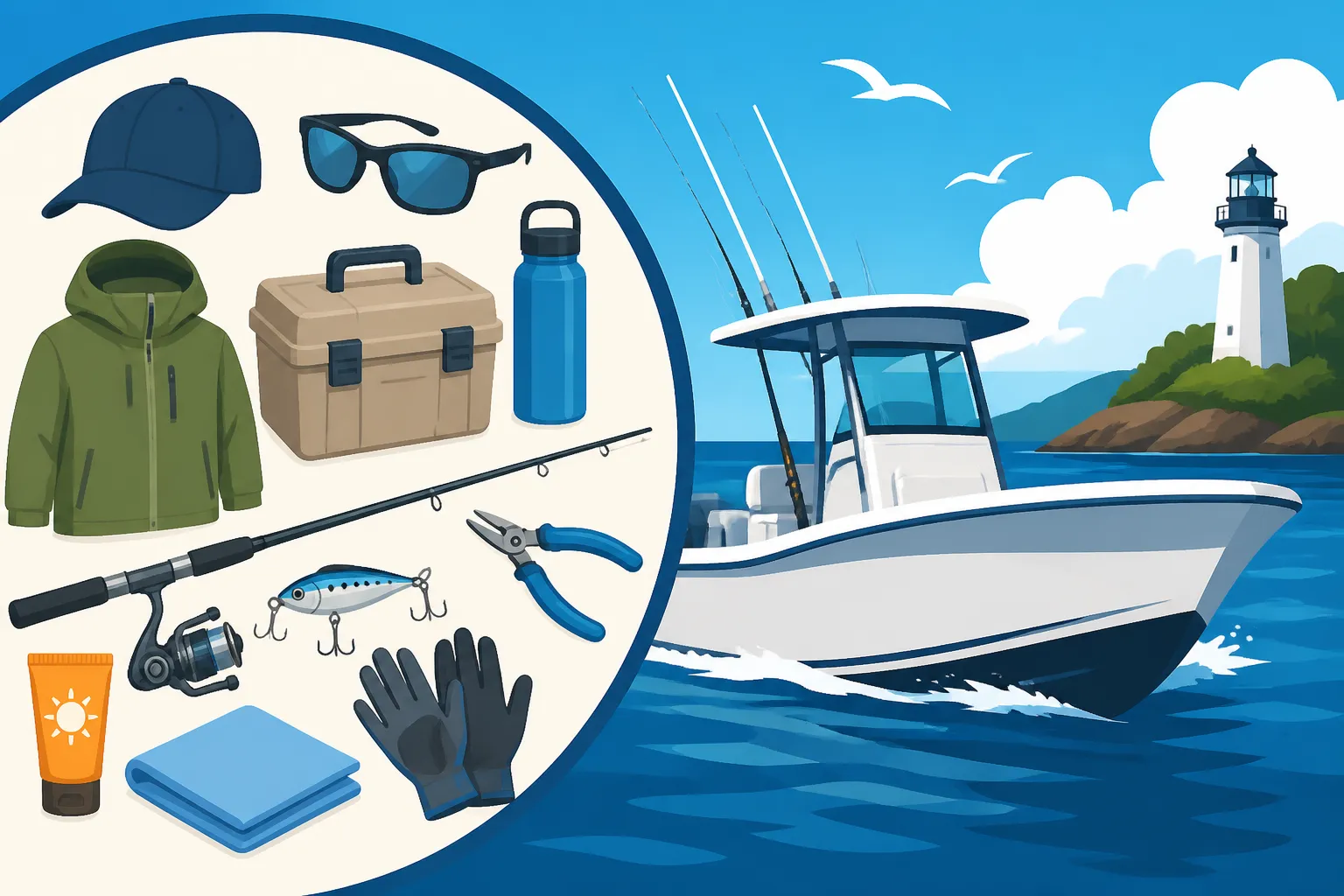
Start with a moisture-wicking base layer, even in summer, as it can help regulate your body temperature. Over that, a long-sleeved shirt offers sun protection and a bit of warmth. Always, always, always bring a waterproof and windproof outer shell, like a good quality rain jacket. Even if the forecast looks clear, a rogue spray or an unexpected shower can leave you soaked and miserable if you're unprepared. In cooler months, add a warm fleece or sweater. And don't forget waterproof pants if you have them – sitting on a wet deck for hours is no fun. Comfortable, non-slip shoes are also a must; boat decks can be slick, and you'll want good traction for safety. Consider rubber boots if you're prone to wet feet.
Sun Protection and Eyewear
The sun's rays are intensified on the water due to reflection, and even on cloudy days, harmful UV radiation can cause severe sunburn. Sun protection is critical, even if you think you "never burn." Pack a wide-brimmed hat that offers shade for your face, ears, and neck. Baseball caps are okay, but they often leave your ears exposed, which is a common spot for sunburn.
High-quality polarized sunglasses are another non-negotiable item. Not only do they protect your eyes from the sun's glare and UV rays, but they also significantly reduce glare on the water, allowing you to see deeper into the water. This can be a huge advantage for spotting fish, structure, or even just navigating safely. Plus, they protect your eyes from stray hooks or lines. Reapply a broad-spectrum sunscreen with at least SPF 30 frequently throughout the day, especially after getting wet or sweating. Don't forget lip balm with SPF to protect your lips!
Comfort and Personal Care Items
While your charter captain will focus on getting you to the fish, your personal comfort is ultimately up to you. Thinking ahead about small amenities can make a big difference in how much you enjoy your time on the water.
Food, Drinks, and Snacks
A day of fishing can be surprisingly strenuous, and you'll work up an appetite. Most charters don't provide food or drinks, so you'll need to pack your own. Bring plenty of water to stay hydrated, as dehydration can sneak up on you, especially under the sun. Electrolyte drinks can also be a good idea.
Pack non-perishable snacks and sandwiches that are easy to eat with one hand. Think granola bars, fruit, nuts, chips, and pre-made sandwiches. Avoid anything too messy or that requires extensive preparation. A small, soft-sided cooler is usually perfect for keeping your provisions fresh without taking up too much space. Remember, alcohol policies vary by charter; always check with your captain beforehand if you plan to bring any adult beverages. Some charters have strict no-alcohol rules or specific guidelines. You might even find charters on platforms like FishingBooker that explicitly state their policies on food and drink.
Motion Sickness Prevention
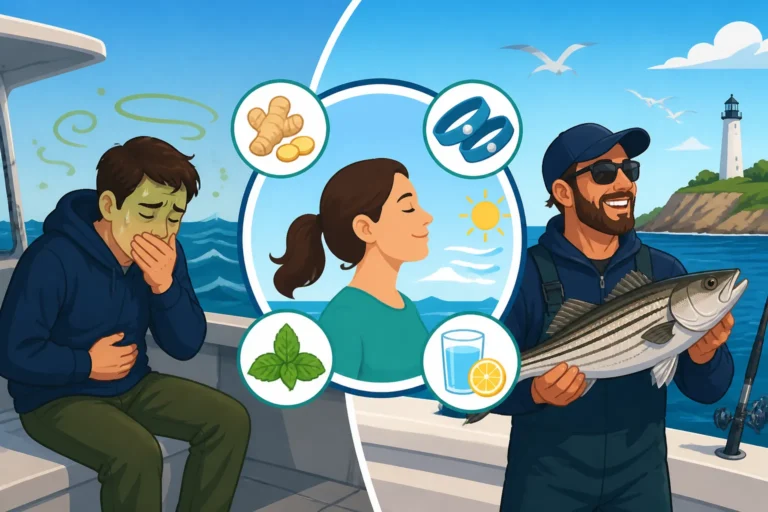
Even if you've never experienced seasickness before, being on a boat for hours, especially in choppy Long Island Sound conditions, can bring it on. It's far better to be prepared than to spend your entire trip feeling queasy. Over-the-counter motion sickness medications like Dramamine or Bonine are effective for many people, but they often work best if taken before you board the boat. Read the instructions carefully.
Alternative remedies like acupressure wristbands or ginger chews also work for some. If you're particularly susceptible, consider talking to your doctor about prescription patches. Once you start feeling sick, it's often too late for the medication to be truly effective. Staying on deck in the fresh air, focusing on the horizon, and avoiding looking at your phone or reading can also help. Don't let motion sickness ruin your chance to experience some great Striped Bass Fishing in Long Island Sound or other fantastic catches.
Personal Hygiene and First Aid
While charter boats typically have basic first-aid kits, it's a good idea to bring a small personal kit with any specific medications you might need. This includes things like ibuprofen for headaches, antacids for an upset stomach, or any prescription medications you take regularly. Don't rely on the boat's supply for your personal needs.
Hand sanitizer is invaluable after handling bait or fish and before eating. Small towels or rags can also be incredibly useful for wiping hands or cleaning up small messes. Sunscreen, as mentioned, is a must. If you wear contact lenses, consider bringing a pair of glasses as a backup in case your eyes get irritated. Even something as simple as a small packet of tissues can be a lifesaver when you're out on the water.
Gear Considerations (Even if Provided by Charter)
Most fishing charters provide all the necessary rods, reels, and terminal tackle. This is a huge benefit, especially for beginners or those traveling from out of state who don't want to transport their own gear. However, there are still some gear-related items you might want to consider bringing.
Optional Personal Tackle and Lures
While your charter captain will have boat-specific gear and bait, some anglers prefer to bring their "lucky" rod and reel or a specific lure they've had success with. If you do decide to bring your own rod and reel, always check with the captain beforehand. Boat space can be limited, and they might have specific requirements or preferences. They'll also tell you if your gear is appropriate for the target species and conditions. Bringing a light spinning rod for smaller fish or an extra fly rod for Fly Fishing for Trout in Connecticut (if it's an inland river charter) might be acceptable, but don't show up with a full arsenal without prior approval.
Many charter captains welcome guests bringing their own preferred lures or jigs, especially if they are proven fish-catchers for the species you're targeting. Just make sure they are within the general size and weight range the captain recommends. It shows enthusiasm and a willingness to participate! This can be particularly true if you're targeting specific species like Fluke Fishing in Long Island Sound where a favorite jig might make all the difference.
Cameras and Electronics
You'll definitely want to capture those memories, whether it's the sunrise over Long Island Sound or that trophy fish you landed. A camera or your smartphone is essential. Just be mindful of the marine environment. Saltwater spray, accidental drops, and general dampness can be harsh on electronics. Consider a waterproof case or a dedicated waterproof camera (like a GoPro).
Bring a portable power bank and charging cables for your phone, as outlets on boats can be scarce or occupied. You don't want your battery to die just as you're reeling in a monster! Many captains are happy to take photos of your catch, so don't be shy about asking. If you bring binoculars, ensure they are marine-grade and waterproof, as they can be great for spotting birds working bait or other boats in the distance.
Coolers and Fish Storage
So, you've landed your limit of delicious Black Sea Bass Fishing in Connecticut – now what? Most charters have a main cooler on board for the day's catch, but it's a really good idea to bring your own empty cooler for transporting your fillets home. This keeps your catch fresh and separate from the boat's cooler, especially if you have a long drive.
Make sure your cooler is clean and consider bringing a bag of ice to add to it at the end of the trip. Many captains will fillet your fish for you, or at least clean them, but confirm this service when booking your charter. If they don't, you might want to bring some large Ziploc bags or freezer bags to store your catch safely. A small, soft-sided cooler for your personal food and drinks, and a larger hard cooler for your fish, is usually a good setup.
Important Documents and Payment
While the emphasis is often on the gear and comfort items, neglecting the practicalities of booking and payment can lead to awkward situations.
Charter Confirmation and Contact Info
Before you leave home, make sure you have all your charter details easily accessible. This includes the captain's name, boat name, departure time, dock location, and contact phone number. Print out your confirmation email or have it saved on your phone. Even if you've booked through a platform like FishingBooker, it's good to have the direct captain's contact info.
There's nothing worse than arriving at the marina in the dark, trying to find your boat, and not having the exact slip number or captain's phone to call. Unexpected delays, changes in weather, or simply needing directions are all reasons to have this information readily available. A quick call to confirm the evening before or morning of your trip is also a good habit.
Tipping and Payment Considerations
Tipping your charter captain and crew (if applicable) is customary and greatly appreciated, much like in a restaurant. The industry standard is typically 15-20% of the charter fee, assuming you had a good experience. The crew works hard to ensure your safety, comfort, and success, from preparing gear to cleaning fish.
It's a good idea to bring cash for tips, as not all captains or mates will have card readers, and it avoids any potential processing fees. If you've booked a charter that requires final payment upon arrival, confirm the accepted payment methods beforehand. Don't assume they take credit cards; some prefer cash or check. Having the payment ready makes for a smooth and respectful departure from the dock. Reviewing Tipping Etiquette for Connecticut Fishing Charters can give you even more clarity.
Emergency Contact Information
While we always hope for the best, it's wise to carry emergency contact information with you, separate from your phone. A small card in your wallet with the names and phone numbers of a couple of contacts can be invaluable in an unforeseen circumstance, especially if your phone is lost or damaged.
Include any critical medical information, such as allergies or ongoing conditions, that might be important for first responders to know. While rare, accidents can happen, and being prepared can ease potential complications. Most captains are highly trained in first aid and safety, but this extra step is for your own peace of mind.
For Families and First-Timers
Taking kids or going on your first charter trip can be an amazing experience. A little extra planning ensures everyone has a great time and avoids common pitfalls.
Keeping Kids Engaged and Comfortable
Fishing charters are fantastic family activities, but children, especially younger ones, can sometimes get bored or restless during downtime between bites. Pack a small bag of entertainment for them: a book, a small toy, or even a simple deck of cards can make a big difference. Just avoid anything that could easily blow overboard.
Comfort is key for kids. Ensure they have appropriate clothing for all weather conditions, plenty of snacks and drinks, and that vital motion sickness medication if needed. Sun protection is even more critical for sensitive young skin. A life jacket will be provided for them on the boat, but make sure it fits properly. Talking to the captain beforehand about kid-friendly fishing techniques or even what species are most active can help manage expectations and make the trip more exciting for them. Some charters are specifically advertised as Best Guided Kids Fishing Trips in Connecticut for this reason.
Questions to Ask Your Captain Before You Go
Don't be shy! A good captain wants you to have a great trip. Before you even set foot on the boat, confirm a few key things. Ask about what fish species you'll be targeting and what methods they typically use. This helps you understand the day's agenda and manage expectations. Inquire about fish cleaning services and if there's a cooler on board for the catch.
Ask about the bathroom situation (head) on the boat, especially if you're bringing children or have specific needs. Clarify the expected duration of the trip and if there's a specific return time. If you have any concerns about seasickness, mentioning it to the captain can lead to helpful advice. Reputable charters often list these details on their booking pages, which is another reason why resources like FishingBooker can be helpful when choosing a charter, as they often provide detailed descriptions of what's included and what to expect.
Items to Leave at Home
Just as important as knowing what to bring is knowing what not to bring. Overpacking can be a nuisance on a boat with limited space, and some items are simply inappropriate or restricted.
Excessive Gear and Valuables
Unless you've explicitly cleared it with your captain, leave your tackle box collection at home. Charter boats typically have everything needed, and too much personal gear just clutters the deck, creating trip hazards. Limit yourself to a small bag or backpack for your personal items.
It's also a good idea to leave expensive jewelry, watches, or other non-essential valuables at home. Boats are dynamic environments where things can get lost, damaged, or fall overboard. Even if you're careful, a sudden wave or a lively fish can send your sunglasses or phone flying. Bring only what you need and what you're comfortable getting wet or potentially losing.
Restricted Items on Charters
This might seem obvious, but some items are strictly prohibited on fishing charters for safety or legal reasons. Illicit substances are universally forbidden. Firearms or weapons are generally not allowed unless you have express permission from the captain and proper licenses, which is rare for a recreational fishing trip.
Also, be mindful of bringing excessive amounts of alcohol, even if the charter allows it. Safety is paramount, and intoxication can quickly turn a fun trip into a dangerous situation. Your captain has the final say on what is allowed on their vessel, and their decisions are made with everyone's safety in mind. Always respect their rules and guidelines. Understanding Connecticut Boating Laws for Anglers can also help clarify general safety expectations.
Here's a quick summary table of what to consider bringing, based on whether it's essential, recommended, or optional:
| Category | Essential (Must-Have) | Recommended (Good to Have) | Optional (Check with Captain) |
|---|---|---|---|
| Documents & ID | CT Fishing License, Photo ID, Charter Confirmation | Emergency Contact Info, Cash for Tip | |
| Clothing & Comfort | Layers, Waterproof Jacket, Non-Slip Shoes, Hat | Warm Fleece/Sweater, Waterproof Pants, Sunglasses | Change of Clothes for after trip |
| Sun & Personal Care | Sunscreen (high SPF), Lip Balm with SPF | Motion Sickness Meds (taken in advance), Hand Sanitizer | Personal Medications, Small Towel, Glasses (backup) |
| Food & Drink | Water (plenty!), Snacks, Easy-to-Eat Food | Electrolyte Drinks, Small Soft Cooler | Approved Alcoholic Beverages (check policy) |
| Gear & Electronics | Camera/Smartphone | Portable Power Bank, Waterproof Case for Phone/Camera | Your "Lucky" Rod & Reel, Favorite Lures |
| Post-Fishing | Empty Cooler for Fish, Ziploc/Freezer Bags, Ice | ||
| For Kids (Additional) | Small Entertainment, Kid-friendly snacks |
Remember, a little preparation goes a long way in ensuring your Connecticut fishing charter is a memorable and enjoyable experience. Whether you're chasing trophy Smallmouth Bass Fishing in Connecticut on a freshwater lake or battling stripers in the Sound, being prepared lets you focus on the thrill of the catch!
Disclaimer
This article is for general informational purposes only and does not constitute professional advice. Laws, prices and regulations vary by location and change over time. Consult a qualified professional for guidance on your specific situation.