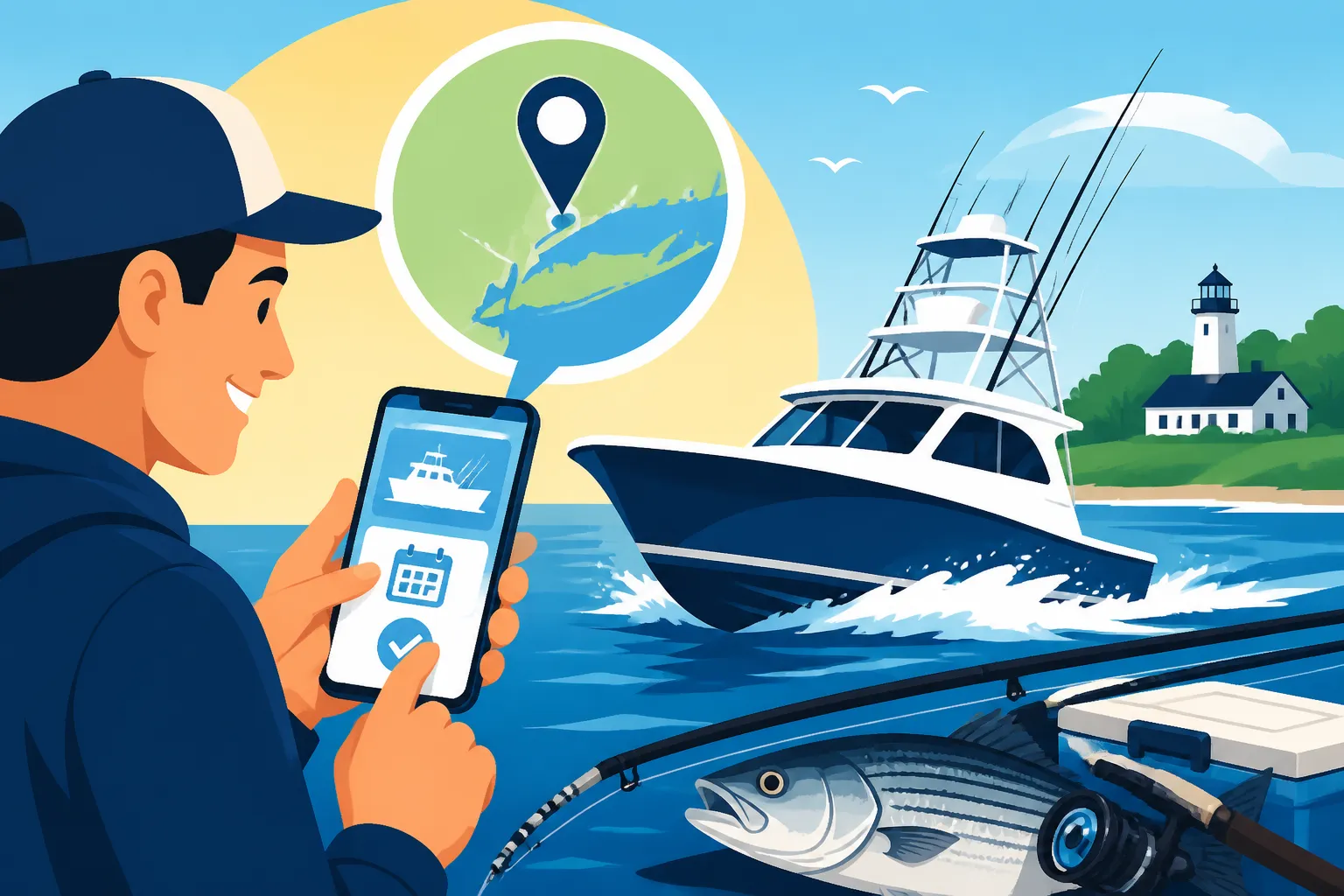
How to book a fishing charter out of Greenwich
Finding a reliable and enjoyable fishing charter out of Greenwich, Connecticut, can feel like navigating a maze, especially with so many options and details to consider, from what you'll catch to who you'll fish with. This guide will walk you through everything you need to know, making the process of booking your next Long Island Sound fishing adventure straightforward and stress-free.
Understanding Your Greenwich Fishing Charter Needs
Before you even start looking at boats, it's really helpful to sit down and think about what kind of fishing experience you're truly hoping for. Just saying "I want to go fishing" is a great start, but Greenwich and the surrounding waters of Long Island Sound offer such a diverse range of opportunities that a little planning can make all the difference in finding the perfect trip.
Defining Your Target Species and Trip Type
Are you dreaming of battling a powerful striped bass, or would you prefer the steady action of catching delicious fluke and black sea bass? The fish you want to target will heavily influence the type of boat, the gear, and even the time of year you should book your trip. Greenwich is a fantastic jumping-off point for targeting a variety of popular saltwater species. For instance, if you're keen on the thrill of a big striped bass, especially in the spring or fall, your charter captain will likely focus on different structures and tides than if you're after summer flounder (fluke). Bluefish are another popular target, known for their aggressive strikes and strong fights, often found in the same areas as stripers. Then there's blackfish, or tautog, which are incredible fighters around rocky bottom and jetties, primarily fished in the cooler months of spring and fall. Knowing what you want to catch helps the captain tailor the trip to your expectations.
Beyond the species, think about the kind of trip you want. Are you looking for an inshore adventure, staying closer to the coastline and navigating shallower waters, perhaps around the many islands and reefs of Western Long Island Sound? Or do you envision an offshore excursion, venturing further out into deeper federal waters for species like black sea bass or even venturing towards Block Island or Montauk for more intense action? While true deep-sea, canyon-style fishing isn't typically what you book out of Greenwich, extended Long Island Sound trips can feel like a significant journey. Also, consider the duration: a half-day trip is fantastic for families, beginners, or those with limited time, offering a taste of the action without full-day commitment. A full-day trip, on the other hand, allows more time to travel to prime spots, adapt to changing conditions, and maximize your fishing time, often leading to a wider variety of catches or a better chance at that trophy fish.
Group Size and Experience Level
Who's coming along on this fishing trip? The size of your group is a critical factor, as boats have strict passenger limits set by the Coast Guard. A smaller center console might comfortably fit 2-4 anglers, perfect for a focused, intimate trip, while a larger party boat or sportfisher can accommodate 6 or more, ideal for bigger families or a group of friends. It's not just about fitting everyone on board; it's also about comfort and space for casting and fighting fish. If you have a larger group, you'll need a charter boat specifically designed to handle that many people. You'll often find that larger private charters have a set base rate for a certain number of people (e.g., 1-6 passengers), with an additional charge for each person beyond that up to their maximum capacity.
Your group's collective fishing experience also matters. Are you bringing along first-timers or young children who need a lot of hands-on help? A captain and crew who are patient, experienced with kids, and willing to teach can turn a good trip into an unforgettable memory. Many charters cater specifically to families or beginners, offering instruction on casting, baiting hooks, and identifying fish. On the flip side, if you and your buddies are seasoned anglers looking for a serious challenge – perhaps fly fishing for striped bass on the flats or jigging for large fluke over deep structure – you'll want a captain who understands those techniques and is prepared to chase specific opportunities. Make sure to communicate your group's experience level when booking; it helps the captain manage expectations and plan the best possible trip for everyone involved. Some trips are even geared towards Best Guided Trips for Beginners in Connecticut or Best Guided Kids Fishing Trips in Connecticut.
Navigating the Booking Process for Greenwich Charters
Once you have a clearer idea of your ideal fishing experience, it's time to start searching for the perfect charter. The booking process can seem a bit daunting at first, with so many options and considerations, but breaking it down into a few key steps will make it much more manageable. You want to ensure you're getting a reputable captain, a safe boat, and a trip that aligns with your expectations.
Where to Find Reputable Greenwich Fishing Charters
The first step is knowing where to look. Traditionally, people would visit local marinas or rely on word-of-mouth recommendations, which are still excellent ways to find a great captain. If you're strolling through the docks at the Greenwich Harbor or the Indian Harbor Yacht Club, you might spot some charter boats and even chat with captains directly. However, in today's digital age, online platforms have become incredibly popular and efficient resources. Websites like FishingBooker, for example, aggregate listings for numerous charters, allowing you to browse options, compare boats, read reviews from past customers, and even book directly online. This can be a huge time-saver and provides a transparent way to see what others are saying about a particular captain or crew.
When you're sifting through listings, whether online or by talking to people, pay close attention to several key details. Look for detailed descriptions of the boat, including its size, amenities (like a restroom or shaded area), and the type of fishing it's set up for. High-quality photos of the boat and past catches are always a good sign. Most importantly, pour over customer reviews. Real-world feedback from other anglers who have experienced the charter firsthand is invaluable. Look for consistent praise regarding the captain's knowledge, the crew's helpfulness, the condition of the gear, and overall customer service. A charter with a long history of positive reviews, perhaps even a "Certificate of Excellence" or similar recognition on platforms like FishingBooker, usually indicates a reliable and enjoyable experience. Don't be shy about asking for references if you're booking offline or directly.
Key Questions to Ask Before Booking
Once you've narrowed down your choices, it’s time to start asking questions. Don't feel like you're being pushy; a professional charter captain will appreciate your thoroughness and be happy to provide all the information you need. One of the most important things to clarify is what exactly is included in the price. Does it cover all necessary fishing gear, bait, and tackle? Most reputable charters do, but it's always good to confirm, especially if you have specific preferences or plan to bring your own specialized equipment. You might also ask about fish cleaning services – some captains offer to clean and bag your catch at the end of the trip, while others might charge a small fee or simply direct you to a fish cleaning station.
Another critical area is the captain's experience and local knowledge. While all licensed captains are competent, some specialize in certain types of fishing or specific areas of the Sound. Ask how long they've been running charters in Greenwich, what their favorite species to target are, and what strategies they employ. It's also vital to understand their cancellation policy, especially regarding weather. Connecticut weather can be unpredictable, and you need to know what happens if the trip needs to be rescheduled due to unsafe conditions. What happens if weather cancels a Connecticut charter is a common question, and reputable charters will have a clear policy for refunds or rescheduling. Finally, clarify whether a Connecticut fishing license is required for each individual angler. While many charters have a blanket permit, it's safer to assume you'll need your own, especially for saltwater. Knowing the answers to these questions upfront will prevent any unwelcome surprises on the day of your trip.
Understanding Pricing and What Affects It
Let's be realistic – fishing charters aren't usually cheap, but they offer an incredible value for the experience, expertise, and equipment provided. The cost of a Greenwich fishing charter can vary quite a bit, depending on several factors. The duration of your trip is a primary determinant: a half-day trip will naturally be less expensive than a full-day excursion, simply because of the time commitment involved. Longer trips allow the captain to travel further to find the best fishing grounds, burn more fuel, and spend more hours on the water. Another significant factor is the size and type of boat. Larger, more luxurious sportfishing yachts with enclosed cabins and multiple amenities will generally command a higher price than a smaller, more utilitarian center console. The number of anglers in your group also plays a role. Most private charters have a base price for a certain number of passengers (e.g., up to 4 or 6 people), with an additional fee per person if you exceed that number. This covers the additional bait, tackle wear-and-tear, and crew attention needed for more anglers.
The specific species you plan to target can also subtly influence the cost. Trips that require specialized gear, longer travel times to specific fishing grounds, or more intensive fishing techniques (like deep dropping for black sea bass or specific techniques for trophy striped bass) might come at a premium. Fuel costs are a huge component for any boat operation, so longer runs will always factor into the pricing. Keep in mind that prices are dynamic and can change with demand, season, and fuel costs, so it's always best to check the current rates directly with the charter operator or on their listing page, such as those found on FishingBooker. It’s also wise to inquire about any hidden fees, though most reputable charters are transparent about their costs. Sometimes gratuity for the mate is not included and should be factored into your budget.
Here's a quick comparison of common charter trip types:
| Trip Type | Typical Duration | Target Species Focus | Ideal For | Key Considerations |
|---|---|---|---|---|
| Half-Day | 4-5 hours | Fluke, Bluefish, smaller Stripers | Families, beginners, shorter attention spans | Stays closer to shore, less travel time, quicker action |
| Full-Day | 7-9 hours | Trophy Stripers, Black Sea Bass, Fluke, Blackfish | Experienced anglers, serious fishermen, variety of species | More travel time, deeper waters, better chance at larger fish |
| Inshore | Variable | Striped Bass, Bluefish, Fluke, Scup | Anglers preferring calmer waters, quick access to action | Often sight fishing, jigging, or light tackle casting |
| Offshore | 8+ hours | Black Sea Bass, Cod (seasonal) | Anglers seeking bigger fish, longer journeys | Can involve longer runs, rougher seas, specialized gear |
| Private | Variable | Tailored to group's preference | Groups of friends/family, custom experience | More expensive, but offers exclusivity and flexibility |
| Shared/Open | Variable | Whatever is biting | Solo anglers, budget-conscious individuals | Fixed schedule and targets, less personalized attention |
Preparing for Your Greenwich Fishing Adventure
Booking the charter is a big step, but your preparation doesn't end there! A little foresight can significantly enhance your comfort and enjoyment on the water. From packing the right items to understanding local regulations and even appreciating the hard work of your crew, being prepared ensures a smoother, more successful day.
Essential Gear and What to Bring
While your Greenwich fishing charter will undoubtedly provide all the necessary rods, reels, tackle, and bait, there are several personal items you should bring along to ensure a comfortable and enjoyable day on the water. First and foremost, think about the weather. Even on a warm summer day, it can be significantly cooler and windier out on Long Island Sound. Layered clothing is always a smart choice – a light base layer, a fleece or sweatshirt, and a waterproof/windproof jacket are usually ideal. Sun protection is absolutely crucial, even on cloudy days. Pack a wide-brimmed hat, sunglasses (polarized ones are a bonus for spotting fish!), and high-SPF sunscreen. You'll be exposed to direct sunlight reflecting off the water for hours.
Footwear is another important consideration. Opt for non-slip shoes with good traction, like deck shoes, boat shoes, or even old sneakers. Avoid flip-flops or open-toed sandals, as docks and boat decks can be slippery or have sharp objects. Don't forget snacks and drinks to keep your energy up throughout the trip. While some charters might offer bottled water, it's best to bring your own supply, along with any favorite snacks, sandwiches, or non-alcoholic beverages. And if you plan to keep your catch, bring a cooler (separate from your food/drink cooler) to transport your cleaned fish home. Some charters might have ice, but confirming beforehand or bringing your own bag of ice is a good idea. Lastly, if you're prone to seasickness, take preventative medication well before the trip begins – don't wait until you feel queasy! Seasickness tips for a Connecticut fishing charter can be incredibly helpful.
Understanding Local Regulations and Licensing
Even when fishing on a charter boat, it's generally a good practice to have your own Connecticut saltwater fishing license. While the captain’s commercial license covers the boat, individual anglers are often still required to possess their own license, especially for recreational take. Always double-check this with your specific charter captain when booking. Obtaining a license is easy and can often be done online through the Connecticut Department of Energy and Environmental Protection (DEEP) website or at various local vendors. For saltwater fishing in Connecticut, you'll typically need a Marine Waters Fishing License. Connecticut Fishing License Age Requirements and How to Buy a Fishing License Online in Connecticut are good resources.
Beyond licensing, it's important to be aware of the general fishing regulations, even if your captain will guide you on the specifics. These regulations cover minimum and maximum size limits, daily creel (possession) limits, and specific seasons for various species like striped bass, fluke, bluefish, and blackfish. These rules are put in place to ensure sustainable fish populations, and adherence is critical. Your charter captain is an expert on these regulations, and they will ensure that your fishing activities are compliant. However, having a basic understanding yourself means you can participate responsibly. For example, knowing the Connecticut Striped Bass Slot Limit and Season can enhance your understanding of why certain fish might be kept and others released.
Tipping Etiquette and Post-Trip Considerations
A successful fishing charter involves a lot of hard work from your captain and often a mate. From preparing the boat and tackle before you arrive to putting you on the fish, helping with lines, netting catches, and cleaning up afterward, they put in long hours to make your trip enjoyable. Tipping is a customary and expected way to show your appreciation for their service. The general rule of thumb for tipping a fishing charter captain and mate is similar to what you'd tip in a restaurant: typically 15-20% of the total charter cost. If you had an exceptional experience, a more generous tip is always appreciated. It's usually best to tip the mate directly, as they often handle the most hands-on work with the anglers throughout the day.
After the trip, you'll have your catch to think about! Most charters that offer fish cleaning services will clean, fillet, and bag your fish for you, ready to take home. Remember to have that separate cooler ready with ice. If you didn't manage to bring a cooler, many marinas have ice available for purchase. Don't forget to take some photos of your catch and your group to commemorate the day – your captain might even be happy to snap a few for you. Finally, consider leaving a review for your charter captain, especially on platforms like FishingBooker. Your feedback helps other anglers make informed decisions and gives valuable recognition to the hard-working crew who made your trip possible.
Maximizing Your Charter Experience
You've done the research, booked the boat, and packed your bags. Now, how do you ensure that your time on the water is truly memorable and as productive as possible? It often comes down to clear communication, flexibility, and making the most of every moment.
Communication is Key
Once you're on board and underway, don't clam up! Effective communication with your captain and crew is paramount to a successful trip. Before you even leave the dock, reiterate your goals and expectations for the day, even if you discussed them during booking. This helps the captain solidify their plan, especially if conditions have changed since your initial conversation. For instance, if you said you wanted to target striped bass but now realize your kids are more interested in just getting consistent bites from anything, let them know. They are there to make your trip enjoyable, and often can adjust plans accordingly.
Throughout the trip, pay attention to the captain's instructions and advice. They know the local waters, the fish patterns, and the best techniques for the day's conditions. If they suggest a particular retrieve, bait presentation, or ask you to reel in a certain way, trust their expertise. Don't hesitate to ask questions, whether it's about fishing techniques, local lore, or the species you're catching. Most captains love to share their knowledge. Also, if you or someone in your group isn't feeling well, or if you need a break, communicate that immediately. They can often make adjustments, slow down, or move to a calmer area to ensure everyone's comfort and safety. A good captain is responsive and wants everyone to have a great time.
Being Flexible with Mother Nature
One of the biggest lessons any angler learns is that Mother Nature is always in charge. The weather forecast can change, fish can move, and conditions on the water are rarely exactly as predicted. While your captain will always prioritize safety and won't go out in truly dangerous weather, a little wind, chop, or passing shower is often part of the adventure. Be prepared for changes and go with the flow. A skilled captain will constantly be assessing conditions, using their knowledge to adapt their strategy. They might move to a more sheltered spot if the wind picks up, or switch from one target species to another if the bite isn't happening.
Embrace the unpredictability! Sometimes the best fishing days happen when the weather is less than perfect, as it can concentrate bait and game fish. If a particular spot isn't producing, trust your captain if they decide to pull anchor and move. Their goal is the same as yours: to find fish and make sure you have a memorable experience. Trying to force a specific plan or getting frustrated by conditions beyond anyone's control will only detract from your enjoyment. Remember that Best Time of Year to Fish in Connecticut can vary greatly, and even within a single day, conditions can shift dramatically. Flexibility is key to maximizing your fun, no matter what the Sound throws at you.
Making the Most of Your Catch
So, you've landed some beautiful fish! Now what? Making the most of your catch starts with proper handling on the boat. Your crew will typically know how to properly dispatch and store fish to ensure the best quality for the dinner table. If you plan to release fish, particularly larger ones, listen carefully to instructions on how to handle them quickly and gently to maximize their survival chances. Striped bass catch and release survival tips are always good to know.
Once back at the dock, if your charter offers fish cleaning services, take advantage of it. A skilled mate can fillet your fish quickly and efficiently, often preparing them better than you could yourself, saving you time and mess at home. If you're bringing your own cooler, ensure you have plenty of ice to keep the fillets fresh on the journey home. Don't let your hard-earned catch go to waste! There are countless delicious ways to prepare fresh fish, from simple pan-searing to grilling or baking. Consider sharing some of your bounty with friends or family; it's a great way to spread the joy of your fishing adventure. And remember, the experience of catching your own dinner from the waters off Greenwich is truly a special one.
Disclaimer
This article is for general informational purposes only and does not constitute professional advice. Laws, prices and regulations vary by location and change over time. Consult a qualified professional for guidance on your specific situation.