Best Guided Trips for Beginners in Connecticut
Embarking on a fishing adventure in Connecticut can feel a bit overwhelming when you're just starting out. Between understanding local regulations, figuring out the right gear, and locating those secret fishing holes, it’s easy to get discouraged before you even cast a line. This guide is designed to help beginner anglers navigate the exciting world of Connecticut fishing by exploring the best-guided trip options available, taking the guesswork out of your first big catch.
Why a Guided Trip is Perfect for Beginner Anglers in Connecticut
For many budding anglers, the sheer volume of information and equipment choices can be a significant barrier to entry. You might find yourself staring at rows of lures in a tackle shop, completely bewildered, or wondering if you even need a Connecticut Fishing License Guide for 2026 for that small pond. This is where a guided fishing trip truly shines, offering a welcoming and educational entry point into the sport, especially in a diverse state like Connecticut.
Learning the Ropes from a Pro
One of the biggest advantages of a guided trip for beginners is the invaluable opportunity to learn directly from experienced professionals. These guides have spent years, if not decades, mastering the local waters, understanding fish behavior, and perfecting their techniques. Imagine trying to figure out the subtle nuances of How to Catch Smallmouth Bass in Connecticut Rivers on your own versus having someone show you exactly where to cast, how to retrieve, and what to look for. They’ll patiently explain why certain baits or lures are effective, how to properly set the hook, and the best ways to handle different species once you land them.
Beyond the practical skills, a good guide will also instill a deep appreciation for the environment and the importance of conservation. They can teach you about fish identification, the delicate ecosystem of Connecticut's waterways, and how to practice responsible catch and release, ensuring the sustainability of our fisheries. This hands-on, one-on-one (or small group) instruction dramatically accelerates your learning curve, turning potentially frustrating trial-and-error into an enjoyable and successful educational experience. You’ll leave not just with memories, but with a solid foundation of knowledge to build upon for your future fishing endeavors.
Skipping the Gear Headache
Let's be honest, fishing gear can be expensive and confusing. Do you need a lightweight spinning rod for trout, a heavy-duty setup for striped bass, or a specialized fly rod? What about reels, lines, leaders, hooks, weights, and a tackle box full of various lures and baits? The cost of outfitting yourself from scratch can be prohibitive, and making the wrong purchases can lead to frustration and wasted money. For someone just starting, this is often one of the biggest deterrents.
A guided trip eliminates this major hurdle. Most reputable guides and charters, particularly those catering to beginners, provide all the necessary rods, reels, tackle, and even bait. This means you don't have to invest a dime in equipment before you even know if fishing is a hobby you'll stick with. You can try out different types of gear, get a feel for what you like, and learn what works in specific situations without any upfront financial commitment. It’s like test-driving a car before buying it, but for fishing. This all-inclusive approach makes fishing immediately accessible and removes a huge source of stress for novices.
Accessing Prime Fishing Locations
Knowing where to fish is often half the battle, especially in a state like Connecticut with its diverse freshwater and saltwater opportunities. Public access points can be crowded, and finding productive, lesser-known spots requires local knowledge and often, a boat. Guides, by their very nature, possess an intimate understanding of the best fishing locations, whether it's a secluded trout stream or a productive reef in Long Island Sound.
They know where the fish are hiding based on the season, water conditions, and even time of day. This means you're not spending precious fishing time driving around or casting into barren waters. Instead, you're put right on the fish, maximizing your chances of success. They also have the necessary vessels, whether it's a comfortable charter boat for saltwater adventures or a drift boat for river fly fishing, to get you to these prime spots safely and efficiently. You get to experience the thrill of fishing in truly fantastic locations that you might never discover on your own, making for a much more rewarding first experience.
Types of Guided Trips Ideal for Beginners
Connecticut offers a fantastic variety of fishing environments, from tranquil inland lakes and winding rivers to the dynamic waters of Long Island Sound. This diversity means there's a guided trip perfect for every beginner's interest and comfort level. Choosing the right type of trip can make all the difference in your first outing.
Freshwater Guided Trips (Lakes & Rivers)
For many beginners, freshwater fishing feels a bit less intimidating than the vastness of the ocean. Connecticut's lakes and rivers are teeming with species like largemouth and smallmouth bass, trout, and various panfish, offering consistent action that’s perfect for learning the basics. A guided trip on a lake like Candlewood Lake or Bantam Lake could focus on species like Largemouth Bass Fishing in Connecticut or even Northern Pike Waters in Connecticut, teaching you how to cast near structure, identify bites, and reel in your catch. Guides often operate from comfortable bass boats or smaller john boats, allowing easy access to coves and submerged features where fish congregate.
River trips, such as those on the Farmington or Housatonic Rivers, often target trout – Trout Fishing in Connecticut is a huge draw here. These trips might involve wading in shallower sections or drifting in specialized boats, offering a unique perspective and a chance to learn river dynamics. You'll gain a deeper understanding of how current affects fish behavior and how to present baits or lures effectively. Freshwater guides are usually experts in finding accessible spots that provide consistent action, helping you build confidence with every cast and every fish brought to the boat.
Saltwater Inshore Guided Trips (Long Island Sound)
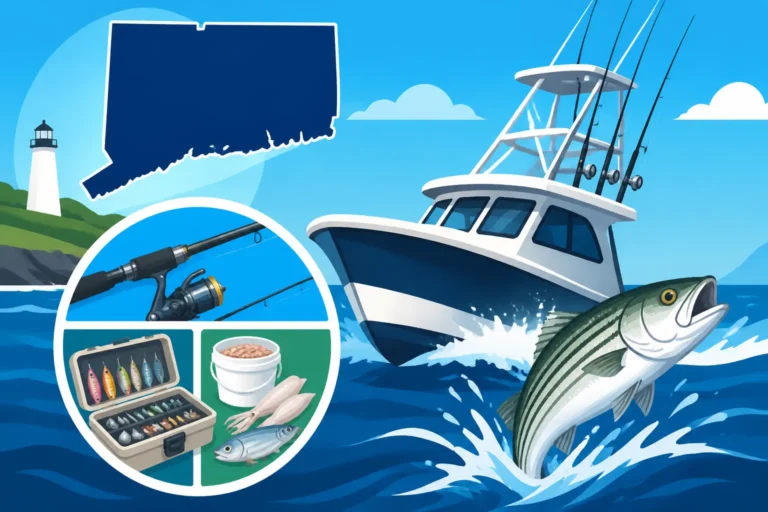
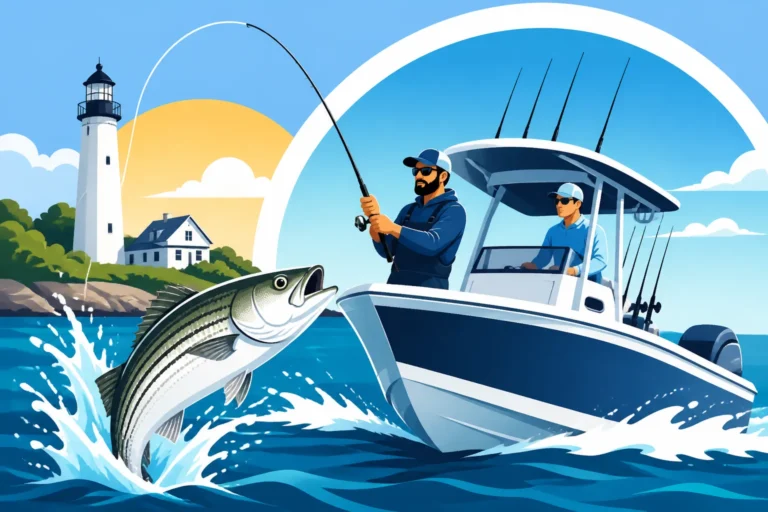
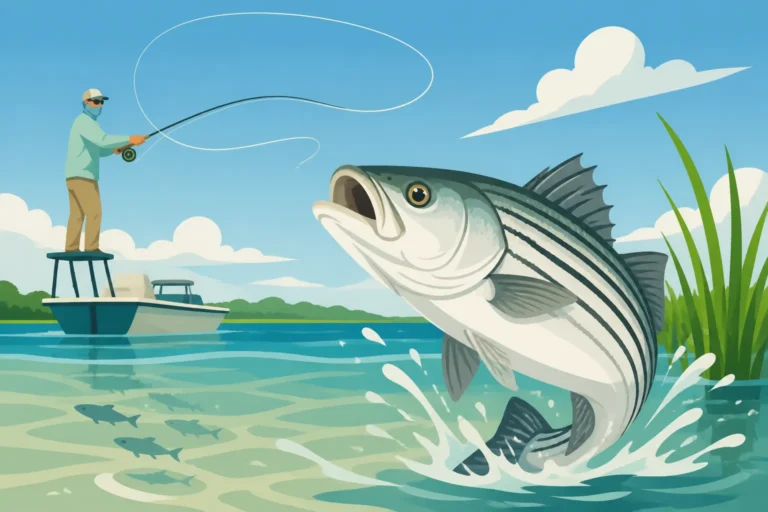
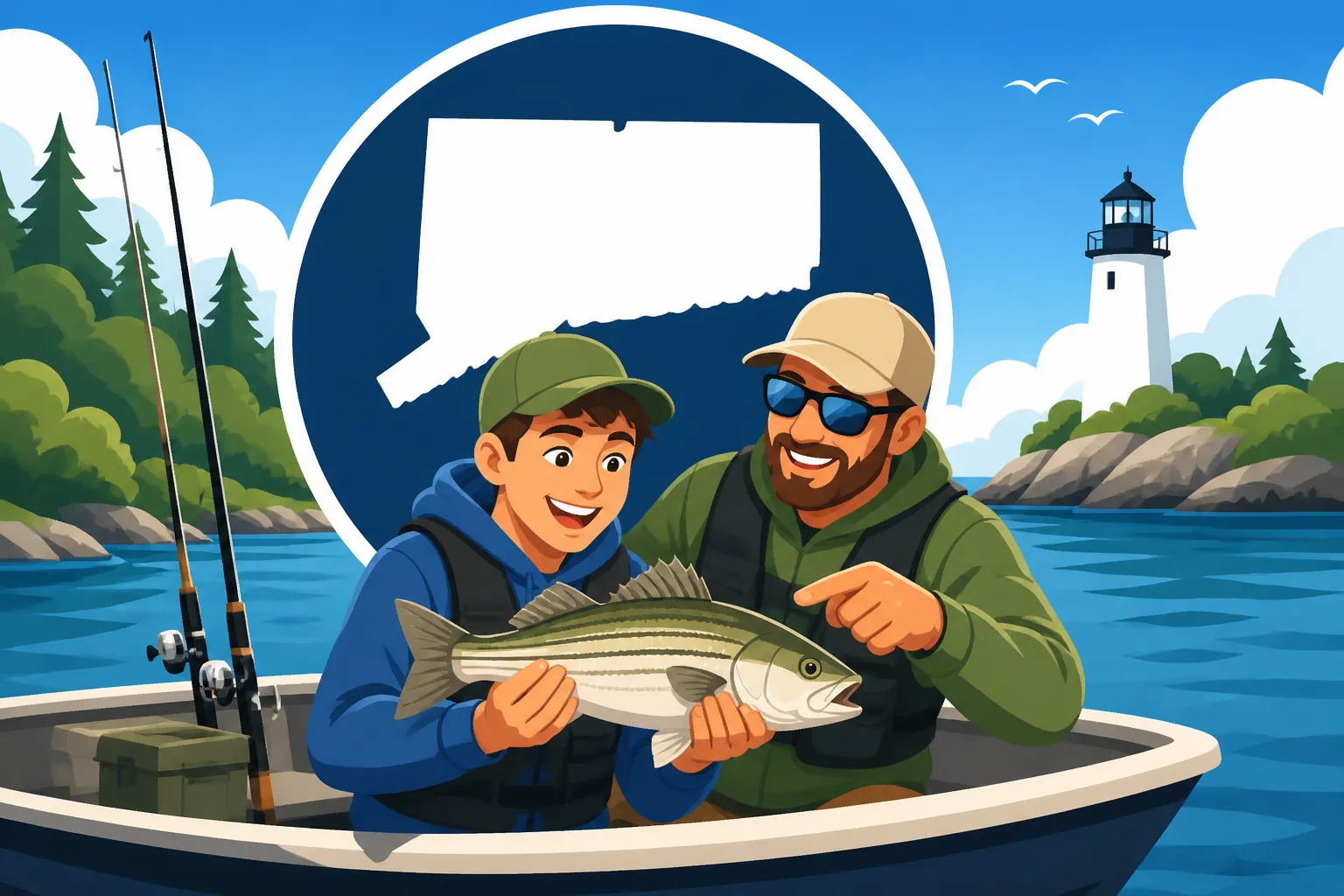
If the idea of coastal fishing excites you, a saltwater inshore guided trip on Long Island Sound is an excellent choice for beginners. These trips typically stay closer to shore, in calmer waters, targeting popular species like striped bass, bluefish, and fluke. You won't be heading miles offshore into rough seas, which can be a relief for those new to boating or prone to seasickness. Guides on these trips often use center console boats or similar vessels, designed for comfortable fishing and easy maneuverability around the many reefs, rocky shorelines, and tidal flats of the Sound.
You'll learn valuable techniques like casting poppers for aggressive bluefish, jigging for Fluke Fishing in Long Island Sound, or even live-lining for big Striped Bass Fishing in Long Island Sound. A captain will teach you about tides, currents, and how to read the water for signs of fish activity. These trips offer the thrill of battling powerful saltwater fish without the complexities of deep-sea angling, providing an exhilarating and educational experience that can easily hook you on the joys of marine fishing. Many beginners find it helpful to search for captains who explicitly state they welcome first-timers on platforms like FishingBooker, which makes finding the right fit easy.
Fly Fishing Introductions
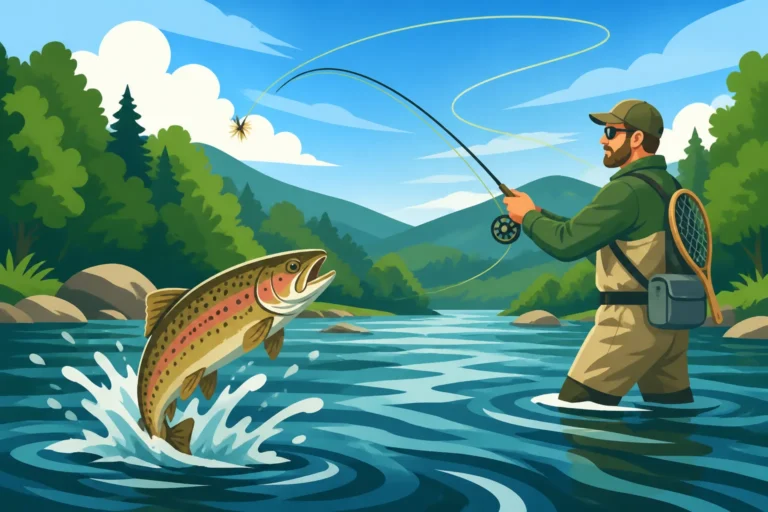
Fly fishing has a reputation for being complex, but with the right guide, it can be an incredibly rewarding and beginner-friendly experience, especially in Connecticut's renowned trout streams. Guides specializing in Fly Fishing for Trout in Connecticut will start with the absolute basics, often beginning with casting lessons on grass before even approaching the water. They’ll teach you the rhythm and mechanics of a proper cast, how to mend your line, and the art of presenting a fly naturally.
Once on the water, usually a gentle river like parts of the Farmington or Housatonic, you'll learn about insect hatches, choosing the right fly pattern, and how to read the water to identify potential holding spots for trout. A good fly fishing guide emphasizes patience and observation, turning the focus from simply catching fish to understanding the subtle dance between angler and nature. While it might take a bit more dedication than conventional fishing, the satisfaction of catching your first trout on a fly you presented yourself is unparalleled. Many guides offer half-day introductory courses that are perfect for getting your feet wet without committing to a full day.
What to Look for in a Beginner-Friendly Guide or Charter
Choosing the right guide is paramount for a successful and enjoyable first fishing experience. Not all guides are created equal, and what makes a great guide for an experienced angler might not be ideal for someone just learning the ropes. When you’re looking to book a Best Guided Trips for Beginners in Connecticut, keep these key qualities in mind.
Patience and Teaching Prowess
This is arguably the most important attribute for a beginner-friendly guide. An experienced angler might just need to be put on the fish, but a novice needs instruction, encouragement, and understanding. Look for guides who genuinely enjoy teaching and have a reputation for patience. They should be able to break down complex fishing concepts into simple, understandable steps, celebrate small victories, and remain calm when a cast goes awry or a knot gets tangled.
A great teaching guide will ask about your experience level beforehand and tailor the trip accordingly. They'll show you how to tie basic knots, explain rod and reel mechanics, and demonstrate proper casting techniques repeatedly without frustration. It's not just about getting you to catch a fish, but about empowering you with the knowledge and skills to eventually fish independently. Websites and booking platforms like FishingBooker often feature reviews where previous clients mention a guide's patience and teaching abilities, which can be incredibly helpful for making an informed choice.
Focus on Safety and Comfort
Your first fishing trip should be fun and stress-free, and that includes feeling safe and comfortable throughout the experience. A reputable guide or charter captain will always prioritize safety. This means having all necessary safety equipment on board (life jackets, first-aid kit, communication devices), explaining safety protocols clearly, and operating a well-maintained, seaworthy vessel. For saltwater trips, particularly, make sure the captain is properly licensed, which includes a U.S. Coast Guard (USCG) Captain's license. You can usually find information about a charter's safety record and captain's credentials through booking sites or direct communication.
Comfort is also key. Is the boat spacious enough? Is there shelter from the sun or rain? Are there restrooms available, especially for longer trips? For freshwater wading trips, does the guide provide appropriate waders and boots, and do they choose safe, easy-to-navigate sections of the river? A comfortable environment allows you to relax and focus on learning, rather than being distracted by discomfort or anxiety. Discuss these practical aspects before booking to ensure your first outing is as pleasant as possible.
All-Inclusive Packages
For beginners, simplicity is golden. The less you have to worry about, the more you can enjoy the experience. Seek out guides or charters that offer all-inclusive packages. This typically means:
- All Fishing Gear: Rods, reels, line, tackle, and bait are provided.
- Licenses (Sometimes): While you generally need your own Connecticut Fishing License Age Requirements, some charter boats operate under a blanket license that covers passengers for certain types of fishing. Always clarify if you need to purchase your own license beforehand.
- Fish Cleaning: Many guides will clean and bag your catch at the end of the trip, ready for you to take home and cook.
- Instruction: Explicitly stated focus on teaching and guiding beginners.
An all-inclusive approach streamlines the entire process, removing the need for you to research, buy, or transport any equipment. It allows you to simply show up, learn, and fish. This often leads to a more relaxed and enjoyable trip, fostering a positive first impression of the sport. Make sure to confirm what exactly is included when you book, so there are no surprises on the day of your adventure.
Preparing for Your First Guided Fishing Adventure
Even though a guided trip removes much of the logistical burden, a little preparation on your part can significantly enhance your experience. Knowing what to expect and what to bring will help you feel more confident and allow you to absorb more of the valuable lessons your guide will offer.
Asking the Right Questions Before You Book
Before you commit to a trip, take the time to have a conversation with your potential guide or charter captain. This is your opportunity to ensure they’re a good fit for a beginner and to clarify any uncertainties. Here are some questions to consider:
- "Do you specialize in beginner trips? What's your approach to teaching new anglers?"
- "What species will we be targeting, and what techniques will we use?" (This helps set expectations and ensures you're interested in the type of fishing.)
- "What exactly is included in the trip fee (gear, bait, licenses, fish cleaning, snacks/drinks)?" Confirming this prevents surprises, especially regarding Connecticut Fishing License Cost.
- "What should I bring with me?"
- "What's your policy on weather cancellations or rescheduling?"
- "What's the typical duration of the trip, and what time do we start?"
- "How many other anglers will be on the boat/trip?" (Smaller groups are often better for focused instruction.)
- "Is there a restroom available on the boat?" (Crucial for longer trips, especially for families.)
Having these conversations ensures both you and the guide are on the same page, leading to a smoother, more enjoyable day on the water. Don't be shy; a good guide will appreciate your thoroughness.
What to Wear and What to Bring (Beyond the Gear)
While your guide will provide the fishing gear, you’ll still need to bring a few personal items to ensure your comfort and protection throughout the day. The weather in Connecticut can be unpredictable, so dressing in layers is always a smart move.
Here's a checklist of essentials:
- Sun Protection: Sunglasses (polarized are great for seeing into the water!), a wide-brimmed hat, and plenty of sunscreen. Even on cloudy days, UV rays can be intense.
- Appropriate Clothing: Dress in layers. A base layer, a fleece or sweater, and a waterproof/windproof outer shell are ideal, even in summer. Mornings can be chilly on the water, and sudden rain showers aren't uncommon. For saltwater trips, waterproof footwear is highly recommended.
- Food and Drink: While some charters might provide basic refreshments, it's always wise to bring your own water, snacks, and any specific beverages you prefer.
- Cooler: If you plan on keeping your catch, bring a small cooler to transport your filleted fish home.
- Camera: To capture those memorable first catches and scenic views.
- Motion Sickness Medication: If you're prone to seasickness, take medication before you board for saltwater trips.
- Small backpack or dry bag: To keep your personal items organized and protected from spray.
Remember, a guide's boat can be wet, so consider a dry bag for electronics. And don't forget your enthusiasm and an open mind ready to learn!
Understanding Expectations and Etiquette
Setting realistic expectations for your first trip is important. While guides work hard to put you on fish, fishing is still fishing – there are no guarantees. Focus on the learning experience, enjoying the outdoors, and the thrill of the chase, rather than solely on the number or size of fish caught.
In terms of etiquette, here are a few points:
- Be Punctual: Arrive a few minutes early for your scheduled departure time.
- Listen to Your Guide: They are the experts on their boat and local waters. Pay attention to their instructions, especially regarding safety and casting.
- Be Respectful: Treat the guide, their equipment, and the environment with respect. Avoid littering.
- Tipping: Tipping your guide is customary and highly appreciated if you had a good experience. A common guideline is 15-20% of the trip cost, similar to other service industries. This acknowledges their hard work, knowledge, and efforts to make your trip enjoyable.
- Clean Up: Before you leave the boat, take a moment to ensure you haven't left any trash or personal items behind.
By understanding these expectations and courtesies, you contribute to a positive atmosphere, ensuring a pleasant trip for everyone involved, and leave a good impression for future bookings.
Top Connecticut Waters for Beginner Guided Trips
Connecticut's waterways offer an incredible array of opportunities for beginner anglers, with many spots that are not only productive but also beautiful and accessible. Whether you prefer the tranquility of freshwater or the excitement of the Sound, there’s a perfect spot waiting for your first cast.
Accessible Freshwater Havens
For those starting their fishing journey, Connecticut's numerous ponds, lakes, and calmer river sections provide ideal settings for a guided trip. These areas often have abundant fish populations and less challenging conditions than open water or fast-flowing rivers.
- Farmington River (Lower Sections): While the upper Farmington is known for its trophy trout and challenging fly fishing, the lower sections, particularly below the various dams, offer more accessible conventional fishing opportunities for stocked trout and other species. Many guides here cater to beginners, focusing on spin fishing techniques in easier-to-access spots. You can learn about Connecticut Trout Management Area Regulations and how to fish different river features.
- Candlewood Lake: As Connecticut's largest lake, Candlewood offers fantastic fishing for largemouth and smallmouth bass, perch, and even trout. Guides here can take you to sheltered coves and structure-filled areas where beginner anglers can consistently find action. It's a great spot to learn boat handling basics, how to use sonar, and various casting techniques in a relatively calm environment. Candlewood Lake Fishing Guide trips are popular here for a reason.
- Local State Park Ponds: Many state parks manage ponds that are regularly stocked with trout and panfish, making them excellent choices for a low-key, family-friendly guided introduction to fishing. These smaller bodies of water are usually easy to navigate, and guides can teach basic bait fishing or lure casting techniques effectively. Think of places like Hopeville Pond or Mount Tom Pond for a relaxed start.
Choosing a freshwater guide for one of these locations ensures you're focusing on learning the fundamentals in a calm, fish-rich environment.
Productive Saltwater Spots
Long Island Sound offers fantastic saltwater fishing, and several areas are particularly well-suited for beginner-guided trips due to their accessibility and consistent fish populations. These trips focus on inshore waters, keeping the ride smooth and the fishing productive.
- Niantic Bay & Mouth of the Connecticut River: These areas are renowned for their abundant striped bass and bluefish, especially during the spring and fall migrations. The mix of calmer bay waters, tidal rips, and shallow flats provides varied fishing conditions without venturing far offshore. Guides departing from Niantic or Old Saybrook have quick access to these productive waters, making them perfect for targeting Connecticut River Striped Bass Fishing for the first time. The action can be fast-paced, which is incredibly exciting for new anglers.
- The Thimble Islands (Branford): The rocky structure and numerous islands around the Thimbles create fantastic habitat for blackfish (tautog), scup (porgy), and striped bass. A guided trip here will teach you how to fish around structure, anchor effectively, and target different species with various baits. The scenic beauty also adds to the overall enjoyment of the trip.
- Near Shore Reefs and Structures: Many guides operate out of ports like Norwalk, Greenwich, or Stonington, taking clients to near-shore reefs, rock piles, and artificial structures within Long Island Sound. These spots hold a variety of species like black sea bass, scup, and fluke, offering consistent bottom fishing action. Learning to drift or anchor and present bait over these structures is a fundamental skill that guides can teach effectively. A search on FishingBooker for charters in these areas will yield many experienced captains ready to welcome novices.
These saltwater spots provide a taste of marine fishing excitement without the commitment of a full offshore excursion, offering an ideal learning environment for beginners.
Gentle Fly Fishing Rivers
For those specifically interested in fly fishing, certain rivers in Connecticut are perfect for a guided introduction, offering beautiful scenery and manageable conditions.
- The Farmington River (Catch-and-Release Sections): While it's known as a challenging, world-class trout fishery, specific sections of the Farmington are less intimidating and can be fantastic for learning fly fishing with a guide. Guides know the best spots for easy wading and effective nymphing or dry fly fishing. They can teach you about reading currents and presenting flies in various lies. The sheer beauty of the Farmington River West Branch Trout Fishing experience alone makes it worthwhile.
- Housatonic River (Upper Sections): Similar to the Farmington, the Housatonic offers excellent trout fishing, and certain upper sections, particularly within the Housatonic River Trout Management Area Fishing, can be navigated by drift boat or gentle wading, making them accessible for beginners. Guides here can introduce you to larger river dynamics and perhaps even the chance to hook into some impressive brown or rainbow trout. It's an environment where patience and technique are rewarded, and a guide can help you build both.
- Smaller Feeder Streams: Many smaller, less famous feeder streams throughout the state hold native brook trout or stocked rainbows. These intimate waters are perfect for learning short casts and basic presentations in a low-pressure environment. A guide can help you explore these hidden gems, teaching you about the delicate ecosystems and unique challenges of smaller stream fly fishing.
Choosing one of these gentle rivers for a fly fishing guide means you'll receive focused instruction in a serene environment, making the often-complex world of fly fishing feel much more approachable and enjoyable.
| Trip Type | Target Species (Beginner-Friendly) | Typical Environment | What You'll Learn | Ideal For |
|---|---|---|---|---|
| Freshwater (Lakes) | Largemouth/Smallmouth Bass, Panfish, Pickerel | Calm lakes, coves, docks | Casting, lure/bait presentation, structure fishing | Casual anglers, families, learning boat fishing |
| Freshwater (Rivers) | Stocked Trout, Smallmouth Bass | Moderate currents, riffles, pools | Wading safety, reading water, current fishing | Active learners, those interested in river dynamics |
| Saltwater Inshore | Striped Bass, Bluefish, Fluke, Scup, Black Sea Bass | Bays, harbors, nearshore reefs, tidal flats | Tides, currents, marine species ID, jigging, casting | Thrill-seekers, those wanting coastal experience |
| Fly Fishing (Rivers) | Trout (Rainbow, Brown, Brook) | Clear streams, gentle rivers | Fly casting, entomology, presentation, wading | Patient learners, nature enthusiasts, seeking a challenge |
Disclaimer
This article is for general informational purposes only and does not constitute professional advice. Laws, prices and regulations vary by location and change over time. Consult a qualified professional for guidance on your specific situation.