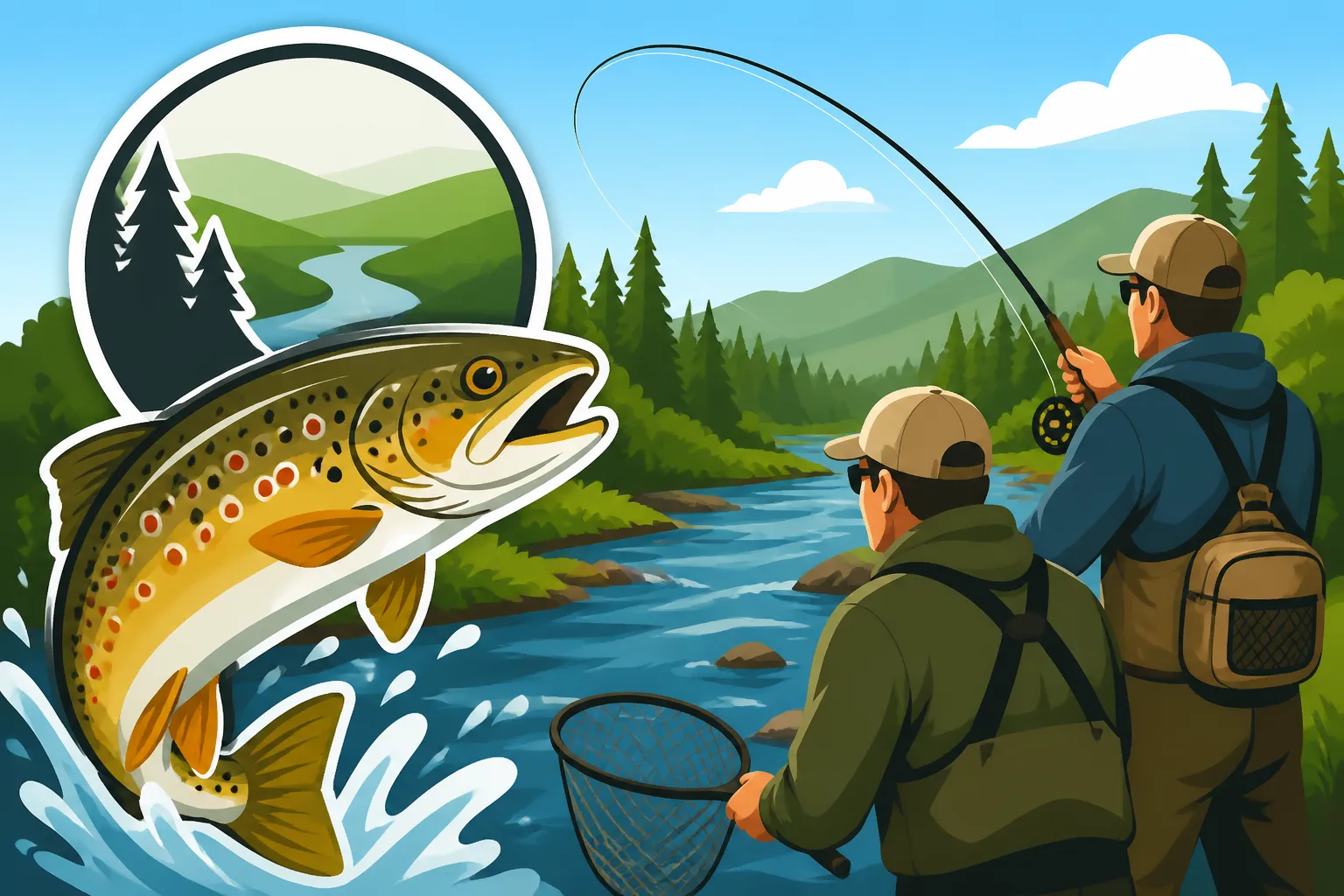
Best guide services for the Housatonic Trout Management Area
Stepping onto the banks of the Housatonic River’s renowned Trout Management Area (TMA) can feel like walking into a fly angler's paradise, yet also a bit overwhelming. You've heard the legends of big brown trout, the challenging currents, and the incredible hatches, but how do you tap into that magic without years of trial and error? Many anglers, myself included, have felt that frustration of being on prime water but not quite unlocking its secrets. This guide is here to help you navigate the world of guide services for the Housatonic TMA, ensuring you find the perfect expert to transform your fishing experience into a memorable and successful adventure.
Why a Guide for the Housatonic TMA is a Game Changer
The Housatonic River, particularly its Trout Management Area, isn't just another pretty stream. It's a living, breathing ecosystem with its own moods, secrets, and challenges. For many, venturing out there for the first time, or even the tenth, can feel like you're missing out on something. That's where a knowledgeable guide truly shines, offering an unparalleled shortcut to understanding and success. They're not just putting you on fish; they're teaching you how to read the water, understand the insects, and execute the techniques that make the Housatonic so special.
Navigating Complex Regulations and Special Rules
One of the biggest hurdles for any angler, especially those new to a specific area, is understanding and adhering to the local fishing regulations. The Housatonic TMA is a prime example of waters with very specific rules designed to protect its precious trout population. You can't just show up and start fishing with any old bait or keeping every fish you catch. There are often designated sections for catch-and-release, specific tackle restrictions, and even seasonal closures that are crucial to observe.
A good guide is a walking encyclopedia of these rules. They understand the nuances of Connecticut Trout Management Area Regulations and can tell you precisely which stretches are Connecticut Catch and Release Fly Fishing Only Waters, what flies are legal, and what the daily creel limits are, if any, in harvest sections. They know about any Connecticut Housatonic River Seasonal Closure Explained and can guide you to productive waters that are open when other sections might be off-limits. This isn't just about avoiding fines; it's about respecting the fishery and ensuring its health for future generations. Imagine spending an entire day only to realize you were fishing in a closed section or using illegal tackle – a guide prevents these frustrating and potentially costly mistakes.
Unlocking Local Knowledge and Seasonal Patterns
The Housatonic TMA is a dynamic environment, constantly changing with water levels, temperature, and insect activity. What worked last week might not work today, and what's effective in spring will likely be useless in fall. This is where a guide's intimate, day-to-day knowledge becomes invaluable. They spend countless hours on the water, observing subtle shifts, tracking hatches, and understanding how fish react to different conditions.
They can tell you precisely where the trout are holding based on the current flow, water temperature, and time of year. They know the secret seams, the productive eddies, and the hidden pockets that a casual angler might overlook entirely. For instance, in spring, they might target slower pools where trout are congregating after stocking, while in summer, they'll know the deeper, cooler runs where fish seek refuge. They also understand the Best Time of Year to Fish in Connecticut for specific species, especially trout, and how the Housatonic plays into that. They've seen the successful patterns evolve over seasons, giving you insights into everything from specific fly choices for an obscure hatch to the best approach angle for a spooky brown. This kind of nuanced understanding is built over years of dedicated fishing and isn't something you can easily glean from a quick online search or a map.
Enhancing Skill Development for All Levels
Perhaps one of the most significant benefits of hiring a guide, beyond simply catching fish, is the opportunity for skill development. Whether you're a complete novice struggling to cast or a seasoned angler looking to refine specific techniques, a guide acts as a personal instructor. They can observe your casting stroke, pinpoint inefficiencies, and offer immediate, personalized feedback that a video tutorial simply can't.
For beginners, a guide can lay a solid foundation in fundamental techniques such as roll casting, mending line, and proper fly presentation. They can teach you the basics of reading water and identifying prime trout habitat. For intermediate anglers, they might help you master advanced nymphing techniques like Euro nymphing, perfect your dry fly drifts in tricky currents, or understand how to effectively swing streamers for aggressive brown trout. They are patient teachers, able to break down complex maneuvers into understandable steps. This hands-on instruction in a real-world fishing scenario is exponentially more effective than practicing in your backyard. Think of it as accelerated learning, where every cast and every drift is a lesson with an expert by your side. You'll leave the river not only with memories of fish caught but with a vastly improved understanding of the sport.
Key Qualities to Look for in a Housatonic TMA Guide
Choosing a fishing guide isn't like picking a name out of a hat. It's about finding the right fit for your expectations, your skill level, and your desired experience. For the specific challenges and rewards of the Housatonic TMA, certain qualities stand out above others. You want someone who is not just a good angler, but an excellent teacher, a patient companion, and a responsible professional.
Deep Expertise in Fly Fishing and Gear
When fishing a renowned trout fishery like the Housatonic TMA, you want a guide who lives and breathes fly fishing. Their expertise should extend beyond merely knowing where the fish are; they should possess a profound understanding of how to catch them under varying conditions. This means they are masters of various techniques, from delicate dry fly presentations during a mayfly hatch to aggressive streamer fishing for larger, predatory browns. They should be intimately familiar with Fly Fishing for Trout in Connecticut as a whole, but specifically tailored to the Housatonic's unique characteristics.
Look for a guide who can talk extensively about Fly Patterns for Connecticut Trout Streams, explaining why a particular nymph or emerger imitation is effective on a given day, or when to switch to a larger stonefly pattern. They should also be proficient in modern techniques like Euro nymphing, which can be incredibly productive in certain sections of the Housatonic. Moreover, a great guide has an intimate knowledge of the gear. They can help you select the right rod and reel combination for the conditions, demonstrate effective leader and tippet setups, and explain the intricacies of line management in strong currents. They should come equipped with high-quality gear for you to use, or be able to offer informed recommendations if you prefer to bring your own. This depth of knowledge ensures that every aspect of your day, from casting to landing, is optimized for success and learning.
Guiding Style and Client Focus
Beyond their fishing prowess, a guide's personality and teaching style are paramount. The best guides are not just fishing machines; they are exceptional communicators and patient instructors. Consider what kind of experience you're looking for. Are you a complete novice who needs constant guidance and encouragement? Are you an experienced angler seeking to refine specific techniques or hunt for a trophy fish? The right guide will match your needs.
A great guide for the Housatonic TMA will prioritize your enjoyment and learning over their own ego or desire to show off. They'll be patient, explaining concepts clearly and demonstrating techniques repeatedly if needed. They'll celebrate your successes, no matter how small, and offer constructive feedback on your challenges. They should be adaptable, able to adjust their plans based on your skill level, the river conditions, and even your energy levels throughout the day. Some guides specialize in teaching beginners, focusing on fundamentals and ensuring a positive first experience. Others might be perfect for advanced anglers looking to chase large, wary trout, offering high-level strategies and pushing your boundaries. Reading reviews and, if possible, speaking with a guide directly before booking can give you a good sense of their approach. Platforms like FishingBooker often allow you to read detailed client reviews that touch on these aspects, helping you gauge if a guide's personality aligns with your expectations.
Safety, Licensing, and Professionalism
While fishing is about relaxation and enjoyment, safety should always be a top priority, especially when navigating a powerful river like the Housatonic. A professional guide will always put your safety first, from ensuring you have appropriate footwear for wading (check out tips like How to Wade the Farmington River Safely as a general guide to river safety) to providing necessary safety equipment if you're on a drift boat.
Ensure that any guide you consider is properly licensed and insured. In Connecticut, charter captains and guides operating for hire have specific Licensing Requirements for Connecticut Charter Captains to meet. This not only demonstrates their commitment to professionalism but also provides you with peace of mind. A truly professional guide will also communicate clearly before your trip, confirming details like meeting times, what you need to bring, and what to expect. They'll be punctual, organized, and focused on making your day seamless. They'll also respect the river and its inhabitants, practicing ethical angling and promoting conservation. This includes proper fish handling techniques, especially important in a catch-and-release heavy TMA, to ensure the health of the trout.
Choosing the Right Guide Service for Your Trip
Once you understand why a guide is so beneficial and what qualities to look for, the next step is to actually select and book your Housatonic TMA adventure. This process involves considering the type of trip you want, doing your research, and then preparing for an unforgettable day on the water.
Understanding Different Trip Types
The Housatonic TMA offers various ways to fish, and guide services cater to these different experiences. Knowing what kind of trip you prefer is crucial for selecting the right guide.
Wade Trips: Many guides on the Housatonic specialize in wade trips. This involves parking and then walking along the riverbank, entering the water to fish specific runs, pools, and riffles. Wade trips offer a more intimate connection with the river, allowing you to thoroughly explore smaller sections. They are excellent for learning Wading Techniques for Connecticut Trout Streams and understanding how to approach different types of water on foot. They are often ideal for anglers who want a more physical, exploratory experience and are comfortable moving around in the current. A guide will lead you to the most productive spots, often in sections that are inaccessible by boat, and help you navigate the terrain safely. These trips are fantastic for focused instruction on casting, fly presentation, and reading water in specific micro-environments. Many of the Best Guided Fly Fishing Trips on the Housatonic River are wade-based.
Float Trips: While less common than wade trips on the Housatonic, some guides offer float trips, typically using drift boats or rafts. This allows you to cover more water efficiently, presenting flies to untouched pockets and runs from the comfort of a boat. Float trips can be especially productive when water levels are higher or if you want to experience the full breadth of the TMA. They're great for anglers who might have mobility limitations or simply prefer to cover a lot of ground. A guide will skillfully row the boat, positioning you for optimal casts into prime fish-holding lies. This can be a more relaxed way to fish while still offering incredible opportunities for learning and catching.
Half-Day vs. Full-Day: Consider the duration of your trip. Half-day trips are typically 4-5 hours, perfect for a focused session, a refresher, or for anglers with limited time or stamina. Full-day trips, usually 8 hours, offer a more comprehensive experience, allowing for exploration of multiple sections, adapting to changing conditions, and deeper instruction. If you're looking for in-depth learning or targeting a specific species, a full-day trip usually provides the best value and opportunity.
Researching and Booking Your Adventure
With so many options, how do you find the best guide? Research is key. Start by looking for guides specifically advertising for the Housatonic TMA, as their local expertise will be unparalleled.
Online Platforms and Reviews: Websites like FishingBooker are excellent resources for finding and comparing guide services. They often feature profiles with detailed descriptions of the guide's experience, specializations, photos, and, crucially, client reviews. Reading these reviews can give you invaluable insights into a guide's personality, teaching style, and success rates. Look for common themes in positive reviews – do people praise their patience? Their knowledge of local patterns? Their ability to put them on fish? Pay attention to any mentions of specific techniques they excel at, such as nymphing or dry fly fishing.
Direct Contact and Referrals: Don't hesitate to reach out to guides directly via their websites or phone. A quick conversation can tell you a lot about their communication style and willingness to tailor a trip to your needs. Ask about their experience on the Housatonic, their preferred techniques, and what they typically provide (e.g., tackle, flies, lunch). Word-of-mouth referrals from fellow anglers are also incredibly valuable, as they come with a built-in level of trust. Local fly shops in the area, such as those in Cornwall or Kent, can also be fantastic resources for guide recommendations, as they often work closely with local professionals.
Comparison Table: Housatonic TMA Guide Service Considerations
| Feature/Aspect | Beginner-Friendly Guide | Experienced Angler's Guide |
|---|---|---|
| Primary Focus | Fundamentals, casting, basic water reading, positive experience | Advanced techniques, trophy hunting, specific hatches, skill refinement |
| Patience Level | High – emphasizes clear instruction, repetition, encouragement | Moderate to high – assumes some base knowledge, focuses on nuances |
| Technique Expertise | Strong in basic nymphing, indicator fishing, dry fly basics | Master of Euro nymphing, precise dry fly, streamer tactics, reading complex currents |
| Gear Provided | Usually all necessary tackle, waders, flies | Often has high-end loaner gear, but expects client to have some of their own |
| Trip Type Emphasis | Often half-day for initial learning, wade trips for intimacy | Full-day for exploration, wade or float depending on goals |
| Key Questions to Ask | "How do you teach casting to new anglers?" "What if I don't catch many fish?" | "What are your strategies for targeting larger browns?" "How do you adapt to changing hatches?" |
Preparing for Your Guided Day
Once you've booked your guide, a little preparation on your end can go a long way in ensuring a smooth and enjoyable day.
What to Bring: Your guide will typically provide most of the specialized fishing gear, including rods, reels, and flies, but it’s always good to clarify this beforehand. You’ll definitely need to bring your own valid Connecticut Fishing License Guide for 2026 (and possibly a Connecticut Trout and Salmon Stamp, Explained if you plan to keep trout where legal, though most TMA fishing is catch-and-release). Other essentials include appropriate clothing layers for changing weather, waterproof outerwear, a hat, polarized sunglasses (crucial for spotting fish and protecting your eyes), sunscreen, and any personal medications. Many guides will provide lunch on full-day trips, but always confirm and bring snacks and plenty of water.
Physical Preparation: Housatonic wade trips can involve navigating slippery rocks and uneven terrain, so being in decent physical condition will enhance your experience. Wear comfortable, broken-in wading boots if you have them, or be prepared to use those provided by the guide. Listen carefully to your guide's instructions on wading safety; they know the river's treacherous spots better than anyone.
Mindset: Go into your guided trip with an open mind and a willingness to learn. Don't be afraid to ask questions, even if you think they're silly. The more engaged you are, the more you'll get out of the experience. Remember that fishing is called fishing, not catching, for a reason. While a guide greatly increases your chances of success, there are no guarantees, especially with wild trout. Embrace the learning, the beauty of the Housatonic River Fishing Guide itself, and the opportunity to spend a day in nature with an expert by your side. You’re there to enjoy the process, learn new skills, and deepen your appreciation for this incredible resource.
Disclaimer
This article is for general informational purposes only and does not constitute professional advice. Laws, prices and regulations vary by location and change over time. Consult a qualified professional for guidance on your specific situation.