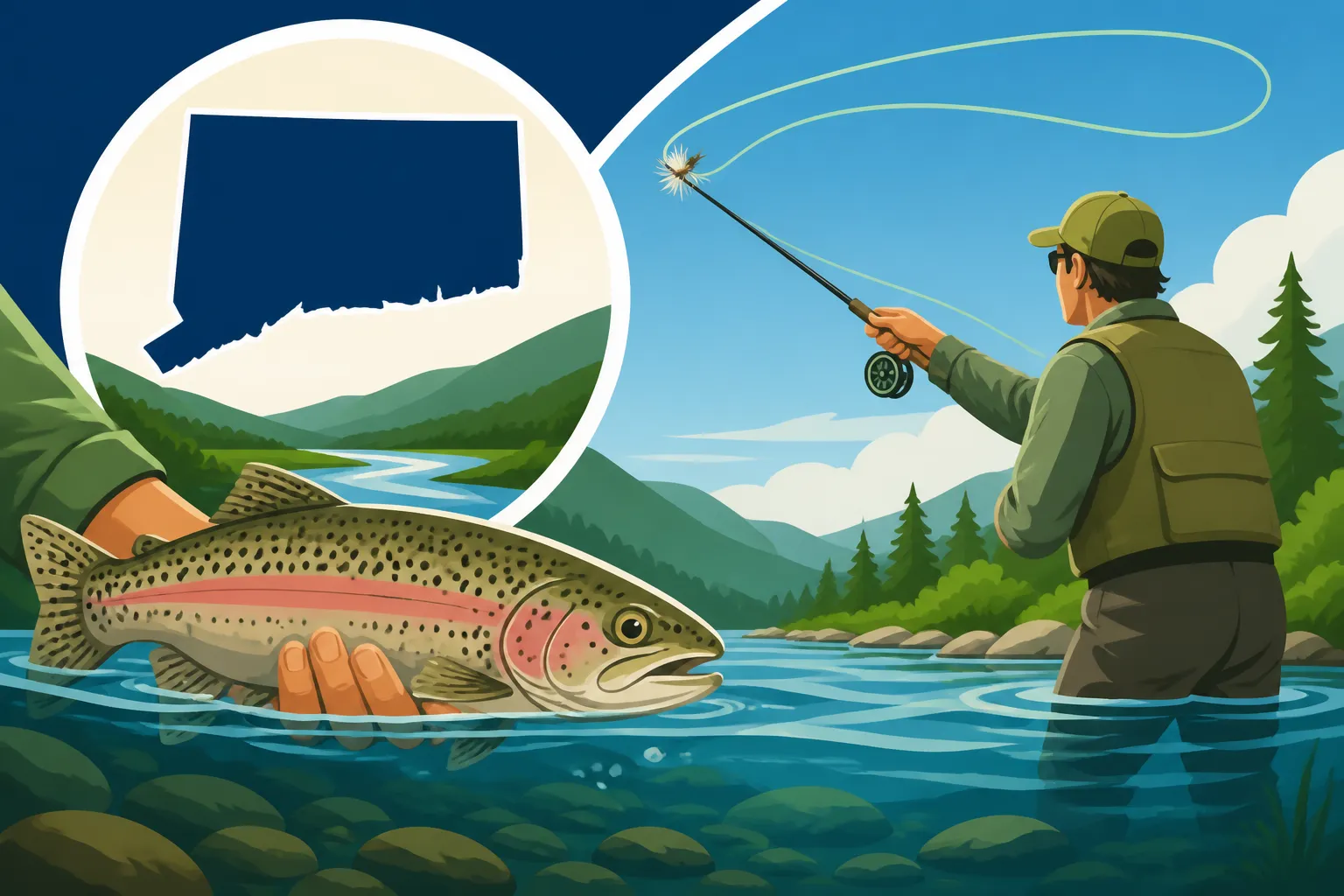
Connecticut Catch and Release Fly Fishing Only Waters
Navigating Connecticut’s diverse fishing regulations can sometimes feel like trying to untangle a particularly stubborn fishing knot. For many passionate fly anglers, the specific rules surrounding designated Catch and Release Fly Fishing Only waters are especially important to understand. This guide will meticulously break down these unique regulations, highlight the prime locations where they apply, and help you prepare for a responsible and rewarding fly fishing experience in the Constitution State.
Understanding Catch and Release Fly Fishing Only Regulations
When you see a sign or read regulations for "Catch and Release Fly Fishing Only" in Connecticut, it means exactly what it says – and there are no exceptions. These specific rules are put in place for very good reasons, primarily to protect fragile fish populations and enhance the quality of the fishing experience. It's not just a suggestion; it's a mandate designed to ensure these special sections remain vibrant for generations of anglers.
What "Catch and Release" Truly Means
The core principle of catch and release fishing is to land a fish, remove the hook, and return it to the water with minimal harm, allowing it to survive and potentially be caught again. In "Catch and Release Fly Fishing Only" waters, this isn't an option; it's the law. This means you cannot keep any fish, regardless of size or species. The goal is conservation above all else.
This practice requires a mindful approach. Using barbless hooks is highly recommended, as it makes hook removal much easier and less traumatic for the fish. Many anglers even pinch down the barbs on their favorite flies with a pair of pliers before hitting these waters. It's also crucial to minimize the time the fish spends out of the water. Handle fish gently with wet hands, support their body weight, and avoid touching their gills or eyes. If you want a photo, get it quickly and hold the fish in a way that prioritizes its health. The aim is for that fish to swim away strong and healthy, ready to contribute to the stream's ecosystem.
Defining "Fly Fishing Only"
The "Fly Fishing Only" designation means you are restricted to using a fly rod, fly reel, and artificial flies. This explicitly excludes spinning rods, baitcasting gear, and any form of bait fishing, including worms, powerbait, or corn. The artificial flies themselves must be constructed from materials like feathers, fur, or synthetic fibers, designed to imitate aquatic or terrestrial insects and forage.
This rule is often implemented to provide a unique angling challenge and to reduce incidental mortality associated with other fishing methods, especially when targeting delicate species like trout. The light tackle and specific presentation required for fly fishing generally cause less stress on the fish. Furthermore, it creates a more tranquil environment, appealing to those who seek a purist experience away from the crowds and varied tackle found in general regulation waters. It's a nod to the traditional art of fly fishing and its emphasis on skill and natural presentation.
Distinctions from Other Special Regulation Waters
It's important not to confuse "Catch and Release Fly Fishing Only" waters with other special regulation areas in Connecticut. For instance, some sections might be "Trout Management Areas" (TMAs) that allow bait fishing or have different harvest rules during certain times of the year, such as the initial opening days of trout season. You can learn more by consulting the official Connecticut Fishing Regulations Explained.
Other waters might be "Trophy Trout Streams" where harvest is allowed but with specific size and creel limits. There are also "Wild Trout Management Areas" that aim to protect and enhance naturally reproducing trout populations, where regulations often include catch and release but might permit a wider range of artificial lures beyond just flies. The key difference for "Catch and Release Fly Fishing Only" is the strict combination of no harvest and the exclusive use of fly fishing gear. Always check the specific regulations for the waterbody you plan to fish, as rules can vary even within different sections of the same river. The Connecticut DEEP website and annual fishing guide are your best friends here.
Key Rivers and Streams Designated as C&R Fly Fishing Only
Connecticut is blessed with some incredible waterways, and the state's dedication to maintaining pristine fly fishing experiences is evident in its specially designated catch and release fly fishing only sections. These areas are often celebrated for their beauty and the challenge they present to anglers. Understanding where these zones are located is the first step to enjoying them.
The Legendary Farmington River West Branch
When most anglers think of Connecticut catch and release fly fishing only, the Farmington River West Branch immediately comes to mind. This river is truly a gem and is widely considered one of the premier trout fisheries in the eastern United States. The "Fly Fishing Only" section of the Farmington River, specifically from the Goodwin Dam in Hartland down to the confluence with the Still River in Barkhamsted, is a testament to successful fisheries management.
This stretch is regularly stocked with brown trout and rainbow trout, and it also holds a significant population of wild brown trout that thrive in its cold, oxygenated waters. The complexity of the river, with its deep pools, riffles, and runs, provides diverse habitat for trout and a rewarding challenge for anglers. The access points are generally well-marked, but getting there early, especially on weekends, is always a good idea. You can find detailed information on Connecticut Farmington River Trophy Trout Stream Rules that apply to different parts of the river, but this C&R Fly Fishing Only section is unique in its strictures. Local fly shops in the area, like UpCountry Sportfishing in Pine Meadow, can offer up-to-the-minute reports on hatches and conditions.
Other Notable C&R Fly Fishing Only Sections
While the Farmington often steals the spotlight, several other waters across Connecticut offer excellent catch and release fly fishing only experiences. These might be smaller, more intimate streams, or specific sections of larger rivers.
- Housatonic River Trout Management Area: While much of the Housatonic River is a renowned trout fishery with varying regulations, there are specific designated sections within its Trout Management Area that are strictly catch and release, and some parts are also fly fishing only. It's crucial to check the exact segment you plan to fish, as the regulations can change along its length. The Housatonic offers different challenges and scenery compared to the Farmington, often favoring larger streamers or nymphing techniques.
- Saugatuck River: Certain upstream sections of the Saugatuck, particularly those within Easton and Redding, are managed as catch and release fly fishing only zones. These offer a more intimate, smaller stream experience, often requiring a stealthier approach.
- Natchaug River: A specific section of the Natchaug in Eastford is designated as a "Trout Park" with catch and release fly fishing only regulations. This spot is popular for its accessibility and consistent stocking.
- Salmon River: The Salmon River in Colchester also features a highly regarded catch and release fly fishing only section, known for its beautiful surroundings and healthy trout.
These waters, though perhaps less famous than the Farmington, provide fantastic opportunities for solitude and excellent fishing. Always consult the latest Reading the Connecticut Fishing Guide or the CT DEEP website for precise boundaries and current regulations, as they can sometimes be updated.
How to Find Up-to-Date Information and Maps
Staying informed is key to a successful and compliant fishing trip. The primary source for all official Connecticut fishing regulations, including specific details on catch and release fly fishing only waters, is the Connecticut Department of Energy and Environmental Protection (CT DEEP).
- CT DEEP Website: Their website (portal.ct.gov/DEEP) is a treasure trove of information. Look for sections on "Fishing," "Inland Fisheries," and "Maps." They often provide detailed maps with color-coded sections indicating different regulation types.
- Annual Connecticut Angler's Guide: This free guide is published annually and is available online and at most license vendors (like sporting goods stores such as Bass Pro Shops or local town clerks, though the guide itself isn't a brand, it's where you'd find a lot of the mentioned brands' products or services). It contains all the necessary regulations, stocking schedules, and a list of special management areas.
- Interactive Trout Stocking Map: The CT DEEP also provides an incredibly useful Connecticut Interactive Trout Stocking Map, Explained that not only shows where trout have been stocked but often highlights special regulation areas. This is a dynamic tool that updates regularly throughout the stocking season.
- Local Fly Shops and Guides: Don't underestimate the value of local knowledge. Shops like Rivers End Tackle or The Compleat Angler often have the most current information on water levels, hatches, and specific hotspots within these C&R zones. A good local guide, often found on websites like Orvis or smaller independent sites, can also provide invaluable insights into current conditions and techniques.
| River Section | Location (Towns) | Primary Species | Key Regulations | Notes |
|---|---|---|---|---|
| Farmington River West Branch | Hartland to Barkhamsted | Brown, Rainbow | C&R, Fly Fishing Only | Renowned for consistent hatches; robust wild and stocked populations. |
| Housatonic River TMA | Specific sections (varies) | Brown, Rainbow | C&R, Fly Fishing Only (in designated areas) | Check DEEP maps for exact boundaries. Often requires careful wading. |
| Saugatuck River | Easton, Redding | Brown, Rainbow | C&R, Fly Fishing Only (upstream sections) | More intimate, smaller stream; stealth is key. |
| Natchaug River | Eastford | Brown, Rainbow | C&R, Fly Fishing Only (Trout Park) | Good accessibility; popular for post-stocking action. |
| Salmon River | Colchester | Brown, Rainbow | C&R, Fly Fishing Only (designated stretch) | Scenic location, good for solitude. |
Why These Special Regulations Exist
It might seem overly restrictive to some, but the implementation of Catch and Release Fly Fishing Only regulations is a carefully considered strategy by the CT DEEP. These rules aren't designed to make fishing harder; they're designed to make it better and more sustainable in the long run. There are profound ecological and recreational benefits behind every one of these designations.
Protecting Wild and Holdover Trout Populations
One of the primary drivers for these strict rules is the protection and enhancement of trout populations, especially wild and "holdover" fish. Wild trout are those that have reproduced naturally in the stream, without human intervention like stocking. These fish are incredibly valuable genetically and ecologically. Holdover trout are stocked fish that have survived through one or more seasons, adapting to the stream and often growing to impressive sizes.
By mandating catch and release, these regulations ensure that these fish, particularly the larger, more experienced ones, remain in the system to contribute to natural reproduction and provide a mature, challenging population for anglers. Removing these fish through harvest, especially in areas with limited natural spawning habitat, would quickly deplete the resource. The Farmington River, for example, benefits immensely from this, allowing fish to mature and become truly trophy-sized without being harvested. This also means that as an angler, you have a much higher chance of encountering larger, smarter trout that have learned to survive, making the catch all the more rewarding.
Enhancing the Angler Experience
Beyond conservation, these regulations are also about curating a specific, high-quality angling experience. Imagine fishing a beautiful river, knowing that the fish you encounter have a strong chance of being mature, healthy, and a challenge to catch. That's the promise of C&R Fly Fishing Only waters.
These areas attract anglers who appreciate the finer points of fly fishing – reading the water, presenting a perfect drift, matching the hatch – without the pressure of harvesting fish. It fosters a sense of camaraderie among like-minded individuals who share a passion for the sport and the resource. The limited tackle (fly fishing only) also tends to spread anglers out, reducing crowding and providing more solitude, which is a major draw for many fly fishers. It transforms the act of fishing from a focus on the creel to an emphasis on the interaction with nature and the skill involved in the pursuit. This approach helps create some of the Best Fly Fishing Rivers in Connecticut.
Promoting Sustainable Fisheries Management
Ultimately, these specialized regulations are a cornerstone of sustainable fisheries management. By carefully controlling harvest and fishing methods in key areas, the CT DEEP can ensure the long-term health and viability of these sensitive ecosystems. This isn't just about trout; it's about the entire aquatic environment.
The data gathered from these areas, combined with stocking efforts and habitat restoration, informs future management decisions. It allows biologists to study fish behavior, growth rates, and reproductive success without the variable of harvest. This proactive approach helps balance recreational opportunities with ecological preservation. It's a living laboratory where anglers become part of the conservation solution, ensuring that future generations will also have the chance to experience the thrill of catching a beautiful trout on a carefully presented fly in a pristine Connecticut stream. This commitment extends to other areas, too, as seen in wider Connecticut Trout Season and Stocking Rules.
Gear and Techniques for C&R Fly Fishing Only Waters
Successfully navigating Connecticut's Catch and Release Fly Fishing Only waters requires not just adherence to the rules, but also the right gear and thoughtful techniques. These waters often hold educated fish, and your approach will directly impact your success and the well-being of the fish you encounter.
Essential Fly Rod and Reel Setups
For most of Connecticut’s trout streams, a versatile 3-weight to 5-weight fly rod is typically ideal. A 9-foot rod offers a good balance of casting distance and delicate presentation, essential for spooky trout. For smaller, brushier streams, a shorter rod (7.5 to 8.5 feet) might be more maneuverable. Brands like Sage, Orvis, and Redington offer a wide range of quality rods suitable for these conditions.
Pair your rod with a matching reel that has a smooth drag system. While trout typically don't strip line off the reel aggressively, a reliable drag is crucial for fighting larger holdover fish and preventing sudden break-offs. A good quality floating fly line that matches your rod weight is standard, with a weight-forward taper being popular for all-around performance. Don't forget a sturdy landing net with a rubberized, knotless mesh. This type of net is far gentler on fish, reducing fin and scale damage compared to traditional nylon nets, and makes releasing the fish much easier. You can find excellent options on Amazon for a reasonable price.
Choosing Flies and Leaders
The choice of flies will depend heavily on the season and the hatches occurring. For C&R waters, carrying a diverse selection is always a good idea.
- Nymphs: These are often the most productive flies, imitating immature aquatic insects. Patterns like Pheasant Tail Nymphs, Hare's Ear Nymphs, Prince Nymphs, and Caddis Larva imitations in sizes #12-20 are indispensable. Euro nymphing techniques are also becoming increasingly popular in these areas due to their effectiveness.
- Dry Flies: When trout are actively feeding on the surface, dry flies are exhilarating. Carry standard patterns like Adams, Elk Hair Caddis, Blue-winged Olives, and Hendrickson in various sizes (#12-20). Having some terrestrials like ants, beetles, and hoppers can also be effective during warmer months.
- Streamers: For larger fish or when probing deeper pools, streamers can be deadly. Woolly Buggers, Sculpin patterns, and other baitfish imitations in olive, black, or brown can entice aggressive strikes.
Your leader setup is also critical for presentation. A 7.5 to 9-foot tapered leader with a tippet section ranging from 3X to 6X (depending on fly size and water clarity) is standard. For very clear water or spooky fish, extending your tippet with fluorocarbon can make a big difference due to its low visibility. You may want to check out the specific Fly Patterns for Connecticut Trout Streams for more tailored advice.
Gentle Handling for Maximum Fish Survival
Since every fish caught must be released, mastering gentle handling techniques is paramount. This ensures that the fish swims away healthy and can contribute to the fishery's future.
- Minimize Air Exposure: The less time a fish spends out of the water, the higher its chance of survival. Try to unhook fish while they are still in the net or even in the water.
- Wet Hands: Always wet your hands before touching a fish. Dry hands can remove the fish's protective slime coat, leaving it vulnerable to disease.
- Support the Fish: When lifting a fish for a quick photo, support its body horizontally with one hand under its belly and the other gently gripping the caudal peduncle (the narrow part of the tail). Never hold a fish by the gills or vertically by the jaw alone.
- Remove Hooks Quickly: Use forceps or hemostats to quickly and carefully remove the hook. Pinching down barbs on all your flies before fishing these waters is a simple but highly effective practice that drastically reduces fish trauma.
- Revive, Don't Just Release: If a fish seems sluggish, hold it gently in the current, facing upstream, until it regains its strength and swims away under its own power. Don't simply toss it back; ensure it's ready to go. Learning good Wading Techniques for Connecticut Trout Streams can also help you position yourself better for quick releases.
Respecting the Resource and Ethical Angling Practices
Fishing in Catch and Release Fly Fishing Only waters carries a heightened responsibility. It's not just about following the letter of the law, but truly embracing the spirit of conservation and respect for the natural environment. Ethical angling practices ensure that these precious resources remain vibrant and healthy for everyone.
Minimizing Impact on Fish and Habitat
Every action you take on the water can have an impact. In sensitive C&R Fly Fishing Only zones, minimizing your footprint is crucial.
- Stay on Designated Paths: Stick to established trails and access points to prevent erosion and damage to riparian vegetation. Trampling stream banks can destroy crucial insect habitat and destabilize the bank itself.
- Wade Carefully: When wading, move slowly and deliberately. Avoid disturbing the streambed more than necessary, as you could dislodge important insect larvae or disrupt spawning redds (nests). Felt-soled wading boots are often preferred for grip but should be thoroughly cleaned to prevent the spread of invasive species. Rubber soles with studs are also effective and perhaps easier to keep clean.
- Avoid Spawning Areas: During spawning seasons, trout will create redds in gravelly areas. These appear as clean, light-colored depressions. Avoid wading through or casting to these areas to protect future generations of fish. The Connecticut Trout Season and Stocking Rules provide good information on spawning periods.
- No Littering: This should be a given for any outdoor activity, but it bears repeating. Pack out everything you pack in, and if you see litter, pick it up. This includes discarded fishing line, which can be deadly to wildlife.
"Leave No Trace" Principles
The "Leave No Trace" philosophy applies perfectly to these special regulation areas. It's about enjoying nature responsibly and leaving it as you found it, or better.
- Plan Ahead and Prepare: Know the regulations, check weather forecasts, and have the right gear. Inform yourself about the specific C&R Fly Fishing Only section you're visiting.
- Travel and Camp on Durable Surfaces: As mentioned, stick to paths and wade carefully.
- Dispose of Waste Properly: Pack it in, pack it out. This applies to all trash, including food scraps, which can attract wildlife.
- Leave What You Find: Don't take natural objects, whether it's a cool rock, a feather, or a plant.
- Minimize Campfire Impacts: While not typically relevant for day fishing trips, if you're in an area that permits camping nearby, be mindful of fire regulations.
- Respect Wildlife: Observe animals from a distance. Don't feed them.
- Be Considerate of Other Visitors: Share the water. Give other anglers ample space. Keep noise levels down.
Adhering to these principles ensures that the beauty and integrity of these waters are preserved.
Reporting Violations and Upholding the Rules
Part of being an ethical angler in C&R Fly Fishing Only waters is also being a steward of the resource. Unfortunately, not everyone adheres to the rules. If you witness a violation, such as someone keeping fish, using bait, or using spinning gear in a fly fishing only section, it's important to report it to the proper authorities.
- Connecticut DEEP Enforcement: The CT DEEP Environmental Conservation Police are responsible for enforcing fishing regulations. You can report violations by calling their 24-hour dispatch line. The number is usually listed prominently in the annual fishing guide and on their website.
- Be Prepared: If possible, discreetly gather details like the location, time, description of the individuals, and license plate numbers. However, never confront violators yourself, as this can be dangerous.
- Community Responsibility: Anglers who choose to fish these special waters often feel a strong sense of ownership and responsibility for their well-being. By reporting violations, you're not just being a "tattletale"; you're actively protecting a valuable public resource that many cherish. This collective vigilance helps maintain the integrity of the C&R Fly Fishing Only designations. Remember, the Fishing Without a License in Connecticut: Penalties can be quite severe, and similar penalties apply to other violations of fishing regulations.
Planning Your Trip to Connecticut's C&R Fly Fishing Zones
A successful and enjoyable trip to Connecticut's Catch and Release Fly Fishing Only waters starts long before you even cast a line. Thoughtful planning, from understanding seasonal changes to knowing your access options, can make all the difference.
Best Times to Visit
Connecticut's C&R Fly Fishing Only waters, particularly trout streams, offer unique experiences throughout the year, but some seasons are undeniably better than others.
- Spring (April – May): This is arguably the most popular time, especially after the initial rush of "opening day" on general waters. Trout are active as water temperatures rise, and insect hatches (like Hendricksons, Caddis, and Blue-Winged Olives) become more prolific. Water levels can be higher due to snowmelt and spring rains, which can make wading challenging but also brings out bigger fish. Fishing conditions can be exceptional, but be prepared for variable weather.
- Summer (June – August): As summer progresses, water temperatures can become a critical factor. Many C&R streams, especially the Farmington River, maintain cold enough temperatures thanks to bottom-release dams. This allows for excellent summer fishing. However, on other streams, high water temperatures can stress trout, making catch and release more risky. Always check water temperature before fishing in summer; if it's consistently above 68-70°F, consider giving the trout a break. Early mornings and late evenings are often the most productive and safest times. Terrestrial patterns like grasshoppers and ants can be very effective.
- Fall (September – November): Fall is another prime season, often rivaling spring in popularity. The crisp air, vibrant foliage, and aggressive feeding behavior of trout preparing for winter make for fantastic fishing. Brown trout, in particular, become very active as their spawning season approaches. Streamer fishing can be highly effective, and there are often prolific BWO hatches. The crowds tend to thin out compared to spring.
- Winter (December – March): Winter fly fishing in C&R waters can be incredibly rewarding for those brave enough to face the cold. Trout are less active but can still be caught, often concentrating in deeper, slower pools. Nymphing is typically the most productive method. Dress warmly, be mindful of ice, and remember that some access points might be difficult to reach. It's a time for solitude and the chance to catch some truly large, holdover fish.
Access Points and Parking Considerations
Knowing how to access these special waters is vital. Many C&R Fly Fishing Only sections have well-maintained public access points, but some can be more obscure.
- CT DEEP Maps: As mentioned, the CT DEEP website is the best place to find detailed maps indicating public parking lots, easements, and walking trails along these regulated sections. These maps often show the exact start and end points of the C&R zones.
- Respect Private Property: While the riverbeds themselves are public, much of the surrounding land can be private. Always respect "No Trespassing" signs and ensure you are accessing the water from designated public points. Parking illegally can lead to tickets or towing, ruining your day.
- Early Arrival: Popular C&R spots, especially on weekends and during prime seasons, can fill up quickly. Arriving early (think before sunrise) not only gives you the best chance at a prime spot but also often means more active fish.
- Car-Pooling: If you're going with friends, consider car-pooling to minimize your vehicle's footprint and help ensure there's enough parking for everyone.
- Preparation: Some access points might involve a short hike, so wear appropriate footwear and be prepared to carry your gear. Consider a backpack for your fishing essentials, allowing your hands to be free.
Hiring a Local Guide
Even experienced anglers can benefit greatly from hiring a local fly fishing guide for C&R Fly Fishing Only waters. Guides offer invaluable local knowledge and expertise, which can dramatically enhance your trip. You can learn more about finding them in our guide on the Best Fly Fishing Guides in Connecticut.
- Knowledge of Conditions: Guides know the current hatches, water levels, and fish behavior patterns. They can put you on fish much faster than you might find them on your own.
- Technique Refinement: A guide can offer personalized instruction on casting, presentation, and reading the water, helping you improve your skills specifically for these challenging waters.
- Access and Hotspots: Guides often have permits or knowledge of lesser-known access points and specific hotspots that aren't widely publicized. They can also provide insights into specific Connecticut Trout Management Area Regulations.
- Safety: Navigating unfamiliar rivers can have hazards, from slick rocks to deep holes. A guide ensures your safety, especially when wading.
- Supporting Local Economy: Hiring a guide supports local businesses and individuals who are often passionate advocates for the conservation of these very waters.
Whether you're a seasoned fly fisher looking to refine your skills or a beginner eager to learn the ropes in a protected environment, a guide can transform a good day on the water into an unforgettable one.
Disclaimer
The information provided in this guide is for general informational purposes only and does not constitute legal advice. Fishing regulations in Connecticut can change, and it is the sole responsibility of the angler to consult the most current official Connecticut Department of Energy and Environmental Protection (CT DEEP) fishing regulations and obtain all necessary licenses before engaging in any fishing activities. Always prioritize safety and environmental stewardship.