Connecticut scup (porgy) regulations
It's incredibly frustrating when you're just trying to enjoy a day on the water, only to realize the fishing regulations have shifted again for your favorite species. Connecticut anglers often face this challenge, especially with popular saltwater catches like scup, also affectionately known as porgies. This comprehensive guide is here to untangle the complexities of Connecticut's scup regulations, ensuring you're fully prepared and compliant for your next fishing adventure.
Understanding Scup in Connecticut's Marine Waters
Scup, or porgies, are a beloved target for many anglers in Connecticut, and for good reason. They're abundant, put up a decent fight on light tackle, and are absolutely delicious on the dinner table. But before you cast a line, it's essential to understand a bit about these fish and why specific regulations are put in place. It's not just about stopping you from catching all the fish; it's about making sure there are plenty for generations to come.
The Life and Times of a Connecticut Scup
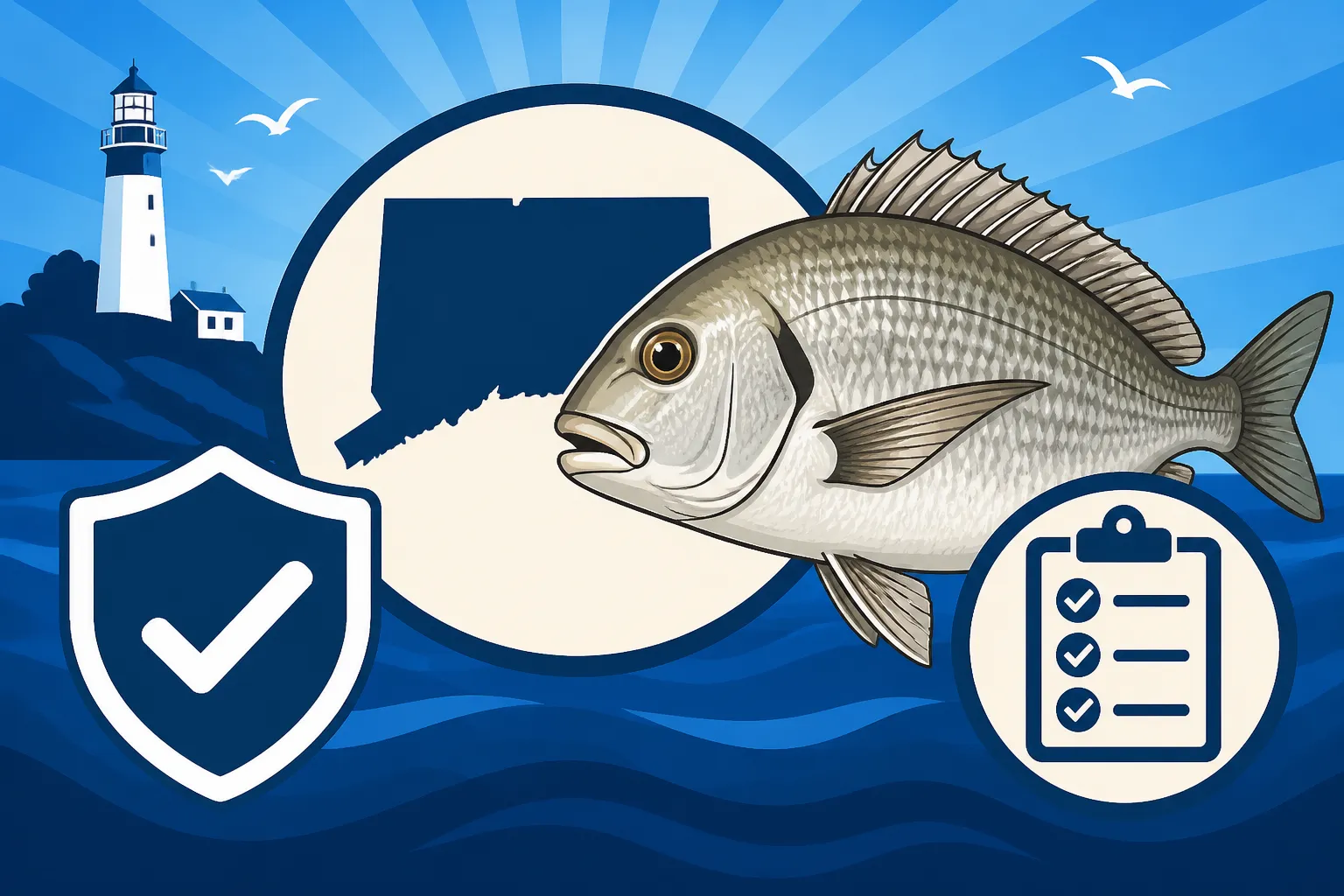
Scup ( Stenotomus chrysops ) are a type of marine fish found along the Atlantic coast, from Cape Cod down to the Carolinas, with a strong presence in Long Island Sound. They are typically found inshore and nearshore, often congregating around structures like reefs, wrecks, rock piles, and even mussel beds in waters ranging from 10 to 100 feet deep. Their diet primarily consists of small invertebrates, crustaceans, and worms, which they root out from the bottom with their small, strong mouths. This bottom-feeding habit makes them a perfect target for bait fishing with clams, squid, or pieces of shrimp.
What many anglers appreciate about scup is their sheer numbers during certain times of the year. They tend to move into Long Island Sound in spring, following warmer waters, and stay through the fall, making them a reliable target for both boat and shore anglers. They're particularly popular with families and new anglers because they are generally easy to catch once you locate a school. Learning What scup look like and where they live can really help you pinpoint the best fishing spots.
Why Scup Regulations Are So Important
You might wonder why a seemingly abundant fish like scup needs regulations at all. The truth is, unregulated fishing can quickly decimate even the most prolific species. Scup populations, like all fish stocks, are subject to various pressures including commercial fishing, recreational angling, and environmental changes. The Connecticut Department of Energy and Environmental Protection (DEEP), in cooperation with regional management bodies like the Atlantic States Marine Fisheries Commission (ASMFC) and the Mid-Atlantic Fishery Management Council (MAFMC), sets these regulations to ensure a sustainable fishery.
These rules aim to:
- Prevent overfishing: Ensuring enough fish survive to reproduce and maintain a healthy population.
- Manage fishing pressure: Distributing the catch fairly between commercial and recreational sectors, and among different states.
- Protect spawning stocks: Sometimes regulations change around spawning seasons to give fish the best chance to reproduce.
- Provide consistent angling opportunities: A well-managed fishery means anglers can count on catching scup year after year.
Ignoring these rules, even accidentally, can lead to serious consequences, not just for your wallet with fines, but for the overall health of the fishery. It's a collective responsibility, and understanding the "why" behind the rules makes it easier to follow them.
Core Connecticut Scup Fishing Regulations
Navigating the legalities of saltwater fishing in Connecticut can feel like a labyrinth at times, with different rules for different species, and sometimes even different rules depending on how you're fishing! For scup, there are a few critical components you need to understand: minimum size limits, daily creel (bag) limits, and the specific open seasons. These are the cornerstones of responsible scup fishing.
Minimum Size Limits for Scup
One of the most frequently asked questions is, "How big does a scup have to be to keep?" The minimum size limit for scup in Connecticut waters can sometimes vary, so it's always critical to check the most current regulations published by the DEEP. Generally, for most recreational anglers fishing from private vessels, the minimum size for scup is 10.5 inches. However, this is where it gets a little tricky, because those fishing from for-hire vessels (like a charter boat) might have a different minimum size.
Measuring your catch correctly is absolutely paramount. You measure a scup from the tip of its snout to the end of its tail, with the tail squeezed together (known as "total length"). A little trick I learned early on is to keep a measuring device, like a ruler or a flexible tape, readily accessible. Many anglers even get specialized fish rulers that stick to their boat or tackle box, and you can find a good, durable one on Amazon that measures up to legal lengths for most species. Trying to eyeball it or guess will almost always lead to trouble. If it's even a hair short, it goes back into the water, no questions asked.
Daily Creel Limits and Possession
Beyond how big a scup needs to be, you also need to know how many you can keep in a single day. This is known as the daily creel limit. Just like the size limit, the daily creel limit for scup can vary depending on whether you're on a private boat or a for-hire vessel, and it's also subject to change season-to-season.
For private recreational anglers, the typical daily limit for scup in Connecticut has been 30 fish per person. However, for those fishing on for-hire vessels, like headboats or charter trips, this limit might be higher, sometimes significantly so, such as 45 fish per person. It's crucial to confirm these numbers before you head out, especially if you're joining a charter or bringing along several friends on your own boat, as individual limits apply.
Possession limits are generally tied to the daily creel limit. This means you can't accumulate more than the daily limit over multiple days unless you are at a permanent place of abode (e.g., your home) or a commercial storage facility. For instance, you can't go out for two days and come back with 60 fish if the daily limit is 30, unless those first 30 were legally consumed or stored at your primary residence before your second trip. Always err on the side of caution and adhere strictly to the daily limit.
Open Seasons for Scup Fishing
Scup fishing isn't open year-round in Connecticut. There are specific periods when you are allowed to target and keep scup. These seasons are set to protect the fish during critical times, such as spawning, and to manage the overall harvest. The scup season typically runs from spring through fall, but the exact start and end dates can shift slightly each year.
For private recreational anglers, the season might begin around mid-May and extend through December 31st. Again, for-hire vessels may have a slightly different season structure, sometimes starting earlier or ending later, or having specific periods with different bag limits. For instance, a common regulation might split the season into two or three periods, each with a different bag limit.
It's absolutely essential to consult the official Connecticut DEEP Marine Waters Fishing Guide each year. You can often find a current version by searching for "Connecticut Fishing Guide" online, or by checking the DEEP's official website. This guide is your bible for all regulations, not just for scup, but for everything from Connecticut Striped Bass Slot Limit and Season to Connecticut Blackfish Tautog Season Dates.
Here's a simplified look at potential scup regulations, but always verify with the current DEEP guide:
| Category | Private Recreational Vessel (Potential) | For-Hire Vessel (Potential) |
|---|---|---|
| Minimum Size Limit | 10.5 inches total length | 10.5 inches total length |
| Daily Creel Limit | 30 fish per person | 45 fish per person |
| Open Season (Period 1) | May 17 – September 27 | May 1 – December 31 |
| Open Season (Period 2) | September 28 – December 31 | (Varies, often higher limits) |
| Possession Limit | Same as daily creel limit | Same as daily creel limit |
Please note: The dates and limits in this table are illustrative and based on historical regulations. Always check the current Connecticut DEEP Marine Waters Fishing Guide for the most up-to-date and accurate information. Regulations can and do change.
Navigating Different Vessel Types and Staying Informed
One of the biggest sources of confusion for scup anglers is the distinction between regulations for private boats and those for "for-hire" vessels. It's a critical difference that can easily lead to violations if you're not paying close attention. Plus, knowing where to get your information and how to ensure you're compliant is half the battle.
Private Vessel Versus For-Hire Vessel Regulations
As we touched upon earlier, Connecticut often implements different regulations for anglers fishing from private boats compared to those on commercial for-hire vessels (like charter boats or headboats). This is a common management strategy aimed at balancing fishing pressure across different sectors and ensuring economic viability for the charter industry, which relies on being able to offer good fishing opportunities to their clients.
For example, a private angler might be limited to 30 scup at 10.5 inches during a particular season, while an angler on a state-licensed charter or party boat might be allowed 45 scup, potentially with the same size limit or occasionally even a slightly lower size limit in specific periods. These differences are significant. If you’re going out on your own boat, you must abide by the private vessel regulations. If you book a trip with a reputable charter like Captain John's Sportfishing or a similar operation out of Clinton or Old Saybrook, they will be operating under the for-hire regulations, and the captain will typically ensure everyone on board is compliant. However, it's still your responsibility as an angler to be aware of the rules.
Always clarify which set of regulations applies to your specific fishing situation. A quick call to the DEEP Fisheries Division or consulting the official guide can clear up any ambiguity.
General Gear Guidelines for Scup
While scup aren't typically subject to highly specific gear restrictions beyond general fishing ethics, there are some best practices that ensure you're fishing effectively and responsibly.
- Hooks: Scup have relatively small mouths, so using appropriately sized hooks (e.g., #4 to #1/0 octopus or Kahle hooks) is key. You'll often find these in bulk packs on Amazon, making it easy to stock up.
- Weights: Since scup are bottom feeders, you'll need enough weight to get your bait to the bottom and hold it there against current. This could range from 1 to 6 ounces, depending on depth and current in areas like Long Island Sound or the various coves and inlets where scup gather.
- Bait: As mentioned, scup love clams, squid, or pieces of shrimp. You can also try small pieces of fish like spearing or seaworms. Many anglers use a simple two-hook dropper rig, which is very effective for picking up multiple scup at once if they are schooling.
- Catch and Release: For any fish that don't meet the size limit, or if you've already hit your daily bag limit, practice careful catch and release. Use de-hooking tools, especially if the fish has swallowed the hook, to minimize harm. Wet your hands before handling fish to protect their slime coat, and return them to the water as quickly as possible. This is vital for the sustainability of the fishery, and a practice we advocate across all species, from panfish to Striped Bass Fishing in Long Island Sound.
The Importance of Staying Informed and Avoiding Penalties
Fishing regulations are dynamic; they can change annually, sometimes even mid-season, based on stock assessments and management decisions. Relying on last year's guide or word-of-mouth from a friend might lead you astray.
- Official Sources Are Key: The absolute best place to get the most current regulations is the official Connecticut DEEP website. They publish an annual Marine Waters Fishing Guide, which you should review before heading out each season. You can also find information on Connecticut Fishing License Age Requirements and even learn How to Buy a Fishing License Online in Connecticut.
- DEEP Fisheries Division: Don't hesitate to call the DEEP Fisheries Division directly if you have a specific question that isn't clearly answered in the guide. It's much better to ask than to unknowingly violate a regulation.
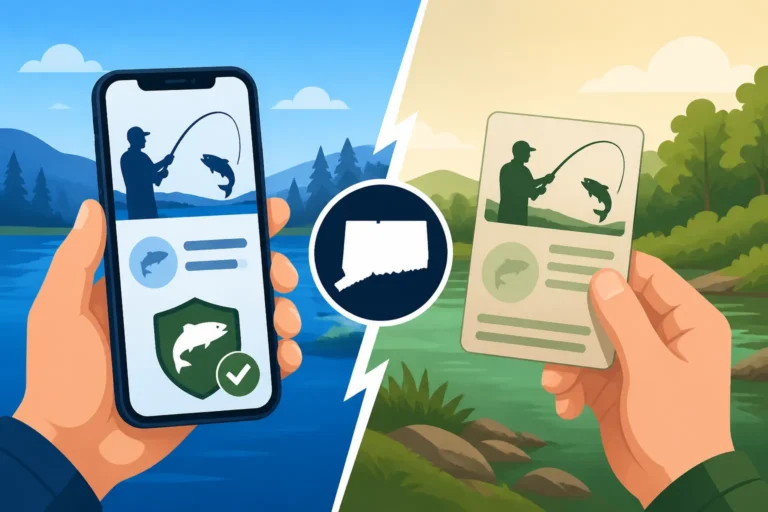
- Digital vs. Physical License: Always ensure you have your valid Connecticut Fishing License Guide for 2026 with you when fishing. Whether you're carrying a printed copy or prefer Printing or Carrying a Digital Fishing License in Connecticut, it needs to be accessible. A warden can and will ask to see it.
- Consequences of Non-Compliance: Fishing without a license or violating regulations (size, bag, or season limits) can result in significant fines, confiscation of your catch, and even loss of fishing privileges. For instance, Fishing Without a License in Connecticut: Penalties can be quite steep. It's simply not worth the risk.
Remember, fishing is a privilege, and adhering to regulations is our way of protecting that privilege and ensuring future generations can enjoy the thrill of catching scup in Connecticut waters. So, grab your license, check the latest rules, and happy porgy fishing!
Disclaimer
Please remember that fishing regulations are subject to change. While every effort has been made to provide accurate and up-to-date information in this guide, it is ultimately the angler's responsibility to consult the official Connecticut Department of Energy and Environmental Protection (DEEP) Marine Waters Fishing Guide for the most current regulations before engaging in any fishing activity. The information provided here is for general guidance only and should not be considered a substitute for the official regulatory documents.