Shetucket River Fishing Spots
Navigating a new river can feel like solving a complex puzzle, especially when you're looking for those hidden gems where the fish are biting. The Shetucket River, winding through eastern Connecticut, offers fantastic opportunities for anglers, but knowing where to start, what to expect, and which regulations apply can be a real headache. This comprehensive guide is designed to cut through the confusion, offering you a detailed look at the Shetucket's prime fishing spots, the species you'll encounter, and the best ways to tackle this beautiful waterway.
The Allure of the Shetucket River: A Quick Overview
The Shetucket River is more than just a waterway; it's a living tapestry of Connecticut's natural beauty and rich history. For anglers, it represents a diverse fishery, offering everything from challenging trout sections to waters brimming with warm-water species. Understanding its character is the first step to unlocking its secrets and finding those truly special fishing spots.
A River of History and Diverse Waters
Originating from the confluence of the Willimantic and Natchaug Rivers in Windham, the Shetucket flows for roughly 20 miles southeast before joining the Quinebaug River to form the Thames River in Norwich. This journey sees it transform from a lively, rocky freestone-style river in its upper reaches to a wider, slower, and more impounded system as it nears its mouth. Historically, the Shetucket was vital to the industrial development of eastern Connecticut, powering mills and factories, but today, its primary value lies in its ecological and recreational offerings, particularly its excellent fishing. The varied topography, from boulder-strewn runs to deeper pools, provides a myriad of habitats for different fish species, making it a dynamic place to explore.
Key Features Defining Shetucket Fishing
What makes the Shetucket stand out for anglers? First and foremost, its significant role in the Connecticut DEEP's trout stocking program. The river receives thousands of adult trout annually, transforming it into a premier trout fishing destination, especially during the spring and fall. However, it's not just a trout factory; the river's structure, including numerous riffles, deep bends, and submerged timber, also supports robust populations of smallmouth bass, chain pickerel, and various panfish. In its lower, wider sections, particularly closer to Norwich and the Thames River, the Shetucket even experiences tidal influence and can see runs of anadromous species like American Shad and, occasionally, even striped bass. This blend of cold-water and warm-water environments, coupled with periodic stocking, creates a truly unique and engaging fishing experience that appeals to anglers of all preferences.
Target Species and Prime Fishing Seasons on the Shetucket
The Shetucket River is a versatile fishery, offering a diverse array of species depending on the section you're fishing and the time of year. While trout often steal the spotlight, there's a lot more swimming in these waters for those willing to explore.
The Reigning King: Trout Fishing Opportunities
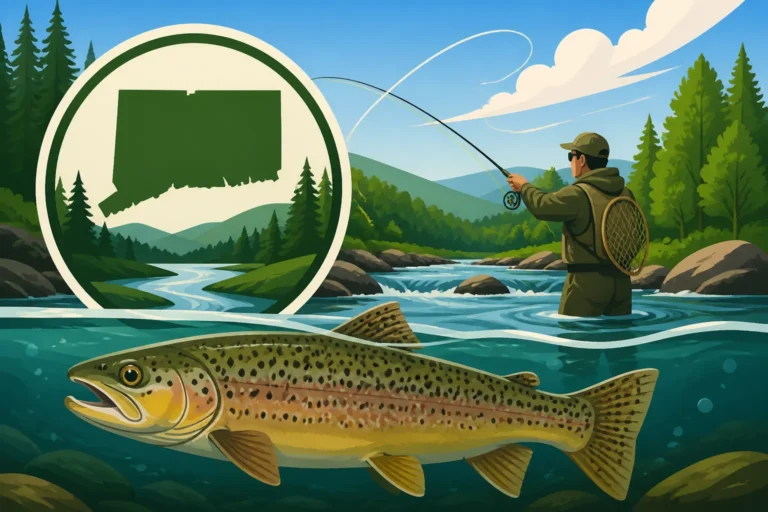
For many, the Shetucket River is synonymous with trout. It's a key component of the Connecticut DEEP's trout stocking program, receiving generous allocations of adult brown and rainbow trout, along with some brook trout. These stockings occur primarily in spring and fall, creating fantastic opportunities for anglers. Early spring, right after the ice-out and initial stockings, can be absolutely phenomenal, with hungry trout eager to bite. As the season progresses, some trout become "holdovers," adapting to the river's natural food sources and offering a more challenging, rewarding catch. Fall brings another surge of activity as water temperatures drop, making for excellent fishing amidst stunning foliage. Understanding the nuances of when and where the trout are stocked can make all the difference, and a quick check of the Connecticut Interactive Trout Stocking Map, Explained can provide invaluable, up-to-date information.
Beyond Trout: Other Notable Catches
While trout are certainly a major draw, the Shetucket's ecological diversity means there are plenty of other species to pursue. In the warmer, slower sections of the river, particularly from Willimantic downstream, you'll find healthy populations of smallmouth bass. These feisty fighters provide excellent action, especially during the summer months. Chain pickerel lurk in the weedy margins, offering aggressive strikes and a thrilling fight. Various panfish, including sunfish and yellow perch, are abundant throughout the river, making for a great family-friendly fishing experience. As you get closer to the tidal influence of the Thames River, the lower Shetucket can also surprise you with seasonal runs of American Shad in late spring and early summer. Dedicated anglers might even encounter an occasional striped bass pushing upriver in search of baitfish.
Seasonal Breakdown for Optimal Angling
Knowing the best time of year to visit the Shetucket can greatly improve your chances of success. Each season offers a distinct fishing experience.
Spring: The Trout Bonanza
This is arguably the most popular time to fish the Shetucket, especially for trout. Beginning with the state's opening day, usually in April, thousands of trout are stocked, leading to eager bites. The water levels are typically higher, and the fish are actively feeding. Beyond trout, the shad run begins in the lower river towards late spring. If you're planning a trip around this time, be sure to consult the Connecticut Trout Season and Stocking Rules to align your visit with peak stocking times and legal fishing dates.
Summer: Warm-Water Wonders
As water temperatures rise, trout activity tends to slow down, and they'll seek out cooler, deeper pockets. This is the prime season for smallmouth bass and panfish. Focus on early mornings or late evenings for bass, and explore the river's deeper pools and areas with overhead cover. The lower Shetucket can still hold some lingering striped bass and shad. Remember to check current Connecticut Fishing Season Dates and Closures to ensure you're compliant with any specific regulations for summer species.
Fall: Another Trout Peak
Fall is a magical time on the Shetucket. Cooler temperatures reinvigorate the trout, and the Connecticut DEEP often conducts additional stockings. The foliage provides a spectacular backdrop, and fishing can be exceptional for holdover trout that have had a summer to grow and acclimate. Smallmouth bass can also be active, fattening up before winter. This season provides a wonderful blend of good fishing and stunning natural beauty.
Winter: A Quiet Challenge
While winter fishing is generally slower, it's not impossible on the Shetucket. If conditions allow and ice isn't a factor, hardy anglers can target holdover trout, especially in milder stretches. This is a time for quiet solitude and often requires slower, more patient techniques. Always prioritize safety, especially regarding ice conditions, if you venture out during the colder months.
Prime Shetucket River Fishing Spots and Access Points
The Shetucket River winds through several towns, offering varied access points and distinct fishing experiences. Knowing where to go can make all the difference in your fishing success.
Upper River: Tranquil Trout Waters
The upper reaches of the Shetucket, particularly around the towns of Windham and Scotland, offer a more intimate and traditional trout fishing experience. Here, the river is generally narrower, with a more pronounced current, riffles, and small pools. These sections are ideal for wading, provided water levels are safe, and offer excellent opportunities for fly fishing or light spin tackle.
Scotland Dam and Surroundings
Just south of the confluence of the Willimantic and Natchaug, near the town of Scotland, you'll find some excellent access. The area around the old Scotland Dam (though the dam itself is no longer active in the traditional sense, the structure and surrounding riverbed offer unique features) creates good holding water for trout. Public access points and parking can be found off Route 97. The river here flows over a mix of rocky and gravel bottoms, creating inviting runs and pockets that hold trout, especially after stockings. Anglers who prefer to wade and sight-fish for trout will appreciate the clearer, more dynamic water in this stretch.
Willimantic to South Windham Stretch
Moving downstream slightly, the sections between Willimantic and South Windham are also highly productive for trout. Public access points exist near bridges and along certain state-owned parcels. Look for areas where the river widens slightly to form deeper pools or where tributaries enter, bringing in cooler, oxygenated water. These spots are often hotbeds for recently stocked trout. The terrain here can be a mix of wooded banks and more open fields, offering a variety of fishing scenarios. Always be mindful of private property boundaries, as much of the riverfront is privately owned.
Mid-River: Stocked Sections and Varied Structure
As the Shetucket flows through Willimantic and beyond, it takes on a different character. The river becomes wider, generally deeper, and often experiences slower currents, though significant riffles and runs still punctuate the landscape. This area is heavily stocked and provides excellent opportunities for both bank fishing and wading in accessible spots.
Willimantic Sections and Confluence Areas
The heart of the mid-Shetucket fishery lies around Willimantic. Where the Willimantic and Natchaug rivers truly merge, the increased water volume creates substantial pools and runs. There's often good public access within town parks or along roadsides, particularly near bridges. These spots are magnets for stocked trout and often hold smallmouth bass and panfish seeking structure. After heavy rains, this section can become turbid, but during stable flows, it's a prime location. Remember, a valid Connecticut Fishing License Guide for 2026 is required, and displaying it properly is crucial.
Mansfield Hollow Dam Outflow
Downstream from Willimantic, the Shetucket flows past Mansfield Hollow Dam. The outflow area below the dam is a highly productive and popular fishing spot. The turbulent, oxygenated water released from the reservoir creates an ideal environment for trout, especially during warmer months when upstream sections might be less hospitable. Public parking and access are generally good here, often with designated fishing areas. While it can get crowded, especially after stockings, the fishing can be exceptionally good. This is a critical area to consult the Connecticut Fishing Regulations Explained as special rules might apply to areas immediately below dams or specific impoundments.
Eagleville Dam and Village
Further downstream, the Eagleville Dam area offers another excellent access point. While fishing directly from the dam structure is usually prohibited, the river sections above and below it provide ample opportunities. The pool above the dam can hold significant numbers of trout and warm-water species, while the downstream section, with its mix of runs and pools, is productive for trout and bass. There are often designated access points and parking areas managed by the state or local towns. When considering a trip to these spots, remember that a licensed guide from a service like FishingBooker can offer local insights into the best fishing areas and current conditions.
Lower River: Tidal Influence and Anadromous Fish Potential
As the Shetucket makes its final journey towards the Thames River near Norwich, its character changes dramatically. It widens considerably, deepens, and begins to feel the ebb and flow of tidal influence, bringing with it the possibility of saltwater species.
Norwich Sections and the Thames Confluence
The sections of the Shetucket flowing through and around Norwich offer unique fishing opportunities. Here, the river is much larger, with significant depth and slower currents. While trout are less common this far downstream, smallmouth bass, largemouth bass, pickerel, and various panfish thrive. More importantly, this is where you'll find the best chance to intercept anadromous species like American Shad during their spring runs. The tidal push can also bring in striped bass, particularly in late spring and fall, as they follow baitfish upriver from Long Island Sound. Access often includes public boat launches in Norwich or areas along the riverbanks that are part of town parks. Kayak or canoe fishing becomes a much more viable option in these wider, slower stretches.
Greenville and Taftville Areas
Specific areas within Norwich, such as the Greenville and Taftville sections, offer good bank access and opportunities to target bass and panfish. These urban stretches of the river can be surprisingly productive, providing convenient fishing spots for local anglers. Look for bridge abutments, submerged structures, and areas where the current slows, creating eddies that hold fish. Always be aware of your surroundings and adhere to all local parking and access rules. The lower Shetucket provides a different kind of challenge and reward, transitioning from a classic trout stream to a river with a diverse warm-water and anadromous fishery.
Effective Techniques and Essential Tackle for the Shetucket
Successfully fishing the Shetucket River, with its diverse habitats and target species, often comes down to employing the right techniques and having the appropriate gear. Whether you're a seasoned fly angler or prefer the simplicity of a spinning rod, there's a method that will work for you.
Fly Fishing: Matching the Hatch and Beyond
The Shetucket's reputation as a trout river makes it a fantastic destination for fly fishing. Its varying currents, from fast riffles to slower pools, demand versatility, but the rewards can be incredible, especially when you hit a hatch.
Dry Flies, Nymphs, and Streamers
For much of the year, particularly during spring and fall, nymphing is a highly effective technique. Patterns like Pheasant Tails, Hare's Ears, and Prince Nymphs, fished under an indicator, can imitate the abundant aquatic insect life. As spring progresses and into early summer, look for caddis and mayfly hatches. Sulphurs, Hendrickson's, and various caddis patterns can bring trout to the surface for exciting dry fly action. Early mornings or late evenings are often prime times for surface feeding. When targeting larger holdover trout or in higher flows, streamers like Woolly Buggers (olive, black, or white) and articulated patterns can be incredibly effective, imitating baitfish. These larger patterns can provoke aggressive strikes from territorial trout. Consider carrying a selection of various sizes and colors to adapt to changing conditions, and remember that Fly Fishing for Trout in Connecticut offers more in-depth pattern suggestions.
Rods, Leaders, and Wading Safety
A versatile fly rod for the Shetucket would typically be a 9-foot, 4-weight or 5-weight setup. This provides enough backbone for casting larger flies and fighting bigger fish, yet offers the finesse needed for delicate presentations. Leaders should match the water clarity and fly size, often tapering down to a 5x or 6x tippet for nymphs and dry flies. When wading, safety is paramount. The riverbed can be rocky and slippery, and currents can be strong, especially after rainfall. High-quality wading boots with good grip (felt or rubber with studs) and a wading staff are highly recommended. Before stepping into the river, always assess the current and depth. For more in-depth safety advice and techniques, refer to Wading Techniques for Connecticut Trout Streams.
Spin Fishing: Versatility for All Anglers
Spin fishing offers a highly effective and accessible way to fish the Shetucket, appealing to both beginners and experienced anglers. It's incredibly versatile, allowing you to target a wide range of species across different conditions.
Spinners, Spoons, and Baits for Trout
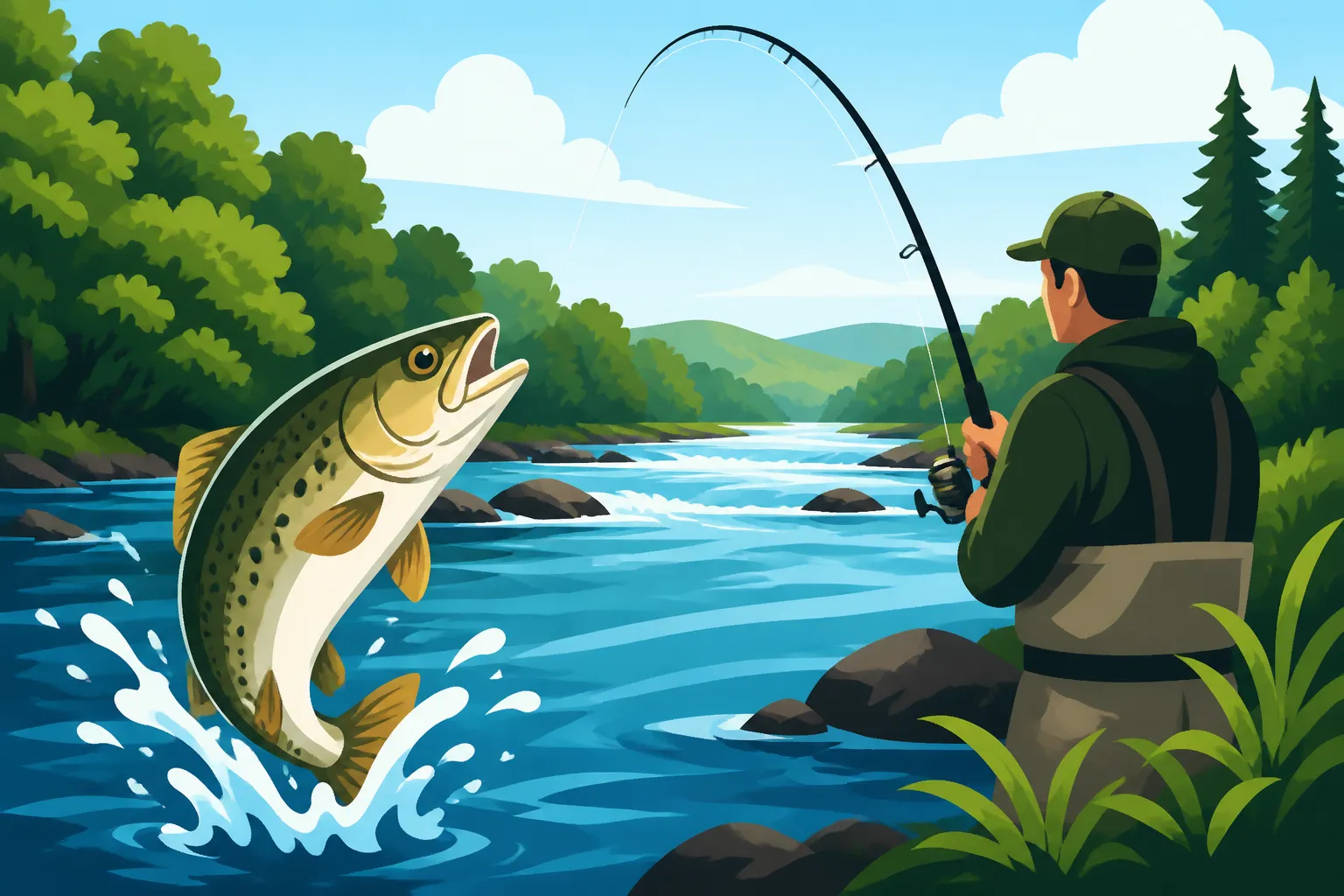
For stocked trout, small inline spinners (like Mepps, Rooster Tail, or Panther Martin in sizes #0-2) and compact spoons (such as Kastmasters or Little Cleos) are incredibly effective. Colors like silver, gold, brass, and fire tiger are generally good choices. Cast upstream and retrieve at a speed that allows the lure to wobble and flash naturally through the current. For newly stocked trout, traditional baits like worms, PowerBait, or corn are often irresistible. Use a light line (4-6 lb test fluorocarbon or monofilament) with a small hook and minimal weight to allow the bait to drift naturally.
Lures and Tactics for Bass and Panfish
When targeting smallmouth bass in the warmer sections, small crankbaits that imitate baitfish, soft plastic tubes, grubs, or small jerkbaits can be highly productive. Focus on rocky areas, current seams, and submerged structures. For panfish, tiny jigs tipped with a piece of worm, corn, or small artificial grubs fished under a bobber are usually all it takes to get bites. When the shad are running in the lower river, small, brightly colored darts or tiny spoons are your best bet. A good rule of thumb is to vary your retrieve speed and depth until you find what the fish are keying in on.
Essential Gear for a Successful Outing
Beyond your rod and reel, a few key items will make your Shetucket River fishing trip more comfortable, safer, and ultimately more successful.
Clothing and Personal Items
Dress in layers, especially during spring and fall, as temperatures can fluctuate throughout the day. Quick-drying fabrics are always a good idea. Polarized sunglasses are essential not only for eye protection from hooks and sun glare but also for spotting fish and underwater structure. A wide-brimmed hat provides additional sun protection. Don't forget bug spray, especially during warmer months, and plenty of water to stay hydrated. A small backpack can carry snacks, a first-aid kit, and any extra tackle you might need.
Tackle Box Essentials
Your tackle box should include extra line, spare hooks, a variety of sinkers (split shot or small bullet weights), and swivels. Forceps or needle-nose pliers are crucial for safely removing hooks. A small net with a rubberized mesh is ideal for landing fish, minimizing damage to their protective slime coat, especially if you plan on practicing catch and release. A small knife or line clippers are also indispensable. Lastly, ensure you have your valid Connecticut Fishing License Guide for 2026 with you at all times. It's not just a legal requirement but a demonstration of your commitment to conservation.
Navigating Shetucket River Regulations and Conservation
Fishing the Shetucket River is a privilege, and with that comes the responsibility to understand and adhere to all fishing regulations. These rules are in place to protect the fishery and ensure its health for future generations of anglers. Ignoring them can lead to significant penalties.
Understanding Statewide and Special Regulations
While the Shetucket River doesn't have designated "Trophy Trout Management Areas" or specific "Wild Trout Management Areas" like some other prominent Connecticut rivers, it is still subject to general statewide fishing regulations for trout and other species. These regulations dictate everything from creel limits and minimum lengths to specific season dates.
General Trout Regulations
For trout, the statewide regulations typically specify a minimum length and a daily creel limit, which can vary by season or specific water body. For the Shetucket, particularly in its stocked sections, you'll generally be operating under these standard statewide rules. However, always double-check the most current Connecticut Angler's Guide, published annually by the CT DEEP, as rules can change. This guide is your ultimate resource for all Connecticut Fishing Regulations Explained, covering everything from trout to bass to panfish limits. Understanding the nuances of Connecticut Trout Limit and Possession Rules is particularly vital when fishing this heavily stocked river, to ensure you're compliant with how many fish you can keep and take home.
Species-Specific Rules
Beyond trout, other species in the Shetucket also have their own set of regulations. Smallmouth bass, largemouth bass, and chain pickerel usually have specific minimum length requirements and daily creel limits. If you venture into the lower, tidal sections and target American Shad or even striped bass, you'll encounter different rules entirely, often with specific season windows and gear restrictions (like the circle hook requirement for striped bass). Always assume that regulations are subject to change and make it a habit to consult the official CT DEEP Angler's Guide before each fishing season.
Practicing Responsible Angling
Being a responsible angler goes beyond just following the rules; it's about ethical behavior and a commitment to preserving the natural environment.
Catch and Release Best Practices
If you plan to release fish, especially trout, understanding proper catch and release techniques is crucial. Minimize handling of the fish, keeping it in the water as much as possible. Use wet hands to avoid removing their protective slime coat. Remove hooks quickly and gently; barbless hooks can greatly facilitate this. If a fish is deeply hooked, cut the line as close to the hook as possible rather than trying to rip it out. These practices significantly increase the fish's survival rate, contributing to a healthier fishery. The more holdover trout thrive, the better the fishing experience for everyone.
Leave No Trace Principles
The beauty of the Shetucket River is part of its appeal. Help keep it that way by practicing "Leave No Trace" principles. Pack out everything you pack in, including fishing line, bait containers, and any other trash. Avoid disturbing stream banks or vegetation, and be respectful of wildlife. When accessing the river, stay on designated paths where possible to prevent erosion. Respecting private property is also a huge part of responsible angling; if an area is posted, do not trespass. These simple actions ensure that the river remains a pristine environment for both fish and fellow outdoor enthusiasts.
The Importance of a Valid License
This might seem obvious, but it bears repeating: you absolutely need a valid Connecticut fishing license to fish the Shetucket River. Fishing without one is not only illegal but also deprives the state's conservation efforts of vital funding.
Mandatory for Most Anglers
Anyone 16 years of age or older needs a current Connecticut fishing license. There are different types of licenses—resident, non-resident, annual, and even short-term options for non-residents. The revenue generated from license sales directly supports fish stocking programs, habitat restoration, law enforcement, and other critical conservation initiatives that directly benefit the fishing you enjoy. Finding where and how to acquire your license is straightforward, and our guide on Where and How to Buy a Connecticut Fishing License can walk you through the process, whether you prefer to buy it online or in person.
Penalties for Non-Compliance
The penalties for fishing without a license can range from significant fines to the confiscation of fishing gear. It's simply not worth the risk. Make it a habit to purchase your license well in advance of the season and always carry it with you while fishing. A digital copy on your phone or a printed paper copy are both generally acceptable, but always confirm the latest requirements for Printing or Carrying a Digital Fishing License in Connecticut. By purchasing a license, you're not just complying with the law; you're actively contributing to the health and future of Connecticut's fisheries.
Planning Your Shetucket River Adventure
A successful fishing trip to the Shetucket River involves more than just knowing where to cast your line; it also requires a bit of planning, from checking river conditions to considering local resources that can enhance your experience.
Checking Conditions and Local Resources
The Shetucket is a dynamic river, and its conditions can change rapidly, especially with weather fluctuations. Being prepared with up-to-date information is key to a productive and safe outing.
Stream Gauges and Weather Forecasts
Before you even leave the house, make it a habit to check the river's flow rates. The U.S. Geological Survey (USGS) operates stream gauges on the Shetucket River (e.g., near Willimantic), providing real-time data on water levels and discharge. High water can mean dangerous wading conditions and discolored water, while extremely low water can make fish skittish. Couple this with a detailed weather forecast to anticipate rain, temperature changes, and wind, all of which impact fishing conditions. A sudden cold front, for instance, can significantly slow down fish activity.
Local Bait Shops and Online Resources
Local bait and tackle shops are invaluable resources for current conditions and expert advice. Stores like Columbia Bait & Tackle or Eastern Connecticut Outfitters often have the latest scoop on what's biting, what flies or lures are working, and any recent changes in stocking or regulations. Don't be shy about striking up a conversation with the staff – their local knowledge is gold. Additionally, the official Connecticut DEEP website is your go-to for stocking reports, official regulations, and public access information. You can often find detailed maps and news updates that are crucial for planning your trip. Utilizing resources like the Connecticut Interactive Trout Stocking Map, Explained can help you pinpoint exactly where and when the DEEP has recently stocked fish.
Lodging, Food, and Other Amenities
While the focus is on fishing, a comfortable and convenient base of operations can make your trip even more enjoyable, especially if you're traveling from a distance or planning a multi-day adventure.
Nearby Towns for Convenience
The towns that border the Shetucket River offer a range of amenities. Willimantic, being a larger town, provides numerous options for dining, groceries, and lodging, from budget-friendly motels to charming bed and breakfasts. Norwich, at the lower end of the river, also has a variety of restaurants and accommodations. Mansfield, particularly near the University of Connecticut, offers services and eateries catering to a diverse population. These towns can serve as excellent hubs for your fishing excursions, providing a place to recharge and refuel after a long day on the water.
Local Eateries and Provisions
There's nothing quite like a good meal after a successful (or even a challenging!) day of fishing. Explore local diners, cafes, and restaurants in the surrounding towns for a taste of Connecticut hospitality. Many small towns also have convenience stores where you can grab snacks, drinks, and last-minute provisions for your day on the river. Stocking up on these essentials beforehand ensures you can maximize your time fishing without having to interrupt your outing for supplies.
Considering a Guided Trip
For those new to the Shetucket, or even experienced anglers looking to quickly learn the nuances of the river, a guided trip can be an invaluable investment.
Benefits of a Local Guide
A local fishing guide possesses intimate knowledge of the river's currents, hidden holes, and seasonal patterns that would take years for an individual angler to acquire. They can put you on fish faster, teach you specific techniques tailored to the Shetucket, and help you navigate the regulations with ease. Many guides also provide all the necessary gear, making it a hassle-free experience. Whether you're keen on mastering Fly Fishing for Trout in Connecticut or just want to catch dinner, a guide can significantly shorten your learning curve and maximize your time on the water. Services like FishingBooker can connect you with experienced local guides who specialize in the Shetucket River.
Finding the Right Guide
When looking for a guide, consider their specialties (e.g., fly fishing for trout, spin fishing for bass) and their familiarity with the specific stretches of the Shetucket you're interested in. Online platforms like FishingBooker allow you to browse profiles, read reviews, and compare offerings from various guides operating in eastern Connecticut. This ensures you find a guide who matches your fishing style and objectives. A good guide isn't just about catching fish; they're about teaching, sharing knowledge, and making your time on the river an unforgettable experience, enriching your understanding of Best Fishing Rivers in Connecticut.
| Species | Primary Season(s) | Typical Location | Recommended Technique | Notes |
|---|---|---|---|---|
| Trout | Spring, Fall | Upper & Mid-River | Fly Fishing, Spin Fishing (lures/bait) | Heavily stocked, good for holdovers in fall |
| Smallmouth Bass | Summer, Late Spring, Early Fall | Mid & Lower River | Spin Fishing (crankbaits/plastics) | Focus on rocky areas and current breaks |
| Chain Pickerel | Year-round | Mid & Lower River | Spin Fishing (spoons/jerks/live bait) | Weedy margins and slower pockets |
| Panfish | Spring, Summer, Fall | Throughout River | Spin Fishing (small jigs/bait) | Excellent for family fishing |
| American Shad | Late Spring, Early Summer | Lower River | Spin Fishing (shad darts/small spoons) | Anadromous run, focus on tidal sections |
| Striped Bass | Late Spring, Fall | Lower River | Spin Fishing (lures/live bait) | Occasional visitors, tidal influence is key |
Disclaimer
Please note that fishing regulations, stocking schedules, and river conditions can change. Always consult the official Connecticut Department of Energy and Environmental Protection (CT DEEP) website and the current Connecticut Angler's Guide before planning your trip to ensure you have the most up-to-date information. Your safety and compliance with all laws are your responsibility.