Cold Front Fishing Tactics for Connecticut Bass
When a cold front slams into Connecticut, suddenly the fish that were biting like crazy yesterday seem to vanish into thin air. You're left standing there, freezing, wondering if you've lost your touch or if all the bass simply packed up and moved out of state. It's a frustrating scenario many anglers face, but it doesn't mean the fishing is over. Understanding the profound impact these weather shifts have on bass behavior is the first step, and this comprehensive guide will equip you with the specific cold front fishing tactics for Connecticut bass that can help you turn those tough days into triumphs.
Understanding Cold Fronts and Bass Behavior
A cold front is far more than just a dip in the mercury; it’s a full atmospheric upheaval that profoundly reshapes the underwater environment, drastically altering how bass think and act. For us dedicated anglers in Connecticut, simply donning an extra layer of fleece isn't enough; we need to delve deeper into the science to truly understand what's happening beneath the surface.
The Science Behind the Shut Down
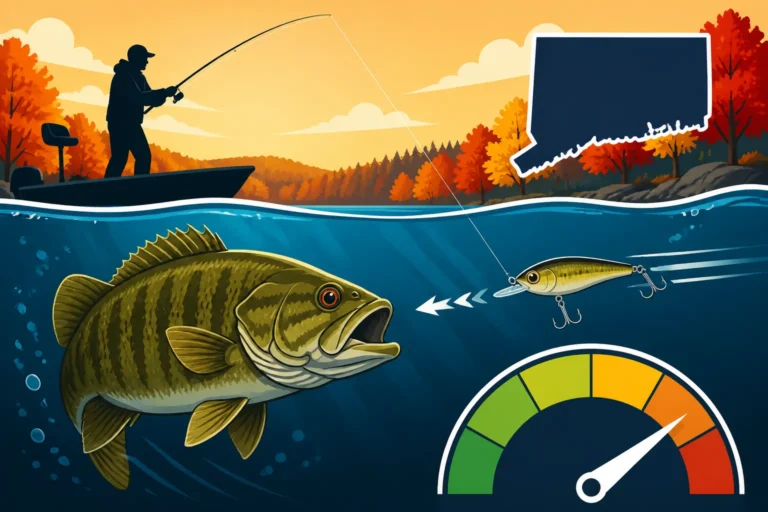
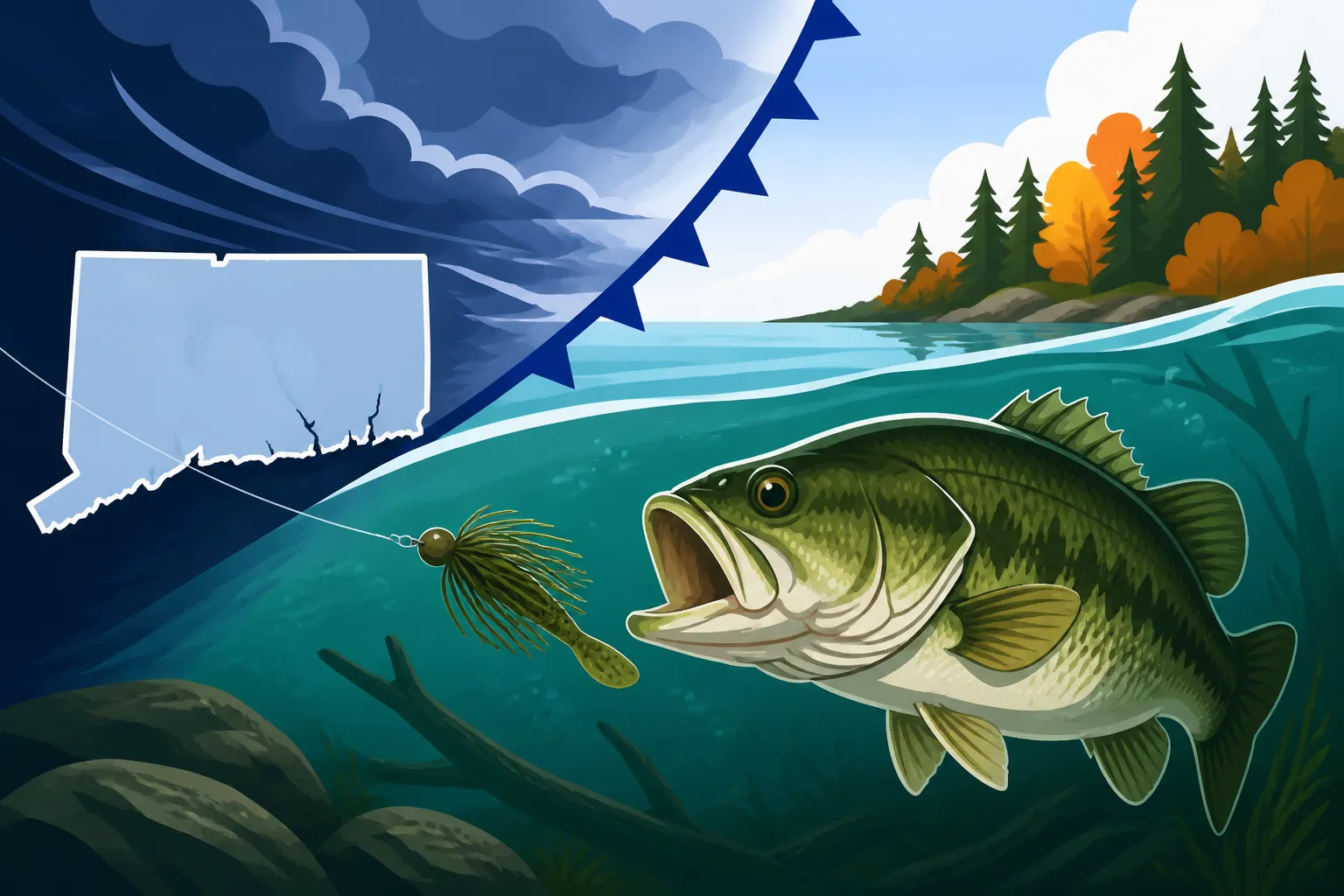
The most immediate and impactful change associated with a cold front is the alteration in barometric pressure. Before a front arrives, the pressure often drops significantly. Bass, being incredibly sensitive creatures, feel this change and instinctively know that a major weather event is approaching. This often triggers a furious feeding spree – they're trying to gorge themselves before the conditions get tough, much like we stock the fridge before a big storm. However, the moment the cold front passes, the barometric pressure stabilizes and then rises sharply. This high-pressure system, coupled with typically clear, often bluebird skies, is what truly shuts down the bite.
Bass detect this increase in pressure, and it directly affects their swim bladder, causing discomfort. Imagine trying to swim with a constant, uncomfortable squeeze in your chest; that's a bit like what a bass experiences. This discomfort, combined with the sudden drop in water temperature (even a few degrees can be significant to a cold-blooded fish), signals to the bass that it's time to hunker down. Their metabolism slows dramatically, and their primary focus shifts from feeding aggressively to conserving energy and seeking refuge. The clear skies after a front also mean much greater light penetration into the water, making bass feel exposed and vulnerable. They don't want to be caught out in the open, making them retreat to deeper water or dense cover. If you're looking for more details on how these atmospheric changes can affect your fishing, check out our guide on How barometric pressure affects Connecticut bass fishing.
Instinctive Reactions of Bass
Bass are poikilothermic, meaning their body temperature mirrors that of their environment. This inherent biological trait dictates that as the water cools, their metabolism necessarily slows down. They don't need as much food, and the energy expenditure required to chase down a meal becomes less appealing. It's an evolutionary survival mechanism designed to conserve energy during unfavorable conditions.
Beyond the metabolic slowdown, cold fronts induce a significant stress response in bass. They become highly wary, skittish, and much less willing to venture out from their secure hideaways. Their instinct is to seek comfort and safety, which usually translates to moving to deeper, more thermally stable water or burying themselves in the densest available cover. This shift is pronounced; the aggressive, competitive feeding behavior you might have witnessed just hours before the front will typically be replaced by lethargy and caution.
While they may be lethargic, it's crucial to understand that bass still can be caught. They aren't actively seeking food, but if an easy, appealing meal is presented right in front of them with minimal effort required on their part, they will often bite out of pure instinct or opportunity. The key is to acknowledge this behavioral shift and adjust your tactics accordingly, moving away from aggressive presentations towards subtle, enticing offerings. For more on what keeps these fish comfortable, our article on Best water temperature for smallmouth bass fishing provides excellent context.
Adjusting Your Approach Lure Selection for Finicky Bass
When a cold front has effectively put the brakes on bass activity, clinging to your power fishing arsenal will likely lead to a frustrating, fishless day. This is the moment when finesse fishing truly earns its stripes, and the lures you tie on become absolutely paramount. Your goal shifts from triggering a reaction strike from an actively feeding, competitive fish to subtly coaxing a bite from a wary, sluggish, and potentially uncomfortable bass.
Downsizing and Finesse Rigs
The golden rule for cold front lure selection is simple: downsize. Think about what a lethargic bass, focused on conserving energy, would find easiest and least threatening to consume. This almost always points to smaller, more natural-looking baits. Rigs like the drop shot, the Ned rig, and small shaky heads rise to the top of the list for their ability to present a compact, subtle offering.
For drop shots, opt for small worms, senko-style baits, or creature baits in the 3 to 4-inch range. The beauty of the drop shot is that it keeps your bait suspended directly in the strike zone, off the bottom, where a reluctant bass can eye it without having to root around. Ned rigs, with their buoyant, stubby soft plastics, present a tempting, upright profile that mimics a foraging critter or small baitfish with minimal effort. Small jig heads paired with finesse worms or plastic craws on a shaky head also work wonderfully, providing a subtle, quivering action with little rod movement. The color of these baits, while sometimes important, often takes a backseat to the sheer subtlety and ease of the presentation. Natural tones like greens, browns, and black-and-blue are typically your safest bets.
These baits excel because they mimic easy prey that requires minimal effort from the bass. They're practically "spoon-feeding" the fish. Using light line, typically 6-8 pound test fluorocarbon, is also crucial for better sensitivity to detect faint bites and to allow the bait to move more naturally underwater. Many excellent drop shot hooks and a vast array of finesse worms perfect for these conditions are readily available on platforms like Amazon, making it easy to stock up on the right tools for a cold front. If you're exploring the nuances of different fishing methods, our guide on Best Bass Fishing Techniques for Candlewood Lake offers further insights that can be adapted to cold front scenarios.
Slow-Moving, Bottom-Bouncing Baits
Beyond finesse plastics, another highly effective category of lures for cold front conditions involves baits designed to be worked slowly along the bottom. Remember, bass are often hunkered down, and they aren't going to chase a fast-moving target. Instead, you need to bring the meal directly to them, keeping it within their immediate strike zone for an extended period.
Jigs are perennial cold front champions. Football jigs, particularly, are excellent for covering rocky or hard bottoms, allowing you to feel every subtle change in structure. Pair them with a smaller craw-style trailer. Texas-rigged worms or creature baits, especially those with minimal appendages, also shine. They can be worked slowly through dense cover without snagging, presenting a non-threatening meal. Carolina rigs are another fantastic option for covering expansive deep flats or ledges, allowing your bait to float enticingly above a heavy sinker as you drag it along.
The presentation with these baits is critical: think dragging, subtle hopping, or meticulously crawling them along the bottom. The goal isn't aggressive action; it's to impart just enough movement to make the bait seem alive but vulnerable. You're trying to imitate a slow-moving crayfish or an injured baitfish struggling on the bottom. Focus on feeling for every tick, every bump, and every change in bottom composition. The bites will often be incredibly subtle, feeling like nothing more than extra weight on your line or a slight mushy sensation. While vibrant colors might grab attention in active conditions, natural hues—various shades of green pumpkin, junebug, or black and blue—tend to outperform flashier options in the clear, high-pressure waters that typically follow a cold front. And while a spinnerbait might be your go-to in other conditions, as discussed in How to fish a spinnerbait for Connecticut lake bass, these cold front situations demand a more subdued approach.
Strategic Presentation Slow and Low
When the bass are feeling the pinch of a cold front, your fishing mantra needs to shift dramatically: slow down, and get low. Gone are the days of rapid-fire retrieves and aggressive jerks; post-front bass crave an effortless meal presented directly in their personal space. They're often glued to the bottom or tucked tightly into cover, harboring an extreme reluctance to expend precious energy moving very far.
The Art of the Dead Stick and Crawl
The term "dead sticking" often feels counterintuitive to active anglers, but it’s a tactic that consistently unlocks bites when bass are at their most lethargic. This technique involves casting your bait out, allowing it to settle, imparting a tiny twitch or two, and then letting it sit, absolutely motionless, for an extended period—sometimes as long as 10 to 30 seconds. This seemingly passive approach allows a wary bass ample time to inspect the bait, determine it poses no threat, and finally commit to a bite. It demands immense patience, but the rewards are often chunky, hard-earned fish.
Complementing dead sticking is the "crawl" retrieve, a meticulous technique where you barely move your bait along the bottom. Imagine a crawfish slowly scuttling over rocks, or an injured baitfish struggling to stay upright. This retrieve focuses on feeling every single piece of structure—every rock, pebble, twig, or change in bottom substrate—as you slowly drag or inch your lure forward. You're not trying to cover water quickly; you're trying to methodically dissect a small section of prime habitat, presenting a truly irresistible offering.
Patience isn't just a virtue here; it's an absolute necessity. Cold front bites will be fewer and far between than during active feeding periods, but they will often be more deliberate. It's crucial to watch your line for the slightest deviation, the subtlest twitch, or the feeling of sudden weight. These can all indicate a bass has picked up your offering. This is where high-quality fluorocarbon line, widely available on Amazon, becomes an indispensable tool. Its low visibility underwater and superior sensitivity allow you to detect those incredibly faint cold front bites that braid or mono might mask.
Vertical Presentations and Suspended Baits
While many cold front strategies focus on bottom contact, sometimes bass will suspend in the water column, especially over deep structure or within dense cover. In these situations, vertical presentations can be incredibly effective. Lures like blade baits, jigging spoons, or even a heavier drop shot rig dropped straight down can entice strikes. The key is to use your electronics to pinpoint the depth at which the fish are holding and then present your bait directly to them. A sharp lift of the rod followed by a controlled fall can trigger a reflex strike from a otherwise unresponsive bass.
Another deadly tactic for suspended bass, particularly those holding near cover or over deep flats, involves suspending jerkbaits. These lures are designed to dive to a certain depth and then, on the pause, hang motionless in the water. The action involves a series of sharp twitches followed by long, agonizing pauses – sometimes 5, 10, or even 15 seconds. That extended pause allows the jerkbait to simply "hang" in the fish's face, irritating or tempting a reluctant bass until it finally decides to strike. This is a game-changer when bass are up off the bottom but aren't actively chasing. For more on this technique, our guide on How to fish a jerkbait for early spring bass offers valuable insights that apply to cold front situations too.
To effectively find these suspended fish, modern electronics are absolutely crucial. Utilize your sonar to look for individual fish arches or schools of baitfish that might indicate bass are nearby. Once you've located them, whether they're suspended over a main lake point or nestled into a submerged brush pile, the goal is to present your bait at that exact depth, keeping it in their strike zone for as long as possible.
| Lure Type | Ideal Depth | Retrieve Speed | Key Feature |
|---|---|---|---|
| Drop Shot | 10-30+ ft | Very Slow | Subtle movement, hangs in strike zone |
| Ned Rig | 5-20 ft | Ultra Slow Drag | Upright presentation, minimal action |
| Football Jig | 10-40+ ft | Slow Drag/Hop | Mimics crayfish, excellent feel |
| Shaky Head | 5-25 ft | Slow Drag/Twitch | Worm stands up, natural action |
| Jerkbait | Variable (suspending) | Twitch-Pause (Long Pauses) | Irritates suspended bass, hangs in strike zone |
| Blade Bait | 15-50+ ft | Vertical Jig | Vibration/flash on lift, darting fall |
Finding the Fish Where Bass Go After a Cold Front
You can have the most meticulously chosen lure and the most finessed presentation, but if your bait isn't presented where the bass are actually holding, your efforts will be in vain. Cold fronts trigger a distinct shift in bass location, pushing them to very specific types of areas as they seek both refuge from uncomfortable conditions and thermal stability. Understanding these key holding patterns is half the battle when deciphering the cold front puzzle.
Deep Water and Stable Zones
One of the most immediate and common reactions of bass to a cold front is a retreat to deeper water. This isn't just about escaping the cold; it's about finding stability. Deeper water is far less susceptible to rapid temperature fluctuations caused by sudden air temperature drops. It acts as a thermal buffer, providing a more consistent and comfortable environment for these cold-blooded creatures.
Think about main lake points that drop off steeply into a channel, deep creek bends within larger bodies of water, or even the middle of deep coves that offer both depth and protection from the wind. These are prime relocation zones. Bass might not be actively feeding, but they'll position themselves along these deeper contours, often right on the bottom, waiting for conditions to improve. Focus your efforts where deep water meets some form of structure. Ledges, rock piles, sunken timber, old roadbeds, or even subtle humps in these deeper areas become absolute magnets. These features provide ambush points for lethargic fish that only want to move a minimal distance to grab an easy meal. For some specific examples of where deep water structure is key, take a look at our guide on Best deep water structure spots on Candlewood Lake.
Dense Cover and Isolated Structure
While deep water offers thermal stability, dense cover provides psychological security and physical protection from the elements and predators, including us anglers under bright, post-front skies. Bass will often bury themselves into the thickest cover they can find, particularly if that cover is adjacent to or in deeper water. This could include heavy bush piles, submerged brush, thick dock pilings, standing timber in flooded areas, or even healthy, dense weed lines (if they haven't died back yet and still offer robust concealment).
The key here is refuge. Bass feel safe, camouflaged, and protected within these dense environments. They're often just sitting tight, waiting for the weather to stabilize and their discomfort to subside. When targeting these areas, focus on the shadiest, most protected parts of the cover. It might require punching through matted vegetation or painstakingly working your bait around every limb of a sunken tree.
Beyond broad areas of cover, isolated pieces of structure can be absolute goldmines. A lone rock pile on an otherwise featureless flat, a single sunken tree in a deep channel, or a small brush pile dropped by anglers can hold an entire school of bass after a cold front. These isolated features act as solitary ambush points and resting areas, concentrating fish in a predictable location. Identifying and methodically dissecting these isolated targets can be incredibly productive. Our article on How to pattern bass on an unfamiliar Connecticut lake offers excellent tips for locating these critical features.
Gear Considerations for Cold Front Conditions
While technique and location are undeniably critical, having the right gear in your hands can make a substantial difference in your success rate when fishing after a cold front. This isn't about rushing out to buy the most expensive equipment on the market, but rather about making educated choices that enhance your ability to detect incredibly subtle bites and execute precise presentations.
Rods, Reels, and Line Choices
When bass are lethargic, their bites are often incredibly light—a mere tick, a spongy feeling, or just added weight on the line. This is where a highly sensitive rod becomes your best friend. For finesse tactics like drop shots, Ned rigs, and shaky heads, a medium-light to medium power, fast-action spinning rod made from high-modulus graphite is generally preferred. The fast action allows for quick, responsive hooksets on those light bites, while the graphite construction transmits even the faintest sensations from your lure. For working heavier jigs or Texas rigs in deeper water, a sensitive casting rod with a slightly softer tip can also be effective, allowing the fish to take the bait without immediate resistance.
Matching your rod with a high-quality spinning or baitcasting reel is also important. Smooth, consistent drag is non-negotiable, especially when using lighter lines. A sticky or jerky drag can lead to break-offs on light fluorocarbon, particularly when a cold-front bass unexpectedly decides to make a powerful run.
However, the unsung hero of cold front fishing is your line choice. Fluorocarbon line reigns supreme in these conditions. Its low stretch properties provide unparalleled sensitivity, allowing you to feel even the most subtle bites. Crucially, fluorocarbon is nearly invisible underwater, a massive advantage in the clear, high-pressure conditions that typically follow a cold front when bass are at their most wary. While some anglers prefer the sensitivity of braid for their main line, always pair it with a long fluorocarbon leader (6-10 feet) to maintain that stealth factor. Ensure you have a good selection of various pound-test fluorocarbon leaders, which you can easily find on Amazon, to adapt to different bait sizes and cover types. While the topic is different, the principles of selecting a sensitive setup are similar to those outlined in Best rod setup for surfcasting striped bass, emphasizing how crucial feel is.
Electronics and Ancillary Tools
In challenging cold front conditions, electronics stop being a luxury and become an absolute necessity for efficiency and success. Your sonar or fishfinder is your primary tool for understanding the underwater landscape and locating fish. Utilize features like side imaging and down imaging to pinpoint specific pieces of deep structure—a solitary rock pile, a sunken tree, or a subtle ledge—where bass are likely to be hunkered down. Don't just look for fish arches; identify changes in bottom composition, baitfish presence, and contours that scream "bass hideout." Actively reading your temperature gauge, if your unit has one, can also reveal subtle thermal breaks that might concentrate fish.
Beyond your fishfinder, a dedicated water temperature gauge can provide invaluable intelligence. Even a slight temperature increase in a particular cove or on a specific flat could indicate a micro-environment where bass are marginally more comfortable. This could be the difference between a fishless day and a few crucial bites.
Finally, detailed mapping systems, whether integrated into your fishfinder or accessed via apps like Navionics on your smartphone or tablet, are indispensable. These maps allow you to identify contours, old creek channels, humps, and submerged roadbeds—all high-percentage cold front spots—before you even get there. Mark every spot where you get a bite or see fish on your electronics. Over time, you'll build a personal library of cold front hot spots. To truly optimize your use of these tools, consider learning more from resources like Best sonar settings for finding structure on Candlewood Lake.
Putting It All Together A Sample Cold Front Fishing Strategy
Okay, you've absorbed the scientific principles, learned about precise lure choices, perfected your presentation, and identified key bass hideouts. Now, let's translate all that theoretical knowledge into a practical, step-by-step "Cold Front Fishing Tactics for Connecticut Bass" strategy for when you're actually out on the water, battling those crisp, clear Connecticut mornings after a weather shift. It's all about combining these elements into a cohesive, patient, and adaptable game plan.
Pre-Fishing and Observation
Before you even make your first cast, a little detective work can significantly improve your odds. First, check the weather history. When did the cold front officially pass? How significant was the drop in air temperature, and how long has it been since the front moved through? This information will give you a crucial understanding of how lethargic the bass are likely to be and how settled the post-front conditions have become. Remember, the first day after a cold front is usually the toughest. Understanding the general fishing trends for the time of year can also be beneficial, as detailed in Connecticut Fishing Seasons by Month.
Once you're on the water, engage your observation skills. Are there any signs of baitfish activity, or is the surface eerily calm? Look for subtle changes in water clarity or even slight temperature variations if you have a gauge. Pay close attention to wind direction, as it can subtly push bait or create current lines that might concentrate fish.
Crucially, resist the urge to assume. Just because you hammered bass on a shallow point with topwater yesterday doesn't mean they'll be there today. The bass have undoubtedly moved. Instead, start with a mental map of high-percentage cold front areas – think deeper transitions, dense cover adjacent to depth, and protected, stable zones. Don't waste precious time in areas that are unlikely to hold fish under these challenging conditions.
Step-by-Step Cold Front Attack
-
Start Deep and Methodical: Begin your day by targeting the deepest accessible water near known bass haunts. Focus on main lake points, channel swings, deep humps, and steep ledges. Use your electronics extensively here to identify specific pieces of structure, bait concentrations, or even individual fish arches. Don't just motor through; spend time thoroughly scanning these areas.
-
Finesse is Your First Strike: Once you've identified a promising deep area, deploy your finesse tactics. Start with a drop shot, a Ned rig, or a small football jig. The key is an incredibly slow retrieve. Let the bait soak, allow for long pauses, and work it meticulously along the bottom or at the precise depth where you've marked fish. Fan cast to thoroughly cover the area, then focus on picking apart any specific pieces of structure you can identify.
-
Explore Dense Cover: If deep water isn't producing, shift your focus to dense cover located in moderate to deeper water. This includes fallen trees, dock pilings, heavy brush piles, or healthy weed lines. When approaching cover, present your lure into the densest parts and work it out slowly. Bass will often be buried deep within, requiring you to be precise with your casts and patient with your retrieve. Remember, the goal is to present an easy meal right in front of their nose.
-
Consider Vertical Options: If your sonar is showing suspended fish over deep water or within structure, don't hesitate to switch to vertical presentations. A blade bait or jigging spoon dropped directly down to the fish's depth can trigger strikes. Experiment with the retrieve—sharp snaps, slow lifts, or subtle quivers—to see what generates a reaction. For suspended fish that are less active, a long-pausing jerkbait worked over the zone can be deadly.
-
Patience and Persistence Pay Off: Cold front fishing is rarely a numbers game. You might get only a handful of bites throughout the day, but those bites are often from quality fish that required significant effort and strategic thinking to entice. Stick with your chosen areas and presentations for a good amount of time before moving. Don't be afraid to make subtle adjustments to your lure color, trailer, or retrieve speed. Sometimes the slightest change can be the trigger. Remember that a vast array of proven cold front bass lures and tackle boxes to keep them organized are conveniently available on Amazon.
Disclaimer
The information provided in this guide is for general informational purposes only and is not intended as professional advice. Fishing regulations, conditions, and fish behavior can change rapidly. Always consult the latest Connecticut Department of Energy and Environmental Protection (DEEP) fishing regulations before heading out, and prioritize your safety on the water. Fishing involves inherent risks, and individual success may vary.