Best setup for float fishing the Farmington River
Oh, the Farmington River! If you've ever stood on its banks, watching those crystal-clear currents glide by, you know it's a truly special place. But if you've also tried to get a perfect drift with your fly or bait in its sometimes tricky flows, you've likely felt that familiar frustration of drag, missed bites, or just not feeling "connected" to your presentation. This guide is all about cutting through that confusion, helping you dial in the ultimate float fishing setup to consistently fool the Farmington's discerning trout, from the feisty stockers to those elusive wild browns.
Understanding the Farmington River's Unique Challenges
The Farmington River, especially its West Branch, is a gem in Connecticut's angling crown, but it's far from a "beginner's pond." It's a dynamic, technical river that demands respect and a thoughtful approach. You can't just show up with any old gear and expect consistent success, particularly with the pressured fish found in its celebrated waters.
The West Branch and Trophy Trout Management Areas
When we talk about the Farmington River for trout, we're almost always referring to its famed West Branch. This stretch is known for its cold, clean water released from the Goodwin Dam, providing ideal habitat for trout year-round. It's home to some seriously impressive fish, including wild brown trout, robust rainbow trout, and even brook trout in its upper reaches. The river's status as a Farmington River West Branch Trout Fishing destination means it receives significant attention and stewardship.
A large portion of the West Branch falls under "Trophy Trout Management Area" (TMA) regulations. This isn't just a fancy name; it means specific rules are in place to foster larger, healthier trout populations. Understanding these Connecticut Trout Management Area Regulations is paramount. Often, this involves gear restrictions (like single, barbless hooks) and catch-and-release only periods or specific harvest limits outside of those periods. These regulations directly influence your gear choices, pushing you towards setups that minimize harm to fish and facilitate quick, safe releases. The constant cold water, even in summer, creates a challenging environment where fish are often wary, making a natural, drag-free drift absolutely essential for success. This is precisely where a dialed-in float fishing setup shines, allowing you to present your offering as naturally as a freed insect.
Decoding the River's Flow and Structure
The Farmington is a classic freestone river, characterized by a diverse mix of rapids, riffles, runs, and deep pools. Each of these features presents its own set of challenges and opportunities for the float angler.
- Riffles and Rapids: These are often shallower, faster sections where oxygen levels are high. Trout hold behind rocks, in seams, and in small depressions, waiting for food to be swept by. Your float needs to be visible in the chop, and your presentation swift and accurate.
- Runs: These are typically deeper, smoother flows between riffles and pools. Trout will spread out in runs, often holding near the bottom, feeding on nymphs and worms. A longer drift is key here, often requiring precise mending to avoid drag.
- Pools: Deep, slow-moving sections that offer trout refuge and holding areas, especially in winter or during warmer months. Fish in pools can be incredibly finicky due to clear water and slow currents, making stealth and perfect presentation critical.
- Seams and Eddies: These are the goldmines. Seams are the lines where fast water meets slow water, funneling food directly to waiting fish. Eddies are areas of reverse current, often found behind large rocks or logs, where trout can rest out of the main flow and pick off unsuspecting morsels.
The ever-present current, combined with these varied structures, makes a float invaluable. It keeps your bait or fly at the desired depth, preventing it from snagging on the bottom or being swept too quickly over a productive lie. Without a float, maintaining a consistent depth and a natural drift in the Farmington's currents would be a near-impossible task, leading to frustration and fewer fish in the net.
Essential Components of a Farmington River Float Fishing Rig
Building the ideal float fishing setup for the Farmington isn't just about grabbing a rod and some bobbers; it's about creating a harmonious system where every component works together to achieve that perfect drift and subtle presentation.
Rod, Reel, and Line Selection
Choosing the right rod, reel, and line is foundational to effective float fishing on the Farmington. You need gear that offers both sensitivity for detecting subtle bites and enough backbone to handle strong trout in swift currents.
Let's start with the rod. For float fishing, especially with lighter presentations, you'll want something in the 7 to 9-foot range, with a moderate to fast action. A longer rod provides several advantages: it allows for better line control and mending (correcting your line's drift to match the current), helps keep more line off the water to reduce drag, and absorbs the shock of a powerful trout's run. A medium-light to medium power rod will give you the sensitivity to feel delicate takes and the necessary flex to protect light tippets, while still having enough strength to steer a fish away from snags. Brands like St. Croix, Fenwick, or even some of the more affordable Ugly Stik models can offer great performance. For those truly focused on delicate presentations, some anglers even opt for specialized "noodle rods" which are incredibly long and flexible, though these can have a steep learning curve. If you're looking for recommendations, a quick search on Amazon will show you many options that fit these criteria, often with reviews from fellow anglers.
Next, the reel. A lightweight spinning reel in the 1000 to 2500 size range is perfect. You want something with a smooth drag system, as even a small Farmington trout can put up a surprisingly strong fight, especially on light line. A good retrieve ratio is also helpful for quickly taking up slack line during drifts or after a hookset. Shimano and Daiwa offer excellent reels in this range that are known for their durability and smooth performance, and you can often find great deals on them through retailers like Amazon.
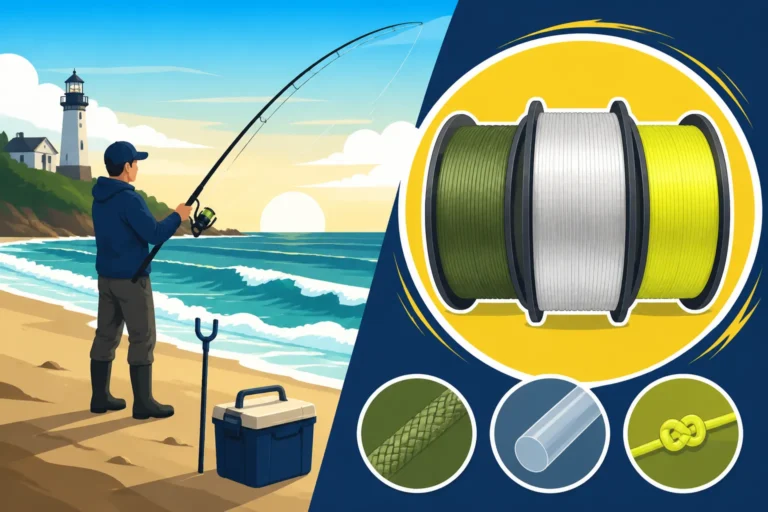
Finally, line. This is where many anglers either succeed or fail. For your main line, a high-visibility monofilament or braided line is often preferred, typically in 4 to 8 lb test. The high-vis mono (like a neon green or orange) allows you to easily track your float and line, which is critical for identifying subtle drifts and strikes. Braided line, while less visible, offers superior sensitivity due to its lack of stretch and can cast lighter floats further. However, braid requires a fluorocarbon leader, which we'll get to. A good option to consider is something like Berkley Trilene XL in high-visibility green. It offers a good balance of strength, castability, and visibility. Regardless of your choice, ensure it's fresh line! Old, stiff line will coil badly and impede your drift.
For the leader and tippet, fluorocarbon is king in the Farmington's clear waters. It's nearly invisible underwater and has excellent abrasion resistance. You'll want to build a leader that tapers down from your main line. A typical setup might be 4-6 feet of 4-6 lb fluorocarbon leader, attached to your main line with a small swivel or a double uni knot. Then, tie on a section of even lighter tippet (2-4 lb test fluorocarbon) to which you attach your hook. This lighter tippet breaks away cleanly if you snag, saving your more expensive leader material. A good knot like the improved clinch or uni knot is essential for connecting everything securely.
The Float Itself
The "float" in float fishing is arguably the most critical piece of the puzzle. It's not just a bobber; it's your strike indicator, depth gauge, and drift controller.
There are generally two main types of floats:
- Fixed Floats: These attach directly to your line at a specific point, meaning the depth you can fish is limited by your rod length. They're great for shallower water or when you need quick adjustments. Good for short, precise drifts in pocket water.
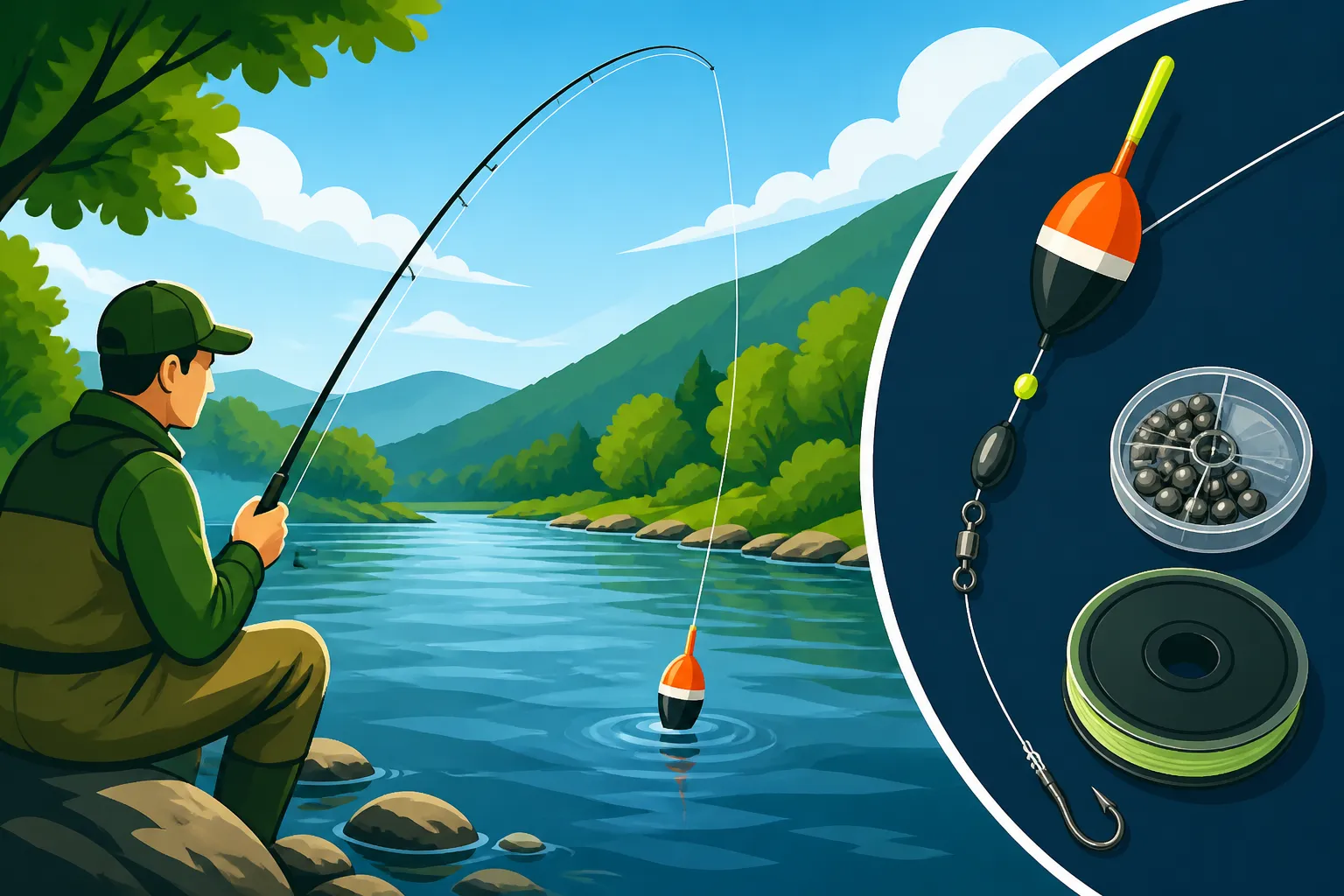
- Slip Floats: These have a hole through the center, allowing your main line to "slip" through. A small bobber stop (thread, rubber, or plastic) is then slid onto the line above the float to set your depth. This allows you to fish much deeper than your rod length and makes casting easier, as the float slides down to your terminal tackle, shortening your overall rig for the cast. For the Farmington, with its varying depths, a slip float system is often the more versatile choice.
When choosing a float, consider its size, shape, and material.
- Size: The float should be just big enough to suspend your weight and bait/fly without sinking, but no larger. A float that's too large will be less sensitive to subtle bites and create more drag.
- Shape: Stick floats, pear-shaped, or cigar-shaped floats are common. Stick floats are highly sensitive and great for calm water. Pear or cigar shapes offer more buoyancy and stability in moderate currents.
- Material: Balsa wood, foam, or plastic. Balsa offers great sensitivity. Plastic is durable. Look for floats with highly visible tops (neon orange, chartreuse) and muted bottoms. Brands like Thill, Drennan, and Raven tackle offer excellent choices for sensitive river floats. You'll find a wide array of these specialized floats available on Amazon, often in multi-packs, making it easy to experiment.
The key is to use the lightest float possible that will still comfortably support your rig and remain visible. This minimizes resistance to a biting fish and ensures the most natural drift.
Terminal Tackle
Now that your rod, reel, line, and float are sorted, let's talk about what goes into the water.
- Hooks: For trout in the Farmington, small, sharp hooks are a must. Size 10-16 is common, depending on your bait or fly. If fishing in TMA sections, remember to check for single, barbless hook requirements. Many anglers simply crimp down the barbs on their favorite hooks to comply. Gamakatsu, Owner, and Mustad offer excellent quality hooks.
- Split Shot: This is crucial for getting your bait/fly down to the fish quickly and keeping it at the desired depth. Use non-toxic split shot (lead-free) to protect the environment. You'll want an assortment of sizes, from tiny "BB" shots to larger "AAA" sizes. The goal is to use just enough weight to cock your float properly, standing it upright with only the brightly colored tip showing. Distribute the weight carefully; often, a few smaller split shots spread out along your tippet above the hook (sometimes called "shotting the line") provides a more natural presentation than one big weight.
- Swivels: A small, good-quality barrel or SPRO swivel can be tied between your main line/leader and your tippet section. This helps prevent line twist, especially when drifting. Ensure it's small enough not to impede the drift or spook fish.
- Leader Materials: As mentioned, fluorocarbon for your tippet is highly recommended. You'll want a spool of 2lb, 3lb, and 4lb test to adapt to water clarity and fish activity.
- Bait/Flies: Depending on regulations and your preference, you might be using corn, worms, PowerBait, or small nymphs. If using nymphs, consider natural patterns like Pheasant Tail Nymphs, Hare's Ear Nymphs, or Squirmy Wormies. For bait, small pieces are often more effective than large chunks.
Wading and Safety Gear
The Farmington River can be deceptive. What looks like a gentle current can quickly turn into a powerful force, and the bottom can be slippery with rocks and algae. Safety should always be your top priority.
- Waders and Boots: Quality breathable waders are essential for comfort and staying dry, especially in the cold waters of the Farmington. Pair them with sturdy wading boots that offer excellent ankle support and grip. Felt soles provide superior grip on slimy river rocks, though rubber soles with studs are also popular. Always ensure your waders are in good condition; a leak can quickly ruin your day and even pose a hypothermia risk.
- Wading Staff: This is non-negotiable for safety. A collapsible wading staff provides an extra point of contact, helping you maintain balance in strong currents and probe unknown depths. It can literally save you from a nasty fall or worse.
- PFD (Personal Flotation Device): While many anglers forgo this in rivers, it's a smart choice, especially if you're wading in deeper, faster sections or unfamiliar territory. Inflatable PFDs are low-profile and comfortable, activating only when needed. Remember that Connecticut Cold Water Life Jacket Rule October to May is something to be aware of if you plan to be in a boat, but even for wading, the principles of cold water safety apply.
- Other Essentials: A net (rubberized, knotless nets are best for fish health), line clippers, forceps/hemostats for hook removal, a small tackle box or vest to carry your essentials, and polarized sunglasses to cut glare and spot fish. Don't forget bug spray, sunscreen, and plenty of water, especially during warmer months.
Mastering Float Fishing Techniques on the Farmington
Having the right gear is only half the battle; knowing how to use it effectively is what truly sets successful anglers apart on a river like the Farmington. Float fishing isn't just about throwing a bobber out there; it's a nuanced approach that requires observation, precision, and constant adjustment.
Reading the Water and Positioning
Before you even make your first cast, take a moment to "read" the water. This means observing the currents, looking for structure, and identifying potential holding lies where trout might be feeding or resting.
- Look for Seams and Current Breaks: As mentioned earlier, where fast water meets slow water, or where the current washes around a large rock, log, or bank, these are prime feeding zones. Trout will often sit just out of the main current, letting food wash into their strike zone.
- Identify Depth Changes: A sudden drop-off, a trough, or the lip of a pool can concentrate fish. Your float fishing setup allows you to precisely target these depths.
- Watch for Subsurface Structure: Darker patches might indicate deeper water, while subtle ripples or swirls could hint at submerged rocks or logs.
- Overhanging Vegetation and Undercut Banks: These provide cover and shade, often holding bigger, shyer trout.
Once you've identified a promising spot, your positioning is critical.
- Upstream Approach: Always try to approach from downstream or across the river, keeping a low profile. Trout typically face upstream, so approaching from below minimizes your chances of being seen.
- Optimal Casting Distance: You want to be close enough to control your drift and see your float, but far enough not to spook the fish. This often means casting slightly upstream and across from your target zone.
- Angle of Attack: Cast so your float and bait/fly land softly, allowing them to drift naturally into the target area without a splash that could alarm fish. The goal is for your offering to enter the trout's world as if it were truly free-drifting.
Achieving the Perfect Drift and Mending
The concept of a "drag-free drift" is the holy grail of float fishing, especially for finicky trout. It means your bait or fly is moving at the exact same speed as the surrounding current, just like natural food would. Any unnatural pull or hesitation (drag) will immediately alert the trout, and they'll refuse your offering.
- Casting for Success: Cast slightly upstream of your target. As your float lands, immediately take up any slack line. You want a direct connection to your float without it pulling against the current.
- The Art of Mending: This is the most important technique in river float fishing. As your float drifts downstream, the current will inevitably pull on your line, creating a bow in the line and causing your float to drag unnaturally. To combat this, you "mend" your line. This involves quickly lifting your rod tip and flipping a loop of line upstream of your float. This effectively feeds slack into the drift, allowing your float and bait to continue downstream at the natural current speed. You'll often need to mend multiple times during a single drift on the Farmington, especially in longer runs or areas with conflicting currents. Practice makes perfect here!
- Watching Your Float: This sounds obvious, but you're not just watching for it to disappear. Pay attention to subtle pauses, twitches, or changes in its speed. Sometimes a trout will just gently inhale the bait, causing the float to subtly dip or hesitate rather than dive decisively. These subtle takes are common with wary Farmington trout, and a light, sensitive float is key to detecting them.
Hooksets and Fighting Fish
Once you detect a bite, your reaction time and technique are crucial.
- The Hookset: When your float dips, pauses, or shoots under, don't hesitate. A quick, firm, but not overly powerful, hookset directly upstream or to the side is usually best. A hard upstream hookset helps drive the hook home without pulling the bait directly out of the fish's mouth. Since you're often fishing with light tippets, a gentle but firm motion is required to avoid breaking off.
- Fighting the Fish: The Farmington's strong currents add another dimension to fighting trout.
- Keep Tension: Maintain constant tension on the line. A slack line is an invitation for the hook to fall out.
- Use the Current to Your Advantage: When a trout runs, let your rod absorb the shock and use the current to tire the fish. Sometimes, you can even gently guide a running fish into slower water downstream to regain control.
- Pump and Reel: Once the fish is tiring, use a pump-and-reel technique: lift the rod to gain line, then lower it while reeling in the slack.
- Netting: Use a knotless, rubberized net to safely land the fish. Avoid beaching trout on rocks or dirt, as this can remove their protective slime layer. Get the fish in the net quickly, unhook it, and release it with minimal handling. This is especially important in TMAs where Connecticut Trout Limit and Possession Rules often encourage catch and release.
Optimizing Your Float Fishing Strategy
Float fishing isn't a static technique; it's a dynamic approach that requires constant adaptation to the river's moods, the fish's preferences, and seasonal changes. Being flexible and observant will significantly increase your success on the Farmington.
Matching the Hatch (or Bait) and Seasonal Adaptations
Just like with fly fishing, understanding what trout are eating (or might be eating) is crucial. While float fishing often uses bait, incorporating the concept of "matching the hatch" can still pay dividends, especially when using artificial lures or specialized baits.
- Insect Life: The Farmington River is rich with aquatic insects like caddisflies, mayflies, and stoneflies. Even if you're using bait, knowing what insects are active can influence your choice of offering. For example, during a caddis hatch, a small green worm or even a caddis nymph imitation under a float could be deadly. Look for insect activity on the water or under rocks.
- Nymphs and Larvae: Trout spend the vast majority of their lives feeding on aquatic insects in their nymphal or larval stages near the river bottom. Small, subtle nymphs drifted under a float are highly effective. Try patterns like Pheasant Tail, Hare's Ear, or Prince Nymphs in sizes 12-18, often available in multi-packs on Amazon.
- Worms and Other Naturals: Garden worms or even artificially scented worms like Berkley Gulp! Trout Worms can be incredibly effective, especially after rain events when worms are washed into the river. Live shiners (if permitted by regulation) can also be devastating for larger trout.
- PowerBait and Corn: These classic trout baits are often the go-to for newly stocked fish. For float fishing, use small, pea-sized pieces that barely cover the hook.
- Seasonal Shifts: The Farmington's trout behavior changes with the seasons.
- Spring: During the Spring Trout Fishing Techniques for Connecticut Streams period, trout are often actively feeding and less wary after winter. They'll readily take nymphs, worms, and PowerBait. Water levels can be higher and colder.
- Summer: Water levels might drop, and the river can warm slightly, making fish more lethargic. Focus on early mornings or late evenings, and seek out deeper, cooler pools or oxygenated riffles. Smaller, more subtle presentations are key.
- Fall: This can be prime time for trophy browns as they become more aggressive before spawning. They'll key in on larger meals. Nymphs and streamers under a float can be very effective.
- Winter: Fish will hold in slower, deeper water, conserving energy. A dead drift with a small nymph or a worm in these deep pockets can still produce.
Always remember that Connecticut Trout Season and Stocking Rules will influence what's available and when. Check the latest DEEP guide before heading out!
Dealing with Changing River Conditions
The Farmington is a living, breathing river, and its conditions can change dramatically from day to day, or even hour to hour. Being able to adapt your float fishing setup and technique is crucial for consistent success.
- High Water/Rain Events: After heavy rains, the river can rise and become discolored. This can wash in natural food, but also make fish less visible.
- Adjust Depth: Trout might move closer to the banks to avoid the main current. Adjust your float depth to target these areas.
- Increase Weight: More weight might be needed to get your bait down quickly in stronger currents.
- Use Brighter Baits: If the water is murky, brighter colored PowerBait or a scented worm can help fish locate your offering by sight or smell.
- Low, Clear Water: This is often the most challenging condition. Trout become extremely wary.
- Downsize Everything: Use smaller floats, lighter line, tiny split shot, and smaller hooks.
- Longer Leaders/Tippets: Extend your leader and tippet sections to create more separation between your main line and your bait, increasing stealth.
- Stealth is Key: Approach quietly, stay low, and make precise, gentle casts. Your presentation must be absolutely flawless.
- Temperature Swings: Cold snaps can make fish lethargic, while warm fronts can increase their activity. Adjust your presentation speed and target areas accordingly. In very cold water, a slow, deliberate drift in deeper pools is often best. For more active fish, a slightly faster presentation in riffles might work. Understanding the Best Time of Year to Fish in Connecticut involves factoring in these environmental variables.
Ethical Angling and Regulations
Fishing on the Farmington River comes with a responsibility to the resource and fellow anglers. Adhering to ethical practices and understanding the rules ensures that this fantastic fishery remains healthy for generations to come.
- Catch and Release Best Practices:
- Minimize Handling: Keep fish in the water as much as possible. If you must handle a fish, do so with wet hands.
- Use Barbless Hooks: They make hook removal much easier and faster, reducing stress on the fish.
- Quick Hook Removal: Use forceps or hemostats to quickly remove hooks.
- Revive Carefully: If a fish is lethargic, hold it gently facing upstream in the current until it swims away under its own power. Don't "pump" it back and forth; this can actually force water over its gills in the wrong direction.
- Avoid Overplaying: Fight fish efficiently to reduce exhaustion.
- Know the Regulations: Connecticut's fishing regulations can be complex, especially in designated areas like the Farmington's TMAs. Always consult the current Reading the Connecticut Fishing Guide before you go. Specific sections of the river may have different rules regarding open seasons, creel limits, tackle restrictions, and even specific times of day that certain areas are open. For instance, the Farmington River Trophy Trout Stream Rules often mandate catch-and-release year-round or within specific periods, along with single, barbless hooks. Ignorance of the law is no excuse, and violating regulations can result in fines or loss of fishing privileges.
- Respect Other Anglers and the Environment: The Farmington can be popular. Give other anglers plenty of space. Pack out all your trash, including discarded fishing line and broken floats. Leave the river cleaner than you found it.
By taking the time to understand the Farmington River, assemble the right gear, master the techniques, and fish responsibly, you'll be well on your way to enjoying some of the finest trout fishing Connecticut has to offer. It's a journey of continuous learning, but with a solid float fishing setup, you're equipped for success.
Float Fishing Setup Comparison: Fixed vs. Slip Floats
| Feature | Fixed Float Setup | Slip Float Setup |
|---|---|---|
| Depth Range | Limited to rod length (typically up to 9 ft) | Unlimited, can fish very deep (controlled by bobber stop) |
| Casting Ease | Can be difficult to cast long rigs (float to hook distance) | Much easier to cast long rigs, float slides down to weight |
| Sensitivity | Often very sensitive, direct connection | Can be very sensitive, depending on float type and line flow |
| Ideal Conditions | Shallower water, precise short drifts, immediate depth adjustments | Varied depths, longer drifts, deeper pools, current seams |
| Rigging Time | Quicker to set up for a fixed depth | Slightly longer initially to thread line and set bobber stop |
| Line Control | Excellent for precise short-range mending | Good line control, allows for longer, more natural drifts |
| Best For | Riffles, small pockets, known shallow lies | Runs, deep pools, varying bottom contours, covering more water |
| Common Use Case | Targeting fish in shallow, defined areas of current | General river fishing, covering a range of depths in a single drift |
Disclaimer
The information provided in this guide is for general informational purposes only and is subject to change. Fishing regulations, seasons, and licensing requirements in Connecticut are set by the Connecticut Department of Energy and Environmental Protection (DEEP) and can be updated annually. Always consult the most current official Connecticut Angler's Guide and DEEP website before planning any fishing trip to ensure compliance with all laws and regulations. Personal safety while fishing, especially when wading in rivers, is paramount; always exercise caution and use appropriate safety gear.