Are Snakehead Fish Found in Connecticut?
One of the most unsettling questions I hear from fellow anglers in Connecticut, especially those new to our beautiful waterways, is about the potential presence of certain notorious invasive species. We've all seen the news stories, the dramatic videos of fish literally walking on land, and the warnings about how easily a non-native species can upset a delicate ecosystem. It brings up a lot of anxiety, and rightly so. Today, we're tackling a big one: the northern snakehead. This guide will dive deep into whether these creatures have made their way into our cherished Connecticut waters and, crucially, what we all need to know and do to protect our local fish populations.
What Exactly is a Snakehead Fish?
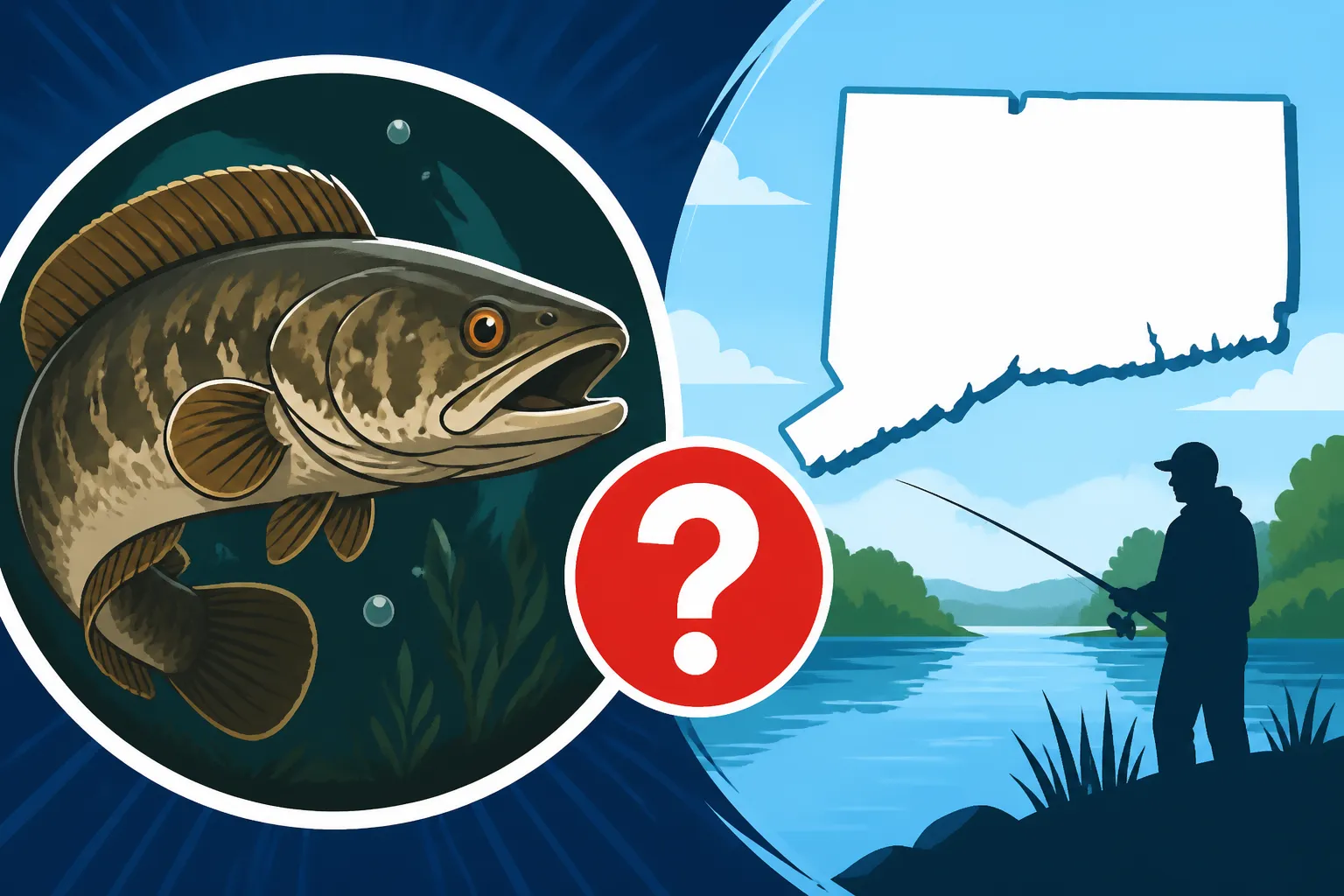
Before we jump into whether they're here in Connecticut, let's get a clear picture of what a northern snakehead actually is. Imagine a fish that looks like, well, a snake. They have long, cylindrical bodies, flattened heads with large mouths, and sharp teeth. Their dorsal fin runs almost the entire length of their back, and their pelvic fins are located far forward, right under their gills. They also have dark, blotchy patterns on their sides that can make them blend in remarkably well with muddy or vegetated bottoms.
These aren't your typical pond dwellers. Northern snakeheads are native to parts of Asia and Africa, and they are incredibly hardy. What makes them particularly concerning is their ability to breathe atmospheric air using a special organ. This allows them to survive out of water for extended periods, especially in damp conditions, and even "walk" short distances over land to find new water bodies if their current one dries up or becomes unsuitable. They're also voracious predators, eating anything from small fish and frogs to insects and even small mammals, often outcompeting native species for food and habitat.
Appearance and Identification: Spotting the Difference
Identifying a northern snakehead can be tricky, especially if you're not familiar with its specific characteristics, as they can sometimes be confused with native fish like bowfin or even pickerel. However, there are key differences. Snakeheads have a distinct, elongated dorsal fin that stretches across almost two-thirds of their back, with no break. Their anal fin is also quite long, though shorter than the dorsal. They also lack the prominent dark spot with a lighter halo that is often found on the tail fin of a bowfin, and their scales are much larger than those of a pickerel.
When you're out on the water, pay close attention to any unusual catches. Look for that long, continuous dorsal fin, the snake-like head, and the mottled brown and tan coloring. They can grow quite large, sometimes reaching over 3 feet in length, so a substantial, unfamiliar fish should always raise a red flag. Keeping a waterproof fish identification guide handy, perhaps one you picked up from a trusted source like Amazon, can really help in the field.
Native Habitat vs. Invasive Range: A Global Traveler
Originally, northern snakeheads called river systems and freshwater lakes in East Asia home, particularly in countries like China, Korea, and Russia. There, they are a natural part of the ecosystem, fitting into the food chain. However, their story changed dramatically when they were introduced, both accidentally and intentionally, into new environments around the world, including the United States. Many introductions have been attributed to the live food fish market or the aquarium trade, where individuals, unaware of the consequences, released them into local waters.
Once established, they are incredibly difficult to eradicate. Their ability to survive in low-oxygen water, breathe air, and even move across land means they can spread through interconnected waterways or even find new ponds and lakes nearby. This is precisely why concerns about them appearing in new states, like Connecticut, are taken so seriously. Each new sighting is a potential gateway for them to establish a breeding population and wreak havoc on local aquatic life.
The Threat of Invasive Species in Connecticut
The idea of any invasive species, let alone one as formidable as the northern snakehead, establishing a foothold in Connecticut waters is deeply concerning. Our state is blessed with an incredible diversity of freshwater and saltwater fish, from the vibrant trout streams to the bass-filled lakes and the rich estuaries. Invasive species pose a significant and often irreversible threat to this natural heritage.
The Connecticut Department of Energy and Environmental Protection (DEEP) works tirelessly to monitor and manage our fisheries, and part of that work involves keeping a close eye on non-native invaders. These unwanted guests can disrupt the delicate balance of our ecosystems, impacting everything from fish populations to water quality. We've seen the issues with other invasives, and the thought of adding a highly adaptable predator like the snakehead to that list is daunting. Knowing what fish species are in Connecticut waters naturally and understanding the Invasive Fish Species in Connecticut Waters is crucial for all anglers.
Ecological Impact: A Predator's Ripple Effect
When an apex predator like the northern snakehead is introduced into a new environment, the ecological ripple effect can be devastating. Our native fish, such as largemouth and smallmouth bass, trout, and various panfish, have evolved alongside specific predators and prey. They often lack the natural defenses or competitive strategies to deal with a completely new and aggressive hunter like the snakehead.
Snakeheads reproduce rapidly and can quickly dominate a food web. They eat young fish of all species, including game fish and their forage, directly reducing the numbers of desirable sportfish. This can lead to a cascade effect: fewer forage fish for native predators, fewer native predators, and eventually, a less diverse and robust fishery overall. For example, if snakeheads decimate the baitfish populations, it directly impacts species like Largemouth Bass Fishing in Connecticut or even Trout Fishing in Connecticut, as their food sources dwindle. Imagine heading to your favorite lake only to find the fishing has drastically declined due to a new, unchecked predator. It’s a nightmare scenario for any angler.
Economic Concerns: More Than Just a Fishing Trip
Beyond the direct ecological damage, invasive species like the northern snakehead can have significant economic repercussions for our state. Recreational fishing is a huge draw in Connecticut, bringing in tourism dollars, supporting local bait and tackle shops, charter services, and guide operations. When a fishery declines due to an invasive species, it hits these businesses hard. Anglers might stop visiting certain lakes or rivers, leading to a loss of revenue for local communities.
Furthermore, controlling or eradicating an established invasive species is incredibly expensive and often requires long-term, sustained efforts from state agencies. These costs are ultimately borne by taxpayers and through fishing license fees. The goal is always prevention because once these fish get a foothold, the cost and effort to manage them are astronomical. This is why vigilance from every angler is so important – we are all on the front lines of protecting our fishing economy and natural resources.
Are Snakeheads in Connecticut Waters?
This is the million-dollar question for many Connecticut anglers, and it's one that the Connecticut DEEP takes very seriously. For a while, the answer was a resounding "no," but unfortunately, that status has changed.
In recent years, the northern snakehead has been confirmed in isolated incidents within Connecticut. These sightings are extremely concerning, as they indicate that the fish can survive and potentially establish populations here. It's not widespread, like in some other states, but even a few confirmed fish are enough to warrant serious attention and caution from the entire angling community. The DEEP acts quickly when a confirmed sighting occurs, often taking measures to assess the extent of the population and prevent further spread.
Confirmed Sightings and Locations: Where Have They Been Found?
Historically, the Connecticut DEEP had no confirmed reports of northern snakehead in our state's open waters. However, that changed. The first verified report came in 2021 when a northern snakehead was caught in the Meadow Branch of the Hockanum River in East Hartford. This was a significant discovery because it marked the first time this invasive species was confirmed in Connecticut's aquatic ecosystems.
Since then, there have been other isolated incidents, generally in small ponds or interconnected waterways. It's not a situation where they are widespread across the entire state, but rather isolated captures that are immediately investigated. These are often individual fish, likely released by someone who purchased them (perhaps from an online vendor via Amazon, or a live food market) and then dumped them into local waters once they grew too large or were no longer wanted. Each instance is a stark reminder of how critical it is for anglers to be educated and responsible. We need to be alert to these situations and know what to do if we encounter something suspicious.
Prevention Efforts by CT DEEP: Staying Vigilant
The Connecticut DEEP is at the forefront of preventing the spread of invasive species, including the northern snakehead. Their efforts involve a multi-pronged approach:
- Monitoring and Surveillance: They regularly sample waters, especially in areas where sightings have occurred or where connectivity to known snakehead populations in other states exists.
- Public Education: They actively educate the public about the dangers of releasing non-native fish and how to identify and report invasive species. You'll often see posters at boat launches or information on their website.
- Rapid Response: When a sighting is reported and verified, DEEP biologists move quickly to assess the situation and implement control measures, which can range from electrofishing surveys to targeted removal efforts.
- Regulations: Strict regulations are in place to prohibit the possession, sale, or transportation of live northern snakehead fish in Connecticut. For more details on these and other rules, check out the Connecticut Fishing Regulations Explained.
These efforts are vital, but they can't do it alone. Every angler is an extra set of eyes on the water, and reporting unusual catches immediately is one of the most powerful tools we have in this fight.
What to Do If You Encounter a Snakehead
Okay, so you're out fishing in your favorite Connecticut spot, enjoying the peace and quiet, and you hook into something truly bizarre. It doesn't look like any pike, bass, or pickerel you've ever seen. Your heart might skip a beat – could it be a snakehead? If you suspect you've caught a northern snakehead, it's absolutely crucial to follow specific procedures to help protect our state's waters. This isn't a situation for catch and release.
The most important thing to remember is to not release it. Keep the fish, kill it humanely, and then follow the reporting instructions. This is one of the rare instances where keeping a fish is not only allowed but actively encouraged, regardless of size or creel limits. Your actions in that moment could prevent a much larger problem down the line for our precious fisheries.
Identification Confirmation: Don't Guess, Be Sure
Before you do anything else, try to confirm it's actually a northern snakehead. Take a few clear photos from different angles. Focus on the head, the long dorsal fin, and the overall body shape. Compare it to images you might have on your phone or in a fishing app, or even a book you bought from Amazon.
Here's a quick checklist to help differentiate:
- Snakehead: Long, continuous dorsal fin (no spines), large scales, no dark spot on the tail fin, broad head with large mouth and sharp teeth.
- Bowfin: Long dorsal fin (but with a shorter, spiny front section), a distinctive dark spot (ocellus) on the upper base of the tail fin (especially in males), shorter anal fin, shorter, stubbier head.
- Pickerel: Very long snout, no scales on the cheek below the eye, very distinct dark chain-like pattern on sides, single dorsal fin located far back near the tail.
If you're still unsure, that's okay! Err on the side of caution. Secure the fish and report it, letting the experts make the final identification. It's always better to report a false alarm than to let a real threat go.
Reporting Procedures: Who to Contact and What Info to Provide
If you're confident you've caught a northern snakehead, or even if you have a strong suspicion, here's what you need to do:
- Kill it humanely: Do not release the fish back into the water.
- Take clear photos: Get several pictures of the fish, especially its head, fins, and body patterns.
- Note the location: Record the exact location where you caught the fish (GPS coordinates if possible) and the date.
- Contact CT DEEP: Immediately call the Connecticut DEEP Fisheries Division. They have specific protocols for handling these reports. You can usually find their contact information on the DEEP website or in the Reading the Connecticut Fishing Guide. Provide them with all the details and photos you have. They will instruct you on what to do next with the specimen.
Your prompt and accurate reporting is vital. It allows the DEEP to investigate quickly and take appropriate action to prevent further spread.
Handling and Disposal: What Happens Next?
Once you've reported the catch to the DEEP, they will likely instruct you on what to do with the physical fish. In most cases, they will ask you to freeze the specimen or bring it to a specific DEEP office for positive identification by a fisheries biologist. This is why having good quality photos is so important, as it helps them triage the situation even before they see the fish.
Do NOT:
- Release the fish, even if you think it's dead.
- Transfer it to another water body (e.g., "to keep it alive for the DEEP").
- Discard it carelessly where it could somehow re-enter the water or spread diseases.
Do:
- Keep it.
- Kill it.
- Photograph it.
- Report it.
- Follow DEEP's instructions for disposal, which often involves bagging it securely and either freezing it for pickup or disposing of it as regular trash after confirmation.
| Action When Catching a Suspected Snakehead | Details |
|---|---|
| DO NOT RELEASE | This is the most crucial step. Kill the fish immediately and humanely. |
| Take Photos | Get clear, well-lit pictures of the fish from different angles, focusing on key identification features. |
| Note Location & Date | Record the precise location (GPS if possible) and time of your catch. |
| Contact CT DEEP | Call the CT DEEP Fisheries Division immediately. Their contact info is usually in the fishing guide. |
| Follow Instructions | Await and follow DEEP's guidance on where to bring the specimen or how to dispose of it. |
| Sanitize Gear | Clean your boat, waders, and gear thoroughly to prevent accidental transfer of eggs or juveniles. |
| DO NOT Transfer | Never move a suspected snakehead (or any live fish) from one water body to another. |
Why Anglers Should Care About Invasive Species
For those of us who spend countless hours on the water, whether chasing Striped Bass Fishing in Long Island Sound or patiently waiting for a bite in a serene trout stream, the threat of invasive species like the northern snakehead hits home hard. It’s not just about a weird fish showing up; it’s about the very future of the fishing experiences we cherish and the health of our natural environment. We all have a role to play, and understanding why this matters is the first step toward becoming better stewards of our waters.
It really boils down to protecting what we love. Our native fish species, their habitats, and the intricate ecosystems they rely on are irreplaceable. Invasive species undermine all of this, sometimes with irreversible consequences. It’s a collective responsibility, and every angler's vigilance makes a difference.
Protecting Our Native Fisheries: The Long-Term Impact
Think about the fish that define Connecticut angling: the powerful striped bass, the feisty smallmouth bass, the elusive brown trout, and the abundant panfish. These species are part of our state’s identity and provide endless recreation and opportunities. Invasive species directly threaten their survival by competing for food and habitat, preying on their young, and sometimes even introducing diseases.
If snakeheads become established and proliferate, they could significantly reduce the populations of these desirable fish. This isn't just a short-term dip in numbers; it could mean long-term, systemic changes to our aquatic ecosystems. A future where our cherished native fish are struggling due to an unchecked invasive predator is a bleak one for any angler. It's about preserving the biodiversity that makes our waters so special. It's why we need to understand the habits of fish like Smallmouth Bass Habits on the Housatonic and Brown Trout Habits in Connecticut Streams to better protect them from new threats.
Your Role as a Responsible Angler: Vigilance and Education
As anglers, we are often the first line of defense against invasive species. We are out on the water more than anyone, observing changes, and encountering various forms of aquatic life. This unique position gives us a critical responsibility.
Being a responsible angler means more than just following Connecticut Fishing Regulations Explained and having a Connecticut Fishing License Guide for 2026. It means being educated about what's in our waters, what shouldn't be there, and what to do if we encounter something unusual. It means understanding the "Clean, Drain, Dry" principles for boats and gear to prevent the spread of aquatic hitchhikers. It means never, ever releasing live bait or unwanted aquarium fish into public waters.
By staying vigilant, knowing how to identify potential threats, and acting quickly to report them, each of us contributes significantly to the health and future of Connecticut's fisheries. Your actions truly do matter, and together, we can work to keep our beautiful state's waters healthy and thriving for generations of anglers to come.
Disclaimer
This article is for general informational purposes only and does not constitute professional advice. Laws, prices and regulations vary by location and change over time. Consult a qualified professional for guidance on your specific situation.