Best charters that fish Montauk from Connecticut
The allure of Montauk, New York, for serious anglers is undeniable. Its reputation for incredible fishing, from massive striped bass to offshore pelagics, often calls to those of us casting lines in Connecticut. But the thought of driving all the way out there, dealing with traffic, and launching a boat can be a real headache. Thankfully, for many Connecticut anglers, the dream of fishing Montauk can become a reality without leaving your home state, thanks to dedicated charter services. This guide will walk you through how to find and choose the best charters that regularly make the journey from Connecticut to Montauk, ensuring you're well-prepared for an epic fishing adventure.
Why Montauk is a Coveted Destination for Connecticut Anglers
Montauk, often called "The End" due to its position at the eastern tip of Long Island, isn't just a picturesque town; it's a fishing mecca. For anglers in Connecticut, especially those on the eastern side of the state, its proximity across Long Island Sound makes it an exciting, albeit ambitious, target for a charter trip.
The Lure of Montauk's Waters
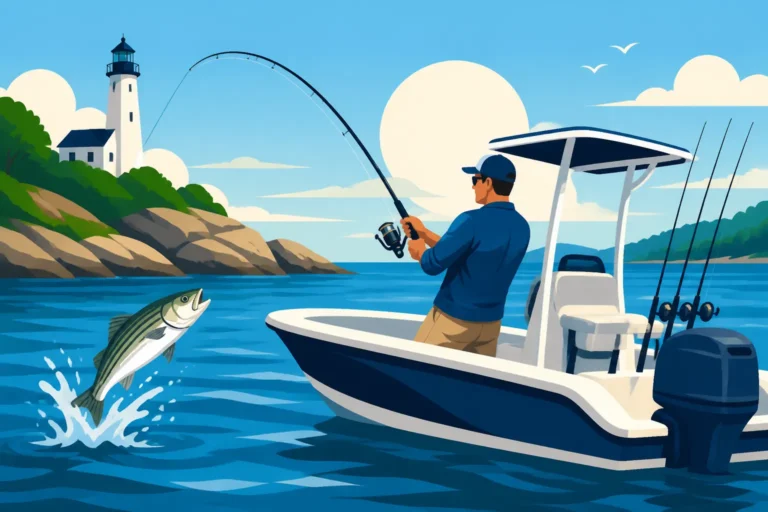
What makes Montauk so special? It's a combination of unique geographical features and abundant marine life. The confluence of the Atlantic Ocean and Long Island Sound creates powerful rips and currents that churn up baitfish, attracting a staggering variety of predators. Think about the incredible structure just off Montauk Point – rocky bottoms, ledges, and deep channels – all serving as prime habitat for a diverse ecosystem. Many anglers dream of targeting the legendary striped bass that congregate in these rips, often reaching truly trophy sizes. But it's not just stripers; Montauk is also a renowned spot for bluefish, fluke, black sea bass, and even offshore species like tuna, shark, and mahi-mahi when you venture further out into the open ocean. It offers a completely different fishing experience than many inland or even inshore Long Island Sound spots, presenting opportunities for record-breaking catches and thrilling battles with powerful fish.
Imagine reeling in a powerful tuna offshore, or fighting a striped bass that pushes twenty, thirty, or even fifty pounds in the famous Montauk rips. These are the kinds of experiences that draw anglers from far and wide, and for Connecticut residents, the ability to access these grounds without the overland trek is a huge advantage.
The Connecticut Proximity Advantage and Challenge
From the eastern shores of Connecticut, Montauk often feels tantalizingly close, just a boat ride across the Sound. This geographical advantage means that for many, a charter trip directly from a Connecticut port can be more convenient than driving hours to launch from the New York side of Long Island. You save on gas, avoid highway tolls, and eliminate the stress of navigating unfamiliar boat ramps or crowded marinas on the New York side. Plus, there's something inherently appealing about departing from your home state and embarking on a true maritime adventure.
However, this "proximity advantage" also comes with its challenges. The journey across Long Island Sound can be long, especially if conditions are rough. It requires a capable vessel and an experienced captain who knows the nuances of both the Sound and the Montauk fishing grounds. Not all Connecticut charters are equipped or permitted to make this journey, nor do all captains possess the necessary experience for offshore Montauk fishing. It’s a specialized trip, and understanding these factors is crucial for a successful outing. Connecticut Boating Laws for Anglers are important for any trip, but especially for longer runs across open water.
Finding Charters That Journey from Connecticut to Montauk
Embarking on a Montauk fishing trip from Connecticut requires finding the right vessel and captain. It's not as simple as picking any charter boat from your local marina; you need to seek out specialists.
Identifying Specialized Charters
The first thing to understand is that a Montauk trip from Connecticut is often considered an "extended range" or "offshore" trip for many captains. This means you'll need a charter boat specifically designed and equipped for longer runs and potentially rougher offshore conditions, not just a smaller boat that typically stays in protected inshore waters. Look for boats that are larger, often 30 feet or more, with good range and the necessary safety equipment for open water travel. These charters will explicitly advertise their Montauk capabilities because it's a premium service they offer. They might call them "Montauk Offshore" or "Montauk Deep Sea" trips.
When you're searching, be sure to ask about the captain's experience fishing Montauk specifically. A seasoned captain will know the intricate rips, the best times of year for specific species, and how to safely navigate the currents and weather patterns of that area. Websites like FishingBooker can be incredibly helpful here, as they often list charters by their specialties and departure points, allowing you to filter for those that offer Montauk trips from Connecticut ports. You can read reviews from other anglers who have taken similar trips, which offers invaluable insight into a captain's track record and the overall experience. Best Fishing Charters in Connecticut will give you a good starting point, but always verify their Montauk expertise.
Key Questions to Ask Before Booking
Once you've identified a few potential charters, it's time to get specific. Don't be shy about asking detailed questions; this is a significant investment of time and money, and you want to ensure everything is clear.
Here's a checklist of crucial questions:
- What are the primary target species for a Montauk trip during my desired timeframe? Fishing conditions and species availability change throughout the year.
- What is the typical duration of the trip, including travel time to the fishing grounds? A "full day" Montauk trip will likely mean a very early start and a late return.
- What is the pricing structure? Does it include fuel surcharges, especially given the distance to Montauk? What about bait, tackle, and ice?
- Is a Connecticut fishing license sufficient, or are there any New York state requirements? (Generally, for federal waters offshore, your CT saltwater license is fine, but always confirm for specific scenarios). Remember to check Connecticut Fishing License Guide for 2026 if you haven't already got yours.
- What is your policy regarding weather cancellations or postponements? Montauk waters can get rough quickly, and safety is paramount.
- What amenities does the boat offer? Is there a head (restroom), a cabin for shelter, or sufficient seating for comfort during the long ride?
- What should I bring? Beyond personal items, ask about coolers for your catch, food, drinks, and any specific gear recommendations.
Platforms like FishingBooker provide a great way to compare these details across multiple charters, often listing what's included and outlining policies. This allows you to make an informed decision based on your expectations and budget. Getting all these answers upfront will prevent any unwelcome surprises on the day of your adventure.
Geographical Considerations for Departure
Not all Connecticut ports are equally suited for Montauk trips. While theoretically, any boat can cross the Sound, practicality dictates that charters departing from eastern Connecticut tend to be the most common and efficient choices for Montauk runs. Towns like Stonington, Mystic, New London, Niantic, and Old Saybrook are geographically closer to Montauk, making the transit time shorter and more manageable.
Charters operating out of western Connecticut (e.g., Norwalk, Stamford, Greenwich) would face a significantly longer journey just to reach the eastern end of Long Island Sound before even beginning the approach to Montauk's fishing grounds. While not impossible, these extended travel times would likely mean less actual fishing time or much higher costs. Therefore, when looking for a Montauk-bound charter, focus your search on those operating out of Connecticut's easternmost harbors. You might find excellent options in places like Stonington. For more information, you can check out Best Charters Out of Stonington Connecticut. These captains are often more familiar with the currents and conditions of the eastern Sound and the offshore waters leading to Montauk.
What to Expect on a Montauk Trip from Connecticut
A fishing trip to Montauk from Connecticut is a serious angling endeavor, differing significantly from a casual inshore trip. Understanding what to expect will help you prepare mentally and physically for the adventure.
Trip Duration and Travel Time
One of the most important aspects to manage expectations around is the sheer duration of these trips. Unlike a half-day inshore excursion, a Montauk charter from Connecticut is almost universally a full-day commitment, often extending beyond the typical 8-hour mark. You're looking at very early morning departures, sometimes before dawn, to maximize fishing time. The run across Long Island Sound to Montauk Point and then to the specific fishing grounds can take a significant amount of time, depending on weather, sea conditions, and the exact location the captain plans to fish. It's not uncommon for the round trip travel to consume several hours of the overall trip.
This means that while the fishing itself might be incredibly productive, you'll also be spending a good portion of your day in transit. Pack accordingly with plenty of snacks, drinks, and entertainment for the ride. Embrace the journey as part of the adventure; the sunrise over the Sound can be spectacular, and spotting marine wildlife is always a bonus. For a general idea of what to expect on any charter, check out What to Expect on a Connecticut Fishing Charter.
Target Species and Fishing Techniques
Montauk is renowned for its diverse fishery, and your target species will largely depend on the season and whether your charter is focusing on inshore Montauk rips or venturing further offshore.
Common Montauk Targets:
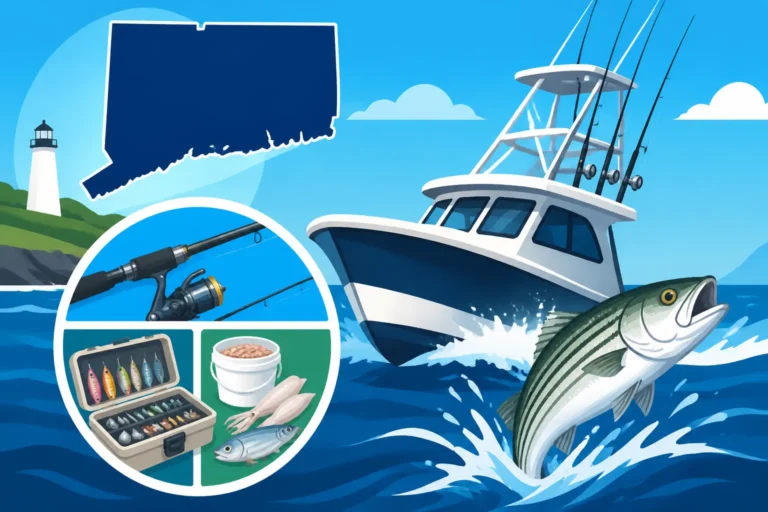
- Striped Bass: The undisputed king of Montauk, especially in the spring and fall migrations. Anglers often employ live bait (like eels or bunker), chunking, or casting large lures and jigs into the legendary rips. You'll want to review How to Catch Striped Bass in Long Island Sound to prepare.
- Bluefish: Often found alongside stripers, these aggressive fighters are a blast on light tackle. Trolling, casting, and jigging are effective.
- Fluke (Summer Flounder): Productive bottom fishing can be had, particularly in the calmer areas, using bucktails or bait rigs. See Fluke Fishing in Long Island Sound for more details.
- Black Sea Bass: Found over rocky bottoms and wrecks, these tasty fish respond well to jigs and bait.
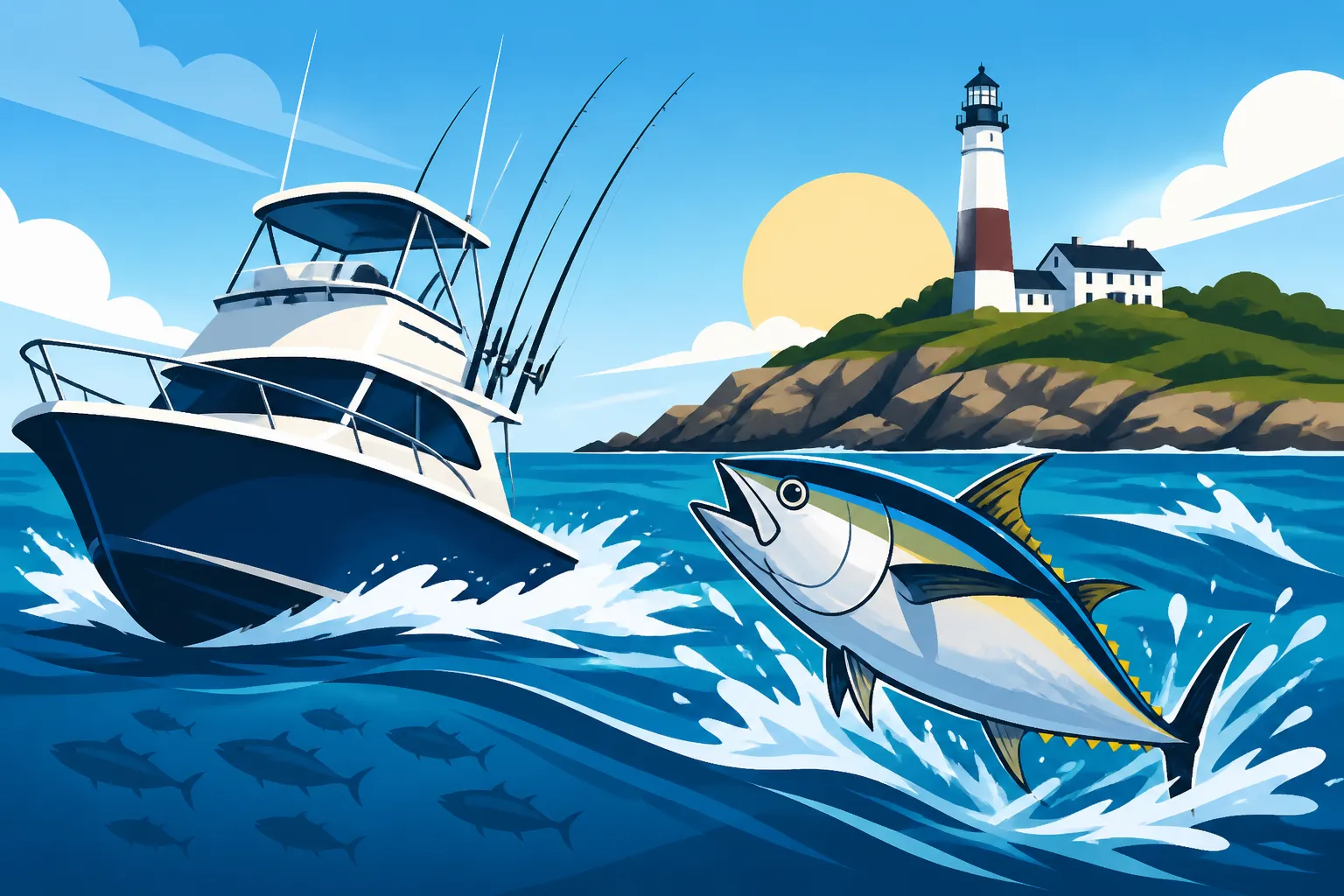
- Offshore Species: For true offshore Montauk trips, typically in the summer, captains might target tuna (bluefin, yellowfin, albacore), mahi-mahi (dorado), and even sharks. This involves trolling a spread of lures or chunking.
The captain's expertise is paramount here. They'll assess current conditions, bait presence, and recent reports to put you on the best bite. Be prepared for a variety of techniques, as flexibility is key to success.
Equipment and Amenities on Board
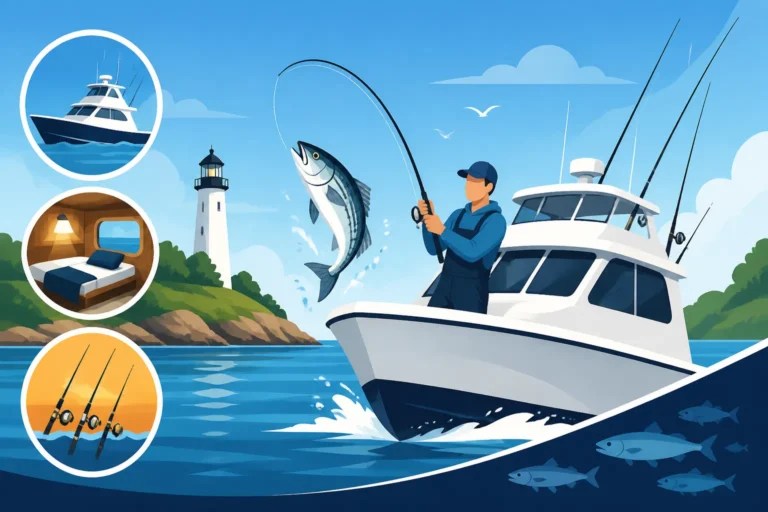
Charters making the Montauk run from Connecticut typically operate larger, more robust vessels than those sticking to calmer inshore waters. Expect a boat that's well-maintained, stable in choppier seas, and equipped with modern navigation and fish-finding electronics. These boats often feature:
- Comfortable Cabin: Crucial for shelter from sun, wind, or rain, and a place to rest during transit.
- Head (Restroom): A definite plus for longer trips.
- Plenty of Deck Space: Adequate room for multiple anglers to fish simultaneously without getting in each other's way.
- High-Quality Gear: Rods, reels, and tackle appropriate for the target species, usually heavier-duty than inshore setups.
- Safety Equipment: Life rafts, EPIRBs, and all necessary Coast Guard safety gear will be on board, as mandated by Life Jacket Requirements for Connecticut Boaters and other regulations.
While the charter provides the essential fishing gear, you'll still need to bring personal items. This includes plenty of food and drinks, sunscreen, sunglasses, a hat, appropriate layers of clothing (it's always cooler on the water, especially offshore), rain gear, and a cooler to take your filleted catch home. Confirm with your specific charter on FishingBooker or directly what they provide and what you should bring.
Maximizing Your Montauk Charter Experience
To truly make the most of your Montauk fishing adventure from Connecticut, a little forethought and preparation go a long way.
Best Times to Book for Montauk Fishing
Timing is everything when it comes to Montauk fishing. The "best" time depends heavily on what species you're hoping to target.
- Spring (May-June): This is prime time for the spring striped bass migration, with big fish moving into the Montauk rips. Bluefish are also abundant. The weather can be a bit more unpredictable, but the fishing can be legendary.
- Summer (July-August): While still good for striped bass and bluefish, summer often brings the opportunity to venture offshore for tuna, mahi-mahi, and sharks. Fluke and black sea bass fishing can also be excellent closer to shore. Remember that summer days can be hot, but offshore breezes keep things comfortable.
- Fall (September-October): Many consider fall the absolute peak for striped bass, as they gorge themselves before their southern migration. Bluefish are also voracious, and offshore tuna can still be around. This is often when the biggest fish of the year are caught.
Booking your trip well in advance, especially for peak seasons like spring and fall striped bass runs, is highly recommended. Popular charters, often found through platforms like FishingBooker, fill up quickly. For a broader overview, check out Best Time of Year to Fish in Connecticut.
Preparing for an Offshore Adventure
A trip to Montauk means spending a significant amount of time on open water, which can be a different experience than fishing a calm lake or river.
- Seasickness Prevention: If you're prone to seasickness, take precautions. Over-the-counter medications like Dramamine or Bonine should be taken the night before and again in the morning of your trip. Acupressure wristbands can also help. Don't go into a trip unprepared if you suspect you might get seasick; it can ruin the entire experience.
- Layered Clothing: Even on a sunny summer day, conditions offshore can change rapidly. Bring layers – a t-shirt, a long-sleeved shirt for sun protection, a sweatshirt or fleece, and a waterproof outer shell. You'll be glad you have options as temperatures fluctuate throughout the day.
- Hydration and Snacks: Pack more water and non-alcoholic drinks than you think you'll need. Salty snacks can also help with seasickness and keep your energy up during a long day of fishing.
- Sun Protection: The sun's reflection off the water can be intense. Sunscreen, a wide-brimmed hat, and polarized sunglasses are non-negotiable.
- Cooler for Catch: Bring a dedicated cooler for your fillets. The charter crew will often clean and bag your fish for you, and having a cooler with ice ready will keep your prize fresh for the journey home.
Remember, the captain's priority is your safety and a good fishing experience. Heeding their advice on preparation and conduct on board will ensure a smooth and successful trip.
Understanding Costs and Value
Let's be realistic: a Montauk fishing charter from Connecticut is going to be a more significant investment than a local inshore trip. The increased cost is a reflection of several factors:
- Fuel Consumption: Making the run across the Sound and back, plus extensive time on the fishing grounds, consumes a lot of fuel, which is a major operating expense for the captain.
- Boat Size and Maintenance: Larger, offshore-capable boats require more maintenance, specialized safety equipment, and typically higher dockage fees.
- Captain's Expertise: You're paying for the specialized knowledge and experience of a captain who regularly fishes these challenging and productive waters.
- Duration: These are often longer trips, requiring more crew time and resources.
When comparing prices, don't just look at the bottom line. Consider what's included (bait, tackle, fish cleaning) and the reputation of the charter. A slightly higher price for a highly experienced captain on a well-maintained boat with good equipment often translates to a much more enjoyable and successful trip. Using a platform like FishingBooker allows you to easily see the pricing structure, what's included, and read reviews, helping you to gauge the value proposition of each charter.
| Feature | Typical Connecticut Inshore Trip | Connecticut to Montauk Offshore Trip |
|---|---|---|
| Duration | 4-6 hours | 8-12+ hours |
| Primary Target | Bluefish, Fluke, Scup, Stripers | Striped Bass, Tuna, Mahi-Mahi, Shark |
| Travel Time | Short, within sight of shore | Significant, across Long Island Sound |
| Boat Size | Smaller to medium (20-30 ft) | Medium to large (30-50+ ft) |
| Cost | Moderate | Higher due to fuel/distance |
| Conditions | Generally calmer waters | Can encounter rougher open ocean seas |
| Experience Level | Great for beginners & families | Best for experienced anglers, or adventurous beginners |
| Booking Lead Time | A few weeks to a month | Several months, especially for peak season |
Disclaimer
This article is for general informational purposes only and does not constitute professional advice. Laws, prices and regulations vary by location and change over time. Consult a qualified professional for guidance on your specific situation.