Best Trout Streams in Connecticut
Finding that truly exceptional trout stream in Connecticut can sometimes feel like trying to locate a secret fishing hole whispered about only among the most seasoned anglers. It's a real challenge to sort through all the options, figure out where the fish actually are, and understand the nuances that make one stream stand out from the rest. This comprehensive guide is here to cut through the confusion, offering a deep dive into the best trout streams Connecticut has to offer, from famed trophy waters to hidden gems, ensuring your next angling adventure is both rewarding and memorable.
Understanding Connecticut's Trout Stream Landscape
Connecticut might be a small state, but it boasts a surprisingly rich and diverse network of trout streams, each offering a unique experience for anglers. From fast-flowing freestone rivers tumbling out of the Litchfield Hills to gentle, winding brooks nestled in quiet state forests, there's a stream for every preference. However, knowing what kind of fishery you're stepping into is crucial for success and enjoyment.
Stocked vs. Wild Trout Fisheries
The vast majority of trout fishing opportunities in Connecticut come from the diligent efforts of the Connecticut Department of Energy and Environmental Protection (CT DEEP). They stock thousands upon thousands of adult trout—rainbows, browns, and brookies—into public waters each spring and fall, creating put-and-take fisheries that offer immediate gratification. These stocked streams are often easy to access and can be fantastic for beginners or those just looking to bend a rod and bring home a meal. You’ll find these fish often congregate near stocking points, and they can be caught on a wide variety of baits and lures.
On the other hand, a wild trout fishery is a completely different beast. These are streams where trout reproduce naturally, living out their entire lives without human intervention in the form of stocking. Connecticut is home to a good number of wild trout streams, particularly for our native brook trout, though wild brown trout populations also exist in some colder, cleaner waterways. Fishing for wild trout often means smaller fish, but the challenge and the pristine beauty of their habitats make it an incredibly rewarding pursuit. These fish are typically warier, requiring more delicate presentations and a keen understanding of their behavior. It’s also worth noting that many wild trout streams are designated as "Wild Trout Management Areas" (WTMAs), often with special regulations like catch-and-release only to protect these precious populations.
Types of Streams and Their Characteristics
Connecticut's trout streams present a fascinating array of characteristics. You've got your classic freestone rivers, like sections of the Salmon River or the Naugatuck, which rely heavily on snowmelt and rainfall. Their flows can fluctuate dramatically, offering different fishing challenges depending on recent weather. These streams often feature a mix of riffles, runs, and pools, providing diverse holding water for trout. They can be incredibly productive, especially after a good rain freshens things up.
Then there are tailwater fisheries, which are streams fed by water released from the bottom of a dam. The Farmington River West Branch is the prime example of this in Connecticut. The water released from a dam is consistently cold, which creates ideal year-round trout habitat, even through the summer months when other streams become too warm. These tailwaters often boast stable flows and abundant aquatic insect life, making them exceptional fly-fishing destinations known for larger, healthier fish. The consistent conditions allow trout to grow to impressive sizes, offering a truly world-class angling experience.
The Impact of Water Temperature and Flow
Any seasoned trout angler will tell you that water temperature and flow are the two most critical factors influencing trout behavior. Trout are cold-water fish, ideally thriving in temperatures between 45-65°F. When water temperatures climb much above 70°F, trout become stressed, making them less likely to feed and more susceptible to mortality if caught and released. This is why many "Trout Management Areas" have Connecticut Housatonic River Seasonal Closure Explained regulations or advice to avoid fishing during the warmest summer months.
Similarly, stream flow, measured in cubic feet per second (cfs), dictates how fish position themselves and how easily they can find food. High flows can make fishing difficult and dangerous, pushing fish into slower, more protected lies. Low flows, especially during summer droughts, can concentrate fish but also make them extremely wary due to clearer water and less cover. Checking stream gauges and water temperatures before heading out is a habit that will dramatically improve your success rate and ensure you're practicing responsible angling. Sites like the USGS streamflow data are invaluable resources for staying on top of current conditions.
The Premier Trout Management Areas (TMAs)
When it comes to consistently producing quality trout fishing experiences in Connecticut, the state's Trout Management Areas (TMAs) are in a league of their own. These are specific sections of rivers and streams that receive special management, including enhanced stocking, more restrictive regulations, and often year-round fishing opportunities to foster a trophy fishery. They are the jewels in Connecticut's trout crown, drawing anglers from across the region.
Farmington River West Branch
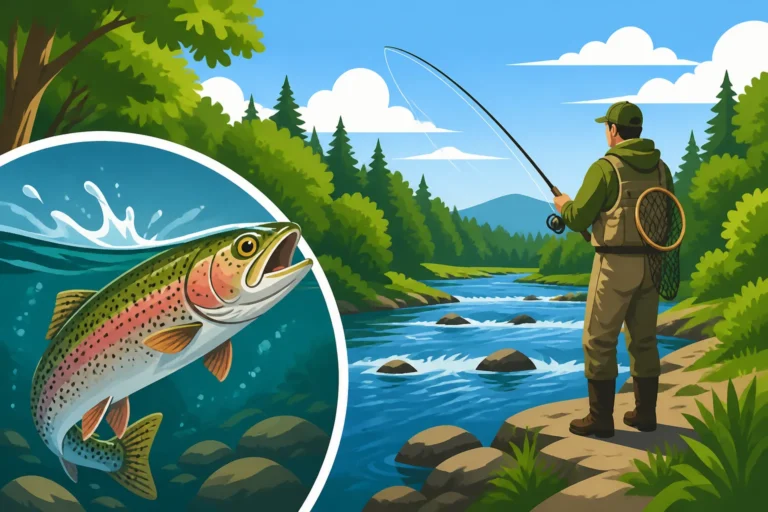
Ah, the Farmington. If there's one river that comes to mind when you mention Connecticut trout fishing, it's almost certainly the Farmington River West Branch. This iconic tailwater fishery, fed by the releases from the Hogback Dam, is revered for its consistent cold water and robust populations of brown trout, rainbow trout, and even some wild brook trout. It's often compared to some of the finest trout streams in the Northeast, and for good reason. The section from the West Branch Reservoir in Hartland downstream through Riverton and New Hartford offers diverse fishing opportunities, from classic riffle-and-pool stretches to deep runs and challenging eddies.
The Farmington is predominantly a fly-fishing destination, famous for its prolific insect hatches throughout the year, especially from spring through fall. Anglers regularly encounter large, healthy trout, many of which are holdovers from previous stockings or wild-spawned fish that have grown fat on the river's abundant forage. Key areas like the "Permanent Catch and Release" section below the dam near the Route 20 bridge in Riverton, or the "Trophy Trout" sections further downstream, demand careful attention to Connecticut Farmington River Trophy Trout Stream Rules. It's a river that challenges experienced anglers while also providing ample opportunities for those willing to learn its subtle rhythms. You'll find a strong community of local guides here who specialize in navigating its currents and understanding its hatches.
Housatonic River Trout Management Area
Moving west, the Housatonic River offers another outstanding TMA experience, though with a different character than the Farmington. The Housatonic TMA stretches from the Cornwall Bridge downstream for about 5 miles to the confluence of the Ten Mile River. This section is known for its larger size, powerful currents, and spectacular scenery, particularly during the peak foliage of autumn. While it's also a tailwater, influenced by the flows from the Falls Village hydroelectric dam, its wider breadth and often faster currents make it a unique challenge.
The "Housy" is perhaps most famous for its incredible numbers of brown trout and rainbow trout, many of which can reach impressive sizes. It’s also a popular destination for those looking to fish for How to Catch Smallmouth Bass in Connecticut Rivers further downstream. Unlike the Farmington, the Housatonic sees a bit more diversity in angling methods, with spin fishermen finding success alongside fly anglers. Wading can be tricky here due to the strong currents and slippery bottom, so caution and proper wading gear are essential. Many anglers choose to fish from drift boats or kayaks, allowing them to cover more water and access prime holding lies safely. This river can truly test your angling skills, but the rewards of hooking into a strong, acrobatic Housatonic trout are well worth the effort. Always check the Connecticut Trout Season and Stocking Rules for the Housatonic, as regulations can vary.
Other Notable TMAs
While the Farmington and Housatonic often grab the headlines, Connecticut has several other fantastic Trout Management Areas that deserve recognition. The Salmon River TMA in Colchester, for instance, offers a fantastic experience, particularly during the spring and fall stocking periods. It's a picturesque freestone river with plenty of public access, often bustling with anglers after a fresh stock. The Salmon is stocked with a mix of rainbow, brown, and brook trout, providing great action for bait, lure, and fly fishermen alike.
The Naugatuck River TMA in the western part of the state has seen a remarkable revitalization. Once heavily polluted, cleanup efforts have transformed it into a viable trout fishery. It's now stocked regularly, offering a good option for anglers in the Waterbury and Torrington areas. Its urban accessibility makes it a convenient choice for many, and it often fishes well throughout the year.
The Shetucket River TMA in eastern Connecticut, flowing through Scotland and Sprague, is another excellent option. This is a larger, wider river that can be waded in some spots but is often best fished from a canoe or kayak, allowing access to its deeper pools and extensive runs. It receives generous stockings of trout and offers a beautiful, more serene fishing experience. For details on these and other TMAs, be sure to consult the official Connecticut Fishing Guide for 2026.
Wild Trout Waters: Chasing Native Brookies
For many anglers, the ultimate prize in Connecticut is not necessarily the largest trout, but the most beautiful and elusive: the native brook trout. These vibrant, exquisitely patterned fish are Connecticut's only native trout species, and they thrive in the state's most pristine, cold-water streams. Pursuing wild brookies is less about catching a trophy and more about the adventure, the solitude, and the connection to untouched wilderness.
Identifying True Wild Trout Streams
Finding a true wild trout stream in Connecticut often requires a keen eye for habitat and a willingness to explore. The CT DEEP designates many of these as Wild Trout Management Areas (WTMAs) or "Class 1 Wild Trout Streams," meaning they are managed solely for wild trout and are not stocked. These streams typically share several characteristics: very cold, clean water that remains cool even in summer; abundant overhead canopy cover to regulate water temperature; a rough, rocky bottom with plenty of natural structure like fallen logs and undercut banks; and minimal human impact or pollution.
Often, these streams are smaller, more intimate waterways, sometimes no wider than a car, flowing through remote state forests or designated open space. They might not be listed on every map or highlighted on fishing forums, making the discovery process part of their allure. Areas within Mohawk State Forest, Macedonia Brook State Park, and some of the lesser-known tributaries to larger river systems can hold these precious populations. Look for streams with a significant gradient, healthy riparian zones, and minimal signs of erosion or agricultural runoff. These are the tell-tale signs of a potential wild trout haven.
Strategies for Remote Brook Trout Waters
Fishing for wild brook trout demands a different approach than pursuing stocked fish. These streams are often brushy, overgrown, and require careful, stealthy movement. Short, light fly rods (like a 2 or 3-weight, 6 to 7 feet long) are ideal for navigating tight quarters and making accurate casts under low-hanging branches. A simple dry fly, like a small Parachute Adams or a Royal Wulff, or a small nymph pattern (e.g., a Pheasant Tail or Hare's Ear), is often all you need.
Presentation is key. Wild brook trout are easily spooked, so approach pools and runs cautiously, staying low and out of sight. Keep your casts short and accurate, aiming for shaded pockets, undercut banks, and the tails of pools where trout often hold. These fish are generally not large—a 10-inch brook trout is a true gem in Connecticut—so enjoy the feisty fight they offer on light tackle. Many anglers practice catch-and-release exclusively in these delicate ecosystems to ensure the sustainability of these precious populations. Understanding how to responsibly handle and release fish is paramount.
Conservation of Native Trout Populations
The preservation of Connecticut's wild brook trout populations is a critical conservation effort. These fish are indicator species, meaning their presence signifies a healthy, clean aquatic environment. Factors like habitat degradation, warming water temperatures due to climate change, and competition from non-native species all pose threats. Many wild trout streams are fragile ecosystems that can be easily impacted by overuse or improper angling practices.
Anglers play a vital role in protecting these native fish. This includes always practicing "Leave No Trace" principles, carefully handling fish you intend to release, and advocating for policies that protect riparian buffers and improve water quality. Supporting organizations like Trout Unlimited, which actively works on stream restoration and conservation projects throughout Connecticut, is another excellent way to contribute. By cherishing and protecting these wild trout waters, we ensure that future generations can also experience the unique joy of chasing Connecticut's native brook trout. Remember that a specific Connecticut Fishing License Guide for 2026 is required even for these remote areas.
Beyond the Famous: Underrated and Local Favorites
While the Farmington and Housatonic get most of the glory, Connecticut is riddled with smaller, lesser-known streams that can offer incredibly rewarding trout fishing, often with less competition. These are the places locals might keep quiet about, or where a little exploration can yield surprising results. Don't be afraid to venture off the beaten path; sometimes the best experiences are found in the most unexpected places.
Smaller Stocked Streams Worth Exploring
Beyond the major TMAs, the CT DEEP stocks a multitude of smaller rivers and brooks across the state. These can be fantastic options, especially in the weeks immediately following a stocking. Streams like the Pequabuck River in Farmington, the Blackledge River in Marlborough, or the Roaring Brook in Glastonbury often receive generous stockings and provide easy access for bank anglers and waders alike. While the fish might not be as large or as challenging as those in the TMAs, the sheer numbers can make for a very active day.
These smaller streams are ideal for families or beginner anglers. Using traditional baits like worms, PowerBait, or small spinners can be incredibly effective. The key is to check the Connecticut Interactive Trout Stocking Map, Explained to see when and where these streams are being stocked. Timing your visit within a week or two of a stocking can dramatically increase your chances of success. They're also great for honing your casting skills in a less pressured environment before tackling the more demanding waters.
Hidden Gems for Diverse Trout Species
For those seeking something a bit different, Connecticut also has streams that offer unique opportunities. For example, specific streams might be stocked primarily with brook trout, providing a chance to catch this beautiful species outside of wild trout zones. Some smaller lakes and ponds that are stream-fed might also hold holdover trout that have grown surprisingly large. The key is to do a bit of homework, look at stocking reports, and sometimes even consult with local tackle shops or online forums to uncover these less-publicized spots.
Take the Mill River in Hamden and New Haven, for example. While flowing through more populated areas, sections are stocked and can offer decent urban fishing. Or consider tributaries to larger river systems that might not be named TMAs but still receive stocking attention. These often provide a more intimate fishing experience, where you can feel like you have the water all to yourself. It's about being adventurous and not being afraid to explore Google Maps or local guides for small blue lines that might hold overlooked treasures.
Urban and Accessible Trout Fishing Opportunities
You don't always need to drive hours into the wilderness for a good trout fishing experience in Connecticut. Several excellent trout streams run through or near populated areas, offering incredible accessibility for those living in cities and suburbs. These urban fisheries are vital for introducing new anglers to the sport and providing quick, convenient fishing trips.
The Saugatuck River in Westport and Wilton, for instance, has sections that are stocked and offer surprising quality for a suburban river. Similarly, portions of the Quinnipiac River or the Farmington River as it flows through cities like Farmington and Unionville can yield good results, especially after stockings. These spots are often equipped with easy parking and public access points, sometimes even paved trails along the banks. While they might see more foot traffic, they represent fantastic opportunities for a quick evening fish after work or a weekend outing with the family. Just remember to be mindful of your surroundings and any specific local regulations that might apply in these more populated areas.
Seasonal Strategies for Connecticut Trout Streams
Trout fishing in Connecticut is a year-round affair for the dedicated angler, but success hinges on understanding how the changing seasons impact fish behavior and stream conditions. Each season presents its own unique challenges and rewards, requiring adjustments to your approach, gear, and chosen locations.
Spring: Opening Day and High Water Tactics
Spring is arguably the most anticipated time of year for Connecticut trout anglers, kicked off by the legendary "Opening Day." This typically falls on the second Saturday in April, marking the official start of the catch-and-keep trout season. The excitement is palpable, and streams are generally flush with freshly stocked trout. This period is prime for high catch rates, as the fish are often naive and aggressively feeding after their release. Check out Connecticut Spring Fishing Day and Opening Day Rules to be fully prepared.
However, spring also brings high water levels from snowmelt and frequent rain. Trout in high, often turbid water will move to slower currents, behind structure, or into eddies where they can conserve energy and ambush food. Your tactics should reflect this:
- Baits: Worms, corn, and PowerBait are exceptionally effective in colored water, as their scent helps trout locate them.
- Lures: Heavier spinners and spoons that can get down quickly in strong currents are key. Bright colors can also stand out better.
- Flies: Larger nymphs, streamers, and San Juan worms are excellent choices, often fished under an indicator or swung through likely holding water.
- Location: Focus on slower seams, eddies, backwaters, and deep pools. Fish will hug the bottom and structure to escape the main current. Wading can be challenging and sometimes dangerous in high flows, so exercise extreme caution.
Summer: Low Water Challenges and Tailwater Sanctuaries
As spring gives way to summer, Connecticut's trout streams face their biggest challenge: rising water temperatures and often dwindling flows. Many smaller streams can become too warm for trout to comfortably survive, and low, clear water makes fish extremely wary. This is when strategy becomes paramount, and knowing where to fish makes all the difference.
- Tailwaters: Streams like the Farmington River West Branch and the Housatonic River TMA become essential during summer. Their bottom-release dams ensure a constant supply of cold water, maintaining prime trout habitat. This is when you'll find the most consistent action.
- High-Elevation Streams: Some small, shaded streams in the state's higher elevations, particularly those with strong spring feeds, might retain cold enough temperatures for wild brook trout, but their populations are fragile.
- Tactics:
- Early Mornings/Late Evenings: Fish during the coolest parts of the day.
- Light Tackle: Finesse presentations are crucial in clear water. Use lighter line and smaller baits or flies.
- Stealth: Approach slowly, stay low, and make long, accurate casts to avoid spooking fish.
- Catch-and-Release: During warm periods, practice strict catch-and-release, handling fish minimally and releasing them quickly to minimize stress. Carrying a thermometer to check water temperatures can guide your decision to fish or not.
Fall: Spawning Runs and Aggressive Feeders
Fall is a truly magical time to fish Connecticut's trout streams. The cooling water temperatures re-invigorate the fish, and brown trout begin their spawning rituals, becoming incredibly aggressive. The vibrant foliage combined with active fish creates an unforgettable angling experience.
- Brown Trout Spawning: Large brown trout move into shallower, gravelly areas to spawn. While it can be tempting to target these fish, it's generally considered unethical to fish directly on spawning redds (nests). However, browns will be actively feeding before and after spawning, and will readily strike at streamers and larger nymphs.
- Stocking: Many streams receive another round of stocking in the fall, providing fresh opportunities for rainbow and brook trout.
- Tactics:
- Streamers: For browns, large streamers imitating baitfish are highly effective.
- Nymphs: Larger, flashier nymphs can also work well, especially for rainbows and brookies.
- Dry Flies: Keep an eye out for hatches, as fall can still bring sporadic insect activity. Terrestrials like grasshoppers and ants can also be productive.
- Exploration: The cooler temperatures mean more streams are viable again, so it's a great time to explore new waters. Check the Connecticut Trout Management Area Regulations for specific rules during this season.
Winter: Opportunities for the Dedicated Angler
Don't hang up your waders just yet! Winter trout fishing in Connecticut, while often overlooked, can be incredibly rewarding for those brave enough to face the cold. Many TMAs, especially the tailwaters, remain open and productive year-round.
- Tailwaters Reign: The Farmington and Housatonic Rivers are your best bets. Their consistent cold water ensures trout remain active, albeit slower, throughout the winter.
- Slow Metabolism: Trout's metabolism slows down significantly in cold water, meaning they feed less frequently and prefer easy meals.
- Tactics:
- Slow and Deep: Presentations need to be slow and deep. Nymphing is king, using heavier setups to get your flies down to the fish's level. Small midge patterns are often effective, as midges are one of the few insects active year-round.
- Baits: Worms and PowerBait can still tempt lethargic fish.
- Timing: Mid-day, when water temperatures are at their warmest, is often the most productive time.
- Safety: Layer up with warm clothing, wear insulated waders, and always be aware of ice formation along the banks. A thermos of hot coffee or soup is a winter angler's best friend. And if you're looking for other winter options, remember that Ice Fishing in Connecticut is a popular alternative.
Essential Gear and Techniques for Stream Trout
Having the right equipment and knowing how to use it effectively can make all the difference between a frustrating day and a successful outing on Connecticut's trout streams. While you don't need the most expensive gear, having reliable and appropriate tackle for stream fishing is key.
Rods, Reels, and Line Selection
For stream trout fishing, especially in Connecticut's often tight and brushy waterways, a lighter setup is typically preferred.
- Rods:
- Fly Fishing: A 7.5 to 9-foot rod in a 3 to 5-weight is versatile for most Connecticut trout streams. A 3-weight is fantastic for smaller streams and delicate presentations to wary fish, while a 5-weight offers more backbone for larger rivers like the Housatonic or throwing heavier streamers. For very small, wild brook trout streams, a short 6-foot, 2-weight rod can be a blast.
- Spin Fishing: A light or ultralight spinning rod, 5 to 6.5 feet long, paired with a fast action, is ideal. This allows for accurate casting of small lures and baits and offers excellent sensitivity to detect subtle bites.
- Reels:
- Fly Fishing: A simple, single-action reel that balances your rod is all you need. The reel's primary purpose is to hold line, not to fight fish, as most trout are brought in by hand-lining.
- Spin Fishing: A small, quality spinning reel in the 1000 or 2000 size range, with a smooth drag, is perfect.
- Line:
- Fly Fishing: A weight-forward floating fly line matching your rod weight is standard. Leaders typically range from 7.5 to 9 feet, tapering down to a 4x to 6x tippet, depending on water conditions and fly size.
- Spin Fishing: 4-6 lb test monofilament or fluorocarbon line is generally sufficient. Fluorocarbon offers lower visibility and better abrasion resistance, which can be advantageous in clear water or around rocky structure.
Baits, Lures, and Fly Patterns for Streams
The choice of what to tie on depends heavily on the stream, season, and the fish's mood.
- Baits (for stocked trout, primarily):
- Worms (nightcrawlers, red wigglers): A classic and always effective choice, especially in spring high water or for recently stocked fish.
- PowerBait/Berkley Gulp! Trout Dough: These scented, colorful baits are incredibly popular for stocked trout. Try various colors until you find what works.
- Corn: A surprisingly effective and inexpensive bait, especially for rainbows.
- Lures (for spin fishing):
- Spinners: Roostertail, Panther Martin, and Mepps spinners in sizes #0 to #2 are deadly. Experiment with blade colors (silver, gold, black, brass) and body colors.
- Spoons: Small Kastmaster or Little Cleo spoons can be effective, especially for reaching deeper water or making long casts.
- Small Crankbaits: Micro crankbaits or Rapala countdowns can imitate baitfish and attract aggressive trout.
- Fly Patterns (for fly fishing):
- Nymphs: Pheasant Tail, Hare's Ear, Caddis Larva, Prince Nymph, and Squirmy Wormy are year-round producers. Midge patterns are critical in winter.
- Dry Flies: Elk Hair Caddis, Adams, Parachute Adams, BWO (Blue-Winged Olive), and Stimulator patterns cover most hatches. Carry terrestrials (ants, beetles, hoppers) for summer.
- Streamers: Woolly Bugger (black, olive, white), Muddler Minnow, and small baitfish imitations are excellent for targeting larger, aggressive trout.
Wading Safety and Stream Etiquette
Safety and respect are paramount when fishing Connecticut's streams. Wading Techniques for Connecticut Trout Streams are essential for both safety and success.
- Wading Safety:
- Waders and Boots: Neoprene or breathable waders are necessary, paired with felt-soled or rubber-soled wading boots with studs for traction on slippery rocks.
- Wading Staff: A collapsible wading staff is invaluable for maintaining balance, probing depth, and testing footing, especially in unfamiliar or swift water.
- Never Wade Alone: If possible, always have a fishing buddy. Inform someone of your plans and expected return.
- Know Your Limits: Don't attempt to wade through water that's too deep or too swift. It's never worth the risk.
- Life Jacket: Consider wearing a life jacket, particularly in larger, colder rivers like the Housatonic during high flows.
- Stream Etiquette:
- Respect Other Anglers: Give others ample space, especially fly fishermen who need room for casting. Avoid crowding a hole.
- Pass Politely: If you need to pass someone, do so quietly and well behind them, avoiding their immediate fishing area.
- Leave No Trace: Pack out everything you pack in. Don't leave trash, broken line, or bait containers.
- Respect Private Property: Be aware of property boundaries and only access streams via public easements or designated access points.
- Handle Fish Carefully: If practicing catch-and-release, minimize handling, keep fish in the water as much as possible, and use a net to land them quickly. Avoid dragging them on rocks or dry land.
Navigating Regulations and Conservation
Fishing in Connecticut's trout streams isn't just about finding the fish; it's also about understanding and adhering to the regulations designed to protect these precious resources. Ignorance of the law is no excuse, and responsible angling is crucial for the long-term health of our fisheries.
Understanding Connecticut Fishing Regulations
Connecticut's fishing regulations can seem a bit complex at first glance, but they are clearly outlined in the annual Connecticut Angler's Guide, published by the CT DEEP. You'll need a valid Connecticut Fishing License Guide for 2026 to fish any public waters in the state. Beyond the general license, specific regulations vary by waterbody and management area.
- General Statewide Regulations: There are statewide rules for daily creel limits (the number of fish you can keep), minimum length limits, and season dates. For trout, this typically includes a certain number per day and a minimum size.
- Trout Management Areas (TMAs): These areas often have more restrictive rules, such as reduced creel limits, higher minimum length limits, or specific gear restrictions (e.g., artificial lures only, fly-fishing only). Some sections are designated "Catch and Release Only." Always check the specific regulations for the TMA you plan to visit, such as the Connecticut Trout Limit and Possession Rules for your target area.
- Wild Trout Management Areas (WTMAs): These are almost always "Catch and Release Only" and may have gear restrictions to protect native populations.
- Special Regulation Areas: Beyond TMAs and WTMAs, certain other streams or sections of streams may have unique rules due to local conservation efforts or fish species present. The annual guide is your definitive source for all these details. Don't rely on old information; regulations can change annually.
Catch and Release Practices
For many trout anglers, particularly those in TMAs or wild trout waters, catch-and-release is the preferred and often required practice. This ensures the sustainability of the fishery and allows fish to grow larger and reproduce. Mastering proper catch-and-release techniques minimizes stress and injury to the fish, increasing their survival rate.
- Minimize Fight Time: Bring the fish in as quickly as possible to reduce exhaustion.
- Use a Net: A rubberized, knotless landing net is ideal. It cradles the fish, prevents damage to fins and slime coat, and allows you to keep the fish submerged while you work.
- Wet Hands: Always wet your hands before touching a fish. Dry hands can remove the protective slime coat, making the fish vulnerable to disease.
- Keep Fish in Water: Keep the fish in the water as much as possible. If you must lift it for a quick photo, do so briefly and support its body horizontally. Never hold a fish vertically by the jaw or gill plate.
- Remove Hook Quickly: Use forceps or a hemostat to quickly and gently remove the hook. If the fish is deeply hooked, cut the line as close to the hook as possible; the hook will often rust out.
- Revive Carefully: Hold the fish gently in the water, facing upstream in a gentle current, until it can swim away on its own. Do not try to rush it.
Protecting Our Waterways and Fish Stocks
Conservation is the responsibility of every angler. Beyond following regulations and practicing catch-and-release, there are broader actions we can all take to protect Connecticut's invaluable trout streams.
- Report Poaching or Pollution: If you witness illegal fishing activity or pollution, report it immediately to the CT DEEP Environmental Conservation Police (EnCon Police). Their vigilance is critical to enforcement.
- Support Conservation Efforts: Consider joining or supporting organizations like Trout Unlimited (TU) or other local watershed groups. These organizations actively work on habitat restoration, water quality monitoring, and advocacy for fisheries protection.
- Educate Others: Share your knowledge of responsible angling practices and conservation principles with fellow anglers, especially newer ones.
- Prevent Invasive Species: Clean, drain, and dry your boats, waders, and gear between waterbodies to prevent the spread of invasive plants and animals.
- Mind Your Footprint: Avoid creating new trails, trampling sensitive vegetation, or disturbing streambanks. Stick to established paths and access points. By actively participating in conservation, we help ensure that these beautiful trout streams remain vibrant and productive for generations to come.
Planning Your Connecticut Trout Stream Adventure
A successful day on the water, whether you're chasing trophy browns or native brookies, often comes down to good planning. From finding access to tapping into local expertise, a little preparation can go a long way in maximizing your enjoyment and success.
Finding Access Points and Parking
One of the biggest hurdles for anglers exploring new waters is simply finding legitimate and convenient access points. Public access to many of Connecticut's rivers is provided through state parks, state forests, or designated fishing access areas managed by the CT DEEP.
- CT DEEP Maps: The CT DEEP website offers detailed maps, often including specific parking areas and access points for various streams and TMAs. These are invaluable resources.
- State Parks and Forests: Many state parks and forests, such as Dennis Hill State Park or Peoples State Forest, contain or border excellent trout streams and offer well-marked parking and trail systems.
- Online Mapping Tools: Google Maps, coupled with satellite view, can be a great tool for scouting out potential access points, parking, and trailheads, especially for smaller streams that aren't widely publicized. Look for pull-offs, bridges, or public land designations.
- Local Tackle Shops: Don't underestimate the wisdom of local tackle shop owners. They are often treasure troves of information on current conditions, effective patterns, and exactly where to park and access specific stretches of a river. They live and breathe local fishing.
Leveraging Online Resources and Local Knowledge
In today's interconnected world, a wealth of information is available at your fingertips, but discerning good information from bad is key.
- CT DEEP Website: This is your official source for stocking reports, regulations, and public access information. Their Connecticut Interactive Trout Stocking Map, Explained is particularly useful for planning trips around recent stocking events.
- Fishing Forums and Social Media Groups: Online communities dedicated to Connecticut fishing can provide real-time conditions, recent success stories, and tips from experienced local anglers. Be respectful, contribute positively, and understand that specific "secret spots" might not be openly shared.
- Stream Flow Data: Websites like the USGS Water Data provide real-time streamflow and gauge height data, which is crucial for safety and understanding fish behavior. Many anglers also use apps that integrate this data with weather forecasts.
- Local Knowledge: As mentioned, local bait and tackle shops are invaluable. They can tell you what flies are hatching, what lures are hot, and where the fish are biting. Building relationships with these local experts can unlock opportunities you might otherwise miss.
Hiring a Local Guide for an Enhanced Experience
For anglers looking to significantly shorten the learning curve, master new techniques, or simply maximize their time on the water, hiring a local fishing guide is an excellent investment. This is especially true on complex rivers like the Farmington or Housatonic.
- Expertise: A good guide possesses intimate knowledge of the river, including current conditions, fish behavior, productive spots, and effective techniques. They can teach you everything from reading the water to fly casting.
- Efficiency: Guides know exactly where to go and what to use, saving you countless hours of trial and error.
- Safety: They are experienced in navigating potentially dangerous waters and prioritize your safety.
- Equipment: Guides often provide all the necessary gear, including rods, reels, flies, or lures, making it easy to try new techniques without investing in new equipment.
- Customization: Whether you're a complete beginner, want to learn Fly Fishing for Trout in Connecticut, or are an experienced angler targeting trophy fish, a guide can tailor the trip to your specific goals.
Platforms like FishingBooker are excellent resources for finding reputable, licensed fishing guides throughout Connecticut. You can browse different guides, read reviews, compare prices, and book trips directly for specific rivers like the Farmington or Housatonic. Many guides specialize in particular species or methods, ensuring you find the perfect match for your trout stream adventure. Whether you're after a full-day guided Best Fly Fishing Rivers in Connecticut experience or a half-day wade trip on a smaller stream, a local expert can unlock the full potential of Connecticut's diverse trout fisheries.
Disclaimer
The information provided in this guide is for informational purposes only and is subject to change. Anglers are responsible for consulting the most current Connecticut Department of Energy and Environmental Protection (CT DEEP) fishing regulations before engaging in any fishing activities. Always adhere to local laws, respect private property, and practice safe and ethical angling.