Salmon River Trout Fishing
Finding prime trout fishing spots in Connecticut can feel like chasing a ghost sometimes, especially when you're looking for that perfect blend of accessible waters, abundant fish, and scenic beauty. Many anglers find themselves cycling through the same popular spots, but the Salmon River offers a truly special experience, providing diverse opportunities for catching trout year-round. This guide will walk you through everything you need to know to make your next angling adventure on the Salmon River a resounding success, from understanding its unique waters to mastering the techniques that will put trout on your line.
Why the Salmon River is a Trout Angler's Paradise
The Salmon River, winding through scenic landscapes of southeastern Connecticut, is far more than just another waterway; it's a vibrant ecosystem that consistently ranks as a top-tier trout fishery. Its reputation among local anglers isn't just hype; it's built on a foundation of proactive management, diverse aquatic habitats, and a rich history that makes every cast feel a little more meaningful. Whether you're a seasoned fly fisherman or just starting with a spinning rod, the Salmon River holds a special allure.
A Rich History and Abundant Stocking
The Salmon River boasts a long and storied history as a significant fishery in Connecticut. Historically, it was a vital spawning ground for various anadromous fish, including its namesake Atlantic salmon, before dams and development altered migration routes. While the days of abundant wild Atlantic salmon runs are largely a thing of the past, the river's ecological importance endures, thanks in large part to the dedicated efforts of the Connecticut Department of Energy and Environmental Protection (DEEP). They understand the value of this river system, not just for recreation but for maintaining healthy aquatic populations.
Each year, the DEEP undertakes an extensive trout stocking program that transforms the Salmon River into a trout angler's dream. Tens of thousands of trout, primarily robust rainbow and brown trout, are introduced into its waters from state hatcheries. This isn't just a one-time event; stocking occurs frequently throughout the spring, and often into the fall, ensuring a steady supply of fish for anglers. This consistent stocking alleviates the pressure on wild populations in other areas and provides a reliable opportunity for a productive day on the water. For the most up-to-date stocking information, keeping an eye on the DEEP's website or even utilizing resources like a Connecticut Interactive Trout Stocking Map, Explained can give you a significant advantage. This proactive management strategy means that even after a busy weekend, there's a good chance new fish have been introduced, keeping the fishing exciting and challenging.
Diverse Habitats for Every Angler
What truly sets the Salmon River apart is its incredible diversity of aquatic habitats. As the river flows from its headwaters in Colchester down towards the Connecticut River, it undergoes a transformation, offering a smorgasbord of water types that appeal to different trout species and fishing styles. You'll find everything from fast-flowing, oxygen-rich riffles that mimic classic freestone streams to deep, slow-moving pools that provide excellent holding water for larger, more elusive trout. This variety ensures that no matter your preferred method or the prevailing conditions, there's always a section of the river that caters to your angling preference.
For instance, the upper and middle sections often feature a mix of runs, pocket water, and moderate pools, perfect for wading anglers using light tackle or fly rods. These areas tend to be rockier, with plenty of current breaks and submerged structures where trout can ambush prey. As the river broadens and slows in its lower reaches, you'll encounter wider, deeper pools and longer, gentler runs, which can be excellent for drift fishing or targeting holdover trout that have grown accustomed to the river's bounty. This dynamic environment supports not only the stocked trout but also a healthy population of native forage fish and aquatic insects, providing a rich food source that helps trout thrive and grow. This means that a newly stocked rainbow might quickly adapt to a diet of natural insects, becoming more challenging and rewarding to catch.
Key Fishing Sections and Access Points
Navigating a new river can be daunting, but the Salmon River is relatively angler-friendly, with several well-known sections and access points. Understanding these areas will help you plan your trip, whether you're looking for solitude or easy-to-reach, heavily stocked waters. Each stretch offers a slightly different character and fishing experience.
The Leesville Dam to Route 16 Stretch
This section, roughly from the Leesville Dam downstream to the Route 16 bridge in East Hampton, is arguably the most popular and heavily fished part of the Salmon River. And for good reason! It's consistently stocked with a high volume of trout, making it an excellent choice, especially during the spring stocking season. Access here is relatively easy, with several state forest parking areas and pull-offs along Route 16, particularly in the vicinity of Salmon River State Forest. These designated parking spots often lead to well-worn paths to the river's edge, making it accessible for families or those not keen on bushwhacking.
You'll find a good mix of water types in this stretch, including noticeable runs, riffles, and some deeper pools, particularly around bends and beneath small ledges. The bottom composition is generally rocky, providing plenty of structure for trout to hide and feed. Anglers here often have success with traditional spinning gear, using popular baits like worms, PowerBait, or corn, especially right after a stocking event. However, don't underestimate the potential for fly fishing here, especially as the fish become accustomed to the river's natural forage. Given its popularity, expect company, especially on weekends during the height of trout season. If you're looking to avoid crowds, arriving early in the morning or opting for a weekday trip can significantly improve your experience. This is a great spot for those who appreciate consistent action and don't mind sharing the riverbank.
Salmon River State Forest Waters
Venturing further into the heart of the Salmon River State Forest reveals a more tranquil and, at times, more challenging fishing experience. While still stocked, these sections might see slightly less pressure than the very easily accessible Route 16 areas. The river here can be narrower, with more pronounced current breaks, logjams, and overhanging vegetation that provide excellent cover for trout. Access often requires a bit more walking from the main parking areas, but this effort can be rewarded with greater solitude and the potential for larger, more wary holdover trout.
The terrain here can be a bit more rugged, making comfortable, sturdy wading boots and a wading staff essential for safe navigation. This environment lends itself well to fly fishing, where precise casts and natural drifts are key. Nymphing through the deeper pockets and runs can be particularly effective, as can carefully presenting dry flies during insect hatches. Spin anglers will do well with small, natural-looking lures that imitate baitfish or insects. The feeling of being immersed in nature, surrounded by the forest, adds another layer of enjoyment to the fishing in these state forest waters. While the immediate catch rates might sometimes be lower than directly after a stocking on Route 16, the quality of the experience and the potential for a truly memorable catch can be much higher.
Lower River to the Connecticut River Confluence
As the Salmon River continues its journey downstream, it eventually widens and deepens significantly before flowing into the mighty Connecticut River. This lower section presents a fascinating dynamic, particularly for those interested in targeting larger, potentially migratory fish. While stocking primarily focuses on the upper and middle reaches, fish certainly migrate downstream, and during certain times of the year, this section can hold some impressive surprises.
The character of the river here changes dramatically. The faster currents give way to broader, slower-moving water, with more silted bottoms and deeper channels. Access might be less defined, often involving informal pull-offs or putting in a canoe or kayak if you have one. This area can be particularly interesting during the spring spawning runs of species from the Connecticut River, such as American shad or herring, which in turn can attract larger predatory fish, including striped bass, that sometimes venture into the lower reaches of the Salmon River itself. Therefore, while primarily known for trout, this lower section offers a unique mixed-bag potential. Anglers here might consider slightly heavier tackle and larger lures or baits, especially if there's a chance of encountering these larger anadromous or even saltwater species. Understanding Connecticut River Striped Bass Fishing dynamics can certainly inform your approach here, making for a truly diverse angling opportunity.
Trout Species You'll Encounter and Their Habits
When you're fishing the Salmon River, you're primarily going to be targeting trout, but it's important to understand that not all trout are created equal. Each species has its own characteristics, feeding habits, and preferred lies, which can greatly influence your approach. Knowing what you're likely to encounter can help you fine-tune your techniques and increase your chances of success.
Rainbow and Brown Trout: The Mainstays
The vast majority of the trout you'll encounter in the Salmon River are going to be rainbow trout and brown trout, thanks to the DEEP's robust stocking program. These two species are the workhorses of the Connecticut trout fishery, offering consistent action and a good fight.
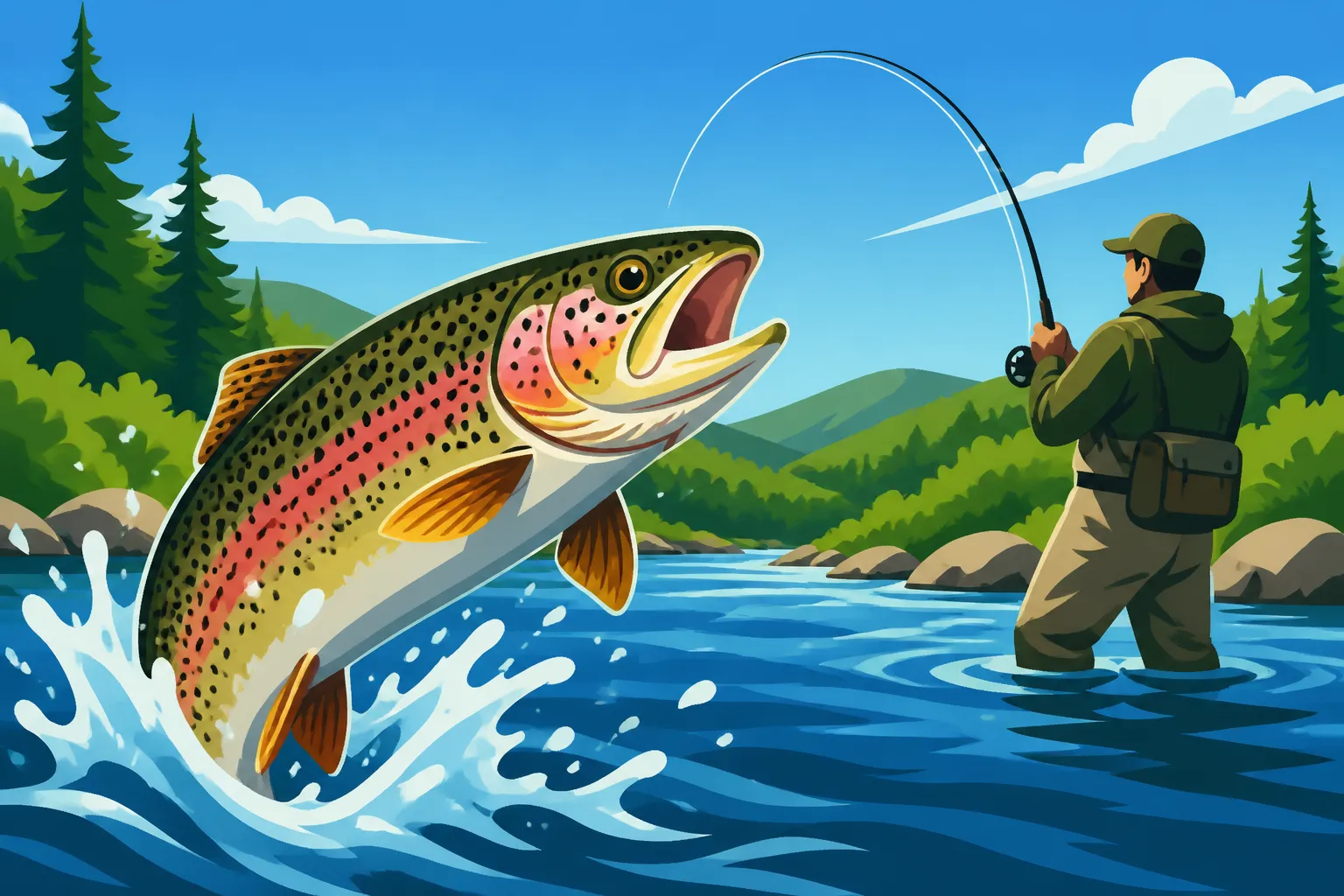
Rainbow Trout: Known for their vibrant, iridescent stripe along their flanks, rainbow trout are typically the most aggressive and readily caught of the stocked species. When newly stocked, they are often eager to strike at a variety of baits and lures, making them a fantastic target for beginners or those seeking consistent action. They tend to prefer faster, oxygenated water, often found in riffles, the heads of pools, and current seams where food is carried directly to them. They're opportunistic feeders, keying in on insects, small baitfish, and even aquatic worms. Post-stocking, rainbows might congregate in the deeper sections of pools, gradually spreading out as they acclimate to their new environment. As they spend more time in the river, they become more wary and selective, often transitioning to a diet more reliant on aquatic insects, making fly fishing with imitative patterns increasingly effective. Catching a bright, healthy rainbow from the Salmon River is a common and thoroughly enjoyable experience for anglers of all skill levels.
Brown Trout: Brown trout are often considered the more elusive and challenging of the stocked trout, offering a rewarding pursuit for experienced anglers. Identified by their golden-brown bodies adorned with dark spots, some ringed with a lighter halo, browns are known for their predatory nature and a tendency to grow larger than rainbows in similar conditions. They are more nocturnal and often prefer deeper, slower-moving water, especially areas with overhead cover like undercut banks, logjams, or large boulders. Brown trout are incredibly intelligent and wary, quickly learning to avoid areas with high angling pressure. While they will eat insects, larger browns often key in on baitfish, crayfish, and even small rodents, making streamers and larger lures highly effective. For an angler, landing a significant brown trout from the Salmon River is often seen as a true accomplishment, a testament to patience and skill. They are also excellent candidates for holdover, meaning fish that survive one season to grow larger in the next, contributing to the possibility of catching true trophy trout. To learn more about how they behave, checking out resources like Brown Trout Habits in Connecticut Streams can really help.
Native Brook Trout: A Rewarding Find
While rainbow and brown trout dominate the stocking reports, the Salmon River and its numerous feeder streams also hold populations of Connecticut's only native trout species: the brook trout. These beautiful fish, with their worm-like markings (vermiculations) on their backs, red spots (sometimes with blue halos) along their sides, and white-edged fins, are a true gem to encounter. They are a sensitive species, requiring pristine, cold, well-oxygenated water, which is why you'll typically find them in the smaller, colder tributaries or the most secluded, spring-fed sections of the main river.
Catching a native brook trout on the Salmon River is often a testament to exploring the wilder, less accessible parts of the fishery. They are generally smaller than stocked rainbows or browns, often ranging from 6 to 10 inches, but their vibrant colors and wild spirit make them incredibly rewarding catches. Fly anglers using small, traditional dry flies or nymphs often have the most success, as brook trout are typically less aggressive than their stocked cousins. When pursuing brook trout, it's particularly important to practice ethical angling, including catch and release, to preserve these precious wild populations. Handle them gently, keep them in the water as much as possible, and ensure a quick release. Finding these fish is a wonderful reminder of the natural heritage of Connecticut's waterways, and understanding Brook Trout: Connecticut's Native Trout can deepen your appreciation for them.
Essential Techniques and Tackle for Salmon River
Successfully fishing the Salmon River requires a versatile approach, as the conditions, fish behavior, and even the time of year can dictate what works best. Whether you prefer the simplicity of a spinning rod or the artistry of fly fishing, having a grasp of various techniques and the right tackle will set you up for success. The key is often adapting to what the trout are telling you on any given day.
Spinning Gear and Bait Fishing Strategies
For many anglers, especially those just starting out or targeting freshly stocked trout, spinning gear and bait fishing are the go-to methods. They are effective, relatively easy to learn, and consistently produce fish on the Salmon River.
When it comes to baits, you can't go wrong with the classics. Live worms, particularly nightcrawlers or garden worms, are universally effective. They offer a natural presentation and are irresistible to hungry trout. Pinch them into smaller pieces if you're getting short strikes. PowerBait, in its various forms (dough, nuggets, or floating eggs), is another highly popular and effective choice, especially for rainbows. Its scent and buoyant properties make it easy for trout to locate and inhale. Try different colors, as trout can be surprisingly particular; chartreuse, rainbow, and white are often reliable producers. Small kernels of canned corn also surprisingly entice trout, offering a bright, easily visible target.
For lures, small inline spinners like the Roostertail, Mepps Aglia, or Panther Martin are absolute trout magnets. Sizes #0 to #2 are ideal for the Salmon River. Their flashing blades and vibrating action mimic small baitfish or fleeing insects, triggering an aggressive strike. Cast upstream or across-stream and retrieve just fast enough to get the blade spinning, letting the current work the lure. Small spoons, such as the Kastmaster or Little Cleo in 1/8 to 1/4 oz sizes, are also very effective, especially in deeper pools or when trying to cover more water. Their erratic wobble can be deadly. Using light line, typically 4-6 lb test monofilament or fluorocarbon, is crucial for both bait and lure fishing, as trout in clear Connecticut waters can be line-shy. A light-action spinning rod (5'6" to 6'6") paired with a small spinning reel will provide the sensitivity and casting distance you need.
Fly Fishing for Discerning Trout
Fly fishing on the Salmon River offers a more nuanced and often more rewarding experience, particularly as the stocked trout become accustomed to their new environment and begin feeding on natural insects. It's an art form that connects you more intimately with the river and its inhabitants.
Nymphing: This is often the most productive fly fishing technique on the Salmon River, especially when trout are feeding sub-surface, which is most of the time. Nymphs imitate the larval and immature stages of aquatic insects. Popular patterns for the Salmon River include Pheasant Tail Nymphs, Hare's Ear Nymphs, Prince Nymphs, and Caddis Larva patterns in sizes #12-18. A "tight line" or "Euro Nymphing" style can be incredibly effective in the river's varied currents, allowing for precise depth control and detecting subtle strikes. Alternatively, a traditional indicator rig with split shot can also work well, especially in deeper pools. Focus on drifting your nymphs naturally through runs, current seams, and the heads of pools where trout are actively feeding.
Dry Fly Fishing: There's nothing quite like the thrill of seeing a trout rise to a dry fly on the surface. While not always consistent, Salmon River does experience various insect hatches, especially from late spring through fall. Key hatches include Caddisflies, Mayflies (like Hendricksons, Sulphurs, and Blue-Winged Olives), and Stoneflies. Having a selection of Adams, Elk Hair Caddis, Parachute Adams, and Sulphur patterns in various sizes (#14-20) will prepare you for most situations. Target calmer sections, eddies, and the tails of pools during a hatch. A delicate presentation is key, aiming for a drag-free drift that looks as natural as possible.
Streamer Fishing: For targeting larger, more aggressive brown trout or holdover rainbows, streamer fishing can be incredibly effective. Streamers imitate baitfish or larger aquatic creatures. Patterns like Woolly Buggers (black, olive, brown), Mickey Finns, or Clouser Minnows in sizes #6-10 are great choices. Cast across or downstream and strip the fly back in short, erratic bursts, mimicking a wounded baitfish. This technique is often best fished in deeper pools, undercut banks, or around submerged structure where bigger trout lurk.
A 4-6 weight fly rod, 8.5 to 9 feet long, paired with a matching reel and floating fly line, is a versatile setup for the Salmon River. A leader tapering down to 4x-6x fluorocarbon or monofilament will provide the necessary stealth. If you're new to fly fishing, a guide can be invaluable – places like FishingBooker can connect you with experienced local fly fishing guides who know the Salmon River like the back of their hand.
Wading and River Navigation Tips
Safe and effective wading is paramount on the Salmon River. The bottom can be slippery, uneven, and the current can be stronger than it appears, especially after rainfall. Always wear sturdy wading boots with felt or rubber soles that have good traction. A wading staff is highly recommended for stability, especially when crossing deeper or faster sections.
Before you step into the water, take a moment to "read the water." Look for current seams, eddies, deeper pools, and submerged rocks or logs – these are all potential holding lies for trout. Identify your entry and exit points, and always know the route you plan to take. Avoid wading too deep or too quickly, as you can spook fish or lose your footing. Often, staying on the bank and making careful casts into prime lies can be more effective than wading indiscriminately. If you do wade, move slowly and deliberately.
Understanding where trout hold in a river is crucial. They'll seek out areas that offer three things: food, cover, and a break from the main current. This means focusing your efforts on:
- Riffles: The shallow, fast-moving sections that oxygenate the water and dislodge insects. Trout will often be at the "head" or "tail" of a riffle, picking off food as it drifts by.
- Runs: Deeper, more uniform sections of current. Trout will hold along the bottom, or along subtle current breaks within the run.
- Pools: Slower, deeper areas. Trout will congregate here, especially larger fish, and can be found along the edges, undercuts, or near the deepest sections. The "head" (where water enters) and "tail" (where water exits) of a pool are often prime feeding lies.
- Pocket Water: Small, calmer areas behind boulders or other obstructions in fast water. These are excellent places for a trout to rest and feed.
By carefully observing the river and understanding these features, you can approach your fishing on the Salmon River with greater confidence and effectiveness.
Best Times to Fish and Seasonal Considerations
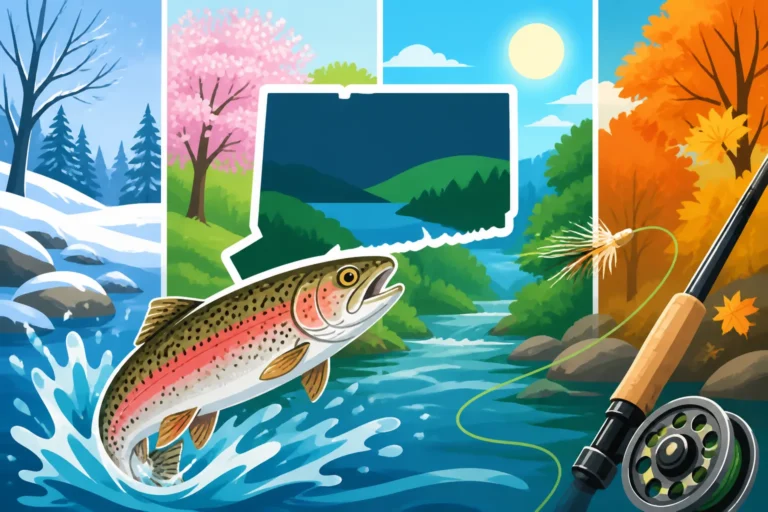
The Salmon River offers trout fishing opportunities throughout the year, but the experience and the techniques required vary dramatically with the seasons. Understanding these seasonal shifts is crucial for maximizing your success and enjoyment on the water.
Spring: Trout Opening Day and Beyond
Spring is, without a doubt, the most popular and often the most productive time to fish the Salmon River, particularly around Connecticut Trout Season and Stocking Rules and the traditional Opening Day. The air buzzes with excitement as anglers flock to the river, eager to test their luck against the freshly stocked trout. The DEEP pours a huge number of fish into the river during this period, and they are typically very aggressive and willing to bite after their journey from the hatchery.
Expect high angler pressure, especially on weekends and during the initial weeks of the season. For early spring, water temperatures will be cold, meaning trout are often less active and hugging the bottom. Baits like worms, PowerBait, and small shiny lures (spinners, spoons) are incredibly effective for these newly stocked fish. Fly anglers will find success nymphing with larger, heavier patterns to get down to the fish. As spring progresses, water temperatures gradually rise, triggering insect hatches. This is when dry fly fishing can really come alive, particularly on warmer, overcast days. Keep an eye out for caddis and early mayfly hatches. If you're planning your trip around the general opening, be sure to check the Connecticut Spring Fishing Day and Opening Day Rules to ensure you're compliant with any specific regulations for the start of the season. This period of abundance provides excellent opportunities for anglers of all skill levels, from those looking to fill a stringer to dedicated fly fishers honing their craft.
Summer: Seeking Cooler Waters
As summer sets in and air temperatures climb, the Salmon River, like many other trout streams, can become more challenging. Trout are coldwater fish, and prolonged periods of warm weather can raise water temperatures to stressful, or even lethal, levels. This is especially true in the lower, slower-moving sections of the river.
During summer, the key is to seek out cooler water. Focus your efforts on the upper reaches of the river, especially where smaller, colder tributaries enter, or near any natural springs that might feed into the main stem. Fishing early in the morning or late in the evening when ambient temperatures are cooler is often the most productive. During the heat of the day, trout will seek refuge in the deepest, shadiest pools, under undercut banks, or around logjams where water might be slightly cooler. Techniques become more finessed; light line, subtle presentations, and matching natural insects are critical for fly anglers. Small terrestrials (ants, hoppers, beetles) can also be effective as they fall into the water. For spin anglers, tiny spinners or dark-colored jigs fished slowly can entice strikes. If water temperatures are consistently above 68-70°F, it's often best to put away the trout gear and consider targeting other species, or at least practice extreme caution and quick catch-and-release to minimize stress on the fish. Observing a river thermometer is a great practice during these warmer months.
Fall and Winter: Fewer Crowds, Bigger Opportunities
Fall fishing on the Salmon River is a hidden gem. As the leaves change to vibrant hues of red, orange, and gold, angler pressure typically wanes significantly, but the fishing can remain fantastic. Cooler temperatures invigorate the trout, making them more active and often more aggressive as they feed heavily to prepare for winter. The river often receives additional stocking in the fall, providing a fresh influx of fish.
This is a prime time for targeting larger holdover brown and rainbow trout that have spent months in the river, growing accustomed to natural food sources. Streamer fishing with larger patterns can be incredibly effective, especially for brown trout that are becoming more predatory. Nymphing remains a consistent producer, and late-season hatches of smaller mayflies (like Blue-Winged Olives) can provide exciting dry fly opportunities on overcast days. The cooler water also means trout are less stressed, making catch and release much safer. The sheer beauty of the surrounding landscape combined with the tranquility and excellent fishing makes fall a truly special time on the Salmon River.
Winter fishing, while requiring more fortitude, can also be surprisingly rewarding. The river rarely freezes completely in its faster sections, allowing for open water access. While catch rates might be lower, the fish you do catch are often robust, healthy holdovers. Deep nymphing or slowly retrieved jigs and baits are the most effective methods. Dress warmly, pay attention to ice formation on the banks, and be prepared for solitude. This season is perfect for anglers who value peace and quiet and the challenge of fishing in colder conditions.
Regulations and Conservation on the Salmon River
Fishing on the Salmon River, like any other waterway in Connecticut, requires a keen awareness of the state's fishing regulations. These rules are in place not to hinder your enjoyment, but to protect the fishery and ensure sustainable angling opportunities for generations to come. Staying informed is your responsibility as an ethical angler.
Understanding General Trout Regulations
Before you even make your first cast, you need a valid Connecticut fishing license. Licenses are easily obtained online through the Connecticut DEEP website, at local town clerks, or authorized vendors. Whether you need a resident, non-resident, or even a short-term license will depend on your situation. You can find comprehensive details in our Connecticut Fishing License Guide for 2026. Failure to have one can result in significant penalties, including fines and confiscation of gear, as detailed in Fishing Without a License in Connecticut: Penalties.
Once your license is sorted, you need to understand the statewide trout regulations. These typically include:
- Creel Limits: The maximum number of trout you can keep in a single day.
- Minimum Length Limits: The smallest size of trout you are legally allowed to harvest.
- Season Dates: While many parts of the Salmon River are open year-round, there might be specific closure periods or different rules for designated Trout Management Areas.
These general rules apply to most of the Salmon River, and they are designed to balance angler harvest with the need to maintain a healthy trout population. For specific details on daily limits and possession rules, which can vary slightly year to year, it's best to consult the official Connecticut Trout Limit and Possession Rules or the latest Connecticut Angler's Guide. Always double-check these regulations before heading out, as they are subject to change annually.
Special Regulation Areas and Catch & Release
While much of the Salmon River falls under general trout regulations, certain sections might have "Special Regulations" designed to create unique fishing experiences or protect particular resources. These areas are often managed differently, sometimes with reduced creel limits, higher minimum lengths, or even designated as "Catch and Release Only" or "Fly Fishing Only" zones. It is absolutely critical to identify if the specific section of the Salmon River you plan to fish falls under any of these special regulations. Signs are usually posted, but the most reliable source is always the official Connecticut Angler's Guide, or resources like Connecticut Trout Management Area Regulations.
One example of a special regulation, though not currently applied to the Salmon River, is a Trout Management Area (TMA). TMAs are specifically managed for quality trout fishing and often have stricter rules, such as higher minimum length limits or tackle restrictions. While the Salmon River isn't designated as a TMA, other rivers in Connecticut are, and understanding how these regulations work is key to responsible angling across the state.
Beyond regulations, practicing catch and release, especially for larger fish or native brook trout, is a cornerstone of conservation. Even when you're legally allowed to keep fish, considering releasing some allows them to grow larger and reproduce, contributing to a more robust fishery. If you choose to release a fish:
- Minimize handling: Keep the fish in the water as much as possible.
- Wet hands: Always wet your hands before touching a fish to protect its slime coat.
- Use barbless hooks: These make for easier and less damaging hook removal.
- Revive gently: Hold the fish facing upstream in the current until it can swim away under its own power.
Responsible angling means not just following the letter of the law but also embracing the spirit of conservation. For the most current and detailed information on all regulations, including specific rules for the Salmon River, your best bet is always to refer to Reading the Connecticut Fishing Guide published by the DEEP each year. It's an invaluable resource for every angler.
| Bait/Lure Type | Effective Seasons | Target Trout Species | Best Conditions | Notes |
|---|---|---|---|---|
| Live Worms | Spring, Summer, Fall | Rainbow, Brown, Brook | All conditions, especially after rain | Excellent all-around bait, natural presentation. |
| PowerBait (Dough/Nuggets) | Spring, Early Summer | Rainbow, Stocked Brown | Newly stocked waters, clear water | Buoyant, scented, variety of colors. |
| Small Spinners | Spring, Summer, Fall | Rainbow, Brown | Riffles, runs, pocket water | Mimics baitfish, aggressive strikes. |
| Small Spoons | Spring, Summer, Fall | Rainbow, Brown | Deeper pools, covering water | Erratic wobble, good for holdovers. |
| Nymphs (Flies) | Year-round | Rainbow, Brown, Brook | Any water depth, especially sub-surface feeding | Versatile, imitates aquatic insect larvae. |
| Dry Flies (Flies) | Late Spring, Summer, Early Fall | Rainbow, Brown, Brook | During insect hatches, calmer water | Exciting surface strikes, requires delicate presentation. |
| Streamers (Flies) | Spring, Fall, Early Winter | Brown (especially large), Rainbow | Deeper pools, undercut banks, woody debris | Imitates baitfish, targets predatory trout. |
| Small Jigs | Summer (finesse), Winter | Rainbow, Brown, Panfish | Deep pockets, slow retrieves in cold water | Good for lethargic fish, can be tipped with bait. |
Disclaimer
Please be aware that fishing regulations, stocking schedules, and river conditions are subject to change. Always consult the latest official Connecticut Department of Energy and Environmental Protection (DEEP) fishing guide and local advisories before planning your trip to the Salmon River. This guide is for informational purposes only and does not supersede state regulations.