Best bait for chain pickerel in weed beds
There's nothing quite as frustrating as casting into what looks like a perfect fishing spot, only to have your lure instantly snagged in a dense underwater jungle. If you're targeting chain pickerel in Connecticut, you know this feeling all too well. These toothy predators absolutely love to ambush their prey from the tangled safety of weed beds, which means if you want to catch them, you've got to learn how to present your bait right in their living room without getting hopelessly hung up. This guide is all about cutting through that frustration and arming you with the best baits and techniques to effectively fish for chain pickerel in the thickest of Connecticut's weed beds, turning those snags into strikes.
Understanding Chain Pickerel and Their Weed Bed Habitat
Before we even talk about specific baits, it's crucial to understand why chain pickerel are so drawn to weed beds and what kinds of weeds they prefer. These fish aren't just hiding; they're strategically positioning themselves for maximum predatory efficiency.
Why Pickerel Love Weed Beds
Chain pickerel are classic ambush predators. Their elongated bodies, torpedo-like shape, and sharp teeth are perfectly adapted for sudden, explosive bursts of speed to snatch unsuspecting prey. And where do they do most of this ambushing? You guessed it: in and around dense vegetation. Weed beds offer several critical advantages for a pickerel. First, they provide excellent camouflage. The dappled light and interwoven stems break up the fish's outline, making it virtually invisible to both prey and larger predators. They can lie perfectly still, blending in with their surroundings, waiting for a hapless minnow or frog to swim by.
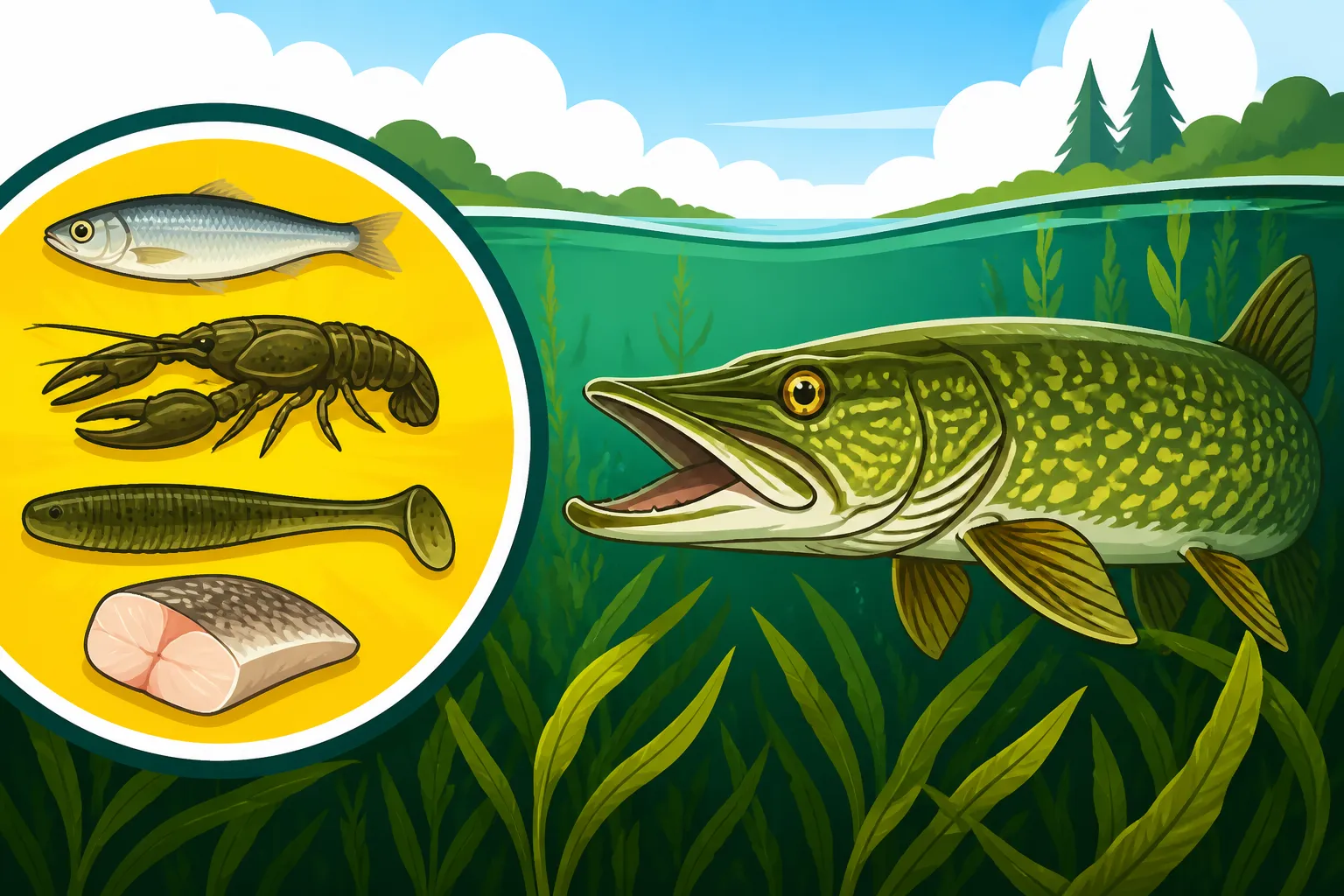
Second, weed beds are baitfish magnets. Smaller fish, insects, and amphibians all seek refuge, food, and breeding grounds within the dense plant life. This creates a natural pantry for pickerel, ensuring a constant supply of easy meals. If you want to understand What Chain Pickerel Eat in Connecticut Ponds, you'll quickly see that many of their preferred snacks are found right there in the weeds. The frustration of getting snagged often comes from the fact that we're trying to put our bait right where the pickerel are most comfortable, and unfortunately, that's also where the weeds are thickest. But learning to navigate this environment is key to consistent success.
Identifying Prime Pickerel Weed Beds in Connecticut
Not all weed beds are created equal when it comes to holding pickerel. While they'll certainly use a variety of vegetation, some types are more productive than others. In Connecticut, you'll encounter a range of aquatic plants, from the broad leaves of lily pads to submerged hydrilla and emergent reeds. Pickerel often prefer the edges of these weed beds, where they can dart out into open water, or within pockets and lanes of slightly thinner growth.
Look for areas where weed beds transition into open water, drop-offs, or deeper channels. These "transition zones" are like highways for baitfish and prime ambush points for pickerel. Lily pad fields, common in many Connecticut ponds and shallow lakes like Mansfield Hollow Lake, are fantastic. The pads themselves provide shade and cover, while the open water between them creates lanes for casting. Submerged weeds, like coontail or milfoil, can be harder to see but are often indicated by subtle disturbances on the surface or by dragging a weedless lure to feel the resistance. Emergent vegetation, such as cattails or bulrushes, particularly where they form dense clumps, also provides excellent cover, especially during the warmer months. Pay attention to changes in weed density—a sparse patch next to a thick wall of weeds is often a hotspot. Many of the Best Fishing Lakes in Connecticut will feature these prime weed bed habitats.
Top Baits for Targeting Chain Pickerel in Thick Cover
Now that we know where they live, let's talk about what to throw at them. The key to fishing weed beds for pickerel is selecting baits that are inherently weedless or can be rigged to be so. This minimizes frustration and maximizes your time with a lure in the strike zone.
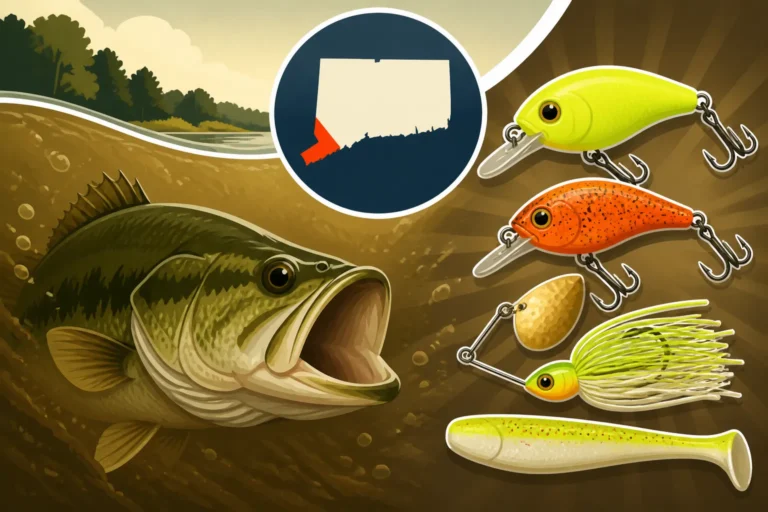
Weedless Soft Plastics and Jigs
Soft plastics are incredibly versatile and can be rigged in numerous ways to make them almost entirely snag-proof, making them a fantastic choice for pickerel in heavy cover. The classic "Texas rig" is your best friend here.
- Flukes and Jerkbaits: These soft plastic baits imitate dying baitfish and can be worked erratically through sparse weeds or over submerged vegetation with a twitch-twitch-pause retrieve. Brands like Zoom Super Fluke or Strike King Z-Too are popular. To Texas rig them, simply insert the hook point into the nose of the bait, thread it through, and then bury the hook point back into the body of the plastic, leaving it skin-hooked so the point is protected. This makes it glide smoothly over weeds. You can get a huge variety of these on Amazon. When a pickerel strikes, the hook point is exposed, ensuring a solid hook-up. The key is to keep your retrieves active, mimicking a struggling baitfish, which is irresistible to an ambush predator.
- Paddle Tail Swimbaits: These baits, like those from Keitech or similar brands, have a tail that kicks vigorously, creating a lot of vibration and flash, even at slow speeds. Rig them on a weedless swimbait hook or a weighted, weedless jig head. The weight helps them sink into pockets within the weeds, while the weedless design keeps you from snagging. A steady retrieve, occasionally pausing or twitching, is often all it takes to provoke a strike. These are excellent for covering water along weed edges or through slightly more open lanes. You can find excellent multi-packs of various colors and sizes on Amazon to experiment with.
- Worms and Craws: While perhaps more commonly associated with bass fishing, soft plastic worms and creature baits can also be effective for pickerel, especially when they're hiding deeper in denser weeds and a slower presentation is needed. Rigged wacky-style or Texas-rigged with a small weight, they can be pitched into small openings and allowed to slowly sink. The subtle movements of the plastic as it falls can be enough to trigger a strike from a pickerel lying in wait. Remember, pickerel aren't always looking for a fast meal; sometimes a slow, easy target is just as appealing.
Spinnerbaits and Buzzbaits for Surface Action
When pickerel are active and looking up, or when the weed beds are particularly thick, spinnerbaits and buzzbaits become incredibly effective tools. Their weedless design is a huge advantage.
- Spinnerbaits: These lures feature a lead head, a skirted body, and one or more spinning blades. The wire arm deflects weeds, making them remarkably snag-resistant. The flash and vibration from the blades are a huge attractant. For pickerel, focus on spinnerbaits with willow leaf or Colorado blades. Willow leaf blades provide more flash and are great for burning through the water, while Colorado blades offer more vibration and can be retrieved slower. Chartreuse, white, and fire tiger patterns are often excellent choices in Connecticut's pickerel waters. Fish them along weed edges, through submerged weed tops, or across open pockets. A steady retrieve is usually all that's needed, but don't be afraid to twitch or pause occasionally to trigger a reaction strike. You can even find specialized models on Amazon designed for heavy cover.
- Buzzbaits: For exciting topwater action, nothing beats a buzzbait. These lures feature a propeller blade that churns the water, creating a commotion that pickerel can't resist, especially during low-light conditions or on overcast days. Their design, with the hook riding upright, makes them relatively weedless on the surface. Cast them to the very edge of weed lines or over lily pads, and retrieve them just fast enough to keep the blade turning and the bait on the surface. The explosive strike of a pickerel on a buzzbait is something every angler should experience! White, black, or chartreuse are common and effective colors. When pickerel are active, these baits can draw them out of the densest cover.
Live Bait: The Old Reliable for Pickerel
Sometimes, despite all the fancy lures, nothing beats the natural appeal of live bait. For pickerel, live minnows are king, and they can be presented effectively in weed beds with the right setup.
- Shiners and Minnows: Live shiners or small minnows are consistently one of the best baits for pickerel. The challenge, of course, is presenting them in weeds without constant snags. The trick is to use a weedless live bait rig. You can rig a minnow on a small, sharp hook (like a size 2 or 4 Kahle hook) through the lips or just behind the dorsal fin. Instead of a heavy sinker, consider using a small float (bobber) set to keep the minnow just above the weed tops or at a specific depth along a weed edge.
- Float Fishing (Bobber Fishing): This is perhaps the most effective way to fish live minnows in weed beds. Cast your minnow and bobber combo near weed edges, into open pockets, or along natural lanes. The minnow's natural movements will attract attention, and the bobber will keep it from sinking into the snags. Pay close attention to your bobber; pickerel often hit aggressively, pulling it under quickly. This method is particularly effective when pickerel are lethargic or when you're targeting specific, small openings in dense cover. When using this technique, remember that a Connecticut fishing license is required for all anglers 16 and older, so make sure you have your Connecticut Fishing License Guide for 2026 handy. If you lose your paper license, knowing about Printing or Carrying a Digital Fishing License in Connecticut can be a real lifesaver.
Techniques for Presenting Baits Effectively in Weed Beds
Having the right bait is only half the battle. Knowing how to present it in those tricky weed beds without constantly getting hung up is where skill comes in.
Casting and Retrieval Strategies
Precision and versatility are key when fishing in thick vegetation. You can't just bomb out a cast and crank it back in most cases.
- Targeting Edges and Pockets: The absolute best strategy is to target the edges of weed beds, casting parallel to them to maximize the time your lure spends in the strike zone. Look for points, indentations, or breaks in the weeds. Don't be afraid to cast into small, open pockets within the dense growth. This often requires accuracy, as a missed cast can easily result in a snag. Skipping soft plastics under overhanging branches or into tight spots can also be incredibly productive. When you're trying to figure out Best Techniques for Chain Pickerel, mastering these specific casting methods will put you ahead.
- Varying Retrieval Speeds and Actions: Pickerel are notoriously aggressive, but sometimes they need a little convincing. Experiment with your retrieval speed. Sometimes a fast, erratic retrieve that mimics a fleeing baitfish will trigger a chase. Other times, a slow, steady retrieve with occasional twitches or pauses will be more effective, especially in cooler water or when the fish are less active. With soft plastics, you can impart lifelike action by twitching your rod tip. With spinnerbaits, vary the speed to change the blade's flash and vibration. Don't fall into the trap of a monotonous retrieve; pickerel often react to changes in speed or direction.
- The "Rip and Pause" Method: This is a killer technique for fishing soft plastics or even some jerkbaits in weeds. Cast your weedless lure into or over the weeds. Let it sink slightly, then rip your rod tip sharply to clear it from any weeds it might have picked up. Immediately follow this with a pause, letting the lure flutter or sink. This sudden movement often triggers a reaction strike from a pickerel that thinks its prey is trying to escape. Many times, the strike will come on the pause, right after the rip.
Gear Considerations for Heavy Cover
Using the right tackle is paramount to successfully landing pickerel from dense weed beds. Skimping on gear will lead to lost lures and lost fish.
- Rod Power and Action: You need a rod with enough backbone to haul fish and clear weeds. A medium-heavy to heavy power spinning or baitcasting rod with a fast action is ideal. The "power" refers to how much force it takes to bend the rod, and "action" refers to where the rod bends. A fast action means the rod bends mostly in the tip, giving you sensitivity and quick hook-setting power, while the heavy power allows you to pull fish out of thick stuff. A 6'6" to 7'6" rod is a good range, offering a balance of casting distance and maneuverability. You can find excellent options on Amazon from brands like Ugly Stik or St. Croix that are perfect for this kind of work.
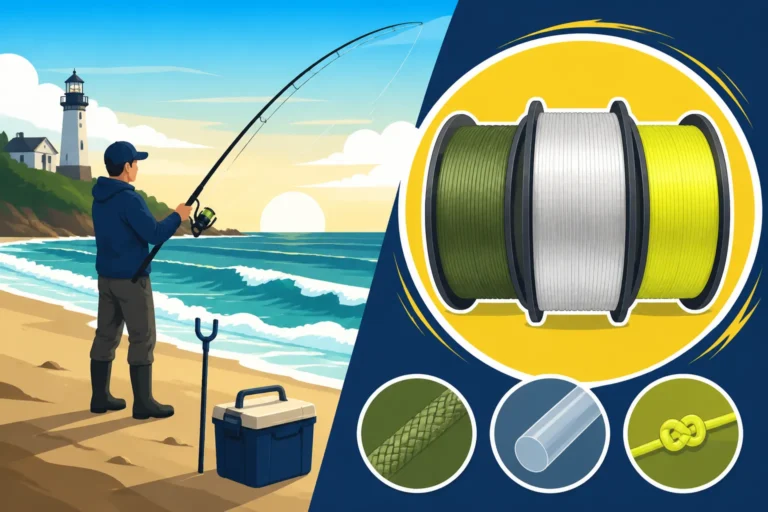
- Line Strength and Type: This is perhaps the most critical component for weed bed fishing. Forget monofilament; you need braided line. Braided line has almost no stretch, which gives you incredible sensitivity to feel light bites and the power to rip lures free from weeds. It also has much higher breaking strength for its diameter compared to mono or fluorocarbon. For pickerel in dense weeds, I recommend 20-40 lb test braided line. Brands like PowerPro or Berkley FireLine are excellent choices and readily available on Amazon. The lack of stretch also means more direct power for hook sets. A short leader of 12-20 lb fluorocarbon can be added (especially if you're worried about line visibility), but remember pickerel have sharp teeth, so a bite leader might be a good idea. Understanding Connecticut Fishing Regulations Explained will help you stay compliant, especially with leader materials.
- Reel Selection: A sturdy baitcasting reel or a powerful spinning reel in the 3000-4000 series size will serve you well. Look for reels with a smooth drag system and good cranking power. Baitcasting reels, in particular, offer more torque and control for pulling lures through heavy cover. Ensure your reel is spooled properly with your braided line to prevent tangles and optimize casting performance.
Markdown Table: Bait & Rigging for Weed Beds
| Bait Type | Recommended Rigging | Pickerel Size Preference | Key Advantages in Weeds | Retrieval Strategy |
|---|---|---|---|---|
| Soft Plastic Fluke/Jerk | Texas Rig, Weedless Hook | All sizes | Highly weedless, erratic action, mimics dying baitfish. | Twitch-twitch-pause, "Rip and Pause" through open lanes. |
| Paddle Tail Swimbait | Weedless Swimbait Hook | Medium to Large | Good vibration/flash, can be weighted to get into pockets. | Steady retrieve along edges or through sparse cover. |
| Spinnerbait | N/A (built-in weedless) | All sizes | Excellent flash/vibration, wire arm deflects weeds. | Steady retrieve, varied speed, bumping into cover. |
| Buzzbait | N/A (built-in weedless) | Medium to Large | Topwater commotion, highly visible, exciting strikes. | Fast enough to keep on surface, over lily pads and open pockets. |
| Live Minnow/Shiner | Hook through lip/dorsal, Float/Bobber | All sizes | Natural appeal, effective for finicky fish. | Let drift, slight retrieve, target specific weed pockets. |
Common Mistakes and Troubleshooting in Weed Beds
Even with the right gear and baits, fishing weed beds can test your patience. Knowing how to troubleshoot common issues can turn a frustrating day into a productive one.
Dealing with Snags and Break-offs
It's going to happen. You're going to get snagged. It's part of the game when fishing heavy cover. But there are ways to minimize it and to get your lure back.
- Don't Pull Straight Back: When you feel a snag, resist the urge to just yank. This often buries the hook deeper into the wood or wraps your line tighter around weeds. Instead, point your rod tip directly at the snag, create slack in your line, and then sharply snap the rod tip up. Repeat this several times. The shock wave can often dislodge the lure.
- Walk Around the Snag (if possible): If fishing from a boat or kayak, try to move to the other side of the snag. Often, pulling the lure from a different angle will free it. This is where having a good Best Kayak Fishing Spots in Connecticut knowledge base can come in handy, as many shallow, weedy areas are prime for kayak access.
- Use a Lure Retriever: These handy devices, available on Amazon, can save you a lot of money and frustration. They slide down your line to the snagged lure and use chains or weights to dislodge it. They don't work every time, but they work often enough to be worth carrying.
- Check and Sharpen Hooks: Pickerel have bony mouths, and sometimes a dull hook will just bounce off. Before every trip, and periodically throughout the day, check your hook points. Use a small hook sharpener to keep them needle-sharp. A sharp hook means less force is needed for a solid hookset, and it's less likely to get embedded in a weed.
When Pickerel Are Finicky in the Weeds
Pickerel are usually aggressive, but sometimes, for whatever reason, they can be surprisingly finicky. Water temperature, barometric pressure, or fishing pressure can all play a role.
- Slow Down Your Presentation: If aggressive retrieves aren't working, try slowing everything down. Let a Texas-rigged worm or creature bait sink slowly into a weed pocket. Work a spinnerbait just fast enough to turn the blades, barely bumping it through the weed tops. A slower presentation gives a less active pickerel more time to decide to strike. This can be particularly true in early spring or late fall when their metabolism isn't running at full throttle. Referencing Connecticut Fishing Seasons by Month can help you predict these slower periods.
- Downsize Your Baits: Sometimes, a smaller bait can make all the difference. If they're ignoring your 4-inch swimbait, try a 3-inch version. Smaller presentations can mimic smaller baitfish, which might be what the pickerel are keying in on, or simply present a less intimidating meal.
- Change Colors: While natural colors often work well, sometimes a flash of something unexpected is needed. Chartreuse, bright orange, or even black (especially in low light) can trigger a reaction. Conversely, if you're using bright colors and getting no bites, try a more subtle, natural baitfish pattern. Just like with Best Lure Color for Muddy Water Bass Fishing, understanding how light and water clarity affect color visibility is important for pickerel.
- Fish During Peak Times: Pickerel, like most predators, are often most active during low-light periods – dawn and dusk. Overcast days can also provide excellent fishing, as the reduced light penetration makes them feel more comfortable leaving the densest cover. Plan your trips to align with these windows of opportunity whenever possible, especially if you're finding the bite slow during the bright midday sun.
Catching chain pickerel in weed beds can be incredibly rewarding. It requires patience, the right tools, and a willingness to get a little dirty in the underwater jungle. But when that rod bends and you feel the unmistakable fight of a pickerel that you've successfully pulled from its leafy lair, all the frustration melts away. By understanding their habitat, selecting appropriate weedless baits, and refining your presentation, you'll be well on your way to consistent success on Connecticut's pickerel waters. Get out there, explore those weed beds, and enjoy the thrill of the chase!
Disclaimer
The information provided in this guide is for general informational purposes only and does not constitute professional advice. Fishing regulations, conditions, and techniques can change rapidly. Always consult the official Connecticut Department of Energy and Environmental Protection (DEEP) website or current fishing guide for the most up-to-date rules and safety information before heading out on the water. Fishing involves inherent risks, and it is the angler's responsibility to ensure their own safety and comply with all applicable laws.