Best technique for fishing muddy runoff conditions
Oh, the classic Connecticut angler's dilemma: you've been itching to hit the water, the rain finally stops, and you look at your favorite river or pond only to find it a churning, chocolate milk mess. It's disheartening, isn't it? That beautiful clear water is gone, replaced by thick, muddy runoff, leaving many of us wondering if it's even worth casting a line. But don't pack up your gear just yet! This guide is all about turning those frustrating, murky conditions into an opportunity, showing you the best techniques to find and catch fish when the water looks completely unfishable.
Understanding the Dynamics of Muddy Runoff
When heavy rains hit, especially after a dry spell, our beloved Connecticut waterways transform dramatically. Creeks swell, rivers rage, and even lakes can see their shallower areas turn cloudy. It's more than just an aesthetic change; this runoff fundamentally alters the aquatic environment, impacting everything from water temperature and oxygen levels to the behavior and location of fish. Many anglers just give up, thinking the fish are shut down, but often, they've simply shifted their patterns.
Why Fish React to Turbid Water
Fish are highly sensitive to their surroundings, and muddy water presents a unique set of challenges and, surprisingly, some advantages. For one, visibility plummets. This can make it harder for predatory fish to hunt by sight, but it also provides a fantastic sense of security for all fish, allowing them to move into shallower, more exposed areas they might normally avoid in clear water. Think of it as a natural camouflage blanket. The increased flow also brings new food sources – worms, insects, and detritus from the banks – creating feeding opportunities. However, too much turbidity can irritate gills and reduce oxygen, pushing fish to seek out slightly clearer, calmer, and more oxygenated water. Understanding these nuanced reactions is the first step to adapting your approach.
Common Angler Mistakes in Muddy Conditions
The biggest mistake I see anglers make is trying to fish muddy water with clear water tactics. They’ll throw their usual clear-water crankbaits, or try to finesse fish with subtle presentations that simply don't get noticed. Another common error is staying in areas that are too muddy or too fast. Fish need to eat, but they also need to conserve energy and breathe. If the current is ripping and the water is completely opaque, most fish will tuck into calmer pockets or seek out the edges of the turbidity where they can still see some prey without fighting the main current. Ignoring these fundamental changes in fish behavior will lead to a lot of fruitless casting. It’s also crucial to remember that "muddy" isn't a single condition; the severity of turbidity and flow varies greatly, requiring different adjustments.
Strategic Techniques for Targeting Fish in Turbid Water
When the water's murky, you need to change your game plan entirely. We're talking about engaging a fish's other senses, primarily their lateral line and sense of smell, and presenting baits in places where they feel comfortable feeding. This means rethinking your lure choices, presentation, and even where you decide to cast.
Lure Choices and Colors That Stand Out
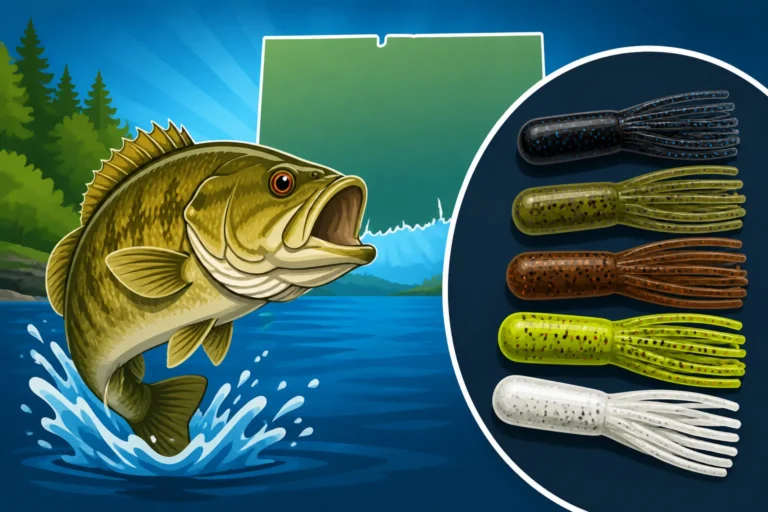
In muddy water, visibility is your enemy, so you need lures that create a strong visual silhouette or vibrate aggressively to generate a "feel" for the fish. Bright, contrasting colors are often your best bet. Think chartreuse, bright orange, hot pink, or solid black. These colors create a stark silhouette against the cloudy water, making them easier for fish to see. For bass fishing especially, many anglers swear by chartreuse and black in dirty water, and you can find a huge selection of these specific colors for various lures on Amazon.
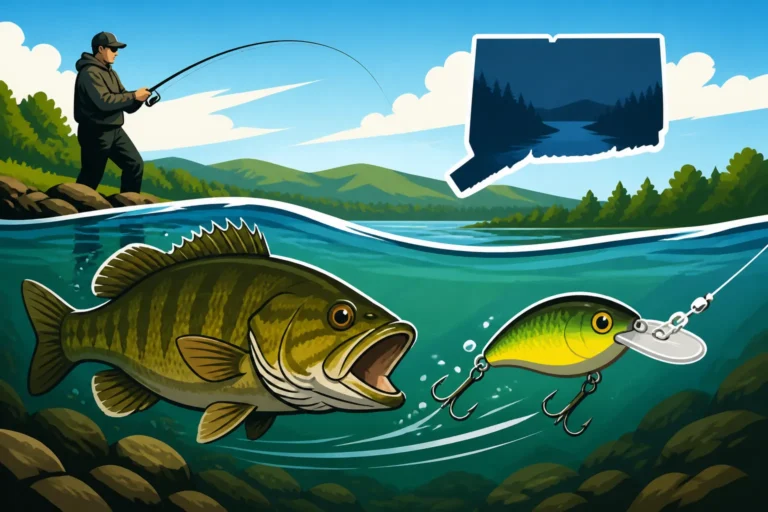
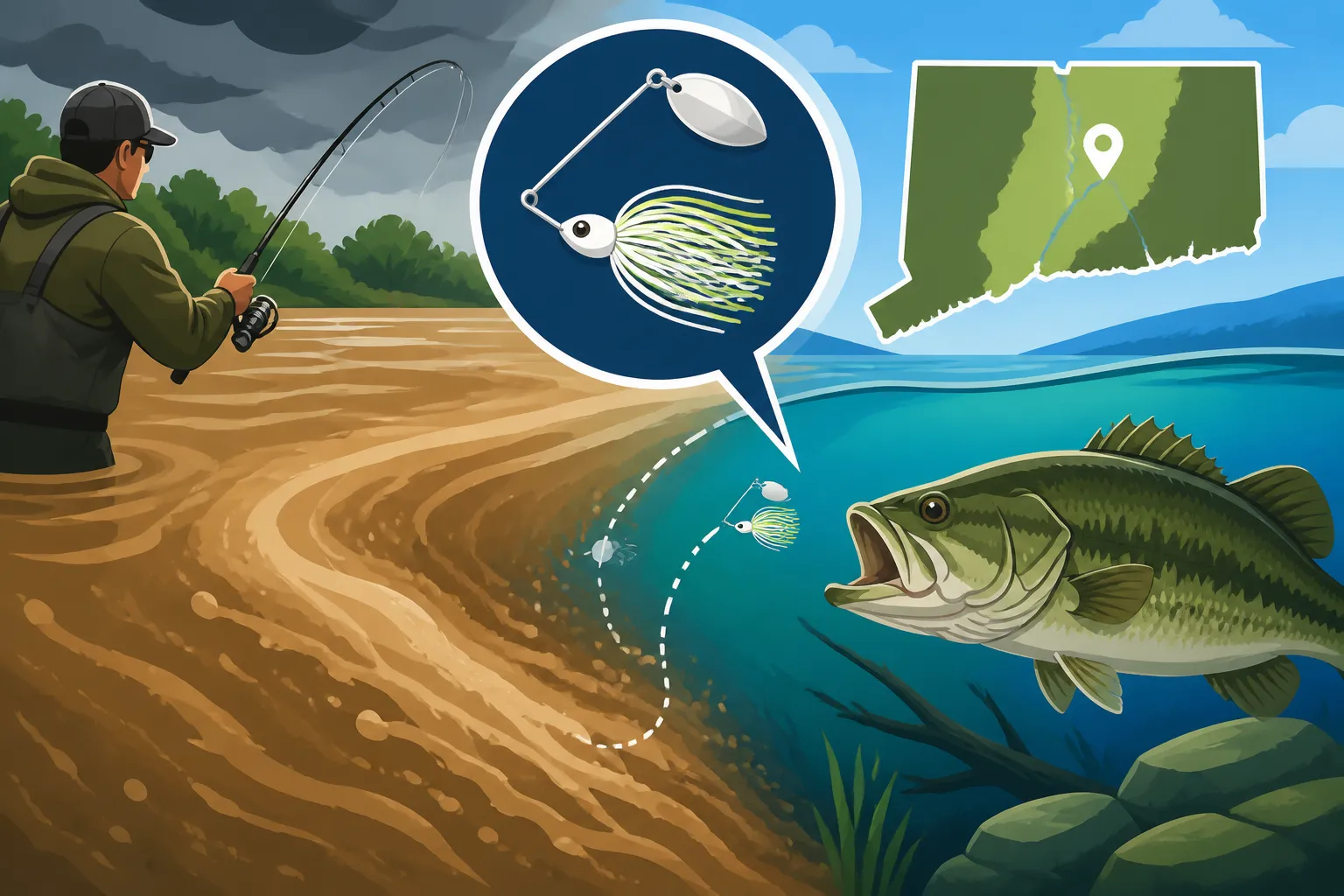
- Vibrating Lures: Spinnerbaits, chatterbaits, and lipless crankbaits are absolutely deadly in muddy conditions. The blades on spinnerbaits and the unique hex blade of a chatterbait send out strong vibrations that fish can detect with their lateral line from a distance. Lipless crankbaits also have a tight wobble and often rattles, making them highly effective.
- Large Profile Baits: Bigger baits are often better. A larger profile means more water displacement and a more substantial visual target, even if the color isn't fluorescent. Think large jigs with bulky trailers or big creature baits.
- Jigs and Worms (with a twist): While finesse fishing typically struggles, jigs and Texas-rigged worms can still be effective if fished slowly and precisely. The "twist" here is to use darker colors like black and blue, or even solid black, paired with a stout profile. Adding a rattle to your jig can make a world of difference, too.
For a deeper dive into specific options, you might want to read about the Best lure color for muddy water bass fishing.
Bait and Scent Strategies
If you're not getting bites on artificial lures, or you prefer bait fishing, muddy water is your friend. Natural bait, with its strong scent, can be irresistible to fish that are relying more on smell than sight.
- Live Bait: Worms, minnows, shiners, or even nightcrawlers (especially after a rain, as they get washed into the water naturally) are fantastic choices. Their natural scent and erratic movement can draw fish in from afar. Just make sure your bait is lively and presented where fish can find it.
- Scented Artificials: Many soft plastic baits come pre-scented, or you can add your own scent. Garlic, anise, and various "fish attractant" sprays found on Amazon can significantly increase your strike rate. Apply liberally and often, especially if you're making a lot of casts. The goal is to leave a scent trail in the water.
- Cut Bait: For species like catfish or even opportunistic bass, cut bait can be incredibly effective. A fresh chunk of oily baitfish will release a strong scent plume, attracting fish that are cruising the murky depths.
Presentation and Location in Murky Conditions
This is where many anglers struggle. It's not just what you throw, but where and how you present it. When rivers swell and lakes get churned up, fish will seek refuge and feeding opportunities in specific areas.
- Edges of Turbidity: This is prime real estate. Look for the transition lines where muddy water meets clearer water. Fish will often hold on the clearer side, ambushing prey that gets swept out of the murk. This could be where a clear tributary meets a muddy main river, or the edge of a muddy shallow flat next to deeper, less disturbed water.
- Current Breaks and Eddy Pockets: Fish are smart; they don't want to fight a strong current all day. They'll tuck behind rocks, submerged logs, bridge pilings, or in calm eddy pockets formed by bends in the river. These spots offer a break from the flow and often collect dislodged food. You can learn a lot about finding these spots by studying techniques like How to Catch Smallmouth Bass in Connecticut Rivers.
- Shallow Cover: The reduced visibility of muddy water often emboldens fish to move into very shallow cover they'd typically avoid. Think submerged brush, thick weed beds (if the current isn't too strong), or even flooded shoreline vegetation. Pitching a vibrating jig or a Texas-rigged creature bait into these areas can be incredibly productive.
- Slow and Low: Your presentation needs to be slower and closer to the bottom. Fish aren't going to chase a fast-moving bait in low visibility. Drag jigs, slowly retrieve crankbaits, or dead-stick scented soft plastics. The slower retrieve allows fish more time to locate your offering by scent and vibration. This is especially true for Best techniques for early spring trout when the water is often cold and murky.
- Focus on the Bank: When rivers are high, many fish will hug the banks. This is partly for cover and partly because the banks are where a lot of food is being washed in. Make sure you're casting close to the shore, especially near any structure like fallen trees or brush piles.
Gear Considerations for Muddy Water Angling
Your equipment plays a significant role in successful muddy water fishing. While you don't need a whole new arsenal, some adjustments to your setup can make a big difference in sensitivity, control, and overall effectiveness.
Rod, Reel, and Line Selection
For muddy water, you often want a setup that prioritizes power and sensitivity to detect subtle bites, as well as the ability to handle heavier line and potentially snaggy conditions.
- Rods: A medium-heavy to heavy power rod with a fast action is usually ideal. This gives you the backbone to handle larger, vibration-heavy lures and to pull fish out of thick cover. The fast action helps with casting accuracy and feeling those lighter bites in turbulent water. For a general overview of fishing in the state, consider reading our Connecticut Fishing Seasons by Month guide to plan your trips.
- Reels: A good quality baitcasting reel for accuracy and torque is often preferred for heavier lures, while a sturdy spinning reel can work for lighter presentations or those who prefer it. Ensure your drag is smooth, as big fish often hit hard in these conditions.
- Line: This is key. Forget your fluorocarbon for stealth; in muddy water, visibility is low, so fish aren't relying on sight. You can bump up your line strength significantly.
- Braided Line: Braided line is excellent in muddy water. It has virtually no stretch, which means incredible sensitivity to feel those subtle bumps and strikes. Its thin diameter for its strength also cuts through the current better than mono. A high-visibility braid can even help you detect bites visually if you see the line twitch.
- Monofilament: While not as sensitive as braid, a heavier monofilament can provide a bit more stretch (which can be good for absorbing shock from a hard strike) and is generally more abrasion-resistant around rocks and debris. It's a solid choice for reaction baits where direct feel isn't as critical.
- Fluorocarbon: Generally, I'd skip pure fluorocarbon as a main line in truly muddy conditions due to its cost and invisibility not being a factor. However, a short fluorocarbon leader might still be useful if you're fishing the edges of turbid water where there's slightly more clarity, or if you're targeting very finicky fish in these conditions.
| Line Type | Pros in Muddy Water | Cons in Muddy Water | Best Use Cases |
|---|---|---|---|
| Braided | High sensitivity, strong, no stretch, good for reaction baits | Visible, can be more expensive | Jigs, spinnerbaits, chatterbaits, punching mats |
| Monofilament | Good knot strength, decent abrasion resistance, forgiving stretch | Less sensitive, higher diameter for strength | Cranking, topwater, general purpose bait fishing |
| Fluorocarbon | Abrasion resistance, sensitivity (less than braid) | Expensive, can be stiff | Leaders (if needed), situations with slight clarity |
Adding Scent and Rattle
As mentioned earlier, scent is a huge advantage. Don't be shy about dousing your artificials. Soft plastics that already have scent impregnated are a great starting point, but adding a liquid or gel scent to any lure can make it more appealing. For bass specifically, you might be interested in reading about Best Baits for Smallmouth Bass on the Housatonic which often include scented options.
Rattles are another secret weapon. Insert rattles into soft plastic worms, or choose crankbaits and jigs that already have them built-in. The noise combined with vibration creates an irresistible combination for fish trying to locate prey in low visibility. Many anglers carry small glass or plastic rattles that they can insert into their soft plastics, a handy trick for any tackle box.
Wading and Boating Considerations
When the water is high and muddy, safety becomes paramount. Currents can be deceptively strong, and submerged obstacles invisible. If you're wading, always use a wading staff and wear appropriate footwear. Be extremely cautious of slippery bottoms and swift currents. For those looking for trout, our guide on Wading Techniques for Connecticut Trout Streams has some excellent safety tips that apply to all river wading.
If you're fishing from a boat, be aware of increased debris in the water (logs, branches) and the potential for changing current patterns. Always wear a life jacket, especially if you're navigating unfamiliar or fast-moving water. Understanding Life Jacket Requirements for Connecticut Boaters is crucial for anyone heading out on the water.
Specific Scenarios and Species Considerations
Muddy runoff affects different species and different bodies of water in unique ways. What works for bass in a lake might not be the best approach for trout in a river, though some core principles remain.
Lake and Pond Fishing in Murky Water
Lakes and ponds tend to clear up faster than rivers, but their coves and shallower areas can get very stained.
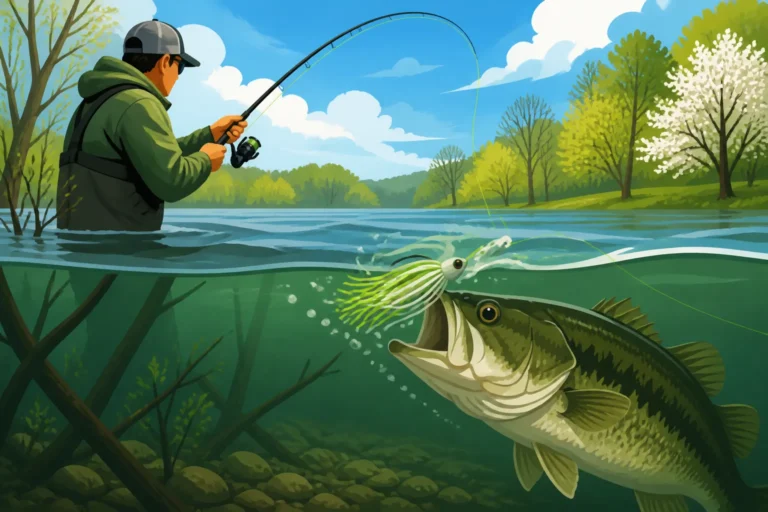
- Bass (Largemouth & Smallmouth): Bass will often retreat to the calmer, slightly clearer backs of coves or the edges of main lake points where the current isn't as strong. They'll also hug shallow cover like docks, laydowns, and flooded vegetation. Think spinnerbaits, chatterbaits, and dark-colored jigs pitched tightly to cover. On a large body of water like Candlewood Lake, even after heavy rain, the main lake might clear up faster than the feeder creeks, so target those transition zones. For more on bass, check out Best Bass Fishing Lakes in Connecticut. You can also find techniques like How to fish a spinnerbait for Connecticut lake bass which is especially relevant here.
- Panfish (Crappie, Bluegill, Perch): Panfish often move into flooded shoreline brush, seeking both cover and new food sources. Small jigs tipped with a grub or a piece of nightcrawler, fished under a bobber and kept shallow, can be effective. They'll be feeding opportunistically on worms and insects washed in.
- Pickerel & Pike: These ambush predators often thrive in murky conditions. They'll hold tight to weed lines or submerged structure, waiting for an unsuspecting meal. Larger spinnerbaits, noisy crankbaits, or even live shiners can be excellent choices.
River Fishing in Muddy Runoff
Rivers are perhaps the most challenging and rewarding places to fish after heavy rains. The dynamic nature of the water requires constant adaptation. The guide on Best techniques for high water spring conditions offers more specific advice for these scenarios.
- Trout: In truly muddy, high-current trout streams, trout can be tough to find. They'll move to the slowest water available: eddies behind large boulders, deep pools, bankside slack water, or even small feeder creeks that might be running clearer. Focus on natural baits like worms or salmon eggs, drifted slowly and naturally on the bottom. If using artificials, heavily weighted nymphs or bright, slow-moving streamers can sometimes entice a bite. Remember, the Connecticut Trout Season and Stocking Rules still apply, so know your regulations.
- Smallmouth Bass: Similar to trout, river smallmouth will seek refuge from the main current. Look for them in current seams, behind structure, or in any slack water pockets. They'll often move closer to the banks. Use vibrating jigs, spinnerbaits, or dark-colored tube jigs bounced along the bottom. The key is getting your lure down quickly and keeping it in the strike zone. Keep in mind that Best water temperature for smallmouth bass fishing still matters, even with runoff, as temperature shifts can influence their activity.
- Striped Bass (in tidal rivers): In tidal rivers like the lower Connecticut River, muddy runoff from upstream can push baitfish down, which in turn attracts striped bass. Look for stripers holding in deeper holes, channel edges, or around submerged structure like bridge pilings where they can ambush bait that's being swept past. Live eels or large, dark-colored swimbaits can be very effective.
General Tips for Success
- Don't Be Afraid to Move: If a spot isn't producing after a reasonable amount of time, don't hesitate to relocate. Fish are congregating in specific areas in these conditions, and finding those zones is key.
- Fish Slow and Thoroughly: As mentioned, a slow presentation is often best. Also, don't just make a few casts and move on. Work an area thoroughly, changing casting angles and depths slightly with each retrieve.
- Observe Your Surroundings: Look for clues. Are there areas where the water is slightly clearer? Are there baitfish flicking on the surface in a calm pocket? Is debris accumulating in a specific eddy? These observations can point you to fish-holding locations. You can gather more context by understanding Fishing after a heavy rain on Connecticut rivers.
- Safety First, Always: High, fast, and murky water is dangerous. Never take unnecessary risks. If the conditions feel unsafe, it's better to fish another day or find a safer spot.
Muddy runoff doesn't have to mean a ruined fishing trip. With the right mindset, a few adjustments to your gear, and a strategic approach to presentation and location, you can actually have some of your most memorable and productive days on the water. It's all about thinking like a fish and understanding how they adapt to their ever-changing world. So grab those chartreuse lures, tie on some heavy braid, and get out there – the fish are waiting!
Disclaimer
This article is for general informational purposes only and does not constitute professional advice. Laws, prices and regulations vary by location and change over time. Consult a qualified professional for guidance on your specific situation.