What fish species are unique to Long Island Sound
It's easy to wonder what truly sets Long Island Sound apart, especially when it comes to the fish swimming beneath its surface. You might be dreaming of catching something you can't find anywhere else, something truly "unique" to our beloved Connecticut waters. While the Sound is a dynamic, interconnected ecosystem that shares many species with the broader Atlantic, there are definitely fish that define its character, play incredibly vital roles, or have a particularly strong presence here, making them feel distinctly ours. This guide will dive deep into these significant species, explaining why they are so intrinsically linked to the Long Island Sound experience.
"Unique" Defined: What Makes a Fish Species Stand Out in Long Island Sound?
When we talk about "unique" fish species in a body of water like Long Island Sound, it's important to set our expectations realistically. The Sound is an estuary, a semi-enclosed coastal body of water where freshwater and saltwater mix, and it's directly connected to the Atlantic Ocean. This means that many of the fish here are migratory or have ranges that extend far beyond our local shores. Think of it less like an isolated pond with truly endemic species, and more like a bustling port city where certain "residents" truly define the local culture and economy, even if they travel globally.
The Nuance of "Unique" in a Dynamic Marine Environment
True biological uniqueness – meaning a species found only in Long Island Sound and nowhere else on Earth – is exceptionally rare for a marine environment like this. Fish, by nature, are often great travelers, following food, currents, and temperature changes across vast distances. What makes a species "unique" or particularly special to Long Island Sound, then, often comes down to its ecological importance, its sheer abundance, the quality of its habitat within the Sound, or the specific role it plays in our local fishing culture.
For instance, a species might thrive here more than in adjacent waters due to the Sound's specific blend of salinity, temperature fluctuations, or rich forage base. Or, it might be a critical nursery ground for a species that spends its adult life elsewhere. It's about how essential the Sound is to their life cycle, and in turn, how essential they are to our Sound. When you cast a line into these waters, you're not just fishing for a fish; you're often engaging with a creature deeply woven into the fabric of this particular ecosystem.
Factors Creating Distinctive Fish Populations in LIS
Long Island Sound offers a fantastic mosaic of habitats, from shallow mudflats and salt marshes to rocky reefs, deep channels, and sandy bottoms. This diverse environment, coupled with the seasonal influx of freshwater from rivers like the Connecticut River and the Farmington River, creates specific niches that certain fish species exploit more effectively than others.
Consider the interplay of food sources. The Sound is incredibly productive, supporting vast schools of baitfish, abundant crabs, worms, and shellfish. Fish that specialize in feeding on these local delicacies often become dominant players. Similarly, the water temperatures, which can swing dramatically from cold winters to warm summers, dictate which species will thrive year-round and which are seasonal visitors. For anglers, understanding these dynamics means knowing what to expect when they head out, whether they're looking for Connecticut Blackfish Tautog Season Dates or Connecticut Striped Bass Slot Limit and Season. It’s about more than just a fish existing here; it’s about a fish flourishing here.
Iconic Residents: Fish Species Central to the Long Island Sound Ecosystem
When most people think of fishing in Long Island Sound, a few key species immediately come to mind. These are the fish that dominate our conversations, fill our coolers, and challenge our angling skills. They're not just present; they are defining components of the Sound's vibrant marine life, truly central to its identity.
The Dominance of Striped Bass and Bluefish
If there are any "kings" of Long Island Sound, it would have to be the Striped Bass and Bluefish. These two predatory species are migratory powerhouses that sweep through the Sound for much of the year, providing incredible sport and excitement for anglers.
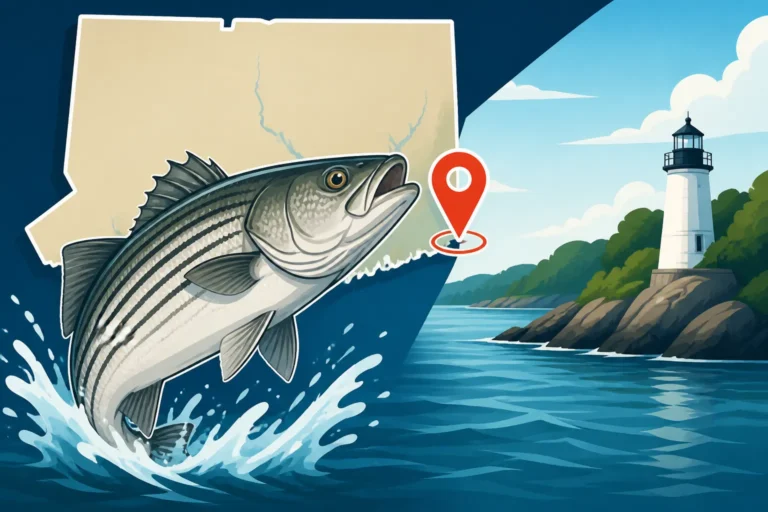
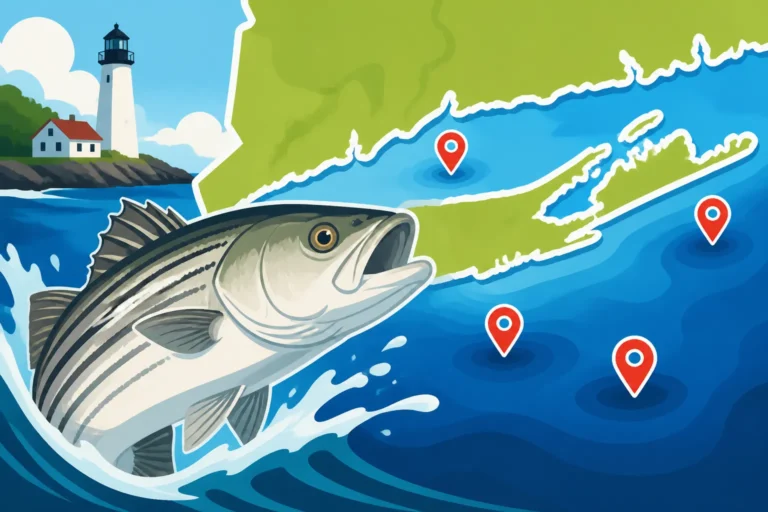
Striped bass, often called "stripers," are revered for their strength and cunning. They can be found in a variety of habitats, from rocky shorelines and rips to deep channels and estuaries, preying on baitfish like Atlantic menhaden, eels, and squid. Their presence is a huge draw for anglers, who might spend hours perfecting their How to Catch Striped Bass in Long Island Sound techniques. The Sound is a crucial feeding ground for stripers during their spring and fall migrations, and many adult fish spend their summers here, growing large and strong on the abundant forage. You'll find anglers targeting them from boats, kayaks, and shorelines all over the Sound, often with specialized gear you might pick up from a reputable online retailer like Amazon.
Bluefish, on the other hand, are the aggressive, toothy predators that provide explosive action. They hunt in schools, tearing through baitfish with ferocity. While some find their table fare less desirable than stripers, there's no denying the thrill of a bluefish blitz. They often move into the Sound in late spring, staying through the fall, offering continuous opportunities for exciting catches. Their presence is a clear indicator of a healthy forage base, and their sheer numbers can sometimes seem "unique" to the Sound during peak season. Understanding Bluefish in Long Island Sound behavior is key to a successful outing.
Fluke, Blackfish, and Black Sea Bass: Bottom Dwellers with Big Impact
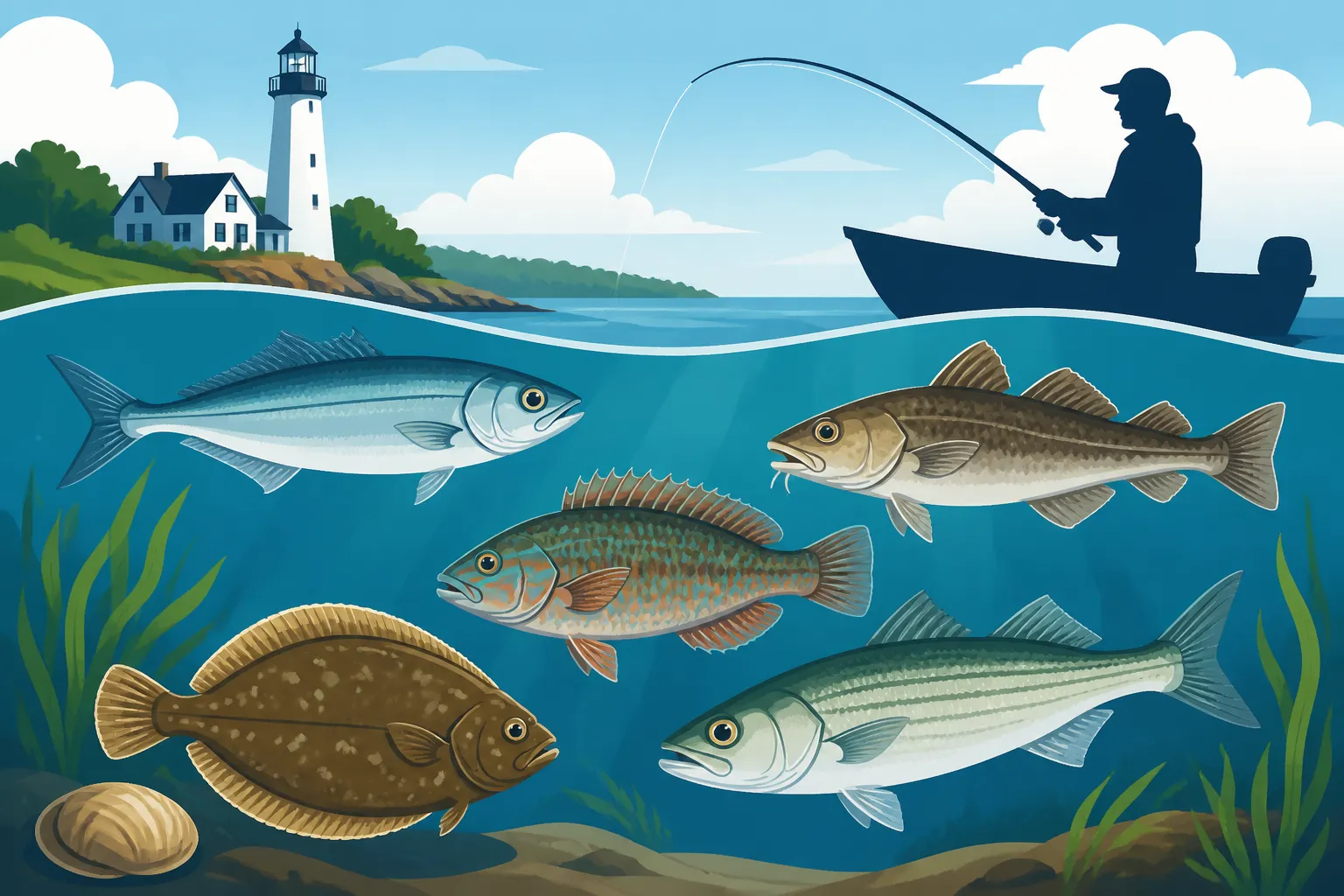
Beneath the surface, hugging the diverse seafloor of Long Island Sound, are three other incredibly important species that are quintessentially "Sound" fish: Fluke (Summer Flounder), Blackfish (Tautog), and Black Sea Bass. These species contribute immensely to the recreational fishery and are deeply intertwined with the Sound's benthic (bottom) environment.
Fluke are flatfish, masters of camouflage, and they spend their lives on sandy and muddy bottoms, ambushing prey. They are incredibly popular targets, especially in the warmer months. Drifting with bait or jigs is a classic way to target them, and anglers eagerly await the Connecticut Fluke and Summer Flounder Regulations each year. The Long Island Sound provides extensive sandy and muddy flats, making it prime fluke habitat, and many anglers spend countless hours honing their How to Catch Fluke in Long Island Sound techniques. For the right scent or jig, a quick check on Amazon can often yield exactly what you need.
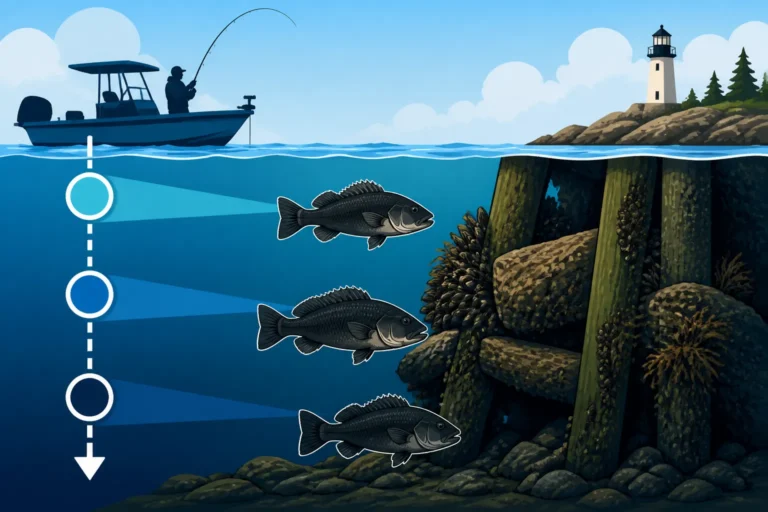
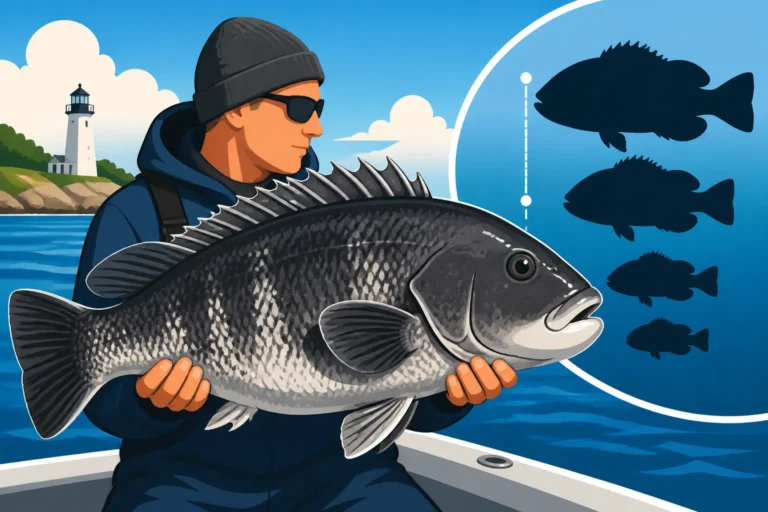
Blackfish, or tautog, are perhaps the most unique in terms of their specialized diet and habitat. These hard-fighting fish are almost exclusively found around rocky structures, wrecks, and mussel beds, where they use their powerful jaws to crush shellfish and crabs. If you've ever tried targeting tautog, you know it's a game of precision and patience, and the rewards are fantastic. The abundant rocky reefs and artificial structures throughout Long Island Sound make it a premier destination for Blackfish Tautog Fishing in Connecticut, and they are very much a defining species of our local bottom fishery.
Black Sea Bass are another beloved bottom dweller, known for their beautiful coloration and delicious meat. They prefer rocky bottoms, wrecks, and artificial reefs, often congregating in sizable schools. Their populations have seen fluctuations over the years, but they remain a key target for many recreational anglers in the Sound. Connecticut Black Sea Bass Regulations for 2026 are always closely watched, as these fish are highly sought after. Finding the right bait and rig for black sea bass can sometimes be a challenge, but browsing options on Amazon can reveal new ideas or tackle setups.
Here's a quick look at some key characteristics of these iconic Long Island Sound species:
| Species | Primary Habitat in LIS | Preferred Food | Notable Trait in LIS |
|---|---|---|---|
| Striped Bass | Coastal areas, rips, estuaries | Menhaden, eels, squid | Major migratory predator, strong fight |
| Bluefish | Open water, near bait | Baitfish (menhaden, silversides) | Aggressive schooling predator, fierce bites |
| Fluke | Sandy/muddy bottoms | Small fish, squid, crabs | Master of camouflage, delicious table fare |
| Blackfish | Rocky structures, wrecks | Crabs, mussels, shellfish | Powerful jaws, challenging fight near structure |
| Black Sea Bass | Rocky reefs, wrecks | Crabs, worms, small fish | Schooling bottom dweller, excellent eating |
Unsung Heroes and Special Interests: Supporting Cast of the Sound
Beyond the marquee species that draw most anglers, Long Island Sound is home to a rich diversity of other fish that, while perhaps not exclusively "unique," play absolutely crucial roles in the ecosystem or represent fascinating aspects of our local marine life. These species are the supporting cast that ensures the health and vitality of the entire Sound.
The Crucial Role of Forage Fish like Menhaden
While you might not specifically target them with a rod and reel, Atlantic Menhaden are arguably one of the most important "unique" elements of Long Island Sound. They are a keystone species, serving as the primary food source for many of the larger predators we love to catch. Huge schools of menhaden, often called "bunker," can be seen dimpling the surface of the Sound, especially during the warmer months.
Without healthy populations of menhaden, the entire food web would collapse. Striped bass, bluefish, and even larger marine mammals and birds rely heavily on these oily baitfish. Their abundance (or lack thereof) directly impacts the quality of fishing for other species. Therefore, while not a "sport fish" in the traditional sense, menhaden's outsized influence on the ecosystem makes them uniquely critical to Long Island Sound. Understanding Atlantic Menhaden as Forage Fish in Long Island Sound is paramount to appreciating the Sound's health.
Migratory Species and Their LIS Significance
Long Island Sound also acts as a vital pathway and feeding ground for a variety of migratory species that spend part of their lives here. American Shad, for example, undertake impressive spawning runs up rivers like the Connecticut River each spring, passing through the Sound on their journey. While they spawn in freshwater, their life cycle is intimately connected to the Sound's health as a migratory corridor. You can find more details about these amazing migrations in guides like American Shad Runs on the Connecticut River.
Even species like Scup (Porgy) and Weakfish, while found throughout the broader Atlantic, often have significant seasonal populations in Long Island Sound. Scup are prolific bottom feeders, often providing easy and fun action for anglers, especially kids. Weakfish, with their iridescent scales and delicate mouths, have seen fluctuating populations but remain a prized catch when they are present in good numbers. These fish might not be exclusive to the Sound, but their consistent presence and importance to the local fishing experience certainly contribute to what makes our waters distinctive. Scup Porgy in Connecticut Waters and Weakfish in Long Island Sound shed more light on these fascinating inhabitants.
Preserving Long Island Sound's Distinctive Fish Populations
The rich diversity and abundance of fish in Long Island Sound are not accidental; they are the result of a complex and delicate balance, maintained through natural processes and, increasingly, human intervention and stewardship. As anglers and lovers of the Sound, we all have a role to play in ensuring these distinctive populations thrive for generations to come.
Understanding Regulations for Key LIS Species
One of the most direct ways to contribute to the health of Long Island Sound's fish populations is to fully understand and adhere to fishing regulations. These rules, set by state and federal agencies, are designed to manage fish stocks sustainably, allowing species to reproduce and grow, and preventing overfishing. It's not just about avoiding a penalty for Fishing Without a License in Connecticut Penalties; it's about being a responsible steward of the resource.
Regulations cover everything from minimum and maximum sizes (slot limits), daily possession limits, season dates, and even specific gear requirements like the Connecticut Circle Hook Requirement for Striped Bass. For instance, knowing the nuances of Connecticut Striped Bass Slot Limit and Season or Connecticut Blackfish Tautog Season Dates is crucial before you even wet a line. These aren't arbitrary rules; they are based on scientific data and aim to protect spawning fish, allow juvenile fish to mature, and preserve older, larger fish that contribute significantly to the gene pool. Always check the latest official fishing guide, which you can often reference online or find at bait shops, or even a waterproof version on Amazon for convenience.
How Anglers Can Contribute to a Healthy Sound
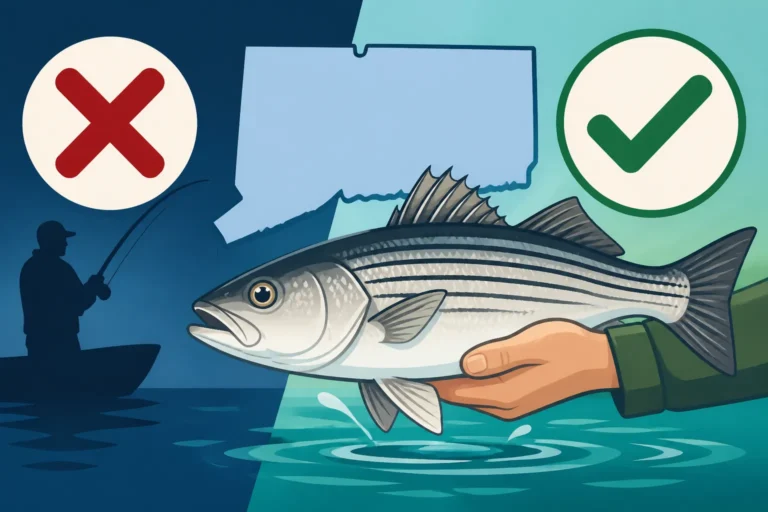
Beyond following the rules, anglers can actively contribute to the health of Long Island Sound in numerous ways. Practicing responsible catch and release, especially for vulnerable or trophy-sized fish, helps ensure future breeding stock. Using proper techniques and tools to minimize harm to released fish, such as de-hookers and knotless nets, makes a real difference. For more insights, articles like Striped bass catch and release survival tips offer valuable advice.
Furthermore, supporting conservation efforts, participating in clean-up days, and reporting any environmental concerns or unusual fish sightings to the Connecticut DEEP are all ways to be an active participant in the Sound's well-being. By taking an interest in the larger ecosystem – from water quality to the health of baitfish populations – we contribute to a vibrant and resilient Long Island Sound where all its unique and iconic fish species can continue to thrive. After all, the joy of fishing here is directly tied to the health of the Sound itself.
Disclaimer
This article is for general informational purposes only and does not constitute professional advice. Laws, prices and regulations vary by location and change over time. Consult a qualified professional for guidance on your specific situation.