Float Fishing the Farmington River
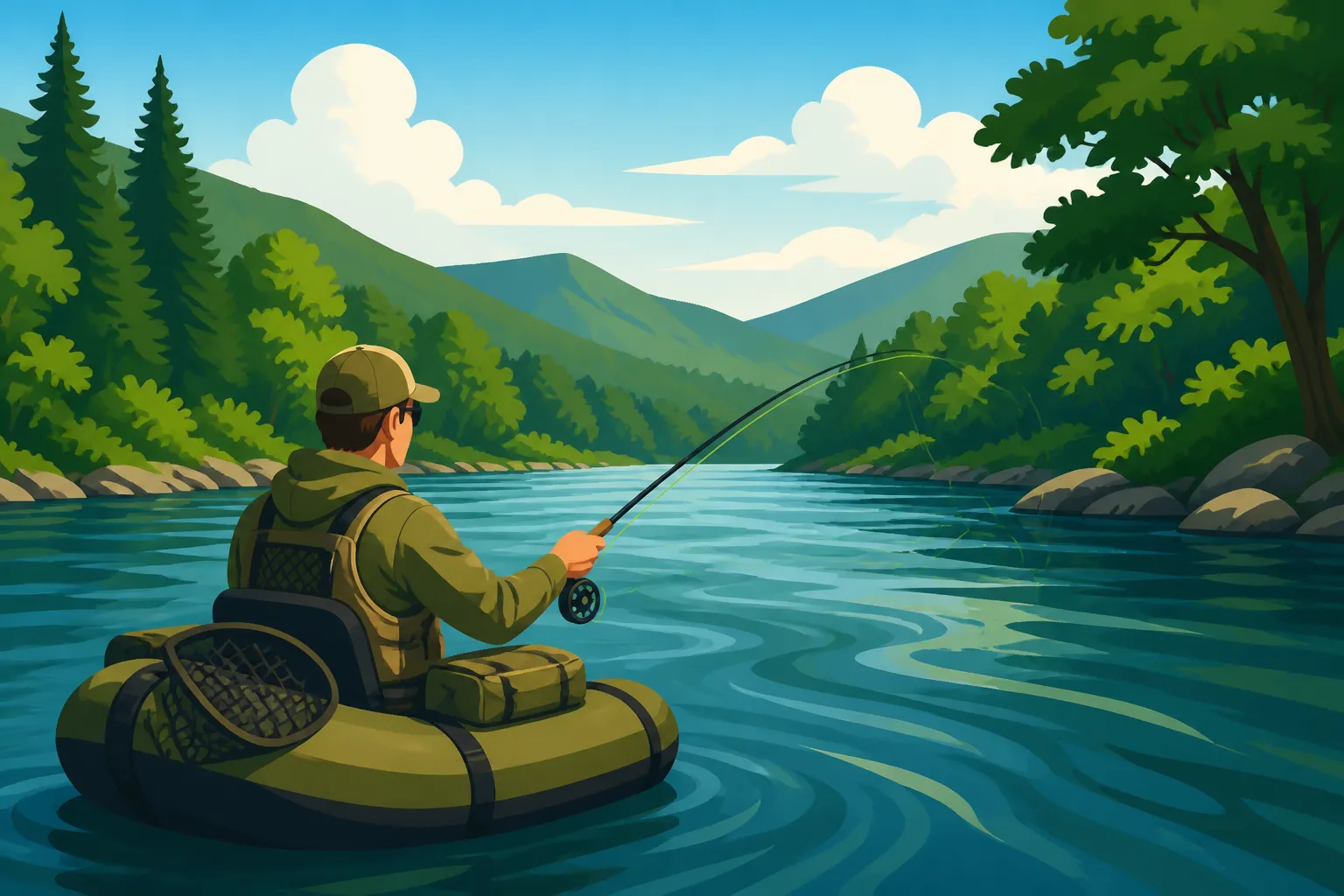
Fishing the Farmington River can be incredibly rewarding, but let's be honest, it can also be downright frustrating if you're not approaching it with the right tactics. The constantly changing flows, the sheer number of trout (both wild and stocked), and the sometimes finicky nature of these fish can leave even experienced anglers scratching their heads. This comprehensive guide is here to unravel the mysteries of float fishing on the Farmington, helping you achieve that perfect drift and connect with more trout, regardless of the conditions.
Understanding the Farmington River's Unique Character
The Farmington River, particularly its West Branch, is a gem in Connecticut's angling crown, but it's far from a one-size-fits-all fishery. Its character shifts dramatically depending on where you are, the time of year, and even the daily dam releases from the Goodwin Dam. Understanding these nuances is the first step to successful float fishing. It's not just about tossing a line in; it's about anticipating how the river will behave and how the fish will react.
The West Branch and its Distinctive Flow
The West Branch of the Farmington River, stretching from the Goodwin Dam downstream, is famous for its cold, consistent flows, which are largely regulated by the bottom-release dam. This means the water stays cold even in summer, creating an ideal environment for trout. However, "consistent" doesn't mean "static." Water levels can fluctuate daily with power generation schedules, turning a gentle riffle into a roaring torrent or reducing a deep run to a trickle. These changes significantly impact where fish hold and how you need to present your float. For example, when the river is running high and fast, trout often tuck into slower seams closer to the bank or behind larger boulders, seeking refuge from the main current. Conversely, during low flows, they might spread out into broader, shallower runs, becoming more wary. Knowing the flow patterns, often published by the Connecticut DEEP or through services like USGS stream gauges, is crucial before you even tie on your first fly. These regulated flows also allow for year-round fishing opportunities, though your tactics will need to evolve with the seasons.
Wild Trout vs. Stocked Trout Behavior
The Farmington River boasts a healthy population of both wild brown trout and brook trout, alongside numerous rainbow trout and brown trout stocked by the state. This mix means you're dealing with different behaviors and preferences. Stocked trout, especially those recently introduced, tend to be less wary and more opportunistic. They'll often take a wider variety of offerings and might be found in more obvious spots, like the heads of pools or directly in slower runs. You might find them concentrated in areas designated as "stocking points." On the other hand, wild trout are often much more elusive and selective. They've survived multiple seasons, grown wary of anglers, and typically hold in prime, often harder-to-reach lies that offer both protection and a steady food supply. When float fishing, you'll need to employ a more natural, drag-free drift and pay closer attention to subtle takes when targeting these experienced residents. Understanding the differences in their behavior helps you tailor your approach, from fly selection to presentation. For detailed information on stocking, you might want to read our guide on Connecticut Trout Season and Stocking Rules.
Key Holding Water Features
Trout, like real estate agents, are all about "location, location, location." They seek out spots that provide a comfortable current, access to food, and protection from predators. On the Farmington, these key holding water features are plentiful. Look for current seams where fast and slow water meet, creating a natural food delivery lane. These are often found along river bends, behind large rocks or fallen trees, or at the edges of deeper pools. Deeper runs with a moderate current are also prime, especially those with some bottom structure like submerged rocks or gravel beds. Riffles, the shallower, faster sections, are oxygen-rich and often hold smaller trout or larger trout actively feeding on emerging insects. Conversely, the deeper, slower pools offer refuge and can hold larger, more cautious fish, especially during bright daylight hours. When float fishing, your goal is to identify these features and present your float rig so that your bait or fly drifts naturally through the most promising parts of these lies.
Essential Gear for Farmington River Float Fishing
Float fishing on the Farmington isn't just about the rod and reel; it's about a complete system that works together to deliver a natural presentation. Cutting corners on gear can lead to missed bites and frustrating tangles. Think of it as putting together a precision instrument—each component has a crucial role. You might find a lot of what you need on Amazon, from specialized floats to quality leader material.
Rod, Reel, and Line Selection
For float fishing on the Farmington, your rod choice is paramount. You'll want a rod that's sensitive enough to detect subtle takes but has enough backbone to handle larger trout in a strong current. Many anglers prefer longer rods, typically 9 to 11 feet, in a light to medium-light action (e.g., 2-5 weight for fly rods, or a light spinning rod). The extra length provides better line control, allowing for longer, more precise drifts and easier mending of your line to prevent drag. A soft tip is crucial for protecting light tippets and absorbing the shock of a strike without breaking off. For reels, a good quality fly reel with a smooth drag is essential, especially for larger fish. If you're using a spinning setup, a sensitive, light-action spinning reel with smooth drag is also important. As for line, specialized float lines for fly fishing are designed to float high on the water, making mending easier. For spinning setups, a low-stretch monofilament or a thin, brightly colored braided line with a fluorocarbon leader can offer good visibility and sensitivity.
Choosing the Right Float or Indicator
The float, or strike indicator, is your eyes on the water. It needs to be sensitive enough to show the slightest take, yet buoyant enough to support your chosen weight and bait/fly. On the Farmington, where conditions vary, having a few different types is a smart move.
| Float Type | Description | Best Use Case | Pros | Cons |
|---|---|---|---|---|
| Pinch-On Foam | Small, lightweight foam cylinders that clip onto your leader. | Low, clear water; shallow runs; very subtle presentations; small flies. | Very sensitive, adjustable, minimal splash. | Can slip on leader, less buoyant for heavier rigs, can damage line. |
| Balloon-Style | Round or oval, air-filled plastic or foam indicators. | Moderate to fast currents; deeper water; larger flies/baits. | High buoyancy, excellent visibility, easy to spot from a distance. | Can be bulky, more wind resistance, less sensitive for light takes. |
| Sighter/Yarn | Treated yarn or specific sighter material knotted onto the leader. | Extremely stealthy presentations; technical water; very shy fish. | Super sensitive, no splash, very natural drift. | Harder to cast, lower buoyancy, can get waterlogged. |
| Slip Floats | Designed to slide up and down your line, controlled by a bobber stop. | Very deep water; when exact depth needs frequent adjustment; longer casts. | Can fish any depth, casts easily (weight at bottom). | More complex rigging, bobber stops can slip, less sensitive for some. |
For most Farmington River situations, pinch-on foam or small balloon-style indicators work wonders. The pinch-on types, often available from brands like Thingamabobber (you can find these on Amazon), are fantastic for their adjustability and minimal disturbance. However, for deeper pools or faster runs, a more buoyant balloon-style or even a slip float might be necessary to keep your offering in the strike zone. You also need to consider visibility. Bright colors like orange, chartreuse, or pink are popular for good reason—they're easy to see in various light conditions against the river's backdrop.
Terminal Tackle and Essential Accessories
Your terminal tackle is where the rubber meets the road, or more accurately, where the fly meets the fish. For float fishing, this includes leaders, tippet, split shot, and a variety of flies or baits. A tapered leader, usually 7.5 to 9 feet, helps turn over your rig effectively. Attach a section of fluorocarbon tippet (typically 4x to 6x, depending on water clarity and fish size) to your leader. Fluorocarbon is less visible to fish underwater and sinks faster than monofilament, which is a big advantage when trying to get your nymphs or baits down quickly.
Split shot, often small, soft lead or tungsten weights, are crucial for getting your offering to the correct depth and achieving a natural drift. You'll need an assortment of sizes, from tiny BBs to larger pieces, to adapt to different currents and depths. Place split shot above your fly or bait, strategically spaced to allow your offering to tumble naturally. For flies, a selection of nymphs (e.g., Pheasant Tails, Hare's Ears, Caddis Larva, Squirmy Wormies) in various sizes and colors is essential. The Farmington's trout are often keyed into subsurface insects. For bait, small PowerBait eggs, worms, or mealworms can be very effective, especially for freshly stocked trout. Don't forget a pair of forceps or hemostats for hook removal, a net (preferably rubberized to protect fish), and a good pair of polarized sunglasses to help you spot fish and submerged structure.
Mastering Float Fishing Techniques on the Farmington
Float fishing might seem straightforward – put a float on, add a bait, cast it out. But to truly master it on a dynamic river like the Farmington, it requires finesse, observation, and an understanding of how to make your offering look as natural as possible. The trout here are smart, and any unnatural drag or presentation will likely be ignored.
The Perfect Drift: Achieving a Natural Presentation
The absolute cornerstone of successful float fishing is achieving a drag-free drift. This means your float, weights, and bait/fly are all moving at the exact same speed as the current, without any unnatural pulling or "skating" across the surface. When your fly or bait drifts naturally, it mimics a free-floating insect or piece of food, making it irresistible to trout.
To achieve this, cast slightly upstream and across the current from your target zone. As soon as your float lands, immediately begin "mending" your line. Mending involves lifting your rod tip and flipping any slack line upstream, effectively putting a belly of line above your float. This compensates for the faster surface currents that would otherwise drag your float faster than your subsurface offering. You'll need to continuously mend throughout the drift, adjusting for changes in current speed. Watch your float intently. If it's speeding up or slowing down unnaturally, it's a sign of drag. Practice makes perfect here. The better you mend, the more fish you'll catch. Also, position yourself strategically: often, fishing from slightly upstream and casting slightly downstream gives you a longer, more controlled drift. If you're struggling, a longer rod, as discussed earlier, can make a huge difference in achieving this perfect drift.
Nymphing Under an Indicator: Subsurface Success
Nymphing under an indicator is arguably the most productive float fishing technique on the Farmington, especially given the trout's preference for subsurface insects. Most of a trout's diet consists of nymphs, larvae, and pupae drifting along the bottom. Your goal is to get your nymph to that depth, drifting naturally.
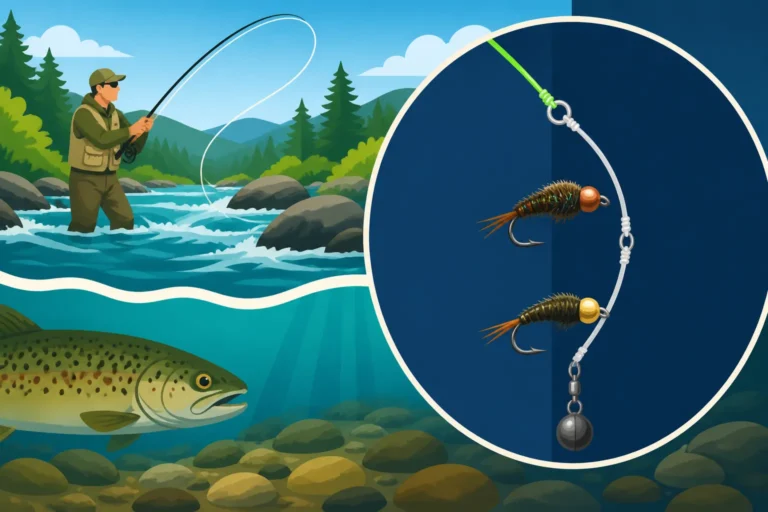
Start by setting your indicator to a depth roughly 1.5 times the water depth you expect to fish. This allows your nymph to sink close to the bottom where trout are feeding. Use enough split shot to get your nymph down quickly, but not so much that it causes an unnatural plunge or snags constantly. Often, a few small split shot spaced a few inches apart on the tippet above your nymph works better than one large one, creating a more distributed and natural sink. Cast upstream and across, mend your line to maintain a drag-free drift, and watch your indicator like a hawk. Any hesitation, dip, or sudden movement of the indicator—even a slight pause—can signal a take. Don't second-guess it; set the hook with a sharp, upstream sweep of your rod. The Farmington is a prime spot for this technique, particularly in its numerous riffles and runs. You might find our guide on Fly Fishing for Trout in Connecticut helpful for more advanced nymphing strategies.
Dry-Dropper with a Float: Versatility for Varying Conditions
While not strictly "float fishing" in the traditional sense, a dry-dropper rig can effectively use the dry fly itself as a "float" or indicator, offering a versatile approach, especially when trout are looking both up and down. This rig consists of a buoyant dry fly (the "dry") tied to your main leader, with a length of tippet (the "dropper") tied off the bend of the dry fly's hook, leading to a nymph or a small emerger.
The dry fly acts as your visible indicator, signaling subtle takes on the subsurface dropper. When a fish takes the dry, it's obvious. When it takes the nymph, the dry fly will dip, dart, or disappear. This setup is incredibly effective when there are occasional insect hatches, and trout might be rising sporadically, but the bulk of their feeding is still below the surface. On the Farmington, especially during periods of mixed hatches (like caddis in the evening and nymphs during the day), a dry-dropper can cover both bases. The key is to choose a dry fly that's buoyant enough to support your nymph without sinking. Larger, high-riding patterns like Chubby Chernobyls, Stimulators, or foam beetles work well as the "indicator" dry. Adjust the length of your dropper tippet based on the water depth you're targeting with the nymph. This setup offers incredible versatility for those days when you're not quite sure what the trout are feeding on.
Reading the River: Locating Trout in the Farmington
You can have the best gear and perfect technique, but if you're not putting your fly or bait where the fish are, you're just practicing casting. Learning to "read the river" is a skill developed over time, but there are clear signs and structures on the Farmington that scream "trout." It's about understanding how water flow and structure create ideal habitats.
Identifying Riffles, Runs, and Pools
Every river, and certainly the Farmington, is a dynamic series of interconnected habitats: riffles, runs, and pools. Knowing what to look for and how fish use them is fundamental.
- Riffles: These are shallower, faster sections of river with turbulent, broken water. They are highly oxygenated and often where aquatic insects hatch, making them prime feeding grounds. Trout in riffles typically hug the bottom, darting up to intercept drifting food. When float fishing a riffle, use enough weight to get your offering down quickly but not so much that it constantly snags. Focus on the seams just downstream of larger rocks or depressions where the current slows slightly, creating a brief feeding lie.
- Runs: Runs are typically deeper than riffles, with a more consistent, moderate current. They are classic holding water for trout of all sizes. Look for variations in depth, submerged rocks, and current seams within a run. Trout will often position themselves in the "sweet spot" of a run, where food is abundant, but the current isn't so strong that they expend too much energy. Long, drag-free drifts are paramount in runs, as fish have more time to inspect your offering.
- Pools: Pools are the deepest, slowest sections of the river, often found on the outside bends or downstream of significant obstacles. They offer refuge, especially during high sun or cold weather. Larger, more elusive trout often reside in pools. When float fishing pools, aim for the deeper sections, particularly near any structure like fallen trees or undercut banks. Pay attention to the "head" of the pool where the run flows in, as this is a natural feeding lane, and the "tailout" where the water shallows out and accelerates again. In deeper pools, a slip float can be invaluable for reaching the fish effectively without snagging your rig on the bottom.
Seams, Eddies, and Structure
Beyond the broad categories of riffles, runs, and pools, trout on the Farmington will gravitate to specific micro-habitats within these areas, often created by subtle changes in current or physical structure.
- Current Seams: These are the invisible highways of the river. A current seam is where two different current speeds meet, creating a defined line on the water. Food often funnels down these seams, making them prime ambush points for trout. Look for them along the edges of faster currents, behind rocks, or where a tributary joins the main river. Your float rig needs to drift perfectly within these seams to be effective.
- Eddies: Eddies are areas of reverse or swirling current, often found downstream of large obstructions like boulders, logs, or bridge abutments. They offer a comfortable, low-energy spot for trout to hold while waiting for food to cycle through. The downside for anglers is that eddies can make achieving a drag-free drift challenging. You'll need precise mending and potentially a shorter leader to keep your fly in the sweet spot of the eddy.
- Structure: Anything that breaks the current or offers cover is structure. This includes large rocks, fallen trees (logjams), undercut banks, submerged vegetation, and even bridge pilings. Trout use structure for protection from predators, shelter from strong currents, and as ambush points for feeding. When float fishing, always target areas around structure. Cast your float rig upstream of the structure and let it drift naturally alongside or directly through it. Be prepared for snags, but also be prepared for a solid hook-up, as these are often prime lies for larger, more elusive fish. For navigating these tricky spots safely, you might find our guide on Wading Techniques for Connecticut Trout Streams helpful.
Understanding Current Speed and Depth
The Farmington River's currents can vary wildly, sometimes even within a few feet. Your ability to adjust to these changes in speed and depth is critical. Fast currents require more weight to get your fly down quickly and careful line control to prevent drag. Slower currents might mean less weight is needed, and you need to pay closer attention to very subtle takes.
Depth is equally important. Trout will hold at different depths depending on water temperature, light conditions, and insect activity. In bright sun, they might hug the bottom in deeper water. On overcast days or during hatches, they might rise higher in the water column. You'll need to constantly adjust the depth of your float and the amount of split shot. Start by sounding the depth with a heavily weighted rig (without a hook, to avoid snags) to get a general idea. Then, set your float accordingly, usually starting with your nymph or bait just ticking the bottom. If you're not getting bites, try adjusting the depth by six inches to a foot at a time, gradually working through the water column. The trout will tell you what depth they prefer. Don't be afraid to experiment, especially when fishing new sections of the river.
Seasonal Considerations for Float Fishing the Farmington
The Farmington River is a year-round fishery, but the fish's behavior and your most effective techniques will change dramatically with the seasons. What works wonders in April might be a complete bust in August. Adapting your float fishing strategy to the prevailing conditions is key to consistent success.
Spring Flows and Opening Day Strategies
Spring on the Farmington is characterized by higher, often colder flows, especially with snowmelt and spring rains. This is when the river truly comes alive with insect activity and, of course, the highly anticipated trout stocking program. Opening Day in Connecticut is practically a holiday for many anglers, and the Farmington sees a lot of pressure.
During early spring, especially around Connecticut Spring Fishing Day and Opening Day Rules, trout (both stocked and holdovers) are typically very active and feeding aggressively. The colder water means they often hold close to the bottom, seeking thermal comfort and ambushing food drifting past. Float fishing with heavier nymphs or bait becomes extremely effective. Patterns like Squirmy Wormies, egg patterns, or larger stonefly imitations can be deadly. If you're using bait, PowerBait in bright colors like chartreuse or orange, or good old nightcrawlers, are often irresistible to freshly stocked fish. Focus your efforts on the slower edges of runs, deeper pools, and areas where stocked fish are known to congregate. You'll need more split shot to get your offering down through the higher flows, and mastering that drag-free drift is even more crucial. Don't forget your waders and cold-weather gear – spring mornings on the Farmington can be bone-chilling.
Summer Lows and Challenging Conditions
Summer can be the most challenging time to float fish the Farmington, but it's not impossible, especially on the cold, regulated West Branch. As air temperatures rise, water levels often drop, and the water becomes clearer. Trout become much warier and more selective. The key is to adapt to these lower, clearer conditions.
During the summer, trout will often move into deeper, cooler pools or seek refuge in shady, oxygenated riffles during the brightest parts of the day. Early mornings and late evenings become prime fishing times. You'll need to scale down your leader and tippet size (e.g., 5x or 6x fluorocarbon) and use smaller, more imitative nymphs. Patterns like small Pheasant Tails, Hare's Ears, or tiny caddis pupae are good choices. Stealth becomes paramount; approach your fishing spots quietly, minimize wading, and make accurate, soft casts. Look for fish feeding in shaded areas, beneath undercut banks, or in the oxygenated water at the heads of pools. Sometimes, a dry-dropper rig, where the dry fly acts as a subtle indicator for a small nymph below, can be very effective as fish might occasionally look up. For specific challenges, our guide on Best Techniques for High Water Spring Conditions or Best Techniques for Low Clear Water Conditions can provide more detailed advice.
Fall Fishing and Spawning Browns
Autumn on the Farmington is a magical time. The foliage turns brilliant, and the brown trout begin their annual spawning migration. While it's important to respect spawning fish, fall can offer some of the best float fishing of the year for actively feeding trout. Water temperatures cool, flows stabilize, and trout become more active, packing on weight for the colder months.
During fall, particularly from late September through November, larger brown trout begin to move into shallower, gravelly areas to spawn. While it's crucial not to target actively spawning fish on their redds (gravel nests), "pre-spawn" and "post-spawn" trout can be extremely aggressive. They'll be feeding heavily to build energy or recover. Streamer patterns, larger nymphs, and egg patterns (especially if salmon are also spawning upstream) can be very productive under a float. Focus on deeper runs, the edges of pools, and current seams that lead into or out of known spawning areas. Rainbow and brook trout are also actively feeding during this time. The cooler, consistent flows make for excellent nymphing conditions, and you might encounter strong hatches of blue-winged olives, making dry-dropper rigs highly effective. Remember to check Connecticut Trout Management Area Regulations for specific rules regarding catch and release, especially for areas where brown trout are spawning.
Safety and Etiquette on the Farmington River
Fishing the Farmington is an incredible experience, but it comes with responsibilities. Safety should always be your top priority, especially given the river's dynamic nature, and respecting the river and your fellow anglers ensures everyone can enjoy this precious resource.
Wading Safety and Cold Water Awareness
The Farmington River can be deceptive. What looks like a gentle flow can hide powerful currents and slippery, irregular bottoms. Wading safety is paramount. Always use a wading staff for stability, especially if you're exploring new sections or in higher flows. Good quality studded or felt-soled wading boots are essential for traction on the often-slick riverbed. Always wade cautiously, testing the bottom with your staff before committing your weight.
Beyond the physical challenges, cold water is a serious hazard. Even on sunny days, the Farmington's regulated flows can keep water temperatures dangerously low, particularly from fall through late spring. Hypothermia is a real risk. Always wear appropriate layering, and consider a PFD (personal flotation device) if wading in deeper, faster water. Knowing the Connecticut Cold Water Life Jacket Rule (October to May) is crucial; it states that anyone on a canoe, kayak, or paddleboard must wear a life jacket, and while not strictly enforced for waders, it's a good reminder of the danger cold water poses. If you fall, the consequences in cold water can be severe and rapid. Tell someone where you're going and when you expect to return. Being prepared could save your life.
Respecting Property and Fellow Anglers
The Farmington River flows through both public and private land, and respecting property rights is non-negotiable. Always know whether you're on public access land or if you need permission to access certain stretches. Many areas along the Farmington are clearly marked, and it's essential to abide by these signs. Trespassing not only creates issues for you but also jeopardizes future access for all anglers.
Furthermore, respect for your fellow anglers is a cornerstone of responsible fishing. The Farmington can get crowded, especially on weekends and during prime seasons. Maintain a reasonable distance from other anglers – a rule of thumb is at least 50-100 feet, or enough space that you won't interfere with their fishing. Don't crowd someone's fishing spot or cast over their line. If you see someone catching fish, don't immediately move into their spot without asking or giving them ample room. Pack out everything you pack in, and leave no trace behind. This includes tangled line, snack wrappers, and especially discarded split shot or broken indicators. By being considerate, we all help preserve the pleasant atmosphere of the Farmington.
Practicing Responsible Catch and Release
The Farmington River's healthy trout populations, especially its wild browns, depend heavily on responsible catch-and-release practices. Many sections of the river, particularly the Trophy Trout Management Areas, have specific regulations requiring catch and release or limiting harvest. Always check the current Connecticut Fishing Regulations Explained before you go, and understand the Connecticut Trout Limit and Possession Rules.
Even when harvest is permitted, consider practicing catch and release, especially for larger, wild-spawned fish, to help maintain the fishery. If you do catch a fish you intend to release:
- Minimize handling: Try to keep the fish in the water as much as possible.
- Wet hands: Always wet your hands before touching a fish to protect its protective slime coat.
- Remove hook quickly: Use forceps or pliers to quickly remove the hook. If the fish is deeply hooked, snip the line as close to the hook as possible; the hook will often rust out.
- Revive gently: Hold the fish upright in the current, facing upstream, until it can swim away under its own power. Don't pump it back and forth; this can actually force water over its gills in the wrong direction.
By following these guidelines, we ensure that the Farmington River remains a vibrant and productive trout fishery for generations to come.
Disclaimer
Fishing laws and regulations, including license requirements, season dates, and catch limits, can change frequently. The information provided in this guide is for general informational purposes only and may not be the most up-to-date. It is the sole responsibility of the angler to consult the latest official Connecticut Department of Energy and Environmental Protection (DEEP) fishing regulations before engaging in any fishing activities. Failure to comply with current regulations can result in fines or penalties.