Fishing after a heavy rain on Connecticut rivers
Heavy rains can transform your favorite Connecticut fishing spots from tranquil havens into raging, murky torrents. This dramatic shift often leaves anglers scratching their heads, wondering if their planned outing is even worth it. But don't despair! This comprehensive guide will demystify the impact of heavy rainfall on Connecticut rivers, reveal how fish adapt to these challenging conditions, and equip you with the best strategies, baits, and crucial safety tips to ensure you can still enjoy a productive and secure fishing trip, even when the waters are high and off-color.
Understanding River Dynamics After a Heavy Rain
When the skies open up, it’s not just a little extra water making its way into our rivers. It's a fundamental change in the entire aquatic environment. These changes dictate where fish will be, what they’ll be willing to eat, and how you’ll need to adjust your approach.
The Immediate Impact: Murky Waters and Increased Flow
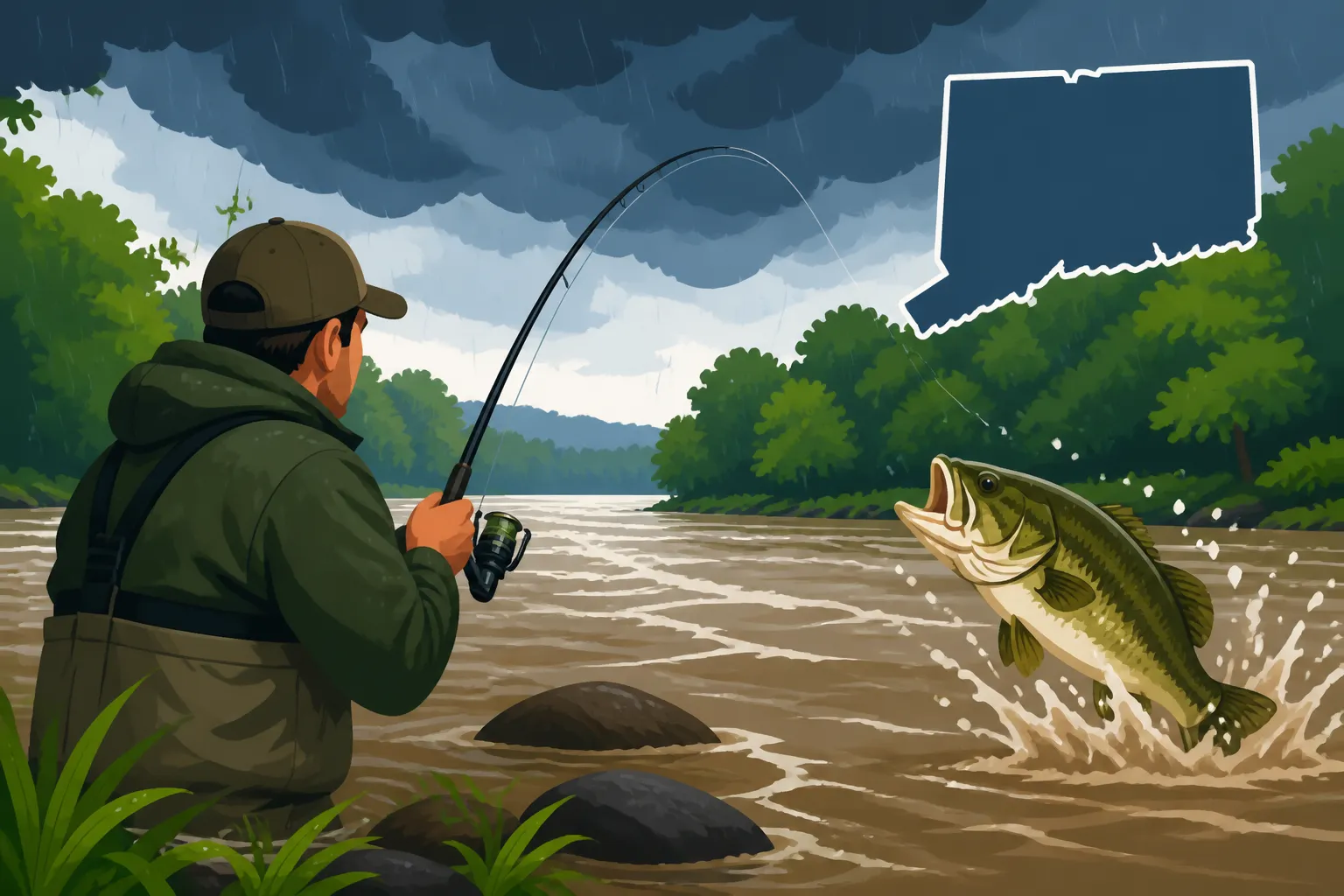
One of the most obvious effects of a downpour is the dramatic increase in water volume, leading to faster currents and significantly reduced water clarity. As rainwater rushes over land, it picks up sediment, soil, and organic matter, washing it all into the river system. This turns the water a cloudy, often brown or tan color, sometimes aptly described as "chocolate milk." This murkiness is a game-changer for sight-feeding fish, making it harder for them to spot their prey, and thus, harder for them to spot your lure.
Rivers like the mighty Connecticut River or even smaller, historically clear streams such as the upper Farmington River can swell significantly, transforming into powerful forces of nature. The current intensifies, making it incredibly difficult for fish to hold their position in the main channel. They're built for efficiency, and fighting a constant, powerful current expends too much energy. This forces them to seek refuge in calmer waters, which is a key piece of information for anglers. Imagine trying to run a marathon on a treadmill set to full speed – fish feel similarly about excessive current, and they'll look for a break.
Temperature Shifts and Debris Accumulation
Rainfall isn't just about adding water; it also brings its own temperature. If a heavy rain falls during a hot summer spell, the cooler rainwater can actually drop the river's overall temperature. This can sometimes trigger fish activity, especially for species that prefer cooler water, like trout, after a prolonged heatwave. Conversely, if it's freezing cold and the rain is warmer than the ambient air, it might slightly raise the water temperature, which can also be beneficial in the winter months. These subtle shifts can influence fish metabolism and comfort levels, affecting how active they are.
Beyond temperature, heavy rains are excellent at dislodging all sorts of natural and unnatural debris. We're talking about leaves, branches, twigs, and sometimes even larger logs being washed into the river. This debris can be a double-edged sword for anglers. On one hand, it creates new snags and hazards that can lead to lost tackle. On the other hand, it provides additional cover and ambush points for fish. What looks like a mess to us might look like a prime hunting ground to a savvy smallmouth bass or a lurking brown trout. These new pieces of structure can concentrate baitfish, which, in turn, attracts larger predatory fish. Understanding these dynamics is crucial for anyone fishing after a heavy rain on Connecticut rivers.
Strategic Approaches to Finding Fish in High Water
When the river is swollen and murky, blindly casting into the middle is usually a recipe for frustration. Instead, you need to think like a fish and actively seek out the places where they'll be hiding from the current and looking for food.
Targeting Slack Water and Current Breaks
Fish are always looking for the path of least resistance, especially when the river is raging. This means they’ll move out of the main, fast-moving current and seek refuge in areas of "slack water" or "current breaks." These spots offer a respite from the exertion of fighting the flow and often become prime feeding grounds because they concentrate disoriented baitfish and insects.
Key areas to target include:
- Eddies: These are swirling pockets of calmer water, usually found downstream of large obstacles like big rocks, bridge pilings, or fallen trees. The current creates a circular flow that pushes bait into these areas. Trout and smallmouth bass, particularly, love to sit at the seam where the fast water meets the slower eddy, darting out to grab anything that drifts by.
- Behind Large Structure: Any significant object in the water, whether it's a massive boulder, a cluster of sunken logs, or the concrete abutments of a bridge, creates a calm spot directly downstream. Fish will tuck into these sheltered zones.
- Inside Bends: As a river snakes its way downstream, the current is always strongest on the outside of a bend. The inside of a bend, where the water flows more slowly and often creates deeper scour holes, becomes a natural sanctuary. These areas can be incredibly productive for species like the smallmouth bass, a staple for those enjoying Smallmouth Bass Fishing in Connecticut.
- Backwaters and Flooded Banks: Heavy rains can push water over the normal riverbanks, flooding adjacent fields or wooded areas. These newly flooded zones offer excellent cover and new feeding opportunities. Fish will move into these areas to forage for worms, insects, and other creatures washed in from the land. This is a tactic often employed when understanding Best Techniques for High Water Spring Conditions.
Remember, fish will hug these structures and calm seams extremely tightly. Your presentation often needs to be right on their nose, so making precise casts to these specific targets is essential. For those who wade, understanding Wading Techniques for Connecticut Trout Streams becomes even more critical in these conditions.
Focusing on Tributary Mouths and Overlooked Edges
Another prime location after a heavy rain is the mouth of a tributary where it flows into the main river. Often, these smaller feeder streams clear up faster than the main river, bringing in a plume of clearer water and fresh nutrients. This contrast in water clarity and the influx of new food sources can be a magnet for fish. Predatory fish will often stage themselves at the seam where the clearer tributary water meets the murky main river, ambushing baitfish that hesitate at the boundary. This is particularly effective on larger river systems like the Housatonic River Fishing Guide or the Connecticut River Striped Bass Fishing.
Don't overlook the very edges of the river, either. When the current is strong, fish will often move into inches-deep water right against the bank, especially if there's overhanging vegetation, submerged brush, or other cover. This provides not only a break from the current but also a direct source of terrestrial insects and worms washed into the water. This strategy can be highly effective for trout in smaller streams, such as those covered in the Farmington River West Branch Trout Fishing guide. Often, anglers focus on deeper channels or mid-river structure, completely missing the fish that are literally at their feet along the shoreline. A stealthy approach and careful casts parallel to the bank can pay huge dividends.
Lure and Bait Selection for Post-Rain Conditions
With visibility severely limited after a heavy rain, fish rely less on sight and more on other senses – namely, their lateral line (which detects vibrations) and their sense of smell. Your lure and bait choices should reflect this shift.
The Power of Scent and Vibration
When the water turns murky, the visual appeal of a lure diminishes significantly. This is where baits and lures that excel in scent and vibration come into their own.
- Natural Baits: Live or cut natural baits are incredibly effective because they provide a powerful scent trail that fish can follow even in zero visibility.
- Worms: Nightcrawlers or garden worms are classics for a reason. Their natural scent and wriggling action are irresistible. Drifting them along current breaks or under structure can be deadly for trout, bass, and even panfish.
- Shiners/Minnows: Live baitfish, if legal and available, emit natural distress signals and scent that predatory fish can home in on.
- Cut Bait: For larger species like striped bass in the Connecticut River, chunks of bunker or mackerel release a strong oil slick and scent trail that can draw fish in from a distance.
- Vibrating Lures: These lures are designed to displace a lot of water, sending strong vibrations through the water that fish can detect with their lateral line.
- Spinnerbaits: The spinning blades create flash and intense vibration, making them highly effective for bass in off-color water.
- Chatterbaits: These lures combine a jig head with a vibrating blade, producing a unique thumping action that fish can't ignore.
- Lipped Crankbaits: Deep-diving crankbaits that wobble aggressively create significant disturbance and can effectively imitate fleeing baitfish. Choose models with rattles for added auditory appeal.
- Darker or Fluorescent Colors: While scent and vibration are key, color still plays a role. In murky water, darker colors like black, blue, or purple often create a stronger silhouette against the lighter sky above. Alternatively, fluorescent colors like chartreuse or orange can sometimes provide just enough contrast to be seen in extremely low light or turbid conditions. For more on this, check out Best Lure Color for Muddy Water Bass Fishing.
When selecting your gear, think about brands that offer these types of lures. You can often find a wide variety of effective spinnerbaits, crankbaits, and soft plastics on platforms like Amazon, ensuring you have the right tools for the job.
Heavier Gear and Presentation Adjustments
The increased current after a heavy rain often necessitates a change in your tackle and presentation. Lighter lines and weights will simply be swept away before they can reach the strike zone.
- Heavier Weights: You'll need more weight to get your bait or lure down to the fish, especially if they're holding tight to the bottom in deeper pockets or eddies. Don't be afraid to go up a size or two in sinkers or jig heads.
- Stronger Lines and Hooks: The combination of strong currents, potential snags from increased debris, and the chance of hooking larger, more active fish means your gear needs to be up to the task. Consider slightly heavier monofilament or braid, and always check your knots meticulously.
- Slower, More Methodical Retrieves: Fish in high, turbid water are often less aggressive and have less time to react to fast-moving presentations. A slower retrieve, pausing your lure to let it flutter or sink, can give fish the extra moment they need to locate and strike. For natural baits, allow them to drift naturally with the current into slack water, mimicking a dislodged meal. This patient approach can make a significant difference, particularly when targeting Trout Fishing in Connecticut.
| Condition After Rain | Fish Behavior | Recommended Lure/Bait Type | Example Lures/Baits |
|---|---|---|---|
| High, Murky Water | Seek slack water, rely on vibration/scent | Vibrating lures, natural bait | Spinnerbaits, Chatterbaits, Nightcrawlers |
| Increased Current | Hug structure, avoid main flow | Heavier jigs, bottom rigs | Heavy jig heads with soft plastics |
| Cooler Temperatures | Slower metabolism, less aggressive | Slower retrieves, scent-infused baits | PowerBait, scented soft plastic worms |
| Debris & Structure | Use as cover, ambush points, disoriented bait | Weedless lures, bottom bouncing rigs | Jig 'n' pig, Texas-rigged worms |
Essential Safety and Equipment Checks for High Water Fishing
While chasing fish after a storm can be rewarding, it's also inherently more dangerous. Elevated water levels and swift currents pose serious risks that must be respected. Your safety, and the safety of anyone fishing with you, should always be the absolute top priority.
Prioritizing Personal Safety in Swollen Rivers
Never underestimate the power of moving water. What looks like a manageable current from the bank can quickly sweep you off your feet.
- Never Wade Alone: This is a golden rule in any wading situation, but it becomes critical in high water. If you slip or get into trouble, having another person there can be a lifesaver.
- Use a Wading Staff: A sturdy wading staff provides a crucial third point of contact and allows you to probe the bottom ahead of you, detecting drop-offs or unstable footing. It's an indispensable tool for maintaining balance in swift currents.
- Avoid Crossing Fast, Deep Currents: If the water is above your knees and moving swiftly, do not attempt to cross. Even strong swimmers can be quickly overcome. Look for safer, shallower crossings or simply choose a different spot.
- Wear a Personal Flotation Device (PFD): Even if you're only bank fishing near deep, fast-moving water, wearing a PFD or life jacket is a smart precaution. If you accidentally fall in, it could mean the difference between life and death. For boaters, remember that Connecticut Boating Laws for Anglers and Life Jacket Requirements for Connecticut Boaters are non-negotiable, and high water conditions often demand even stricter adherence.
- Check River Gauges and Forecasts: Before you even leave the house, consult online resources like USGS river gauges or local weather forecasts. These can provide real-time information on water levels, flow rates, and impending weather, allowing you to make informed decisions about whether it’s safe to go out. Avoid fishing if a significant secondary storm is expected.
- Be Aware of Debris: As mentioned earlier, heavy rains wash a lot of debris into the river. Be constantly aware of floating logs or branches that could pose a danger to waders or small boats.
Gear for Adverse Conditions
Having the right equipment not only makes your trip more comfortable but also safer and more effective.
- Waterproof and Warm Clothing: Even if it’s not actively raining, lingering dampness and cooler post-storm temperatures can make you uncomfortable quickly. Invest in good quality waterproof outer layers and dress in warm, wicking layers underneath.
- Sturdy Wading Boots with Good Grip: Felt soles or rubber soles with good studding are essential for navigating slippery rocks and uneven bottoms in current. Your footing is paramount to your safety.
- Reliable Headlamp: Shorter days or changing light conditions can mean you’re fishing into dusk or even dawn. A waterproof headlamp with fresh batteries is crucial for visibility and safety, especially when packing up.
- Waterproof Bag or Backpack: Keep your essentials dry! A dry bag or a waterproof fishing backpack (many excellent options are available on Amazon) is vital for your phone, keys, wallet, and any extra layers. Getting caught in a drizzle without a way to protect your electronics is never fun.
- Longer Landing Net: In swift currents, a longer-handled landing net provides better reach and control, allowing you to safely net a fish without having to stretch precariously into the current. This reduces the risk of falling in and also helps ensure a clean release for the fish, especially important when considering Connecticut Fishing Regulations Explained regarding certain species.
- A Valid Connecticut Fishing License: And, of course, always ensure you have a current Connecticut Fishing License Guide for 2026 and are familiar with all relevant regulations before heading out.
Fishing after a heavy rain on Connecticut rivers can be incredibly productive, but it demands respect, preparation, and a keen understanding of the unique conditions. By prioritizing safety and adapting your approach, you can turn a challenging situation into a memorable and successful day on the water.
Disclaimer
The information provided in this guide is for general informational purposes only and does not constitute professional advice. Fishing conditions, regulations, and safety requirements can change rapidly. Always exercise caution, check local weather forecasts, river conditions, and current regulations with the Connecticut Department of Energy and Environmental Protection (DEEP) before engaging in any fishing activities. Personal safety should always be your top priority.