How to Choose a Connecticut Fishing Charter
Choosing a fishing charter in Connecticut can feel like navigating a maze, especially if you're new to the area or just overwhelmed by the sheer number of options out there. It's tough to know who's reputable, what kind of experience you'll actually get, and whether your hard-earned money will lead to a memorable day on the water or just a disappointing boat ride. This guide is here to cut through the confusion, helping you confidently select the perfect Connecticut fishing charter for your next angling adventure, ensuring it aligns with your expectations and delivers the kind of day you've been dreaming of.
Understanding Your Fishing Goals
Before you even start looking at boats or talking to captains, the very first thing you need to do is sit down and honestly think about what you really want out of your fishing trip. Are you a hardcore angler chasing a trophy, or are you hoping for a relaxed family outing where the kids can reel in some panfish? Your goals will significantly narrow down your choices and steer you toward the right type of charter.
What Species Do You Want to Target?
Connecticut offers a fantastic variety of fish, both in its freshwater lakes and rivers, and especially in the rich saltwater bounty of Long Island Sound. Knowing what you want to catch is paramount. If you're dreaming of a battling Striped Bass Fishing in Long Island Sound, you'll be looking for a very different operation than if you're after a delicious Fluke Fishing in Long Island Sound or a challenging Blackfish Tautog Fishing in Connecticut.
For instance, if trophy striped bass are on your mind, you'll want a charter that specializes in them, perhaps focusing on live-lining bunker or targeting specific rips and reefs in the Sound. These captains often have specialized gear, knowledge of seasonal migrations, and techniques geared towards landing those big fish. They'll know the best times and tides. On the other hand, if you're hoping to fill a cooler with some tasty black sea bass or scup, a bottom fishing trip might be more appropriate, and the boats and gear used could be quite different. Don't forget the freshwater options either! Some guides specialize in fly fishing the Farmington or Housatonic Rivers for trout, which is a completely different ballgame than a deep-sea excursion. Be specific about your target species, and don't be afraid to ask captains about their success rates and preferred methods for those particular fish.
Inshore vs. Offshore: Where Do You Want to Fish?
Once you have your target species in mind, the next logical step is to consider where those fish typically reside and, consequently, where you'll be fishing. This will determine whether you need an inshore or offshore charter. The waters of Long Island Sound offer a diverse range of fishing environments, from shallow estuaries to deeper reefs and wrecks.
Inshore fishing usually means staying closer to the coastline, often within sight of land, and targeting species like striped bass, bluefish, fluke, and blackfish in bays, rivers, and nearshore reefs. These trips are generally shorter, less susceptible to rough seas, and can be great for beginners or those prone to seasickness. The boats are typically smaller and more nimble, allowing them to navigate shallower waters. You might find yourself drifting over an oyster bed for fluke or casting along a rocky shoreline for stripers. Many captains specializing in inshore fishing will have intimate knowledge of local currents, bait movements, and specific structures that hold fish.
Offshore fishing, on the other hand, takes you further out into the open waters, sometimes even past Long Island Sound into the open Atlantic, depending on the target species and the duration of the trip. This is where you might chase species like tuna, shark, or mahi-mahi (though these are less common directly off Connecticut than further south). Offshore trips require larger, more robust vessels capable of handling rougher conditions and carrying more fuel. They are typically longer trips, often full-day or even multi-day excursions, and usually come with a higher price tag. The gear is heavier, and the techniques often involve trolling or deep dropping. It's a completely different experience with different challenges and rewards. Make sure the charter you pick is equipped for the type of water you'll be fishing.
Experience Level and Group Dynamics
Consider who you're bringing along and what their comfort levels and expectations are. This isn't just about fishing; it's about the overall experience for everyone.
Are you an experienced angler looking for a challenge, or are you bringing your kids for their very first fishing trip? If it's a family outing, you'll want a charter that is known for being patient, kid-friendly, and perhaps even offers amenities like a comfortable cabin or a restroom on board. A captain who loves teaching and celebrating a child's first catch can make all the difference. Many charters even market themselves specifically as Best Family-Friendly Fishing Charters in Connecticut. Conversely, if you're a seasoned group of buddies looking to grind out a limit of blackfish, you might prefer a more no-nonsense captain focused purely on getting on the fish, perhaps even willing to put in longer hours. Discussing your group's experience level and expectations upfront with the captain is crucial. Some charters are set up for serious anglers with top-of-the-line gear and a focus on technique, while others are more relaxed and cater to a broader audience, providing all the basic instruction needed. Don't assume every charter is the same; a good captain will tailor the experience to your group's needs.
Types of Charters Available in Connecticut
Once you have a clearer picture of your goals, it's time to explore the different formats fishing charters come in. Connecticut offers a variety of options, each with its own advantages, disadvantages, and price point. Knowing these differences will help you choose the best fit for your budget and desired experience.
Private Charters: Exclusivity and Customization
A private charter means you book the entire boat for your group, and only your group. This is often the preferred choice for families, corporate outings, or a group of friends who want an exclusive experience. The biggest advantage here is customization. You get to decide the target species, the fishing grounds (within reason and safety), and the pace of the trip.
Imagine you're celebrating a special occasion, like a birthday or an anniversary, and you want to ensure a personalized experience. With a private charter, the captain and crew can dedicate all their attention to your party. They can offer specific instruction, cater to individual preferences (like focusing on a particular technique or moving spots more frequently), and generally create a more intimate atmosphere. You won't have to worry about strangers on board, differing opinions on where to fish, or battling for prime casting positions. While typically more expensive than shared trips, the value often lies in the quality of the experience and the flexibility it provides. You're effectively hiring a private boat and crew for the duration of your trip. If you're considering a private trip, research options for Best Private Fishing Charters in Connecticut to find highly-rated captains. This flexibility also extends to timing – you might be able to negotiate a slightly earlier or later start time, depending on the captain's schedule and the tides.
Shared or Open Boat Charters: Budget-Friendly Option
Shared charters, also known as "open boat" or "head boat" trips, are a great option if you're fishing solo, with a small group, or on a tighter budget. On these trips, you book a spot (or a few spots) on a larger vessel, and you'll be fishing alongside other anglers who have also booked individual spots.
The main benefit here is the cost-effectiveness. You get access to a professional captain, a well-equipped boat, and potentially some excellent fishing grounds without having to shoulder the entire cost yourself. These boats are generally larger party boats, designed to accommodate more people, and they typically run on a set schedule, targeting common species like black sea bass, scup, or fluke, depending on the season. While you won't get the same level of personalized attention as a private charter, the crew is usually skilled at assisting multiple anglers, untangling lines, and helping with catches. It's also a fantastic way to meet other fishing enthusiasts and share stories. However, be prepared for a less flexible schedule and potentially less input on where and what you'll be fishing for, as the captain will be aiming to put the most fish on the boat for the collective group. If you're new to fishing or just want to get out on the water without a huge financial commitment, a shared trip can be a fantastic entry point. Platforms like FishingBooker often list these types of trips, allowing you to easily compare prices and availability.
Specialist Guides: Fly Fishing and Kayak Trips
Beyond the traditional motorboat charters, Connecticut also boasts a vibrant community of specialist guides catering to niche angling interests. These often focus on unique methods or specific types of waters.
For instance, if you're passionate about Fly Fishing for Trout in Connecticut, you'll find guides who operate drift boats on rivers like the Farmington or Housatonic, offering float trips or wade-in experiences. These guides are experts in entomology, fly selection, casting techniques, and reading river currents. They often provide all the specialized gear, from rods and reels to flies, and can teach you the intricacies of the sport. This is a very different experience than a saltwater charter; it's often more about the art of fishing and the beauty of the natural environment than about filling a cooler. Similarly, the growing popularity of kayak fishing has led to guides who offer guided kayak fishing trips. These trips combine the adventure of paddling with the thrill of fishing, often exploring shallow estuaries or remote coves that larger boats can't access. The guide provides kayaks, paddles, life jackets, and often all the necessary fishing gear. These specialist trips are perfect for anglers looking for a unique, immersive experience, or those wanting to learn a new technique from an expert. Make sure to check if a specific guide has expertise in Best Fly Fishing Guides in Connecticut if that's your interest.
Key Factors When Evaluating a Charter
Now that you know what kind of trip you want, it's time to start evaluating specific charters. This is where you'll need to put on your detective hat and dig into the details. Not all charters are created equal, and a little due diligence upfront can save you a lot of disappointment later.
Captain's Experience and Reputation
The captain is the heart and soul of any fishing charter. Their experience, knowledge, and personality can make or break your trip. You're not just paying for a boat; you're paying for their expertise and ability to put you on fish.
Look for captains with years of experience fishing the specific waters you plan to visit. If you're targeting striped bass in Long Island Sound, you want a captain who knows the seasonal patterns, the best tides, and the secret spots where those fish congregate. Don't be shy about asking about their background: How long have they been chartering? What species do they specialize in? Have they won any local tournaments or been recognized for their angling prowess? A good captain will be happy to share their resume. Beyond just fishing knowledge, a reputable captain will also be safety-conscious, professional, and possess excellent communication skills. They should be able to explain fishing techniques clearly, answer your questions, and adapt to changing conditions. Word-of-mouth recommendations from other anglers are invaluable here, as are online reviews (which we'll cover later). Platforms like FishingBooker allow you to filter charters by species specialization and read detailed captain bios, often highlighting their years of experience and local knowledge.
Boat and Equipment Quality and Maintenance
A charter boat is your fishing platform, and its condition, suitability, and the quality of its equipment directly impact your comfort, safety, and success. You want to ensure the vessel is well-maintained and appropriate for the type of fishing you're doing.
First, consider the boat itself. Is it clean and well-kept? Does it look seaworthy? For offshore trips, a larger, more stable vessel with a good head (restroom) and perhaps some shaded area or a cabin can significantly improve comfort, especially on longer journeys. For inshore or river trips, a smaller, shallower-draft boat might be more effective for getting into tight spots. Next, look at the fishing equipment. Are the rods and reels in good condition? Are they appropriate for the target species? There's nothing worse than showing up to find rusty hooks, frayed lines, or reels that barely function. A reputable charter will invest in quality gear and maintain it meticulously. This means fresh line, sharp hooks, and well-lubricated reels. They should also have a variety of lures, baits, and tackle to adapt to different conditions. Don't hesitate to ask about the specific gear they use. A captain who takes pride in their equipment usually takes pride in their entire operation. This attention to detail extends to safety equipment as well – does the boat have all the necessary Life Jacket Requirements for Connecticut Boaters and other safety gear required by the Coast Guard?
Safety Measures and Licensing
This is non-negotiable. Your safety, and the safety of your group, should be the top priority for any charter captain. A legitimate charter operation will be fully licensed, insured, and adhere to all safety regulations.
First and foremost, ensure the captain holds a valid U.S. Coast Guard (USCG) Captain's License. This isn't just a piece of paper; it signifies that they've undergone rigorous training, passed exams, and have sufficient sea time to operate a commercial vessel safely. Don't ever book with an unlicensed captain; it's not only illegal but also incredibly risky. Ask to see their license if you have any doubts. The vessel itself should also be inspected and comply with all USCG safety requirements, including having enough life jackets for everyone on board (correct sizes included!), flares, fire extinguishers, first-aid kits, and proper navigation and communication equipment. A good captain will also conduct a safety briefing before leaving the dock, explaining where safety equipment is located and what to do in an emergency. They should also monitor weather conditions closely and be willing to cancel or reschedule a trip if conditions are unsafe. No fish is worth risking your life over. It's a good idea to familiarize yourself with Connecticut Boating Laws for Anglers before your trip, even if you're not driving the boat, just to understand the general safety landscape. A transparent captain will be upfront about their credentials and safety protocols.
The Booking Process: What to Ask and Confirm
Once you've identified a few promising charters, it's time to pick up the phone or send an email. The booking process isn't just about securing a date; it's your opportunity to ask clarifying questions and ensure there are no surprises on the day of your trip.
Understanding Pricing, Deposits, and Cancellation Policies
Before you commit, get a clear understanding of the financial aspects of the trip. Charter costs can vary significantly based on duration, type of trip, and number of anglers.
A reputable charter will have a clear pricing structure. Ask for the total cost for your group size and desired trip length (e.g., half-day, full-day, specific hours). Confirm if a deposit is required and what percentage it is. This is standard practice, as it secures your booking and protects the captain from last-minute cancellations. More importantly, inquire about their cancellation policy. What happens if the weather turns sour? What if someone in your group gets sick? Most charters have policies for weather-related cancellations (typically a full refund or reschedule option if the captain deems conditions unsafe) and client cancellations (often a loss of deposit if within a certain timeframe). Don't just assume; get it in writing or confirm verbally and remember the key details. Transparency around these policies is a sign of a professional operation. You can learn more about general expenses in a Connecticut Fishing Charter Cost Guide. Make sure you understand how many people are included in the base price and if there are extra fees for additional anglers beyond a certain number.
What's Included and What You Should Bring
This is another critical area where assumptions can lead to frustration. Don't assume anything is included; ask for a detailed list.
Many charters include rods, reels, bait, tackle, and sometimes even a cooler with ice for your catch. Some might even provide a blanket fishing license for the entire boat, meaning you don't need to purchase an individual Connecticut Fishing License Guide for 2026 for that specific trip (though it's always wise to clarify this and check regulations yourself). However, some charters might expect you to bring your own specialized gear, especially for fly fishing or certain types of bait. Always ask what's provided and what you're expected to bring. Typical items you might need to bring include food and drinks for your group, sunscreen, hats, sunglasses, appropriate clothing (layers are key in Connecticut!), non-skid shoes, and a cooler to transport your catch home. You should also confirm if they clean and bag your fish for you at the end of the trip – some do it free, others charge a small fee, and some expect you to do it yourself. A comprehensive list of typical items can be found in a guide like What to Bring on a Connecticut Fishing Charter. Be thorough with your questions here to avoid any last-minute scrambling or disappointment.
Communication and Pre-Trip Information
The quality of communication you receive before the trip can tell you a lot about the charter's professionalism and organization. A good captain or booking agent will be proactive and responsive.
After you book, what kind of information do they provide? Do they send a confirmation email with all the details (date, time, location, what to bring)? Do they offer to answer any follow-up questions? A few days before the trip, a good captain will often reach out to confirm, provide a weather update, and reiterate any important instructions, such as meeting points or parking. If you're having trouble getting clear answers or feel like you're pulling teeth to get information, that could be a red flag. On the other hand, if they're prompt, clear, and helpful, it suggests they run a tight ship and value their clients. This open communication ensures everyone is on the same page and helps build excitement for the trip. You might also want to ask about specific local conditions that might affect fishing, such as recent weather patterns or water temperatures, to help you prepare mentally.
Location, Seasonality, and Timing
Connecticut's diverse waters offer year-round fishing opportunities, but success often hinges on being in the right place at the right time. Understanding how location, season, and even the time of day impact your trip is crucial for maximizing your chances.
Choosing the Right Departure Port
Connecticut's coastline is dotted with charming harbors and marinas, each offering access to slightly different fishing grounds. Your departure port can influence travel time to productive spots and the type of fishing available.
For instance, if you're targeting striped bass and bluefish in the western Sound, departing from ports like Greenwich or Norwalk might be ideal, putting you closer to specific reefs and rips known for holding these fish. Charters out of these areas might also be closer to popular Long Island Sound Striped Bass Spots. If your focus is more central or eastern Long Island Sound, towns like Westbrook, Old Saybrook, or Niantic offer excellent access to deeper waters, various bottom structures, and the mouth of the Connecticut River, which is a major highway for migratory fish. Each port has its own character and specialties. Some charters might even offer multiple departure points depending on the season and where the fish are biting. Consider the drive time for your group to the departure port, parking availability, and what amenities are nearby if you plan to extend your visit. A good charter description will clearly state their home port and the areas they typically fish. If you're unsure, ask the captain which port makes the most sense for your target species and desired fishing experience.
Best Seasons for Specific Species
Just like gardening, fishing is highly seasonal. Different fish species are more abundant, active, or accessible during certain times of the year. Knowing the Best Time of Year to Fish in Connecticut for your target species is paramount.
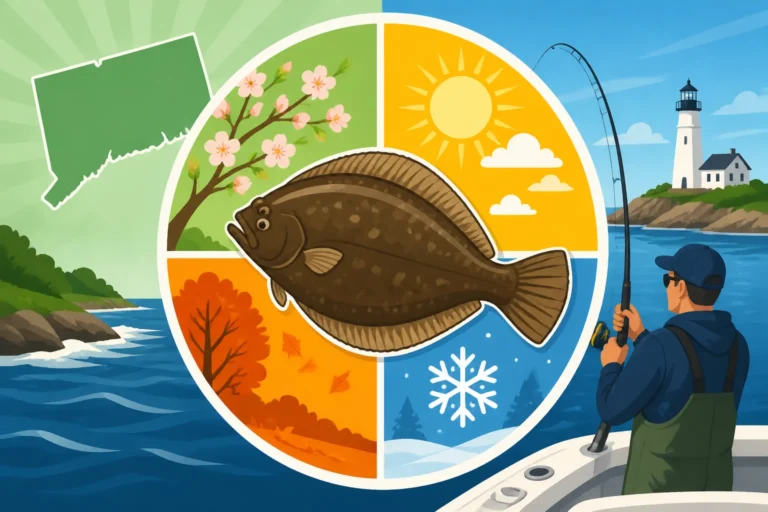
For example, spring is prime time for migratory striped bass and bluefish entering Long Island Sound, and often coincides with the arrival of baitfish. Fluke fishing typically heats up in late spring and continues strong through the summer months. Blackfish (tautog) have specific seasons, often peaking in the spring and then again in the fall when the water temperatures drop. Black sea bass also have distinct seasons and can be found on rocky bottom structures throughout the warmer months. Trout fishing in inland rivers and lakes is fantastic in the spring following stocking, and dedicated anglers will also pursue them during cooler periods. Don't expect to catch a lot of fluke in the dead of winter, or stripers in a freshwater pond. Consult local fishing reports and the Connecticut DEEP (Department of Energy and Environmental Protection) regulations for season dates. A good captain will be an expert on seasonal movements and will openly discuss what's biting best during the time you plan to fish. They might even suggest adjusting your target species based on the time of year to maximize your chances of success.
Morning vs. Afternoon Trips
The time of day can also play a significant role in fishing success, especially for certain species or in specific conditions. Most charters offer both morning and afternoon half-day trips, and understanding the pros and cons of each can help you choose.
Morning trips (often departing at sunrise or shortly after) are generally favored by serious anglers. This is often when fish are most active, especially predatory species like striped bass and bluefish, which feed heavily during low light conditions. The water can also be calmer in the early morning before the sea breeze picks up, making for a more comfortable ride. Plus, there's something magical about being out on the water as the sun comes up. If you're looking for the best chance at active feeding fish, a morning trip is usually your best bet.
Afternoon trips can still be productive, especially for bottom fish like fluke, scup, or black sea bass, which might bite consistently throughout the day. The advantages of an afternoon trip include a more leisurely start to your day and often less fog than in the early morning. It can also be a good option for families with younger children who might struggle with a very early wake-up call. However, afternoon trips can sometimes face more challenging conditions, such as stronger winds or a more intense sun. Some captains might also offer night fishing charters, particularly for trophy striped bass during the warmer months, as these fish often feed under the cover of darkness. Consider your group's preferences, your target species' feeding habits, and the typical weather patterns for your chosen date.
| Factor | Private Charter | Shared / Open Boat Charter |
|---|---|---|
| Cost | Higher overall cost (per boat) | Lower individual cost (per person) |
| Group Size | Exclusive to your group (1-6+ depending on boat) | Mixed group of individuals |
| Customization | High: Choose species, areas, pace, duration | Low: Set species, areas, schedule by captain |
| Privacy | Excellent: Your group only | Limited: Share space with other anglers |
| Attention | High: Dedicated crew attention | Moderate: Crew assists multiple anglers |
| Flexibility | High: Often negotiable start/end times | Low: Fixed schedule, less adaptable |
| Best For | Families, corporate groups, serious anglers | Solo anglers, small groups, budget-conscious |
| Social Aspect | Private, intimate | Opportunity to meet new people |
Reading Reviews and Getting Recommendations
In today's connected world, one of the most powerful tools you have for choosing a fishing charter is the collective experience of other anglers. Reading reviews and seeking recommendations can provide invaluable insights into a charter's reputation, professionalism, and overall quality.
Online Reviews and Their Importance
Online review platforms are a treasure trove of information, offering a glimpse into what you can truly expect from a charter. Websites like FishingBooker, Google Reviews, and TripAdvisor are great places to start.
When reading reviews, don't just look at the star rating. Dive into the actual comments. What are people consistently praising? Is it the captain's patience, their ability to find fish, the cleanliness of the boat, or the quality of the gear? Similarly, pay close attention to any recurring negative feedback. Is there a pattern of cancellations, poor communication, or unreliable equipment? Keep in mind that a few isolated negative reviews might be outliers, but consistent complaints are a red flag. Also, look at how the charter responds to reviews, both positive and negative. A captain who genuinely cares about their clients will often take the time to thank reviewers and address any concerns professionally. These insights can help you gauge the captain's personality and whether their style aligns with your group's expectations. For a general overview of options, look at Best Fishing Charters in Connecticut and then drill down into their reviews.
Local Word-of-Mouth and Fishing Forums
While online reviews are easily accessible, don't underestimate the power of old-fashioned word-of-mouth and local fishing communities. Sometimes the best recommendations come from people who have first-hand experience.
If you know local anglers, ask them who they've fished with and who they recommend. They might have insider information about captains who consistently produce, or those who are particularly good with kids, or those who truly go the extra mile. Visiting local tackle shops or marinas can also be a great way to gather information. The folks working there often have their fingers on the pulse of the local fishing scene and can offer unbiased opinions. Joining online fishing forums dedicated to Connecticut fishing can also be beneficial. Post a question asking for charter recommendations for your specific goals, and you'll likely get a wealth of opinions and personal anecdotes. These local sources can often provide nuances that you might not find in a generic online review, such as a captain's reputation for finding specific species or their commitment to conservation.
What to Look For (and Look Out For) in Reviews
Being a savvy consumer of reviews means knowing how to filter out the noise and identify genuinely useful information. Not all reviews are created equal, and some might be more informative than others.
Look for:
- Specifics: Reviews that detail why a trip was good or bad, mentioning specific fish caught, helpful actions by the crew, or challenges overcome.
- Consistency: A pattern of similar positive comments across multiple reviews.
- Recentness: Reviews from the past year or two are more relevant than those from five years ago, as captains, boats, and crew can change.
- Captain's Responses: How they handle feedback, especially constructive criticism.
- Match to Your Goals: Reviews that align with your desired trip type (e.g., family-friendly, serious fishing, specific species).
Look out for:
- Vague praise or criticism: "It was great" doesn't help as much as "The captain was incredibly patient teaching my son how to cast."
- Unrealistic expectations: Some negative reviews might stem from a client's unrealistic expectations (e.g., expecting to catch a state record fish on every trip).
- Overly promotional language: If a review sounds like an advertisement, it might be less credible.
- Missing safety mentions: If no one mentions safety, it might not be a red flag, but if multiple reviews say safety was ignored, that's a huge warning.
A good balance of positive reviews with genuine details, and thoughtful responses from the captain, usually indicates a reliable operation.
Making the Most of Your Charter Experience
You've done your research, booked your charter, and the day is finally here! Now it's time to ensure you and your group have the best possible experience on the water. A little preparation and understanding of proper etiquette can go a long way.
Tipping Etiquette and Appreciation
Just like in other service industries, tipping your charter captain and crew is customary and a vital part of their income. They work incredibly hard to ensure you have a successful and enjoyable day.
A general rule of thumb for tipping is 15-20% of the total charter cost. If the crew went above and beyond – perhaps they worked extra hard to find fish, were incredibly patient with your kids, cleaned your fish impeccably, or saved a tricky situation – a higher tip is always appreciated. It's often best to tip the mate directly, as they do much of the heavy lifting, rigging baits, untangling lines, and helping with the catch. If there's no mate, you can tip the captain. Always bring cash for tips, as it's the easiest and most direct way to show your appreciation. Even if the fishing wasn't red-hot, remember that the crew still put in a full day's work, used their fuel, and shared their expertise. A positive attitude and a generous tip acknowledge their effort, regardless of the size of your cooler. For more details, you can consult Tipping Etiquette for Connecticut Fishing Charters.
Respecting the Crew and the Environment
A fishing charter is a shared experience, and mutual respect between clients and crew is essential for a smooth and enjoyable trip. Furthermore, being mindful of the marine environment is a responsibility we all share.
Always listen carefully to the captain's and mate's instructions. They are the experts on their boat and the local waters. This includes safety briefings, fishing techniques, and any rules regarding handling fish or moving around the boat. If they ask you to do something a certain way, it's for a reason – usually for safety or to increase your chances of catching fish. Treat the boat, its equipment, and the crew with respect. Don't be late for your trip, don't leave trash on board, and if you have any issues, address them respectfully with the captain. In terms of the environment, practice responsible angling. Follow all Connecticut Fishing Regulations Explained regarding size limits, bag limits, and protected species. If you're practicing catch and release, do so carefully to maximize the fish's survival chances. Avoid unnecessary waste, and never throw anything overboard that doesn't belong in the water. Remember, we all want to ensure healthy fish populations and clean waters for generations to come.
Preparing for Success and Comfort
A little preparation on your part can significantly enhance your comfort and overall enjoyment on the water. Don't leave things to chance!
Even on a beautiful sunny day, conditions on the water can change rapidly. Dress in layers, as it can be much cooler on the open water than on land, especially in the morning. Bring a hat and polarized sunglasses to protect your eyes and help you spot fish or structure. Sunscreen is an absolute must, even on cloudy days. Non-skid shoes are critical for safety on a wet deck. Pack plenty of water and snacks, and if you're prone to seasickness, take preventative medication well before the trip begins – don't wait until you're already feeling queasy. A small cooler for your personal drinks and sandwiches is usually fine, but confirm with the captain. Most importantly, arrive with a positive attitude and an open mind. Fishing can be unpredictable, and even the best captains can't control Mother Nature. Enjoy the experience, the scenery, and the company, and any fish caught will be a bonus! You can find a detailed packing list in resources like What to Bring on a Connecticut Fishing Charter.
Disclaimer
This article is for general informational purposes only and does not constitute professional advice. Laws, prices and regulations vary by location and change over time. Consult a qualified professional for guidance on your specific situation.