Dry Fly Fishing Connecticut Mountain Streams
There's nothing quite like the delicate dance of a dry fly on the surface of a pristine Connecticut mountain stream, but let's be real, it's not always easy. The tight quarters, the overhanging branches, the constantly changing currents – it can be frustrating trying to coax a wary trout to rise. This guide is here to walk you through the nuances of dry fly fishing these smaller, often overlooked gems, helping you understand the environment, choose the right gear, and master the techniques that will make those fleeting moments of a trout rising to your fly more frequent and incredibly rewarding.
Understanding Connecticut Mountain Streams for Dry Fly Success
Connecticut, despite its population density, holds a surprising network of smaller, cooler mountain streams that are perfect for dry fly enthusiasts. These aren't your wide, famous rivers, but rather intimate settings where stealth and precision trump brute force. To truly succeed here, you need to appreciate their unique characteristics and the life they support.
Characteristics of Mountain Streams
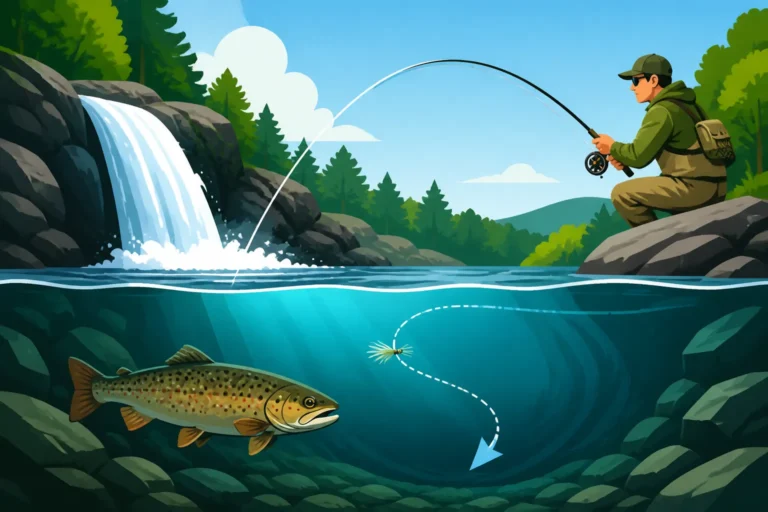
Connecticut's mountain streams are typically characterized by their smaller size, often narrow and heavily canopied by trees, which provides shade and helps keep water temperatures cool, especially in summer. They usually have a steeper gradient than larger rivers, leading to a classic "pocket water" environment. This means a lot of short, turbulent runs, small plunge pools created by rocks and fallen trees, and quick riffles. The water is often crystal clear, demanding a highly cautious approach from anglers. You'll find sections where the stream seems to disappear into a tangle of rhododendrons or hemlocks, only to open up into a hidden pool just around the bend. This dynamic, ever-changing environment is what makes dry fly fishing here so engaging, but also so challenging.
The substrate of these streams is usually a mix of gravel, cobble, and larger boulders, which creates diverse microhabitats for aquatic insects. Due to the rapid flow and often limited sediment, these streams tend to have excellent water quality, which is crucial for healthy insect populations and thriving trout. However, during heavy rains, they can swell quickly and become unfishable, just as they can drop to a trickle during prolonged dry spells. Understanding these water level fluctuations is vital for planning your trip, and it’s a good idea to check local stream gauges or recent rainfall reports before heading out.
Fish Species You'll Encounter
When you're dry fly fishing Connecticut's mountain streams, you're primarily targeting trout. While some larger rivers might hold rainbow and brown trout from stocking efforts, the true stars of these smaller, wilder mountain waters are often native brook trout. These stunning fish, with their vibrant colors and intricate patterns, are a testament to the health of these pristine habitats. They tend to be smaller than their stocked cousins, but their beauty and willingness to rise to a well-presented dry fly make them highly prized. You might also encounter wild brown trout in some of the more robust mountain streams, especially those with good spawning gravel. These fish can be incredibly wary and offer a significant challenge.
Beyond trout, you might occasionally pick up other small, native species like sculpins, dace, or even a small fallfish on a dry fly, though these are usually bycatch. The focus, however, is almost always on the trout. The populations in these streams are often self-sustaining, meaning they reproduce naturally, which underscores the importance of careful handling and catch-and-release practices. For more on these incredible fish, you might be interested in learning about Brook Trout: Connecticut's Native Trout. Respecting the delicate ecosystem and the fish within it ensures these beautiful mountain streams remain vibrant for future generations of anglers.
Navigating Access and Terrain
Accessing Connecticut's mountain streams can be part of the adventure, or part of the frustration, depending on your perspective! Unlike larger, well-known rivers with designated parking lots and manicured trails, many of these smaller streams flow through state forests, conservation lands, or even private property. You might find yourself bushwhacking through dense undergrowth, scaling slippery banks, or navigating around large blowdowns. This physical challenge is often what keeps these streams pristine and less pressured. It's crucial to always know where you are and respect private property boundaries. Checking online maps or local land trust information before your trip can save you a lot of grief.
Parking can be limited, often just a small pull-off on a rural road. Be mindful of parking signs and never block private driveways or gates. Once on the stream, expect varying terrain underfoot – slippery rocks, uneven streambeds, and submerged logs are common. A good pair of wading boots with sturdy ankle support is non-negotiable, and a wading staff can be a real lifesaver, especially when crossing deeper, faster sections. Remember, these are wild places, and a certain level of preparedness for self-rescue or navigating difficult terrain is essential. Many of these areas also fall under Connecticut Trout Management Area Regulations, so understanding the specific rules for your chosen spot is paramount.
Essential Gear for Dry Fly Fishing Mountain Streams
Successfully dry fly fishing in Connecticut's tight, brushy mountain streams requires a thoughtful selection of gear. You're not looking for distance casting; you're looking for precision, stealth, and durability. Every piece of equipment, from your rod to your fly box, should be chosen with the unique challenges of these intimate waters in mind.
Rod, Reel, and Line Selection
For mountain streams, you want a rod that's short, light, and forgiving. Forget those 9-foot 5-weights; they're simply too much rod for these environments. A 6-foot to 7-foot 6-inch rod in a 2- or 3-weight is often ideal. This shorter length allows for easier casting in tight quarters, under branches, and around obstacles. A medium-fast action rod will give you the control and accuracy needed for delicate presentations while still having enough backbone to handle a spirited brook trout. The reel is less critical in these waters, as you'll often be hand-lining fish, but a lightweight reel that balances your rod well is important. It should have a smooth drag system, just in case you hook into a larger holdover brown.
When it comes to fly line, a weight-forward floating line matched to your rod weight is standard. However, consider a line with a slightly more aggressive taper or one specifically designed for close-range presentations. This can help load your short rod more efficiently for quick, accurate casts without a lot of false casting, which is often impossible in these brushy environments. For leaders, a 7.5 to 9-foot leader tapering down to 5X or 6X tippet is usually sufficient. In exceptionally clear, low-water conditions, you might even drop down to 7X, but the risk of breaking off a fish or snagging on vegetation increases significantly. Always carry extra tippet spools of various sizes; you'll be re-tying frequently due to snags and break-offs. You can find excellent options for rods, reels, and lines on Amazon, which often carries specialized smaller gear perfect for these conditions.
Waders, Boots, and Safety Gear
Your choice of wading gear is paramount for comfort, safety, and stealth in mountain streams. Chest waders, preferably lightweight and breathable nylon or Gore-Tex, are almost a necessity for navigating deeper pools, staying dry during multiple crossings, and protecting you from thorny bushes. Neoprene waders are too warm for most of Connecticut's fishing seasons. A good pair of wading boots, separate from the waders, is highly recommended. Look for boots with sticky rubber soles, and seriously consider adding screw-in studs or felt soles (where legal) for superior grip on slick, algae-covered rocks. Good ankle support is also critical for stability on uneven streambeds.
Beyond waders and boots, never underestimate the value of a wading staff. It helps maintain balance, probes unknown depths, and provides a crucial third point of contact when navigating tricky currents or slippery rocks. A small, lightweight backpack or sling pack is essential for carrying your fly boxes, extra tippet, water, snacks, and a first-aid kit. Eye protection, like polarized sunglasses, is a must-have not only for cutting glare and spotting fish but also for protecting your eyes from errant flies or overhanging branches. Finally, consider a personal locator beacon or at least ensure your phone is fully charged if you're venturing into more remote areas, as cell service can be spotty. Remember, a safe angler is a happy angler, and mastering Wading Techniques for Connecticut Trout Streams is key.
Fly Box Essentials and Accessories
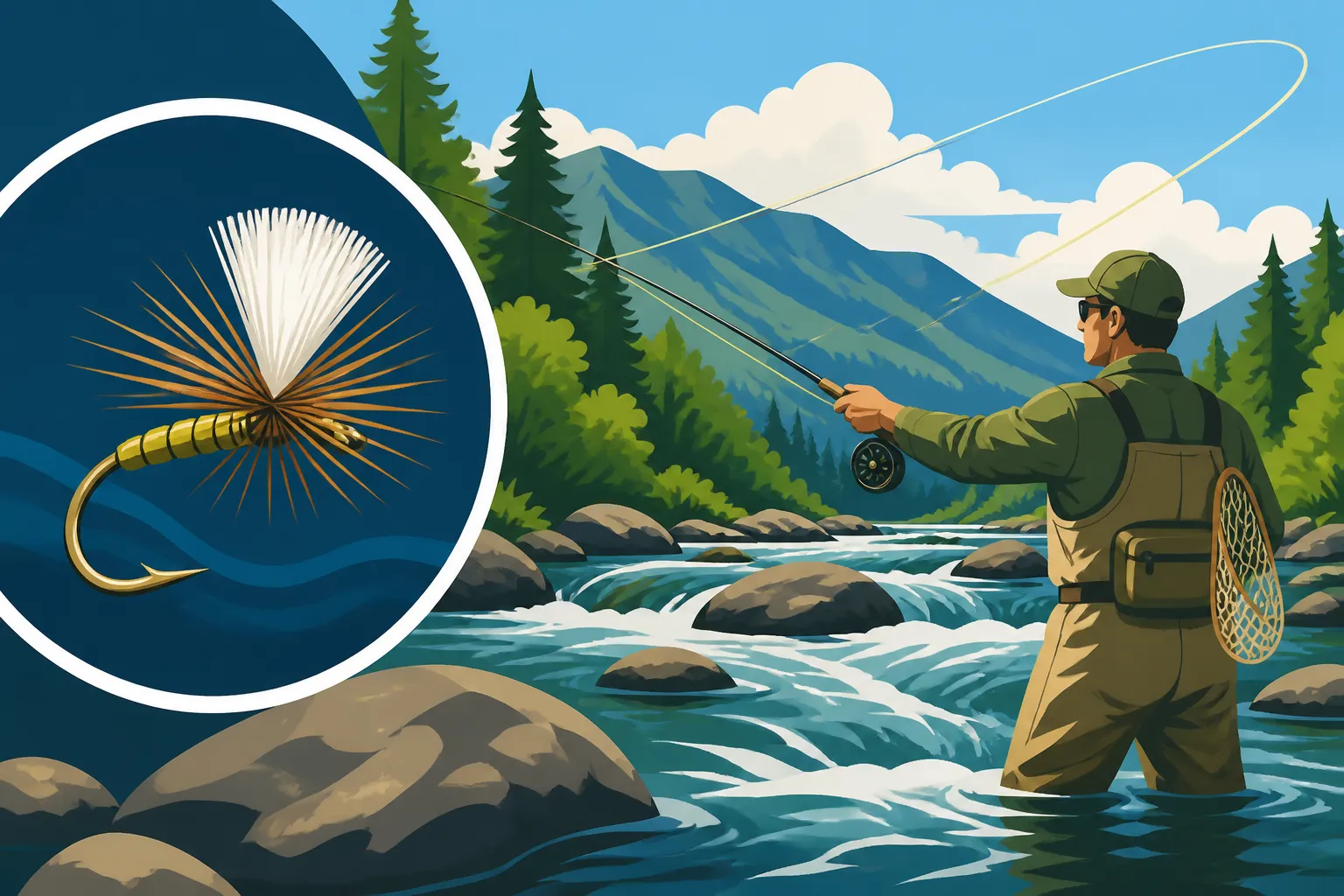
Your fly box for mountain streams should be stocked with a selection of reliable dry fly patterns, focusing on smaller sizes and robust construction. Sizes #14 through #20 will cover most bases. You'll want a mix of realistic "match the hatch" patterns and some "attractor" patterns. Essential patterns include various Caddis imitations (Elk Hair Caddis), Mayfly dries (Parachute Adams, Blue Winged Olives, Sulphurs, Tricos), and Terrestrials (Ants, Beetles, Grasshoppers). For a deeper dive into insect life, check out Fly Patterns for Connecticut Trout Streams.
Beyond the flies, a few key accessories will make your day much smoother. Forceps or hemostats are indispensable for hook removal, especially from smaller fish. A pair of sharp nippers for cutting line and tippet, preferably on a lanyard or zinger, is a must. Dry shake or a desiccant powder helps revive waterlogged flies, keeping them floating high. A small bottle of floatant paste or liquid is also useful. Don't forget a thermometer to check water temperatures, which can be critical for understanding fish activity and for responsible catch-and-release, especially during warmer months. A small net with a rubber bag is ideal for quickly and safely landing fish without damaging their protective slime coat, ensuring a strong release. Many of these smaller accessories can be conveniently ordered from Amazon.
Reading the Water for Dry Fly Success
The most successful dry fly anglers aren't just great casters; they're expert water readers. In the dynamic environment of a Connecticut mountain stream, understanding where fish lie and how currents behave is even more critical. Each ripple, eddy, and seam tells a story if you know how to interpret it.
Identifying Holding Lies and Feeding Lanes
Trout, like all fish, are opportunists. They want to expend the least amount of energy for the greatest reward. In a mountain stream, this means finding places where food is delivered to them effortlessly, or where they can rest out of the main current while remaining close to a food source. These spots are known as holding lies and feeding lanes. Holding lies are typically areas of reduced current, like behind large boulders, logs, or in the deeper, slower water at the head or tail of a pool. Look for submerged structure – rocks, roots, or fallen branches – which offer protection from predators and a break from the current.
Feeding lanes, on the other hand, are the paths that drifting insects take. These are often along the edges of current seams, where slower water meets faster water, or directly in the main current of a riffle that funnels insects. A prime example is the V-shaped current that forms downstream of a large rock; insects will often be concentrated along the "legs" of that V. Don't overlook seemingly insignificant pockets of calm water near the bank, especially where overhanging vegetation might drop terrestrials into the water. In a mountain stream, even a small patch of slower water the size of a dinner plate can hold a feeding trout, as explored further in Best technique for fishing pocket water. Always approach these areas stealthily, as the clear water means fish will spook easily.
Understanding Current Seams and Eddies
Current seams and eddies are your best friends when dry fly fishing mountain streams. A current seam is simply the visible line where two currents of different speeds or directions meet. These are natural conveyor belts for insects, concentrating them in predictable paths. Trout will often position themselves just off the main, faster current, in the slightly slower water of a seam, allowing them to dart out for food without fighting a powerful flow. Look for seams where a fast riffle spills into a calmer pool, or where a small tributary enters the main stream.
Eddies are circular currents, often found downstream of large obstacles or along concave bends in the stream. They can be incredibly productive because food accumulates in them. However, eddies also present a challenge for presentation, as the swirling currents can quickly put drag on your fly line, ruining a natural drift. The key is to understand how the current will affect your fly and mend your line accordingly to achieve a drag-free presentation. Sometimes, casting slightly upstream of an eddy and allowing the current to carry your fly into the slower water is effective, while other times a downstream approach is better. Mastering these intricacies is crucial for success, especially in a dynamic environment where a fish may be lying in Best technique for fishing a riffle for trout.
Looking for Surface Activity and Hatches
The most exciting part of dry fly fishing is witnessing a trout break the surface to take your fly. Observing surface activity is the quickest way to confirm fish presence and often indicates what they might be feeding on. Look for subtle rises – a small dimple on the water, or a more aggressive splash. Pay attention to the size and type of insects present on the water, or flying in the air above the stream. This "match the hatch" principle is fundamental to dry fly fishing.
Even if you don't see fish rising, look for shucks or spent adult insects floating on the water's surface, as these are strong indicators of a recent or ongoing hatch. Sometimes, you'll see tiny midges or larger caddisflies fluttering around. On warmer days, especially in summer and fall, terrestrials like ants, beetles, or grasshoppers might be blown into the water from overhanging vegetation. If you're not seeing any surface activity, don't despair; trout can still be willing to rise, especially if you present a general attractor pattern or a terrestrial. But when they are rising, identifying what they are feeding on and imitating it with your dry fly will dramatically increase your chances of success. For a comprehensive guide on insect life, remember to consult a resource like Fly Patterns for Connecticut Trout Streams.
Key Dry Fly Patterns and When to Use Them
Having the right fly in your box at the right time can make all the difference between a frustrating day and an unforgettable one. While no two days are exactly alike, there are some dry fly staples that consistently produce in Connecticut's mountain streams.
Matching the Hatch: Common Insects
"Matching the hatch" is the holy grail of dry fly fishing. It means presenting a fly that closely imitates the natural insects that trout are actively feeding on. In Connecticut mountain streams, several common insect groups are crucial to recognize. Mayflies are a big one, emerging in various sizes and colors throughout the seasons. Classic patterns like the Parachute Adams (a great all-around choice when you're unsure), Blue Winged Olives (BWOs) in sizes #18-22 (common in cooler weather), and Sulphurs in sizes #14-18 (a late spring/early summer staple) are essential. When you see trout rising gently, often in a rhythmic pattern, they are frequently feeding on mayflies.
Caddisflies are another incredibly important food source, especially in freestone mountain streams. Unlike mayflies, which sit sedately on the water, caddisflies often skitter and bounce. The Elk Hair Caddis in various colors (tan, olive, brown) and sizes #12-18 is perhaps the most versatile caddis imitation and should always be in your box. When you see trout slashing at the surface or making aggressive jumps, they are often targeting emerging or egg-laying caddis. Pay attention to the color and size of the naturals fluttering around. A good local fly shop can often give you up-to-date information on current hatches, but having a selection of these key patterns from Amazon can prepare you for almost anything.
Attractor Patterns: When Nothing Else Works
Sometimes, despite your best efforts, you just can't pinpoint what the fish are feeding on, or there's no visible hatch. This is where attractor patterns come into play. These flies don't imitate a specific insect but rather suggest a juicy meal, using bright colors, exaggerated profiles, or flashy materials to grab a trout's attention. They are particularly useful in off-hatch periods, or when fish are simply being opportunistic.
Classic attractor patterns for mountain streams include the Stimulator (yellow or orange, sizes #10-16), which can imitate a large caddis, stonefly, or even a grasshopper; the Royal Wulff (sizes #12-18), with its distinct white wings and peacock body, is a universal trout magnet; and the Humpy (various colors, sizes #14-18), known for its bushy profile and excellent floatation. These patterns are fished with the same delicate, drag-free drift as "match the hatch" flies, but their purpose is to provoke an investigative strike rather than a precise imitation. Don't be afraid to try an attractor pattern if the trout are ignoring your more realistic offerings. Sometimes, a little flash or a bold silhouette is all it takes to spark their interest.
Terrestrial Patterns: Summer and Fall Staples
As the warmth of summer fully arrives and extends into the vibrant colors of fall, terrestrials become a significant food source for trout in Connecticut mountain streams. Terrestrials are land-based insects like ants, beetles, and grasshoppers that accidentally fall into the water from overhanging vegetation. Trout become highly accustomed to these protein-rich meals, and often won't hesitate to rise to a good imitation, even when no aquatic hatch is occurring.
Ant patterns (black, cinnamon, or red, sizes #16-20) are incredibly effective, especially on hot, sunny days when ants are most active. Small foam beetle patterns (black or green, sizes #14-18) are also highly productive, particularly when fished tight to stream banks or undercut edges. For larger fish, especially in late summer or early fall, a foam grasshopper or cricket pattern (sizes #10-14) can elicit explosive strikes. These larger patterns often float well and are easy to see, making them a joy to fish. Remember to cast these flies close to the banks, under overhanging branches, or near fallen logs where terrestrial insects are likely to fall into the water. These flies can be particularly effective when fishing later in the day, after the aquatic hatches have tapered off, offering a great alternative when looking for best fly patterns for summer trout hatches.
Mastering Dry Fly Presentation Techniques
The real challenge and art of dry fly fishing, especially in Connecticut's tight mountain streams, lies in your presentation. It’s not just about getting the fly to the fish; it’s about making it look natural, like a vulnerable insect drifting helplessly on the current.
The Art of the Drag-Free Drift
Achieving a drag-free drift is arguably the most crucial aspect of dry fly fishing. "Drag" occurs when your fly line or leader is pulled by conflicting currents, causing your fly to move unnaturally, as if it's being towed or skating across the surface. Trout are incredibly sensitive to this and will almost always refuse a fly that's dragging. In the complex currents of a mountain stream, maintaining a drag-free drift for more than a few feet can be a monumental challenge.
The goal is to have your fly float at the exact speed of the current it's in, without any tension from your line. This often means casting upstream and employing various mending techniques – subtle flicks of the wrist that reposition your fly line without moving the fly itself – to counteract the different current speeds affecting your leader. Learning to "stack mend" or "reach cast" can give you precious extra seconds of drag-free drift. Sometimes, the best approach is a very short, targeted cast to a specific pocket, picking up your line and recasting quickly if you can't maintain the drift. It's a constant battle, but the reward of a trout confidently rising to a perfect drift is unparalleled. For a broader understanding, our guide on Fly Fishing for Trout in Connecticut covers these basics and more.
Casting Accuracy and Mending
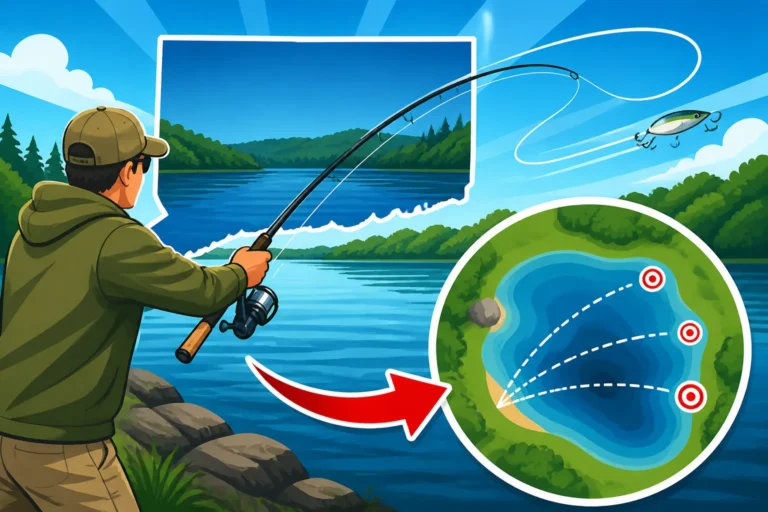
Precision casting is paramount in mountain stream dry fly fishing. You won't often have room for long, sweeping casts. Instead, you'll need to master short, accurate presentations under overhanging branches, into tight pockets, and around obstacles. The roll cast, the steeple cast, and even just a simple flip of the wrist are often more effective than traditional overhead casts. Practice targeting small objects on the water, aiming for pinpoint accuracy rather than distance. The closer you can land your fly to the fish's suspected lie, the less line you'll have on the water, and the easier it will be to manage your drift.
Mending is the continuous process of adjusting your fly line during the drift to prevent drag. It involves subtle movements of your rod tip to reposition the line either upstream or downstream, creating slack in the right places. For instance, if the current closest to you is faster than the current where your fly is, you'd make an upstream mend to throw a loop of slack line above your fly, allowing it to continue floating naturally. If the current further out is faster, a downstream mend might be necessary. It takes practice and keen observation to anticipate how different currents will affect your line and to react with the correct mend. Often, the initial cast itself, a "reach cast" for example, can set you up for a better drift by positioning your line in a more advantageous way from the start.
Approaching the Stream and Stealth
In clear, shallow mountain streams, stealth is just as important as your casting ability. Trout in these waters are incredibly wary and can be spooked by vibrations, shadows, or sudden movements. Always approach the stream cautiously, walking softly along the banks, and try to keep a low profile. Avoid wearing bright clothing, which can make you stand out. The goal is to move like a hunter, not a stomping elephant.
When you spot a promising lie, observe it from a distance for a few minutes before casting. Look for rises, or subtle movements that indicate a fish is present. Plan your approach to position yourself downstream and slightly to the side of where you intend to cast, allowing you to cast upstream to the fish. This way, the first thing the fish sees is your fly, not your line or shadow. Minimize false casts, as repeated line movements can also alarm fish. If you must wade, do so slowly and deliberately, disturbing the water as little as possible. Think of yourself as part of the natural environment, blending in and moving with purpose and quiet grace. This mindful approach, combined with choosing the Best Fly Fishing Rivers in Connecticut, significantly improves your chances.
Seasonal Considerations for Mountain Stream Dry Fly Fishing
Connecticut's distinct seasons profoundly impact when and how you'll find success dry fly fishing its mountain streams. Each season brings its own set of challenges and opportunities, driven by water temperature, insect emergence, and fish behavior.
Spring: Emerging Hatches and Runoff
Spring in Connecticut's mountain streams is a time of awakening, both for insects and trout. As snow melts and rain swells the waterways, conditions can be variable. Early spring often means cold, high water, making dry fly fishing challenging. However, as water temperatures slowly climb into the 40s and 50s Fahrenheit, the first significant aquatic insect hatches begin. Blue Winged Olives (BWOs) are often the earliest, followed by various Caddis species. These hatches can be prolific on warmer, overcast days, drawing trout to the surface.
The key in spring is to monitor water levels and temperatures. After a heavy rain, streams might be unfishable due to high, muddy water. But as the water drops and clears, the fishing can be exceptional. Look for slower sections, eddies, and the seams along the banks where trout will congregate to feed on emerging insects without fighting strong currents. Don't be afraid to use slightly larger, more visible dry flies in slightly off-color water. Also, consider that some streams are heavily stocked in spring, and these freshly stocked trout can be very eager to rise to a dry fly, especially in areas with Connecticut Trout Management Area Regulations. For specific dates and locations, always check the Connecticut Trout Season and Stocking Rules.
Summer: Terrestrials and Low Water
Summer brings warmer temperatures and typically lower, clearer water conditions to Connecticut's mountain streams. While this can make trout extra wary, it also opens up fantastic dry fly opportunities, especially with terrestrial patterns. As mentioned, ants, beetles, and grasshoppers become crucial food sources as they tumble into the water from streamside vegetation. Fishing these patterns close to banks, under overhanging branches, and around woody debris is incredibly effective.
However, summer also brings challenges. Water temperatures can become dangerously high for trout, especially brook trout, which prefer colder water. If water temperatures rise above 68-70°F, it's best to avoid fishing for trout to prevent undue stress on the fish. Early mornings and late evenings are often the most productive times during summer, as fish are more active and water temperatures are cooler. During the heat of the day, trout will seek out cold springs, deep pools, or heavily shaded areas. Focusing on these sanctuaries can lead to success, but always prioritize the well-being of the fish. These are also prime times to find a What a holdover trout is if the stream supports them.
Fall: Browns, Brookies, and Last Hatches
Fall is arguably the most beautiful and often most rewarding season for dry fly fishing Connecticut mountain streams. The foliage is spectacular, the air is crisp, and the trout become increasingly active as they prepare for winter. Brown trout, in particular, begin their spawning rituals, making them aggressive and more willing to chase a meal. Brook trout also become vibrant with their spawning colors. While major aquatic hatches become less frequent, you'll still encounter good emergences of Blue Winged Olives and midges, especially on warmer afternoons.
Terrestrial fishing remains strong through early fall, with hoppers and ants still on the menu. But don't overlook streamers or nymphing subsurface if the dry fly bite is slow, as trout are trying to pack on calories. This is often the best time of year to pursue Best time of year for trophy brown trout in Connecticut. Cooler water temperatures mean trout are more resilient, making catch-and-release practices safer for the fish. The challenge in fall is often dealing with falling leaves on the water, which can make spotting your fly difficult and create drag. However, the sheer beauty of the surroundings and the feisty nature of the fish make it a truly special time to be on the water. For more information about Do Trout Reproduce Naturally in Connecticut Streams?, the fall season offers a great perspective. Keep in mind local Connecticut Trout Limit and Possession Rules if you plan to keep any fish.
Disclaimer
The information provided in this guide is for general informational purposes only and is not intended as legal or professional advice. Fishing regulations, conditions, and access points can change frequently. Always consult the latest Connecticut Department of Energy and Environmental Protection (DEEP) fishing regulations before heading out. Anglers are responsible for their own safety and for adhering to all applicable laws and regulations.