Kayak Fishing Techniques for Connecticut Rivers
There's nothing quite like the freedom of paddling silently down a Connecticut river, your fishing rod at the ready, but getting into those prime, often hard-to-reach spots can be a real challenge for shore anglers. Traditional boats might be too big or noisy, and wading often limits your range. This comprehensive guide will navigate the ins and outs of kayak fishing on Connecticut's diverse rivers, offering practical techniques and safety tips to help you unlock a whole new world of angling opportunities.
Why Kayak Fishing is a Game-Changer for Connecticut Rivers
For years, many anglers in Connecticut have felt constrained by public access points, crowded shorelines, or the sheer inability to reach promising stretches of river that are just out of casting range. This often means missing out on incredible fishing, especially for species that prefer quieter, undisturbed waters. Kayak fishing utterly changes this dynamic, transforming those inaccessible areas into your personal playground. It's not just about getting to new spots; it's about the silent approach, the intimate connection with the water, and the ability to maneuver precisely in ways a larger boat simply can't.
Accessing Remote Waters and Undisturbed Fish
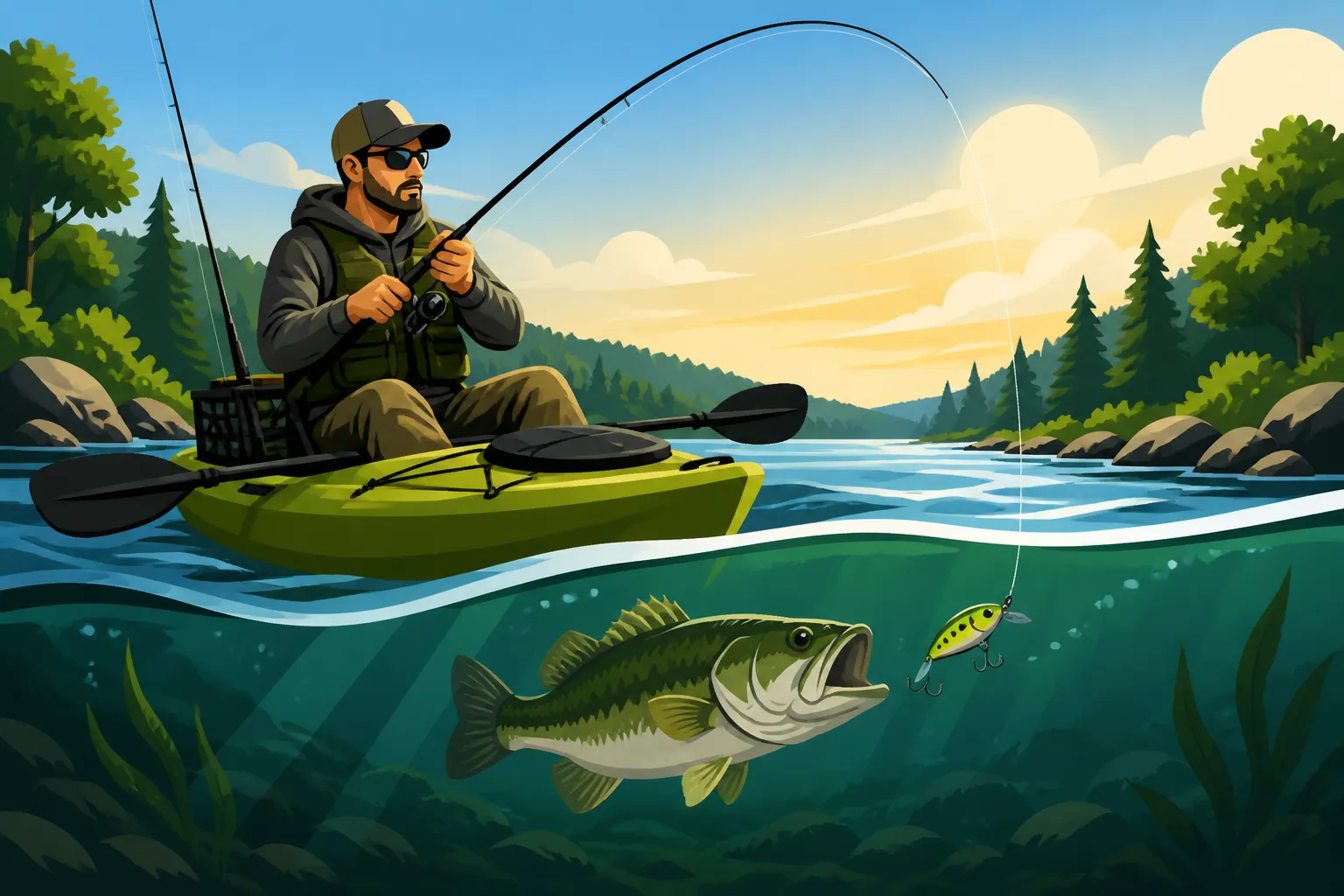
One of the most significant advantages of kayak fishing on Connecticut's rivers is the unparalleled access it provides. You can launch from small, unimproved areas where larger boats wouldn't dare venture, slipping into stretches of river that see minimal fishing pressure. Think about those hidden bends, the deep pools tucked behind a rapid, or the weed lines along a distant bank – places where fish rarely see a lure. This stealthy approach, powered by a paddle or pedals, allows you to get incredibly close to fish without spooking them. Imagine drifting silently past a logjam, dropping a perfectly placed lure right in front of a waiting smallmouth bass that has no idea you're there. That's the power of the kayak. You'll find that fish in these less-pressured areas are often more aggressive and less wary, making for an incredibly rewarding experience.
Stealth, Maneuverability, and a Deeper Connection
Beyond access, the very nature of a kayak enhances your fishing experience. The low profile and quiet movement mean you can approach fish in shallow water or tight cover without sending ripples of alarm through the ecosystem. This stealth is particularly crucial when targeting wary species like trout or striped bass in the lower reaches of rivers. Kayaks are also incredibly nimble. You can pivot quickly to follow a schooling fish, paddle upstream against a gentle current, or hold your position in a tricky eddy with surprising ease. This maneuverability allows you to work a piece of structure from multiple angles, something that's difficult to achieve from shore or a larger boat. Being so close to the water, feeling the current, and hearing the subtle sounds of the river creates an immersive fishing experience that's hard to replicate. It's a primal connection that elevates fishing from a hobby to an adventure.
Choosing Your Kayak and Essential Gear for River Fishing
Before you even think about casting a line, getting the right equipment is paramount for a successful and safe kayak fishing trip on Connecticut's rivers. The type of kayak you choose, along with the essential accessories, will directly impact your comfort, stability, and effectiveness on the water.
Kayak Types Suited for River Environments
When it comes to river fishing in Connecticut, not all kayaks are created equal. You'll primarily be looking at sit-on-top (SOT) and sit-inside kayaks, with a further consideration for pedal-driven versus paddle-driven models.
- Sit-on-Top (SOT) Kayaks: These are overwhelmingly popular for fishing, and for good reason. They offer superior stability, which is a huge advantage when you're casting, fighting a fish, or even standing up (in some models). The self-bailing scupper holes drain water quickly, meaning if you take a wave or paddle through a splashy section of rapids, the water just goes right out. This makes them ideal for rivers where you might encounter varied conditions, from calm stretches to light rapids. Most SOT fishing kayaks come equipped with tracks, gear mounts, and ample storage for tackle and coolers. For instance, brands like Hobie and Old Town offer excellent SOT models, many with pedal drives, perfect for river conditions.
- Sit-Inside Kayaks: While traditional sit-inside kayaks are often preferred for touring and whitewater, they can be less convenient for fishing. The enclosed cockpit can make casting awkward, and retrieving gear from inside can be a hassle. However, some wider, recreational sit-inside models do offer more stability and are good for colder water conditions as they keep you drier. They might be a good option for calmer, smaller rivers if you prioritize protection from the elements, but generally, SOTs are more versatile for active angling.
- Pedal vs. Paddle Driven Kayaks: This is a big one for river anglers. Pedal-driven kayaks, like those from Hobie or Perception, use a system similar to a bicycle, allowing you to propel yourself using your legs, leaving your hands free for casting, reeling, or holding your rod. This is an enormous advantage, especially when trying to hold position against a current or actively fish while moving. Imagine being able to cast to a bank, drift downstream, and pedal just enough to slow your drift and thoroughly work a section. For serious river anglers, the investment in a pedal drive system often pays off in increased fishing time and efficiency. Paddle-driven kayaks are lighter, generally less expensive, and require more physical exertion from your upper body, but they still offer excellent maneuverability and are perfectly suitable for many river scenarios, especially if you're comfortable with a paddle.
Essential Gear and Accessories
Once you've got your kayak sorted, outfitting it with the right accessories is crucial for both safety and fishing success.
- Personal Flotation Device (PFD): This is non-negotiable. Always wear a properly fitted PFD when kayak fishing. Modern fishing PFDs are designed with comfort and utility in mind, featuring pockets for tackle, pliers, and even attachment points for tools. Brands like NRS and Mustang Survival offer PFDs specifically tailored for anglers. It's not just a legal requirement under Connecticut Boating Laws for Anglers, but it's your lifeline if you unexpectedly find yourself in the water. Remember, Life Jacket Requirements for Connecticut Boaters are strict, and even more so when the water is cold, so always adhere to the Connecticut Cold Water Life Jacket Rule (October to May).
- Anchor System: A lightweight anchor system is invaluable for river fishing. It allows you to hold your position in a current to thoroughly fish a productive spot, set up for a specific cast, or simply take a break. A small grapnel anchor or a drift sock (sea anchor) works wonders. You'll want a cleat or an anchor trolley system to manage your line and position the anchor from bow to stern, ensuring the kayak doesn't get spun around by the current. Make sure your anchor line is long enough for the deepest sections of the rivers you plan to fish, usually 3-4 times the depth. You can find excellent options on Amazon for these types of anchors and trolleys.
- Rod Holders: Integrated rod holders are common on fishing kayaks, but aftermarket flush mount or rail-mounted rod holders can provide more versatility for trolling, storing rods while paddling, or holding a rod while you're unhooking a fish. Scotty and Ram Mounts are popular choices known for their durability and adjustability.
- Paddles/Pedals: Even with a pedal-drive kayak, always carry a paddle as a backup. Choose a paddle that's lightweight and appropriately sized for your height and kayak width. Carbon fiber paddles are lighter but more expensive, while aluminum or fiberglass options offer a good balance of cost and performance. If you have a pedal drive, ensure it's in good working order and consider carrying spare parts for minor repairs, especially for longer trips.
- Safety Kit: Beyond your PFD, a basic safety kit should include a whistle (often attached to your PFD), a knife for cutting tangled lines or ropes, a small first-aid kit, and a headlamp or light for low-light conditions. A bailing sponge is also useful for sit-inside kayaks or to dry out a sit-on-top after a splash.
- Storage & Organization: Waterproof dry bags are essential for electronics, spare clothing, and anything you absolutely can't get wet. Tackle management systems that fit securely in your tankwell or bow hatch will keep your gear organized and accessible. Consider a small cooler for drinks, snacks, and keeping your catch fresh.
Navigating Connecticut Rivers by Kayak
Kayaking on a river is a different beast than paddling on a calm lake or protected cove. Rivers have currents, obstacles, and constantly changing conditions that require a keen eye and thoughtful approach. Understanding how to read the water and safely launch and land are crucial skills for any river kayaker in Connecticut.
Reading the Water and Understanding Currents
The river itself is a living, breathing entity, and learning to "read" its currents, eddies, and obstacles is perhaps the most important skill for a kayak angler.
- Currents and Eddies: The main current will flow strongest in the deepest part of the channel. Look for seams where faster water meets slower water – these are prime ambush points for fish. Eddies, those swirling sections of water where the current reverses or slows, are goldmines. Fish often hold in the slack water of an eddy, waiting for food to be swept past by the main current. Learning to paddle into an eddy, hold your position, and fish the transition zone effectively will greatly improve your success. This skill is particularly useful when you're working a stretch of river for How to Catch Smallmouth Bass in Connecticut Rivers.
- Obstacles and Hazards: Rivers are dynamic. Be constantly aware of submerged rocks, fallen trees (snags or strainers), and shallow riffles. Strainers, which allow water to pass but trap solid objects like your kayak, are particularly dangerous. Always scout ahead, especially in unfamiliar waters. Look for "V's" in the water: a "V" pointing downstream usually indicates a clear path, while a "V" pointing upstream indicates a submerged obstruction. Plan your route, always giving wide berth to potential hazards. If you're unsure, it's always safer to portage around a tricky section than to risk a capsize.
- Depth Changes and Structure: Pay attention to how the current interacts with the bottom. Deep holes, undercut banks, gravel bars, and rock piles are all forms of structure where fish like to hold. Your kayak's low profile allows you to get right up against these features to present your lure effectively. For more details on locating fish in varied conditions, understanding Best Techniques for High Water Spring Conditions or Best Techniques for Low Clear Water Conditions can be a game changer.
Launching, Landing, and River Etiquette
Getting in and out of your kayak can sometimes be the trickiest part of the whole trip, especially on rivers with steep banks or strong currents.
- Safe Launching and Landing: Choose launch and landing spots that have a gentle slope and minimal current. Look for sandy banks, gradual rock beaches, or designated boat launches. Avoid launching directly into a strong current or where there are numerous submerged obstacles. When launching, position your kayak so the bow faces upstream or slightly angled into the current, then slide in. When landing, aim for a quiet spot, ideally where you can approach parallel to the bank or nose into a very gentle current. Always secure your kayak quickly once on shore so it doesn't float away.
- Respecting Other River Users: Connecticut's rivers are enjoyed by many. Be mindful of other anglers, kayakers, canoeists, and even swimmers. Give them space, avoid making excessive noise, and always pass on the side that gives way to navigation rules (generally, keep to the right). If you encounter other anglers, especially fly fishermen, give them a wide berth and don't crowd their spot. A simple wave and a friendly demeanor go a long way in fostering good relations on the water.
- Leave No Trace Principles: Pack out everything you pack in, including all trash, broken fishing line, and any fish carcasses. Practice catch and release responsibly, minimizing stress on the fish. Protect fragile riparian zones by avoiding unnecessary trampling of vegetation along the banks. Keeping our rivers clean and healthy ensures they remain fantastic places to fish for everyone. When you're done for the day, make sure to take any trash you've accumulated with you. These small actions contribute greatly to the health and beauty of Best Fishing Rivers in Connecticut.
Effective Kayak Fishing Techniques for River Species
The beauty of kayak fishing lies in its versatility. You can adapt a variety of fishing techniques that would be difficult, if not impossible, from shore or a larger boat. Mastering these methods will significantly increase your catch rate on Connecticut's rivers.
Drifting and Current Control
Drifting is arguably one of the most effective techniques for kayak fishing on rivers. It allows you to cover a lot of water while presenting your lure naturally with the current.
- Controlled Drifting: Instead of just letting the current take you, use your paddle or pedal drive to control your drift. You want to match the speed of the current or, ideally, move slightly slower. This allows your lure to appear more natural and gives fish more time to react. You can use subtle paddle strokes to steer your kayak, keeping your casts parallel to promising banks, submerged structure, or current seams. When you find a hot spot, a quick back-paddle or a burst from your pedal drive can slow you down, allowing you to thoroughly dissect the area before moving on. This is especially effective when targeting How to Fish a River for Smallmouth Bass.
- Fan Casting While Drifting: As you drift, fan cast ahead of your kayak and to both sides. Cast towards the banks, retrieve, then cast to the middle, retrieve, and so on. This ensures you're covering the entire water column and presenting your lure to any fish holding in different parts of the river. Pay close attention to where strikes occur and adjust your casting angles and lure presentations accordingly. This is a great way to locate active fish in unfamiliar stretches.
- Using a Drift Sock: For faster currents or if you want to slow your drift considerably without constant paddling, a drift sock (also known as a sea anchor) can be a lifesaver. Deploy it from the bow or stern (depending on how you want to orient your kayak) to create drag and reduce your speed. This allows for a more controlled, slower drift, giving you more time to work specific features and prolong your presentations. These are easily found on Amazon and are a worthwhile investment.
Anchoring and Targeting Structure
While drifting is excellent for covering water, sometimes you need to stop and really dissect a productive piece of structure. This is where a good anchor system comes into play.
- Strategic Anchoring: Don't just drop your anchor anywhere. Identify key pieces of structure like deep pools, logjams, rock piles, bridge pilings, or sharp river bends. Approach slowly, preferably from downstream, and deploy your anchor up-current from your target. This allows the current to pull your kayak back into position, giving you a stable platform to cast from. Aim to anchor far enough away not to spook the fish, but close enough for accurate casting.
- Working Structure from Multiple Angles: One of the biggest advantages of a kayak is the ability to easily change your casting angle to a piece of structure. Once anchored, you can subtly shift your kayak's position with your paddle, or if you have an anchor trolley, you can adjust the anchor point along your kayak's length. This lets you present your lure from upstream, downstream, or perpendicular to the structure, often triggering bites from fish that ignored earlier presentations. This is particularly effective for species like blackfish around structure in larger river estuaries or tidal rivers.
- Pitching and Flipping: When you're anchored near dense cover like submerged trees, weed mats, or undercut banks, pitching and flipping techniques become highly effective. These are precision casting methods designed to place your lure into tight spots with minimal splash. Use a short, accurate cast to drop your jig, worm, or soft plastic bait right into the heart of the cover where big bass often hide. The quiet approach of a kayak makes these close-quarters presentations incredibly successful.
Trolling (Where Applicable)
While less common on smaller, winding rivers, trolling can be very effective on wider, slower moving sections or in larger tidal rivers where you're covering significant distances.
- Paddle/Pedal Trolling: With a pedal-drive kayak, trolling becomes effortless. You can maintain a consistent speed, often around 1.5 to 3 miles per hour, while continuously presenting a lure behind you. Even with a paddle kayak, you can achieve effective trolling by maintaining a steady stroke. Use your rod holders to keep your rod secure and choose lures that run true at your trolling speed, such as small crankbaits, spinnerbaits, or even streamer flies if you're targeting trout.
- Targeting Deep Channels and River Flats: Trolling is particularly useful for covering large flats, probing deep river channels, or searching for schools of baitfish and the predators that follow them. On wider rivers like the Connecticut River, trolling can be an excellent way to locate schools of striped bass or even during the American Shad Runs on the Connecticut River. Experiment with different depths using diving crankbaits or weighted lines to find where the fish are holding.
- Multi-Rod Trolling (if legal): Depending on local regulations (always check Connecticut Fishing Regulations Explained before you go), you might be able to troll with more than one rod, increasing your chances. Use different lures or depths on each rod to quickly figure out what the fish are keying in on. Make sure your rod holders are secure and your drag is set appropriately to handle unexpected strikes.
Safety Considerations and Best Practices
While kayak fishing on Connecticut's rivers offers incredible rewards, it's crucial to prioritize safety. Rivers can be unpredictable, and understanding the risks and preparing for them can make all the difference.
Understanding River Conditions and Potential Risks
Never underestimate the power of moving water. Conditions can change rapidly, and being prepared is key.
- Water Levels and Flow Rates: Always check river levels and flow rates before you go. Websites like the USGS National Water Information System provide real-time data for many Connecticut rivers. High water levels and fast currents can make paddling dangerous, create strong eddies, and increase the risk of encountering submerged debris. Conversely, extremely low water can expose rocks and make paddling difficult. Choose conditions that match your skill level.
- Weather and Temperature: Keep a close eye on the weather forecast. Rapidly changing weather, especially thunderstorms, can create dangerous conditions on the water. Wind can make paddling difficult and create chop, while sudden drops in air temperature (especially in spring and fall) combined with cold river water can lead to hypothermia if you capsize. Always dress in layers of synthetic or wool clothing, and avoid cotton, which loses its insulating properties when wet.
- Cold Water Immersion: This is a serious risk in Connecticut for much of the year. Even on warm days, river water can be surprisingly cold. If you fall in, cold shock can be debilitating, leading to gasp reflex, hyperventilation, and loss of muscle control. Wearing a dry suit or wet suit in colder months (typically October through May) is highly recommended. Always assume you will get wet and dress for the water temperature, not just the air temperature.
Essential Safety Gear Beyond the PFD
While a PFD is paramount, other items can significantly enhance your safety.
- Visibility: Especially if you're on a wider river or one shared with motorboats, make yourself visible. Brightly colored clothing, a tall safety flag on your kayak, and even reflective tape can help other boaters spot you.
- Communication Device: A fully charged waterproof cell phone in a dry bag is a must. Consider carrying a VHF radio for more reliable communication, especially on larger waterways like the Connecticut River or if you're fishing far from shore.
- Navigation Tools: A waterproof map of the river, a GPS device, or a reliable mapping app on your phone can help you stay oriented, identify potential hazards, and locate launch/take-out points. Even for familiar rivers, having a map is a good backup. You can often find detailed maps in the Reading the Connecticut Fishing Guide.
- Rescue Line/Throw Bag: A short length of floating rope in a throw bag can be invaluable for rescuing a fellow kayaker or if you need to secure your own kayak in an emergency. Learning basic rescue techniques before you go is also a great idea.
Planning and Preparedness
A little planning goes a long way in ensuring a safe and enjoyable trip.
- Trip Plan and Buddy System: Always tell someone where you're going, your planned route, and when you expect to return. Better yet, fish with a buddy. Having another person with you in case of an emergency can be a lifesaver.
- Physical Fitness and Kayak Skills: Be realistic about your physical abilities and kayak skills. Rivers require more exertion than lakes, and strong currents can be challenging. Practice self-rescue techniques (like wet exits and re-entries) in a safe, controlled environment before attempting them on a river. Consider taking a kayak safety course.
- Car Topping and Transportation: Safely securing your kayak to your vehicle is part of preparedness. Use proper racks and straps to prevent your kayak from shifting or flying off, especially on highways. Check your straps frequently during transit.
Targeting Specific Connecticut River Species from a Kayak
Connecticut's rivers offer a diverse array of fish species, and kayak fishing opens up unique opportunities to target them. From the smallest streams to the wide tidal estuaries, there's always something biting.
Smallmouth Bass and Largemouth Bass
Connecticut's rivers, particularly the Housatonic River and segments of the Connecticut River, are renowned for their smallmouth bass fishing. Largemouth bass are also abundant in the slower, weedier sections of many rivers and their associated coves.
- Smallmouth Tactics: Smallmouth bass thrive in current, rocky bottom, and transitional areas where faster water meets slower water. From your kayak, you can meticulously work these areas. Look for current breaks behind boulders, submerged logs, and bridge pilings. Drifting a tube jig, a small crankbait, or a suspending jerkbait through these zones can be incredibly effective. In shallower riffles, a spinnerbait or a topwater popper fished from your kayak can draw explosive strikes. The Housatonic River Fishing Guide is a great resource, and kayak access makes exploring its famous smallmouth habitat even better.
- Largemouth Tactics: For largemouth bass, focus your kayak efforts on the slower, deeper pools, oxbows, and backwater coves. Target lily pads, emergent vegetation, laydowns, and docks. Kayaks excel at quietly slipping into these tight spaces. Use weedless presentations like Texas-rigged plastic worms, jig-and-pig combinations, or hollow-bodied frogs over mats. The stealth of a kayak allows you to get incredibly close to cover without spooking these often wary fish.
- Seasonal Considerations: In spring, both bass species will be found moving into shallower, warmer water to spawn, often in protected coves or along sun-drenched banks. Summer sees them move to deeper water or shaded cover during the heat of the day, often becoming more active at dawn and dusk. Fall brings a feeding frenzy as they bulk up for winter, making them aggressive targets. Knowing the Best Time of Year to Fish in Connecticut for bass will help you tailor your approach.
Trout Fishing in River Systems
Connecticut is home to fantastic trout fishing, with many rivers regularly stocked by the DEEP, and others holding healthy populations of wild trout. Kayak fishing can provide access to stretches of rivers rarely seen by wade anglers.
- Accessing Trophy Trout Waters: Rivers like the Farmington River and the upper Housatonic River are famous for their trout. While much of this fishing is done by wading, a kayak can help you access long, otherwise unreachable pools or sections between public access points. This is particularly useful for fly anglers who want to drift through a long run or access tricky casting positions. For dedicated fly fishing, exploring Best Fly Fishing Rivers in Connecticut from a kayak offers a unique perspective.
- Presentation and Drift: When targeting trout from a kayak, precision is key. Use controlled drifts to present nymphs, wet flies, or small spinnerbaits naturally to holding lies behind structure or in current seams. If you're using conventional tackle, small inline spinners, spoons, or floating trout pellets can be effective. Try to keep your kayak as stable as possible to minimize movement and maximize stealth.
- Respecting Regulations: Always be intimately familiar with Connecticut Trout Season and Stocking Rules and specific regulations for any designated Trout Management Areas (TMAs) you plan to fish. Some sections might be fly-fishing-only, catch-and-release-only, or have specific gear restrictions. The Connecticut Trout Limit and Possession Rules are also crucial to understand.
American Shad and Striped Bass in Tidal Rivers
For those venturing into the larger tidal rivers and estuaries, kayak fishing offers thrilling opportunities for migratory species.
- American Shad: In spring, the American Shad Runs on the Connecticut River provide a phenomenal fishery. Kayaks are perfect for this. You can paddle upstream, then drift back down, casting small shad darts or tiny spoons. The key is to find the channel where the shad are migrating. The silence of the kayak allows you to get right on top of the schools without spooking them.
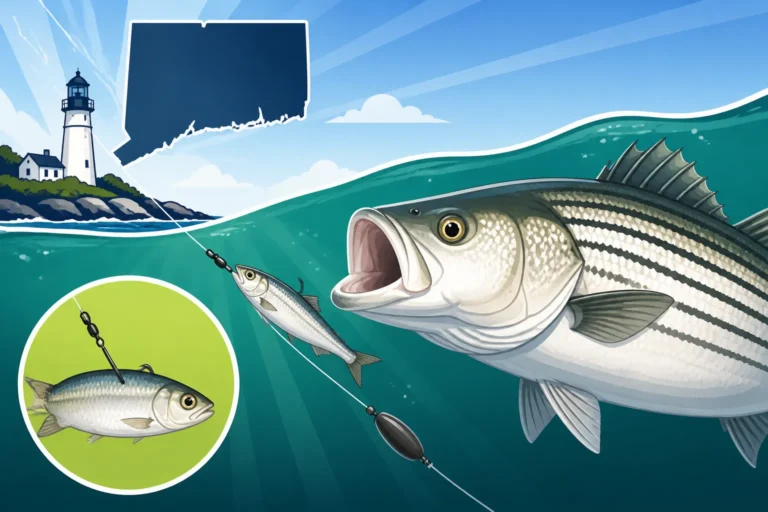
- Striped Bass: The lower reaches of Connecticut's major rivers and into Long Island Sound are prime striped bass territory, and kayak fishing them is incredibly popular. From your kayak, you can target structure like bridge pilings, jetties, and rocky shorelines with soft plastics, bucktail jigs, or topwater lures. Trolling can also be effective in wider sections. Night fishing for stripers from a kayak can be particularly productive but also carries additional safety considerations. Understanding Striped Bass Fishing in Long Island Sound from a kayak perspective opens up many new possibilities. Always remember to check Connecticut Striped Bass Slot Limit and Season regulations before you keep any fish.
Here's a quick comparison of essential gear for different river conditions:
| Gear Item | Calm/Slow Rivers (e.g., smaller streams, upper Connecticut) | Moderate Rivers (e.g., Farmington, Housatonic) | Tidal Rivers/Estuaries (e.g., lower Connecticut, Thames) |
|---|---|---|---|
| Kayak Type | Paddle SOT or Sit-Inside | Pedal or Paddle SOT (stable) | Pedal SOT (stability & hands-free ideal for current) |
| Anchor System | Small grapnel or stake-out pole | Grapnel with anchor trolley | Grapnel (heavier) & drift sock, anchor trolley |
| PFD | Standard Fishing PFD | High-visibility Fishing PFD | High-visibility PFD with whistle/knife |
| Communication | Waterproof phone | Waterproof phone, perhaps small VHF | Waterproof phone, VHF radio, possibly EPIRB |
| Navigation | Basic map/app | Detailed river map/GPS | Marine GPS/Chartplotter, paper chart |
| Visibility | Optional flag | Safety flag recommended | Safety flag, bright clothing, reflective tape essential |
| Cold Water Gear | Wet suit/Dry suit in cool seasons | Wet suit/Dry suit for most of year | Dry suit for cold water, even in warmer temps |
| Rod Holders | 2-3 basic holders | 3-4 adjustable holders | 4+ heavy-duty, adjustable holders (for trolling) |
Disclaimer
The information provided in this guide is for general informational purposes only and does not constitute professional advice. Always exercise caution and use good judgment when engaging in outdoor activities, especially on the water. Consult official Connecticut DEEP resources for the most current fishing regulations, safety guidelines, and licensing requirements before embarking on any fishing trip. Fishing conditions can change rapidly, and personal safety should always be your top priority.